

Man Booker Prize Winner · Widowers · Maori (New Zealand people)
The Bone People by Keri Hulme — Summary, Key Ideas & Quotes
1983464 pages✦ 3-min Big ideas★ 4.1 (7)
Rate it
At once a mystery, a love story, and an ambitious exploration of the zone where Maori and European New Zealand meet, Booker Prize-winning novel The Bone People is a powerful and unsettling tale saturated with violence and Maori spirituality.
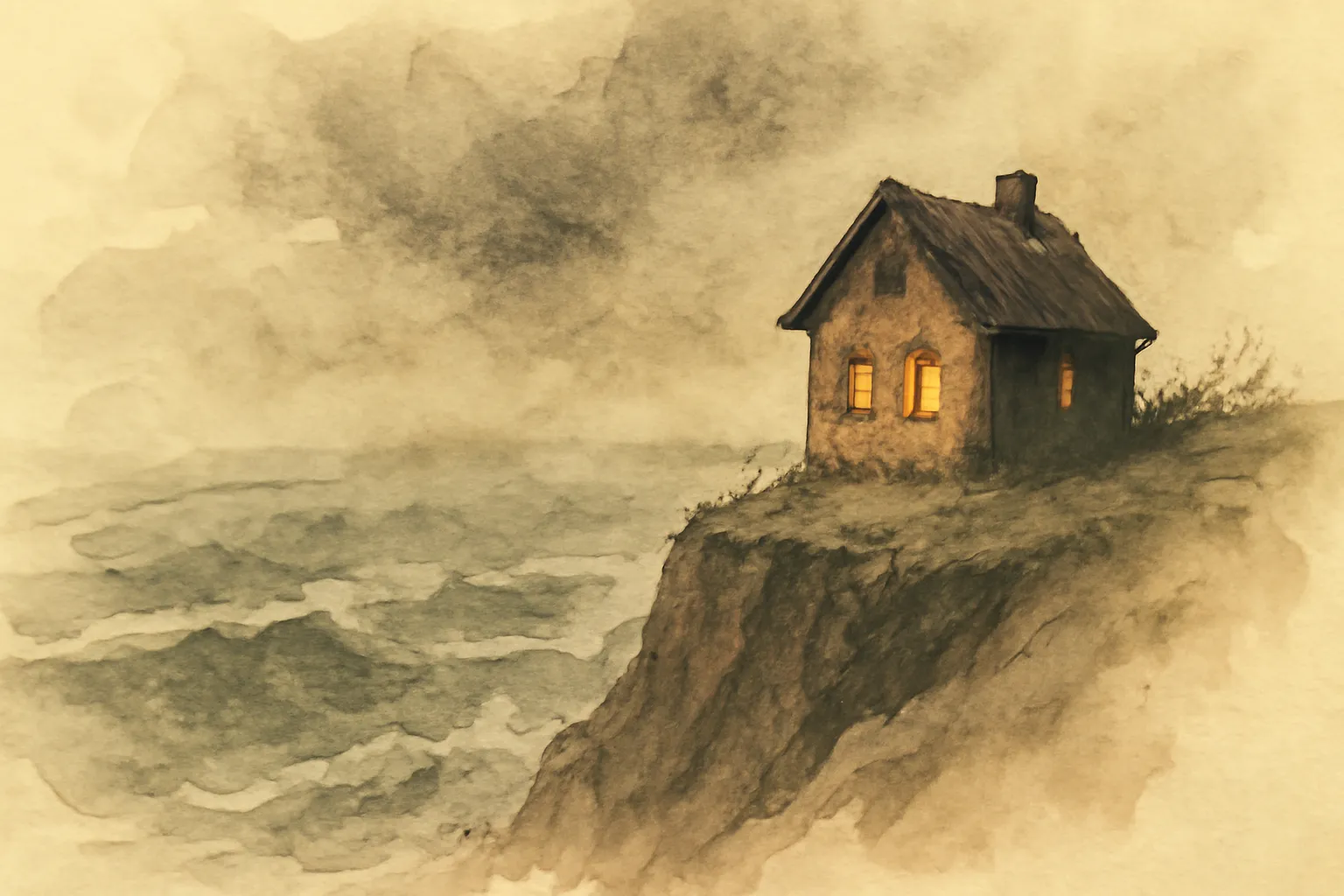
At its core, The Bone People explores how broken individuals—Kerewin, Simon, and Joe—are drawn together by their pain, and how their relationships become both a source of further trauma and the possibility of healing. The novel refuses simple resolutions, instead depicting healing as a jagged, often painful process that requires confronting violence, loss, and the limits of forgiveness. Hulme’s portrayal is unflinching, forcing readers to grapple with the uncomfortable reality that love and harm can coexist, and that redemption is neither guaranteed nor simple.
Hulme’s novel is saturated with the tensions and possibilities of cultural hybridity, especially between Maori and Pakeha (European New Zealander) worlds. Through language, myth, and character backgrounds, The Bone People examines the challenges of forging identity in a postcolonial context. The characters’ struggles mirror the broader societal search for belonging and reconciliation, highlighting both the richness and the pain of cultural intersection.
“He is a man who dreams of being a tree, and she is a woman who dreams of being a stone.”