Fiction · Fiction in English · History
The Booker Prize Anthology: The Siege of Krishnapur by J.G. Farrell — Summary, Key Ideas & Quotes
1973344 pages✦ 3-min Big ideas★ 4.0 (3)
Rate it
This story is set in Spring of 1857, with India on the brink of a bloody mutiny. Then the Sepoys at the military cantonment revolt and the British community retreats into the Residency. As food and ammunition grow short, the Residency becomes ever more vulnerable.
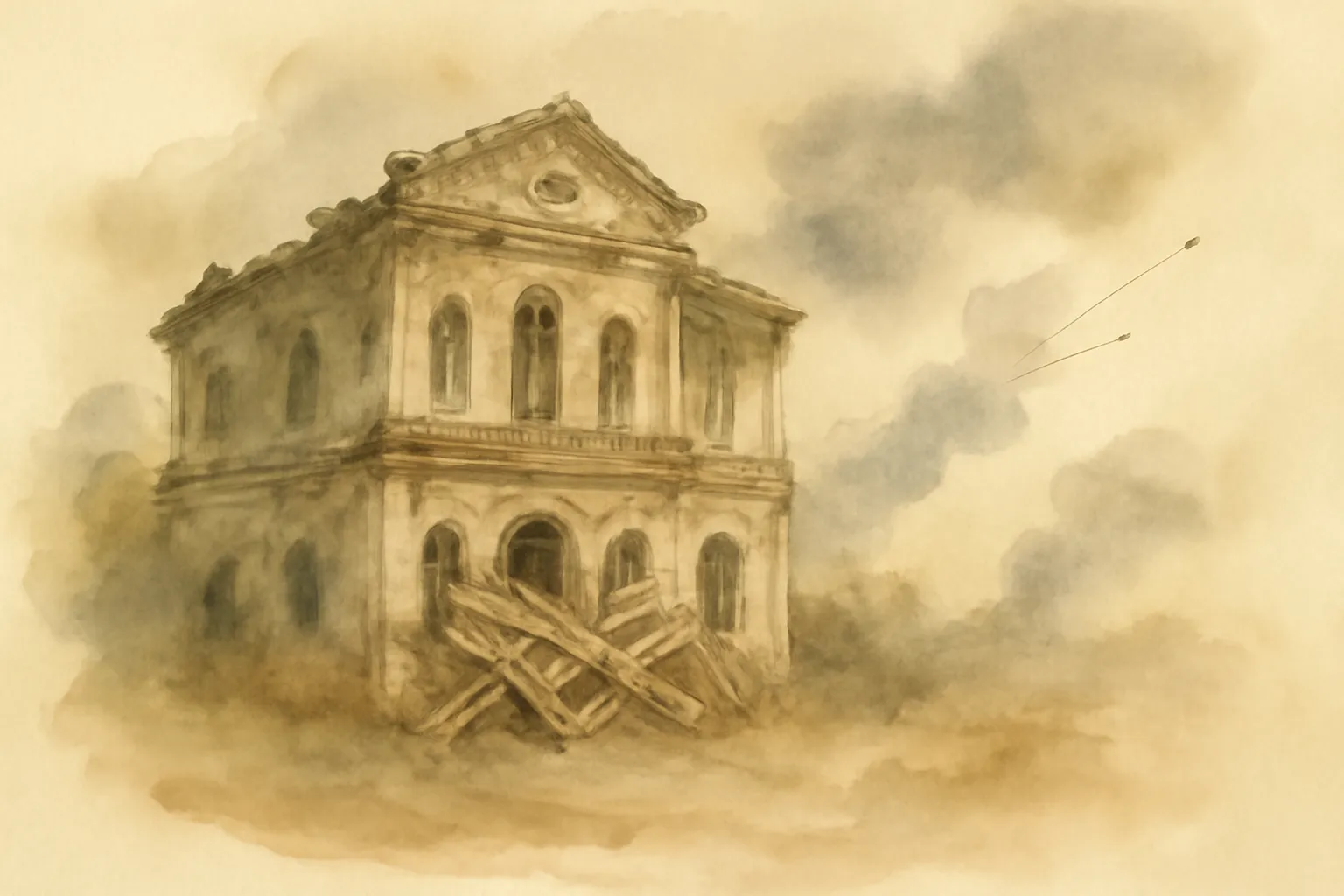
Farrell’s novel is a sharp critique of British imperialism, exposing the arrogance, ignorance, and self-delusion of colonial officials. The residents of Krishnapur cling to their rituals and social hierarchies even as their world collapses, revealing the fragility of their supposed superiority. The book lampoons the absurdities of colonial rule, from the obsession with etiquette to the blind faith in technological progress, all while the reality of the siege grows more desperate.
As the siege drags on, the certainties of Victorian society—progress, reason, and moral order—are systematically dismantled. Farrell explores how extreme crisis exposes the limits of ideology: science, religion, and class distinctions all come under pressure. The characters’ faith in their own civilization is tested, often to the point of breakdown, forcing them to confront uncomfortable truths about themselves and their values.
“It is not easy to be brave when you are frightened, but it is the only time when it matters to be brave.”