
Strikes and lockouts · Fiction in English · British
The Booker Prize by J.G. Farrell — Summary, Key Ideas & Quotes
1978572 pages✦ 3-min Big ideas★ 2.0 (1)
Rate it
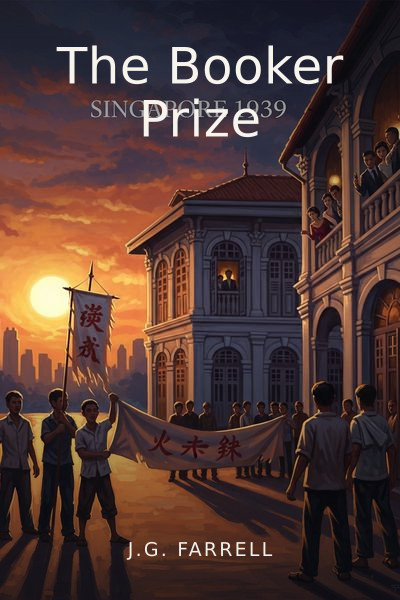
Singapore, 1939: life on the eve of World War II just isn't what it used to be for Walter Blackett, head of British Singapore's oldest and most powerful firm. No matter how forcefully the police break one strike, the natives go on strike somewhere else. His daughter keeps entangling herself with the most unsuitable beaus, while her intended match, the son of Blackett's partner, is an idealistic sympathizer with the League of Nations and a vegetarian. Business may be booming—what with the war in Europe, the Allies are desperate for rubber and helpless to resist Blackett's price-fixing and market manipulation—but something is wrong. No one suspects that the world of the British Empire, of fixed boundaries between classes and nations, is about to come to a terrible end. A love story and a war story, a tragicomic tale of a city under siege and a dying way of life, The Singapore Grip completes the “Empire Trilogy” that began with Troubles and the Booker prize-winning Siege of Krishnapur.
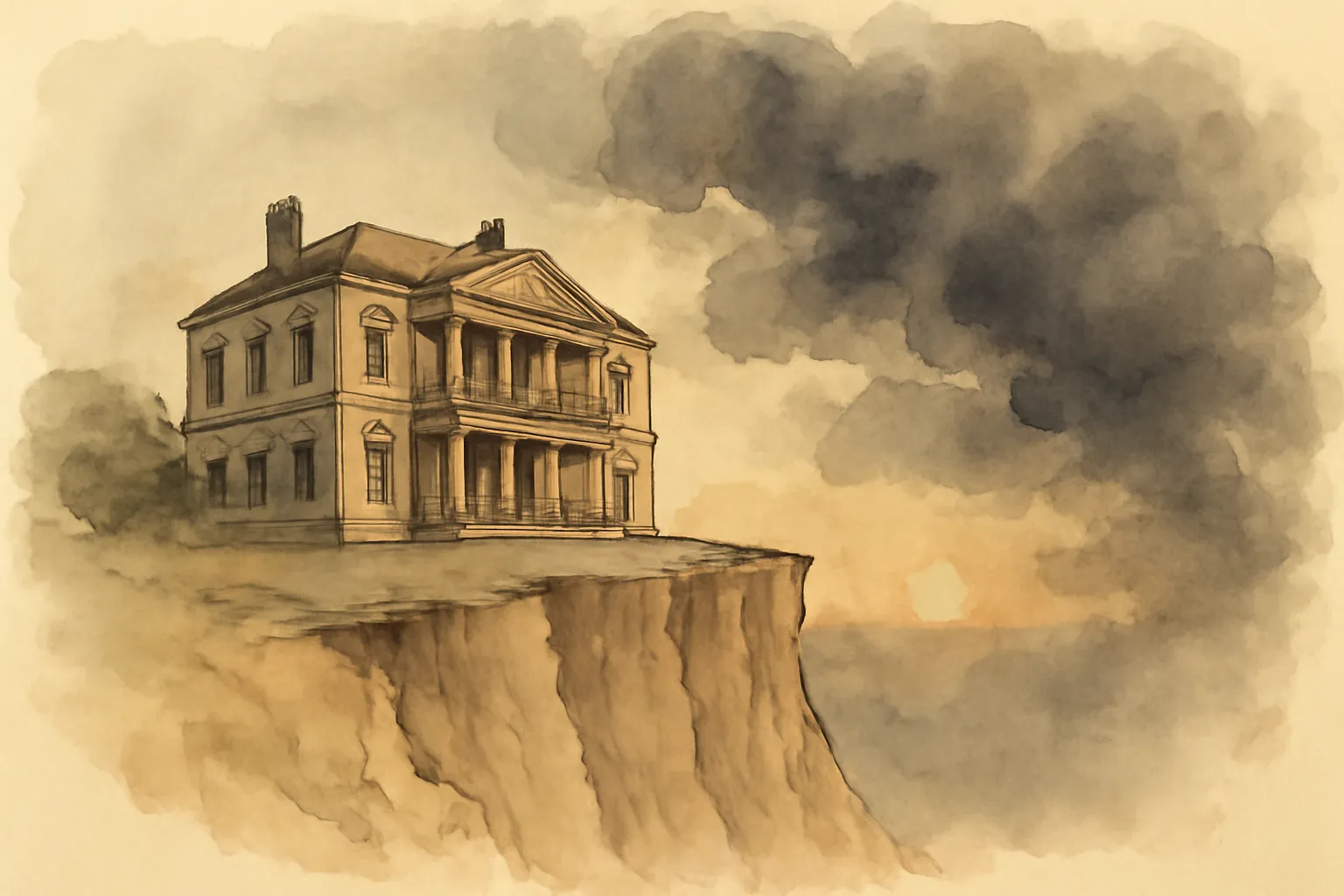
Farrell’s novel captures the British Empire at its tipping point, using the microcosm of Singapore’s colonial elite to dramatize the larger collapse of imperial power. The characters’ obliviousness to the impending Japanese invasion and their clinging to outdated social hierarchies serve as a metaphor for the empire’s inability to adapt or acknowledge its own decline. The book explores how those in power often fail to read the signs of change, blinded by their own assumptions and comforts.
The Singapore Grip is renowned for its biting satire, lampooning the pretensions, hypocrisies, and moral blindness of the colonial ruling class. Through exaggerated characters and comic situations, Farrell exposes the self-serving logic of empire, the economic exploitation of 'natives,' and the absurd rituals of colonial life. The humor is laced with tragedy, as the reader is always aware of the looming catastrophe that the characters refuse to see.
