1.The Decline of Empire
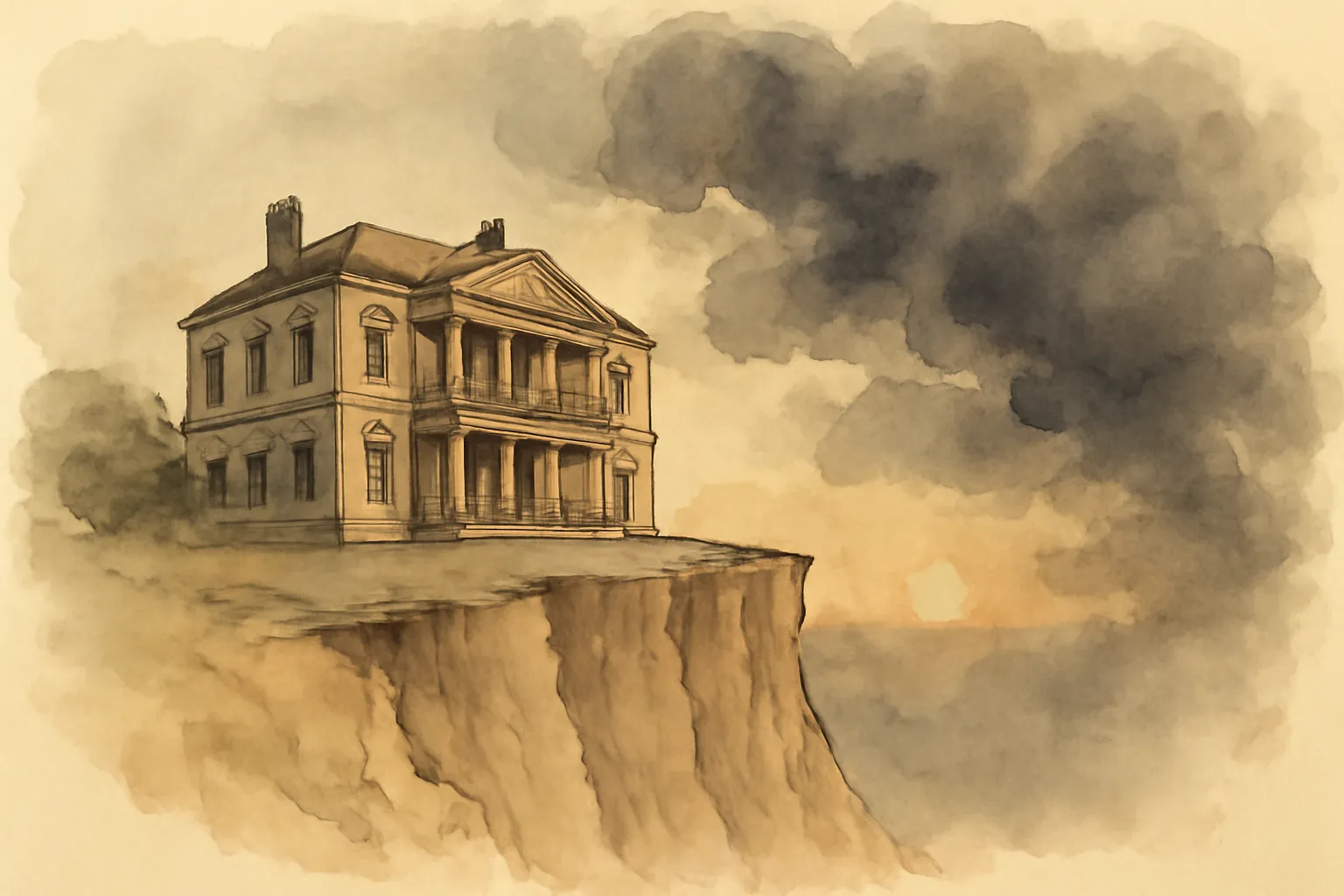
Farrell’s novel captures the British Empire at its tipping point, using the microcosm of Singapore’s colonial elite to dramatize the larger collapse of imperial power. The characters’ obliviousness to the impending Japanese invasion and their clinging to outdated social hierarchies serve as a metaphor for the empire’s inability to adapt or acknowledge its own decline. The book explores how those in power often fail to read the signs of change, blinded by their own assumptions and comforts.
2.Satire of Colonial Society
The Singapore Grip is renowned for its biting satire, lampooning the pretensions, hypocrisies, and moral blindness of the colonial ruling class. Through exaggerated characters and comic situations, Farrell exposes the self-serving logic of empire, the economic exploitation of 'natives,' and the absurd rituals of colonial life. The humor is laced with tragedy, as the reader is always aware of the looming catastrophe that the characters refuse to see.
3.War as Disruptor and Revealer
World War II is not just a backdrop but a force that exposes the fragility of the colonial order. As the Japanese invasion approaches, the characters’ illusions of control and permanence are shattered. Farrell uses the chaos of war to reveal both the resilience and the failings of individuals and systems, showing how crisis can strip away the veneer of civilization and force a reckoning with reality.
4.Moral Ambiguity and Responsibility
The novel refuses to offer easy heroes or villains. Characters like Walter Blackett and Matthew Webb are complex, often complicit in the injustices of empire even as they struggle with their own consciences. Farrell challenges readers to consider the moral ambiguities of history and the responsibilities of individuals within corrupt systems, making the book a meditation on complicity and ethical blindness.
5.The Limits of Idealism
Through characters like Matthew, who is drawn to progressive causes and questions the colonial order, Farrell explores the limitations and contradictions of idealism in the face of entrenched power. The novel suggests that good intentions are often no match for systemic inertia and self-interest, and that real change requires more than just the right ideas—it demands action, courage, and sometimes, sacrifice.
6.The Absurdity of Power
Farrell deftly shows the absurdity inherent in the exercise of colonial power: the bureaucratic rituals, the economic manipulations, and the delusions of racial and cultural superiority. The title itself, a double entendre, hints at both the literal grip of empire and the farcical, even obscene, ways in which power is wielded and justified.