1.Satire of Empire and Colonial Attitudes
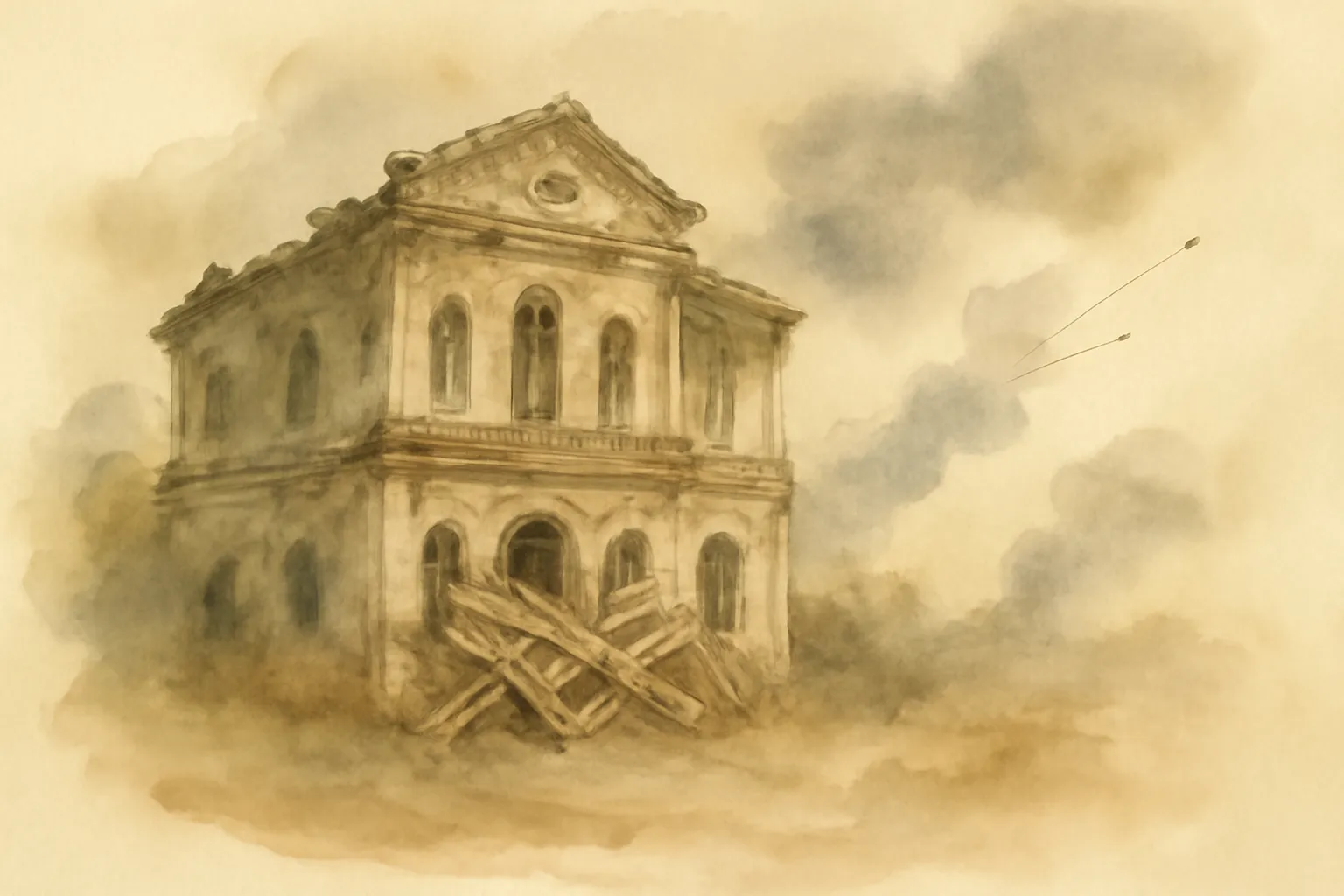
Farrell’s novel is a sharp critique of British imperialism, exposing the arrogance, ignorance, and self-delusion of colonial officials. The residents of Krishnapur cling to their rituals and social hierarchies even as their world collapses, revealing the fragility of their supposed superiority. The book lampoons the absurdities of colonial rule, from the obsession with etiquette to the blind faith in technological progress, all while the reality of the siege grows more desperate.
2.The Collapse of Certainty
As the siege drags on, the certainties of Victorian society—progress, reason, and moral order—are systematically dismantled. Farrell explores how extreme crisis exposes the limits of ideology: science, religion, and class distinctions all come under pressure. The characters’ faith in their own civilization is tested, often to the point of breakdown, forcing them to confront uncomfortable truths about themselves and their values.
3.Survival and Adaptation
The novel is as much about physical survival as psychological adaptation. Characters are forced to abandon comforts and adapt to deprivation, disease, and violence. Some rise to the occasion, discovering unexpected resilience or compassion, while others disintegrate into denial or madness. Farrell uses these transformations to probe what remains when social structures collapse and whether dignity can persist amid chaos.
4.Irony and Dark Comedy
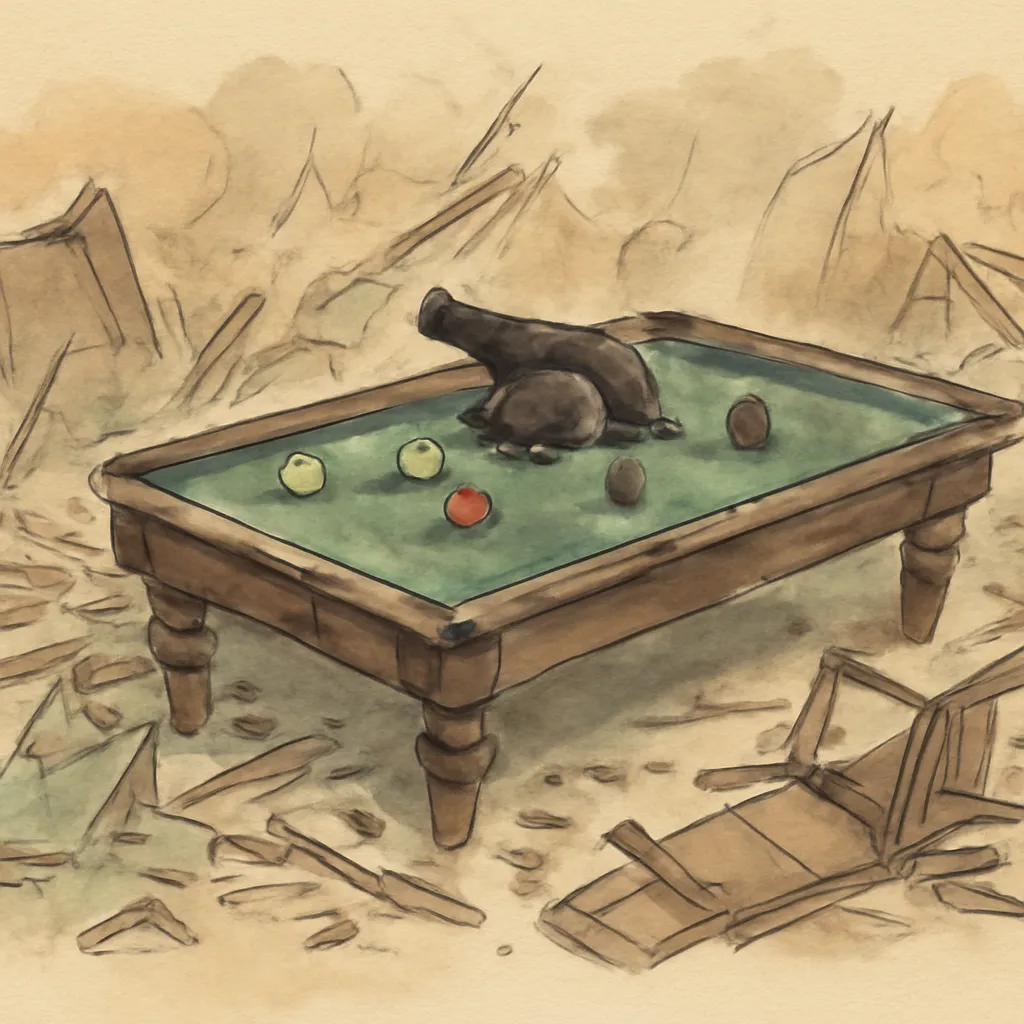
Farrell’s tone is laced with irony and dark humor, highlighting the absurdity of the British response to crisis. Moments of tragedy are undercut by comic detail—such as the use of porcelain and billiard balls as ammunition—emphasizing the gulf between the residents’ self-image and their actual predicament. This blend of comedy and catastrophe makes the novel both entertaining and unsettling.
5.Historical Reflection and Modern Resonance
While rooted in the specific context of the 1857 Indian Mutiny, the novel’s themes resonate beyond its setting. Farrell invites readers to reflect on the nature of power, cultural blindness, and the dangers of unquestioned belief systems. The story serves as a cautionary tale about the costs of imperial arrogance and the unpredictability of history.
6.Humanity Amidst Crisis
Despite its satirical edge, the novel is deeply attentive to the human experience of crisis. Farrell portrays suffering, courage, and even moments of grace among the besieged, refusing to reduce his characters to mere caricatures. The result is a nuanced exploration of how individuals and communities respond to existential threat.