1.Roots of a Book-Hunter
Born in 1809 in Aberdeen, John Hill Burton's upbringing in a modest environment played a crucial role in shaping his character and aspirations. Known as 'the last of the Gallowgate bairns,' Burton's childhood in a working-class area was marked by a blend of humble beginnings and familial connections to the land through his mother’s family, the Patons of Grandholm. His father, a military man turned volunteer due to the Napoleonic threat, instilled a sense of duty and resilience in Burton. This early exposure to hardship and the necessity of education would later fuel his ambition to transcend his origins and engage with the world of literature and history. The stark contrast between his early life and his later achievements highlights the transformative power of education and the written word. Burton's identity as a 'bairn' from the Gallowgate became a point of pride, instilling in him a sense of authenticity and relatability that defined his literary voice.
2.Navigating Early Education
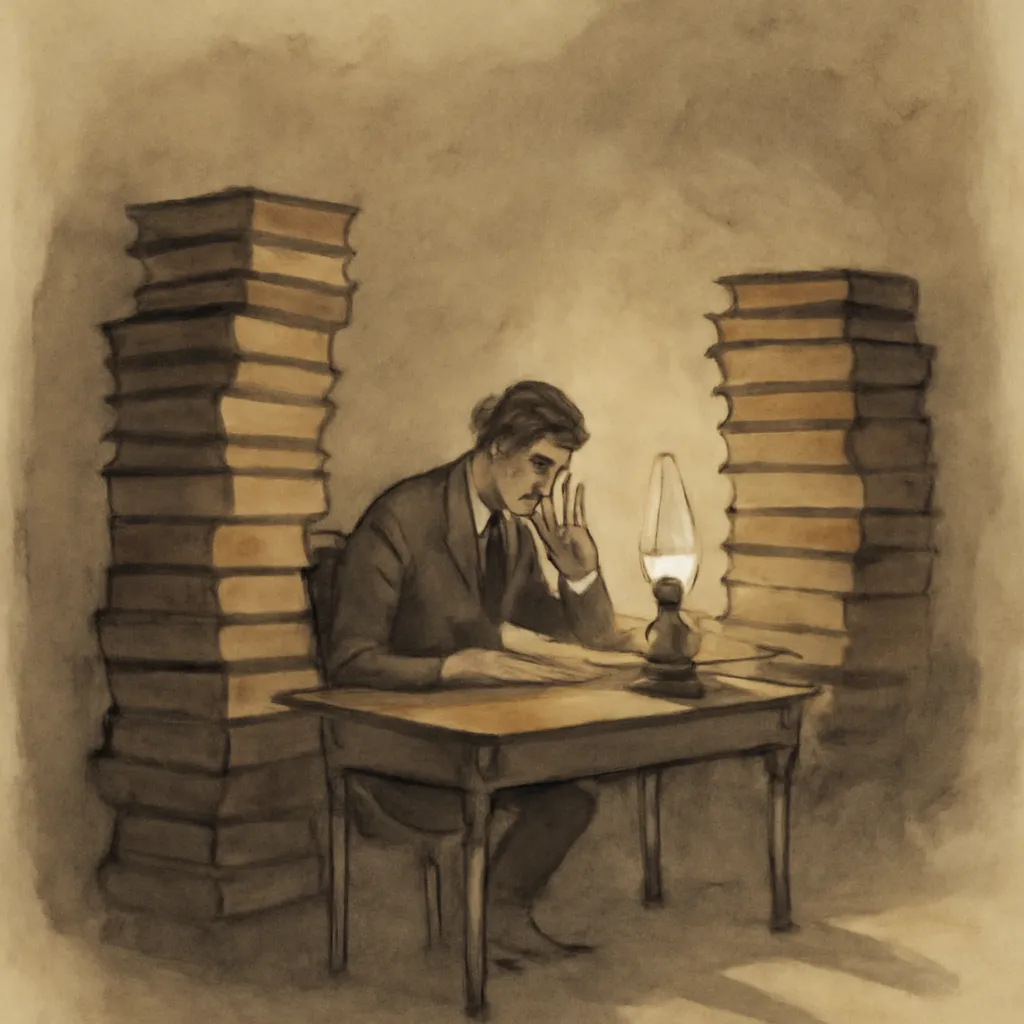
Burton's academic journey was fraught with challenges, particularly during his apprenticeship in a lawyer's office where he struggled to adapt to the rigid structure of office life. This period was described as one of the most painful phases of his early life, marked by a sense of idleness and dissatisfaction. A pivotal moment came when a letter from his grandfather chastised his mother for his lack of direction, serving as a catalyst for Burton's determination to prove himself. The pressure to conform to societal expectations of success in the legal profession clashed with his innate desire for literary pursuits, ultimately leading him to abandon his apprenticeship and seek a path more aligned with his interests. This decision was not just a rejection of a conventional career but a declaration of his commitment to intellectual freedom. His subsequent move to Edinburgh opened new horizons, where he encountered a vibrant intellectual community that would nurture his budding literary ambitions and transform his life.
3.The Rise of a Literary Career

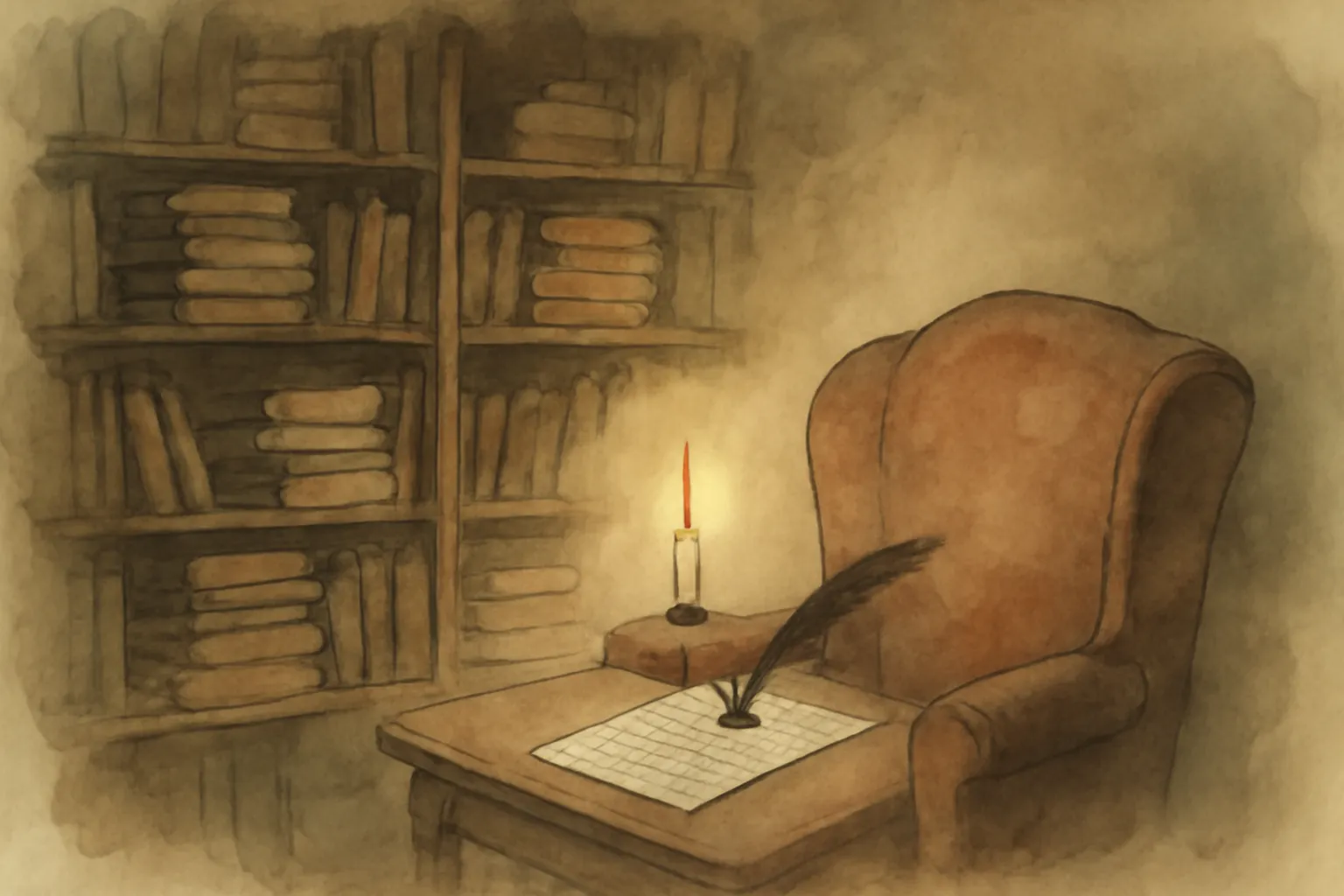
Burton’s transition from law to literature marked the beginning of a prolific and dynamic career. His relentless work ethic became apparent as he prepared for his Civil Law trial, famously foregoing sleep for weeks, fueled only by tea and coffee. This dedication led to his successful qualification as an Advocate, though he never fully embraced a legal career. Instead, the necessity of financial stability propelled him into the world of literary publication. His early writings reflected a deep engagement with political economy and Scottish history, showcasing not only his intellectual prowess but also his desire to contribute meaningfully to society. This phase of his life exemplifies how personal ambition can intertwine with the broader cultural and intellectual currents of the time. Burton's ability to produce significant works under pressure demonstrated the resilience of his character and his commitment to the craft of writing, reinforcing the idea that literary success often arises from perseverance through adversity.
4.Personal Loss and Literary Output
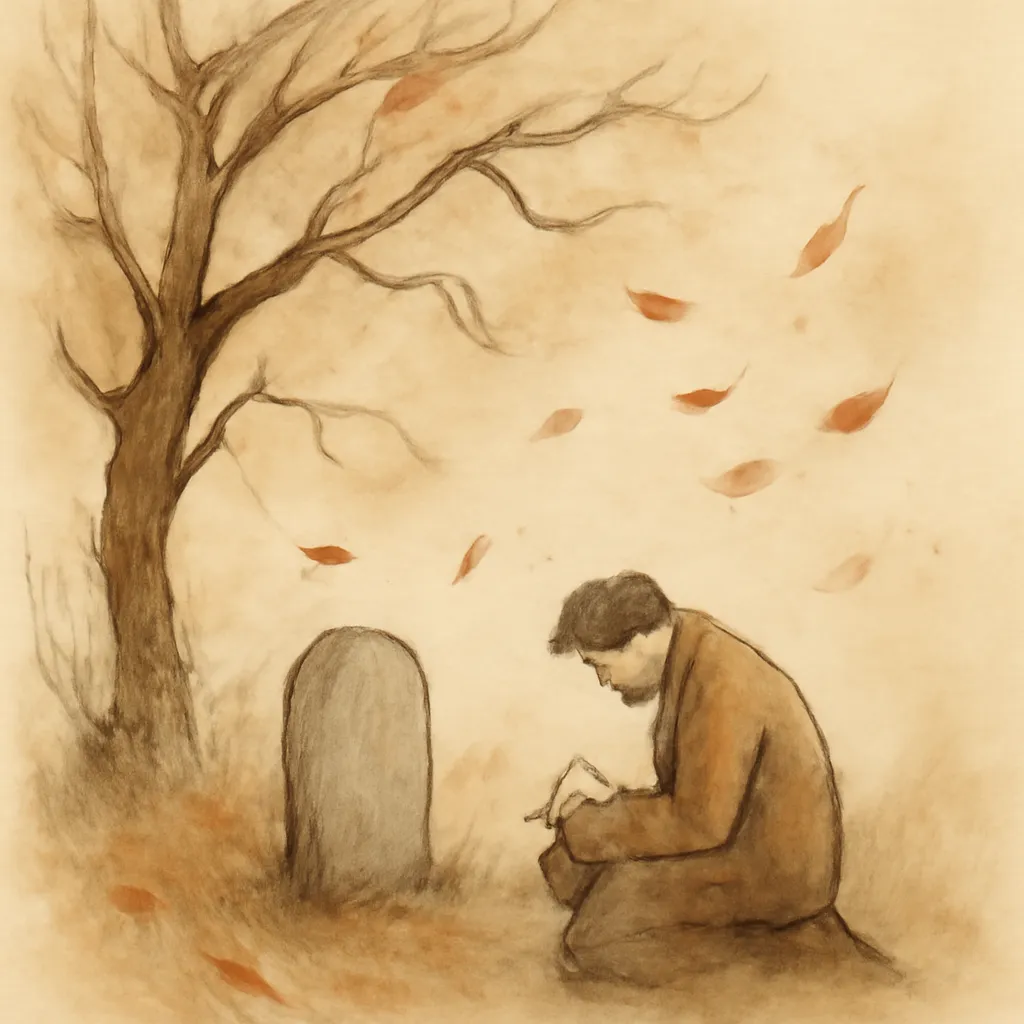
Burton's personal life was marked by significant trials, including the death of his first wife shortly after their marriage. This loss profoundly impacted him, yet it also served as a catalyst for his literary output during a period of mourning. While coping with grief, he continued to write and publish, demonstrating the therapeutic power of literature as a means of processing personal tragedy. His subsequent marriage brought new dynamics into his life, yet the shadow of loss remained a recurring theme in his work. Burton's ability to channel his emotional experiences into his writing not only enriched his literary contributions but also connected him to readers who found solace in shared human experiences of love and loss. His reflections on grief and resilience resonate throughout his writing, inviting readers to explore the complexities of life’s emotional landscape.
5.Official Duties and Literary Contributions
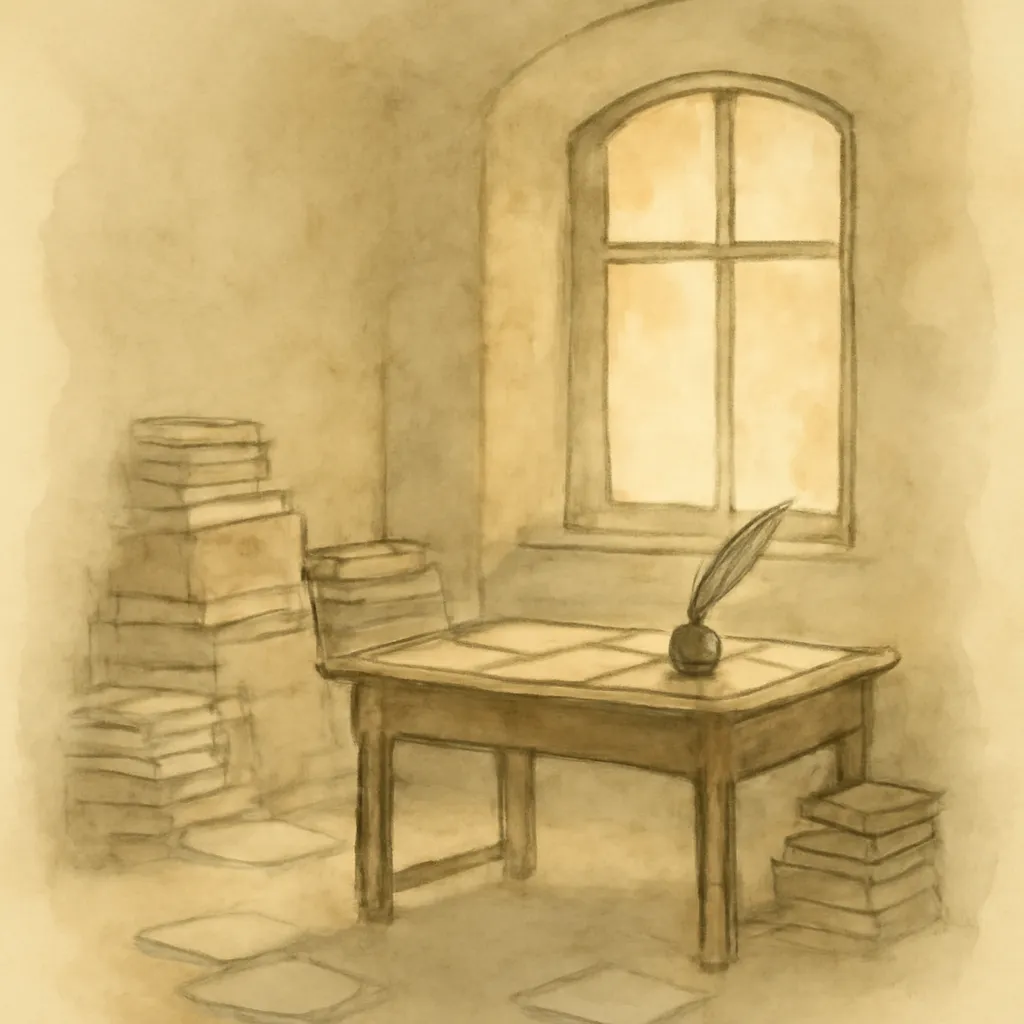
In 1854, Burton was appointed Secretary to the Prison Board, a role that provided him with financial security and more time to devote to his writing. This transition marked a significant turning point, as he could now focus on his literary pursuits without the constant pressure of earning a living. His work in this role was characterized by a blend of administrative responsibilities and a commitment to reforming the penal system. As he managed the operations of prisons, he also continued to write, producing significant works that reflected his evolving understanding of justice and society. The interplay between his official duties and literary endeavors illustrates how public service can inform and enhance creative expression, providing a rich context for intellectual exploration. His reports and writings during this time revealed a deep concern for humane treatment of prisoners, emphasizing his belief in the potential for rehabilitation and the importance of social justice.
6.The Craighouse Years
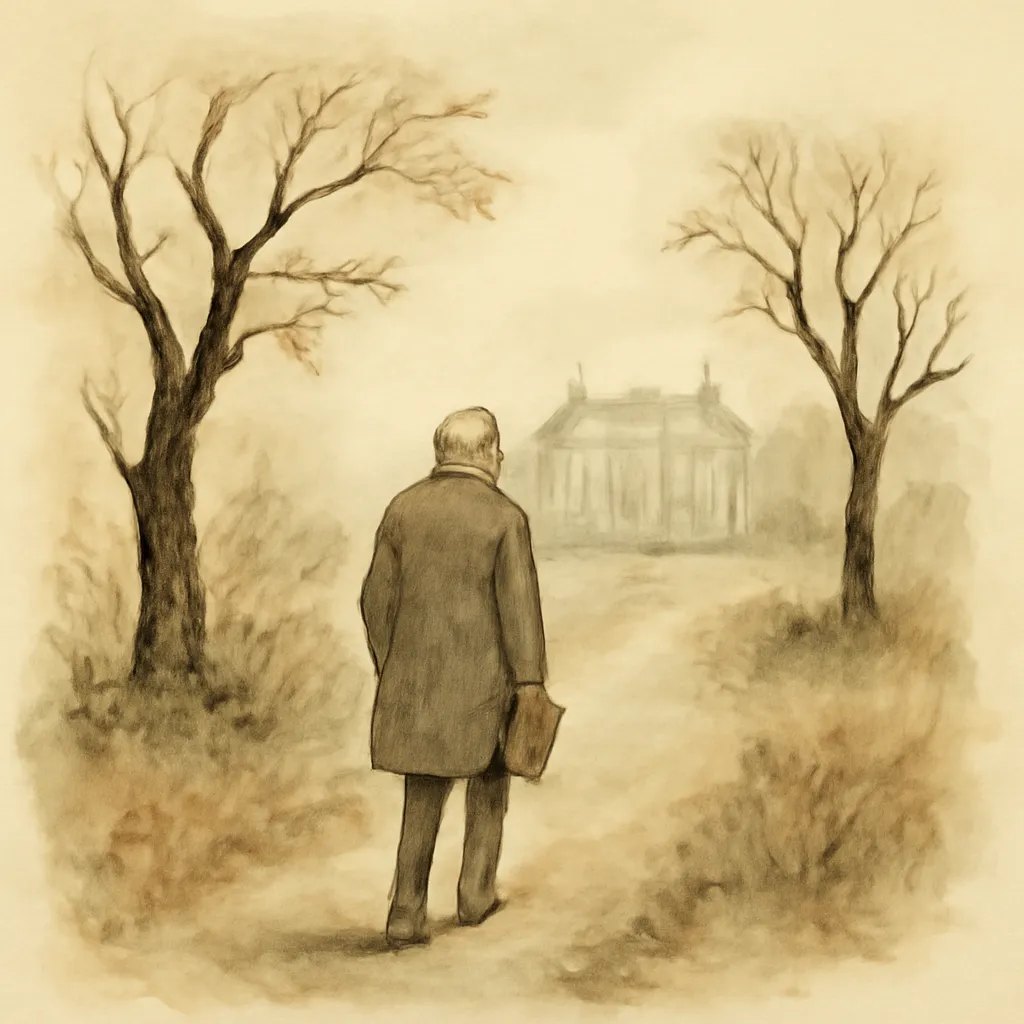
The years spent at Craighouse were marked by a flourishing of both family life and literary productivity. Burton's daily routine involved managing his official responsibilities while nurturing his literary projects, including his ambitious 'History of Scotland.' This period was characterized by a balance between his professional obligations and his passion for writing, as he often walked to his office with a sense of purpose that connected him to both his work and his community. His home life was filled with the joys and challenges of raising children while pursuing intellectual endeavors, illustrating the complexities of balancing personal and professional commitments. The environment of Craighouse, with its picturesque setting, served as a source of inspiration for Burton, allowing him to engage deeply in his studies and reflections. This duality is a testament to how domestic life can both inspire and complicate the life of a writer, revealing the interconnected nature of personal and creative pursuits.
7.Resilience in the Face of Change
As Burton faced illness and the eventual sale of Craighouse, he demonstrated remarkable resilience and adaptability. After a severe bout of bronchitis, he resigned from his position but remained engaged with literary projects, reflecting his tenacity in the face of adversity. The decision to sell his beloved library, a collection he had painstakingly curated over the years, marked a poignant moment in his life. Despite resistance from family and friends, he viewed the sale as a necessary step towards simplifying his life and moving forward. This period of transition underscores the importance of letting go of the past to embrace new opportunities and challenges, a lesson that resonates deeply in the narrative of his life. Burton's reflections during this tumultuous time reveal a profound understanding of the impermanence of material possessions and the enduring value of intellectual engagement over physical collections.
8.The Legacy of a Book-Hunter
Burton’s legacy as a book-hunter is intricately tied to his belief in the transformative power of literature. His extensive writings, including the comprehensive 'History of Scotland,' reflect a deep commitment to understanding the past and its implications for the present and future. His experiences as a collector of books also served as a metaphor for his broader intellectual pursuits, emphasizing the importance of curiosity and the quest for knowledge. Burton's life story illustrates how the act of collecting books transcends mere acquisition; it becomes a journey of self-discovery and enlightenment. Through his work and personal narrative, he inspires others to engage deeply with literature and history, fostering a culture of inquiry and reflection. The notion of being a 'book-hunter' thus symbolizes a lifelong pursuit of wisdom and understanding, encouraging readers to cultivate their own intellectual curiosities.
9.Reflections on Mortality
In his later years, Burton grappled with mortality, culminating in reflections on his life’s work and legacy. The completion of his historical writings, particularly 'The History of the Reign of Queen Anne,' was both a significant achievement and a moment of introspection. As he faced illness and the realities of aging, he contemplated the impact of his contributions to literature and history. This period was characterized by a sense of urgency to preserve his thoughts and insights, as he navigated the challenges of health and the inevitability of death. Burton's reflections serve as a reminder of the importance of leaving behind a meaningful legacy, one that resonates with future generations and continues to inspire intellectual curiosity. His approach to mortality was not one of despair but rather a call to embrace life fully, making the most of every moment through the written word.
10.A Life Celebrated and Remembered
Burton's life concluded with a focus on his relationships and the connections he forged throughout his journey. His funeral and burial at Dalmeny marked a poignant moment of closure, not only for himself but for those who loved and respected him. The tributes paid to him reflect the profound impact he had on his community and the literary world. His story is a celebration of a life dedicated to the pursuit of knowledge, the love of literature, and the importance of human connections. As readers engage with his memoir, they are invited to reflect on their own journeys, the legacies they wish to leave, and the enduring power of the written word. Burton’s life exemplifies the idea that a passionate engagement with literature can create ripples that extend far beyond one's lifetime, inspiring future generations to embrace the quest for knowledge.