1.The Heroic Foundation of Empire
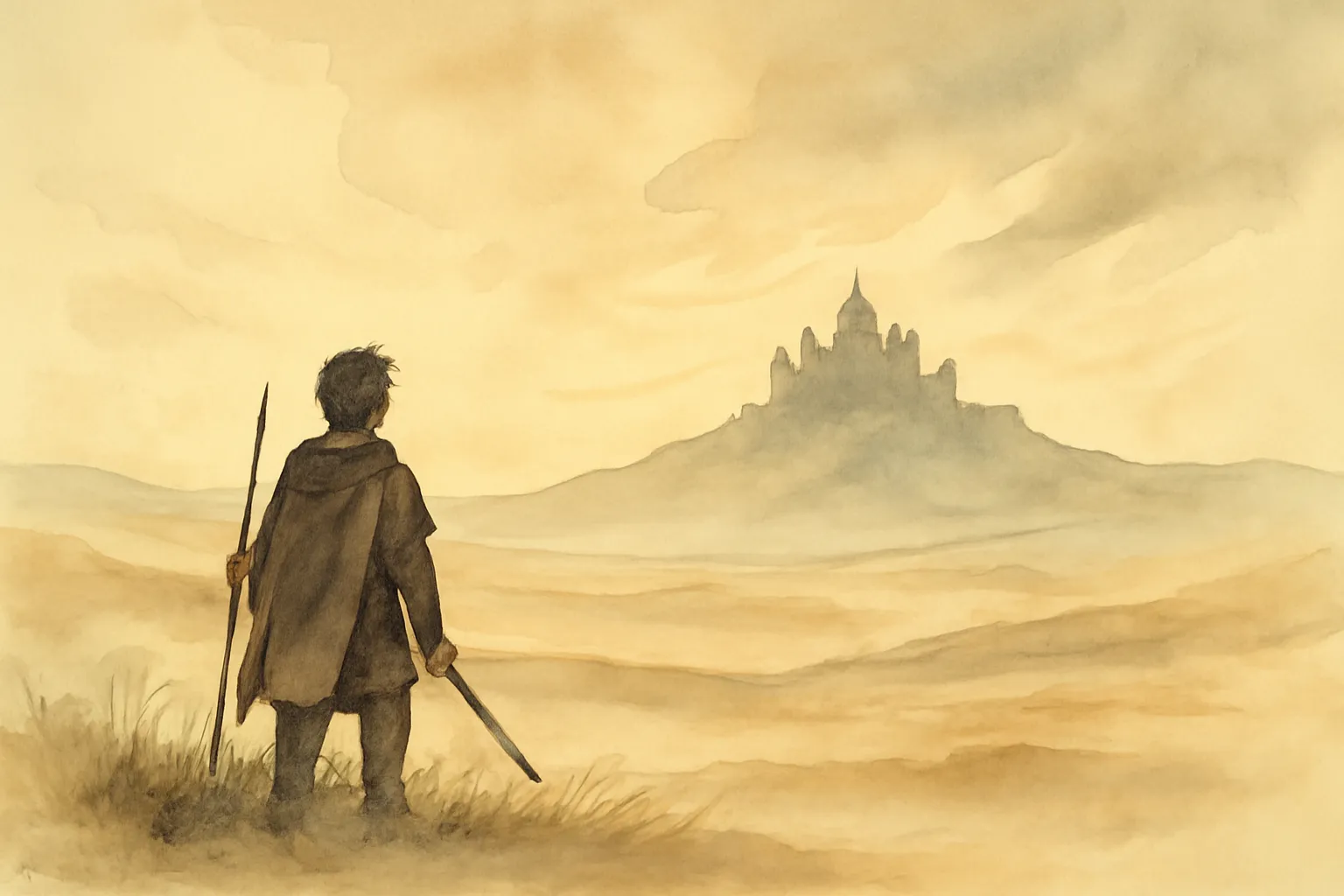
At its heart, the book dramatizes the legendary exploits of Ardashir, who overcomes adversity to establish a new Persian dynasty. His journey from humble origins to imperial founder is not just a personal triumph but a model for legitimate rule. The narrative uses Ardashir’s story to explore how empires are born from the vision, virtue, and tenacity of exceptional individuals. This foundation myth reinforces the idea that rightful kingship is earned through struggle and wisdom, not inherited by mere chance.
2.Kingship as Moral Responsibility
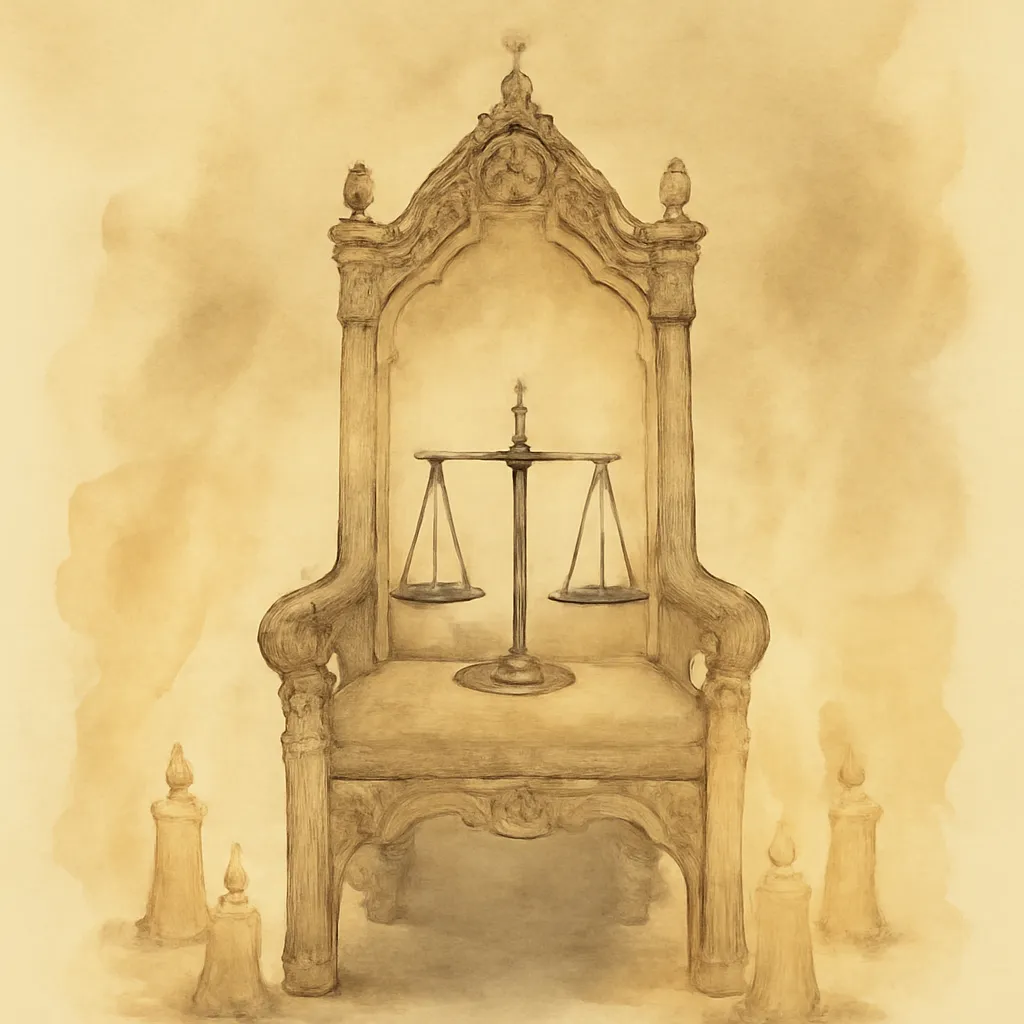
The text repeatedly highlights the ethical dimension of kingship. Ardashir is portrayed as a ruler who must balance justice, piety, and strength. The book’s episodes serve as parables, warning of the dangers of tyranny and the necessity of ruling with fairness and divine favor. This focus on the ruler’s moral obligations reflects broader Persian and Zoroastrian ideals, making the book a guide for both rulers and subjects on the proper exercise of power.
3.The Interplay of Fate and Agency
While Ardashir’s destiny seems preordained, the narrative emphasizes his active role in shaping events. Prophecies and omens abound, but it is Ardashir’s courage, intelligence, and resourcefulness that bring them to fruition. This tension between fate and agency invites readers to reflect on the limits and possibilities of human action within a divinely ordered world.
4.The Role of Counsel and Wisdom
Throughout the book, Ardashir seeks and heeds wise advice, whether from sages, priests, or loyal companions. The narrative thus underscores the importance of counsel, deliberation, and learning in governance. This theme elevates the value of wisdom traditions and collective decision-making, suggesting that no ruler, however gifted, succeeds alone.
5.Myth, History, and Cultural Identity
As both legend and quasi-historical chronicle, the book blurs the lines between fact and fiction. Its stories are not just entertainment; they serve to define Persian identity and legitimize the Sasanian dynasty’s place in history. The blending of mythic elements with historical events reflects the way societies remember and reinterpret their past to serve present needs.
6.Endurance of Persian Narrative Traditions
The Book of the Deeds of Ardashir draws from and contributes to a long tradition of Persian storytelling, influencing later works like the Shahnameh. Its motifs—heroic quests, wise rulers, cosmic struggles—resonate through centuries of Persian and Islamic literature, demonstrating the enduring power of these archetypes.