1.The Ladder of Causation
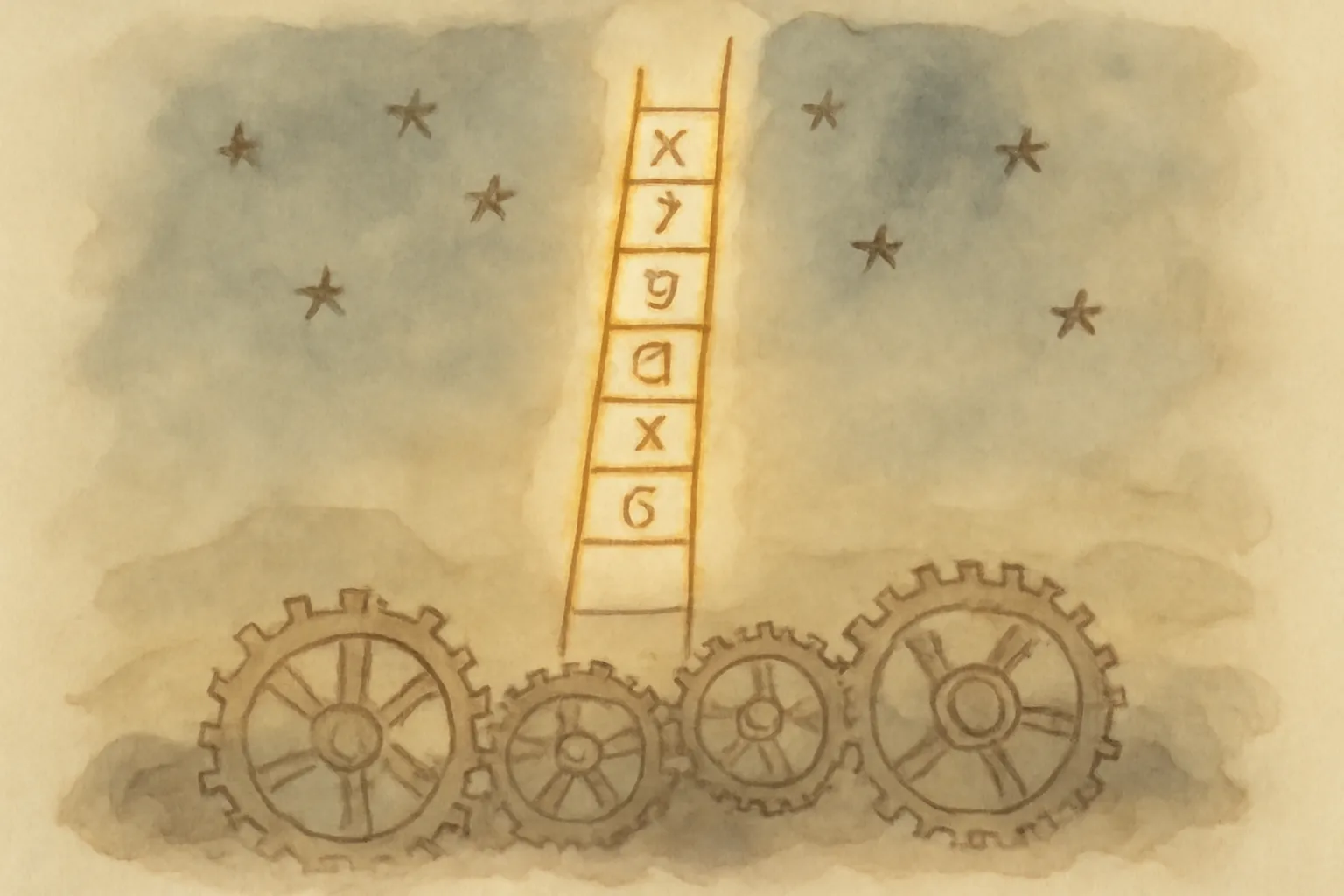
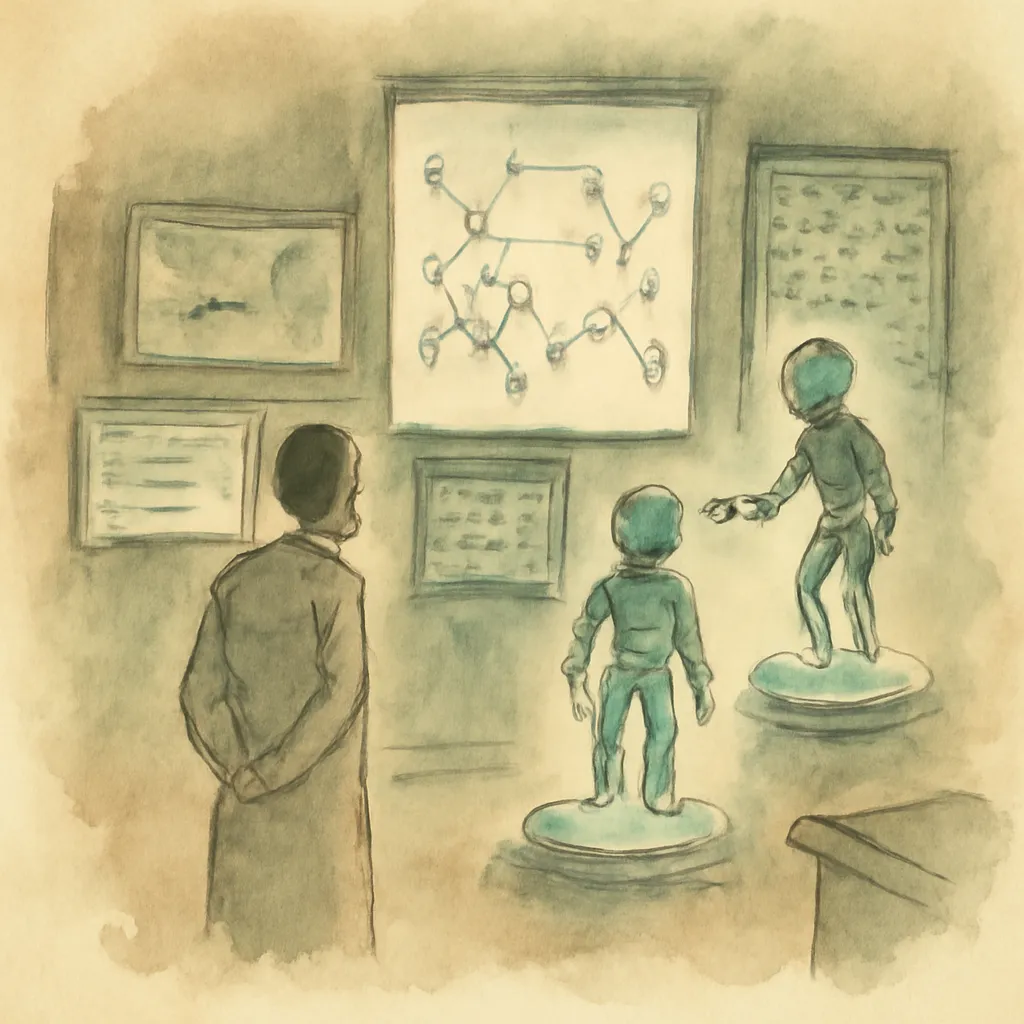
Pearl introduces the 'ladder of causation,' a hierarchy that distinguishes between three levels of reasoning: association (seeing patterns), intervention (changing things to see what happens), and counterfactuals (imagining what would have happened). Most traditional statistics operate only at the first level, but true causal understanding requires climbing higher, especially to the counterfactual level, which is essential for human reasoning and advanced AI.
2.Causal Diagrams and Graphical Models
A core innovation is the use of directed acyclic graphs (DAGs) to visually and mathematically represent causal relationships. These diagrams clarify assumptions, reveal hidden confounders, and provide a language for expressing complex causal questions. Pearl argues that without such models, scientists are often blind to the real structure of problems and can be misled by mere correlations.
3.From Correlation to Causation
The book challenges the dogma that we can never infer causality from data alone. Pearl shows how, with the right models and assumptions, we can move from observing associations to making legitimate causal claims. This leap is not just philosophical—it has practical consequences for policy, medicine, and technology.
4.Counterfactuals: The Heart of Causal Reasoning
Counterfactuals—'what if' questions—are at the center of how humans think about cause and effect. Pearl demonstrates that formalizing counterfactual reasoning is not only possible but necessary for tasks like diagnosing why a patient recovered or predicting the effects of an untried policy. This capacity is also a crucial missing piece in current artificial intelligence.
5.Implications for Science and Artificial Intelligence
Pearl argues that the causal revolution will have a profound impact on scientific discovery and the future of AI. By equipping machines with the tools to reason about interventions and alternate realities, we can move toward truly intelligent systems. This shift also empowers scientists in fields like epidemiology, economics, and social science to answer questions that were previously off-limits.
6.The End of the Causal Taboo
For decades, scientists were discouraged from making causal claims, relying instead on statistical associations. Pearl's work breaks this taboo, offering a rigorous framework for causal inference and encouraging a new era of bold, testable causal questions. This change is both philosophical and methodological, opening new avenues for understanding and progress.