1.The Power of Words
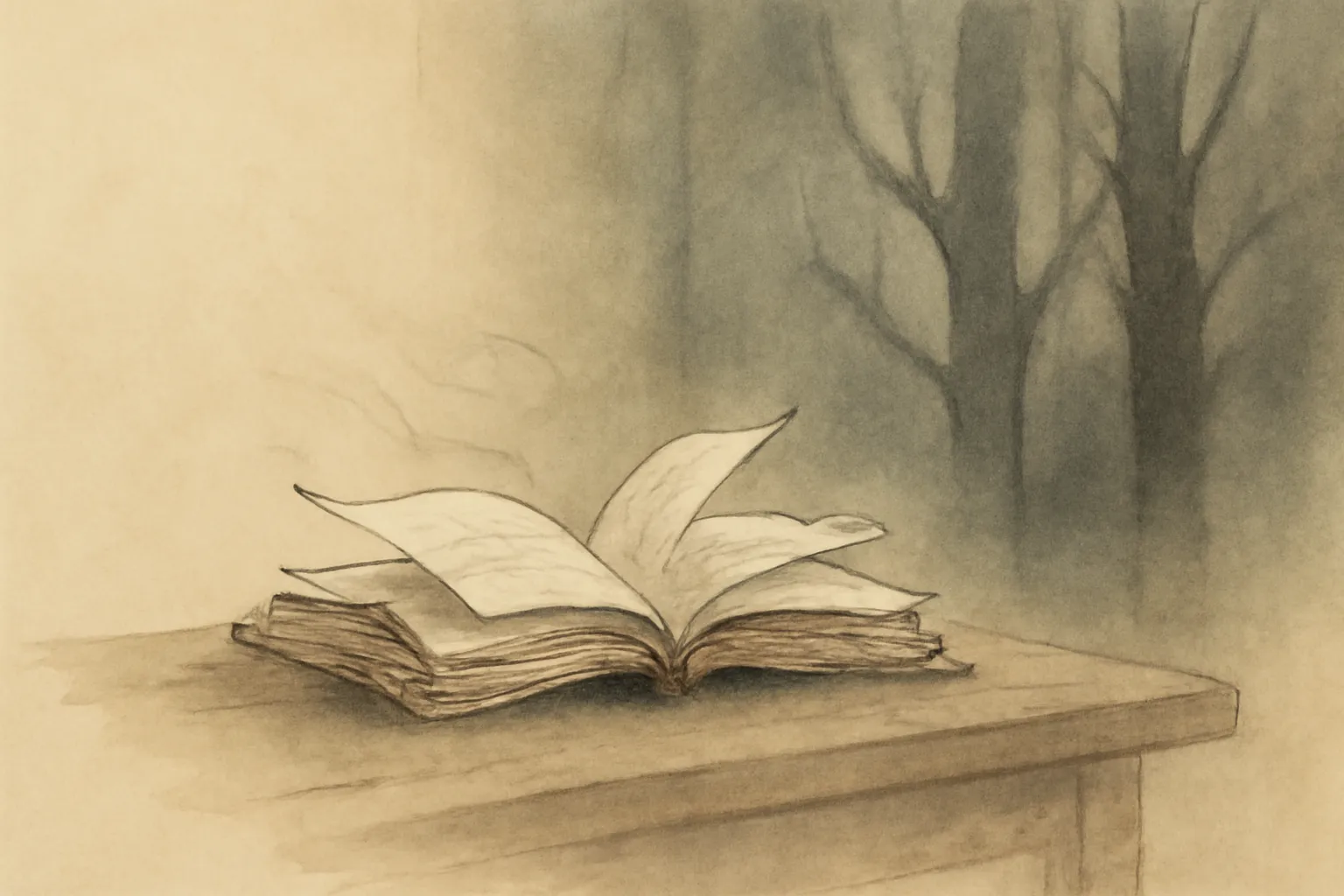
Central to The Book Thief is the idea that words possess immense power—to heal, to hurt, to inspire, and to destroy. Liesel’s journey from illiteracy to becoming a voracious reader and storyteller mirrors the larger battle over propaganda and truth in Nazi Germany. Books become her refuge, a way to connect with others, and a subtle act of resistance. Zusak shows that language can be both weaponized for evil and wielded for compassion, making readers reflect on their own relationship to words.
2.Death as a Narrator
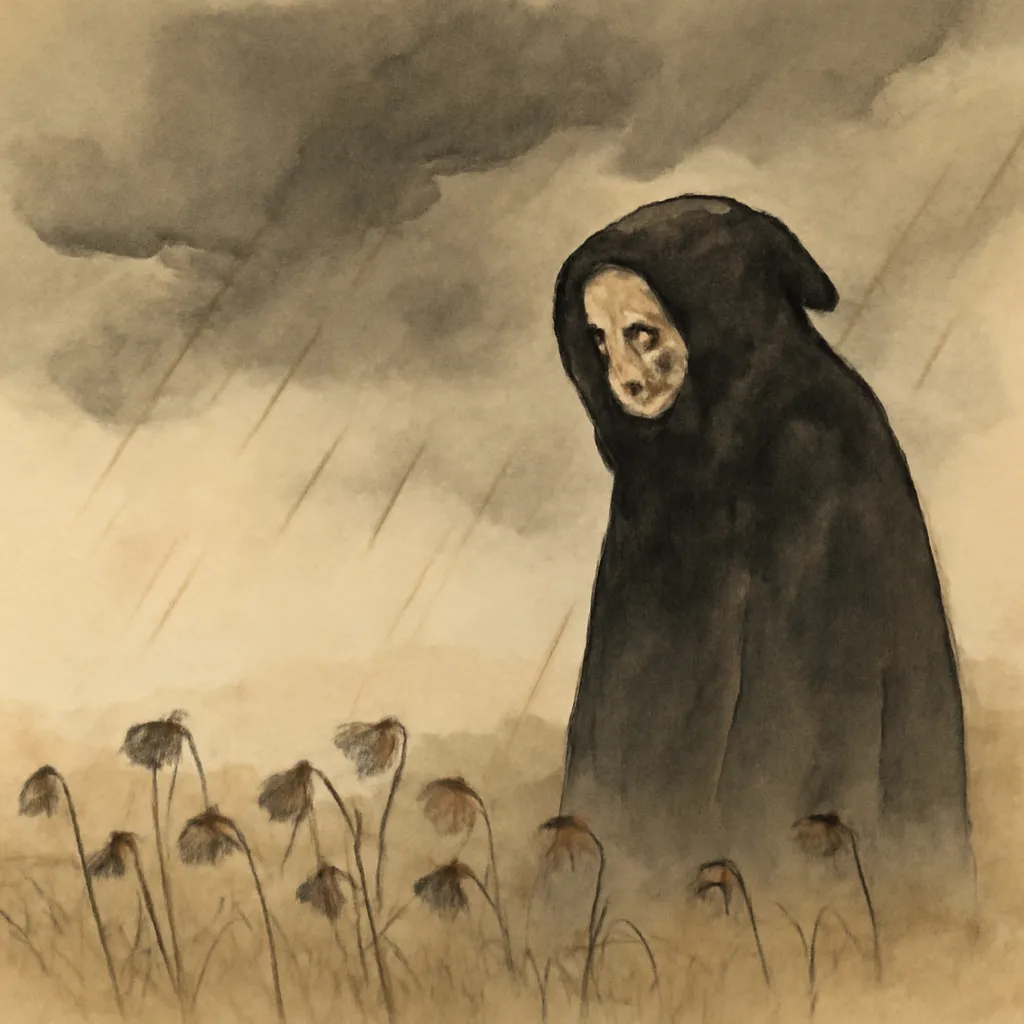
By choosing Death as the story’s narrator, Zusak offers a fresh, philosophical lens on mortality and suffering. Death is not monstrous but weary and compassionate, providing a detached yet deeply empathetic commentary on human cruelty and kindness. This narrative device allows for both distance and intimacy, prompting readers to contemplate the universality of loss and the small acts of beauty that persist even in catastrophe.
3.The Innocence and Resilience of Childhood
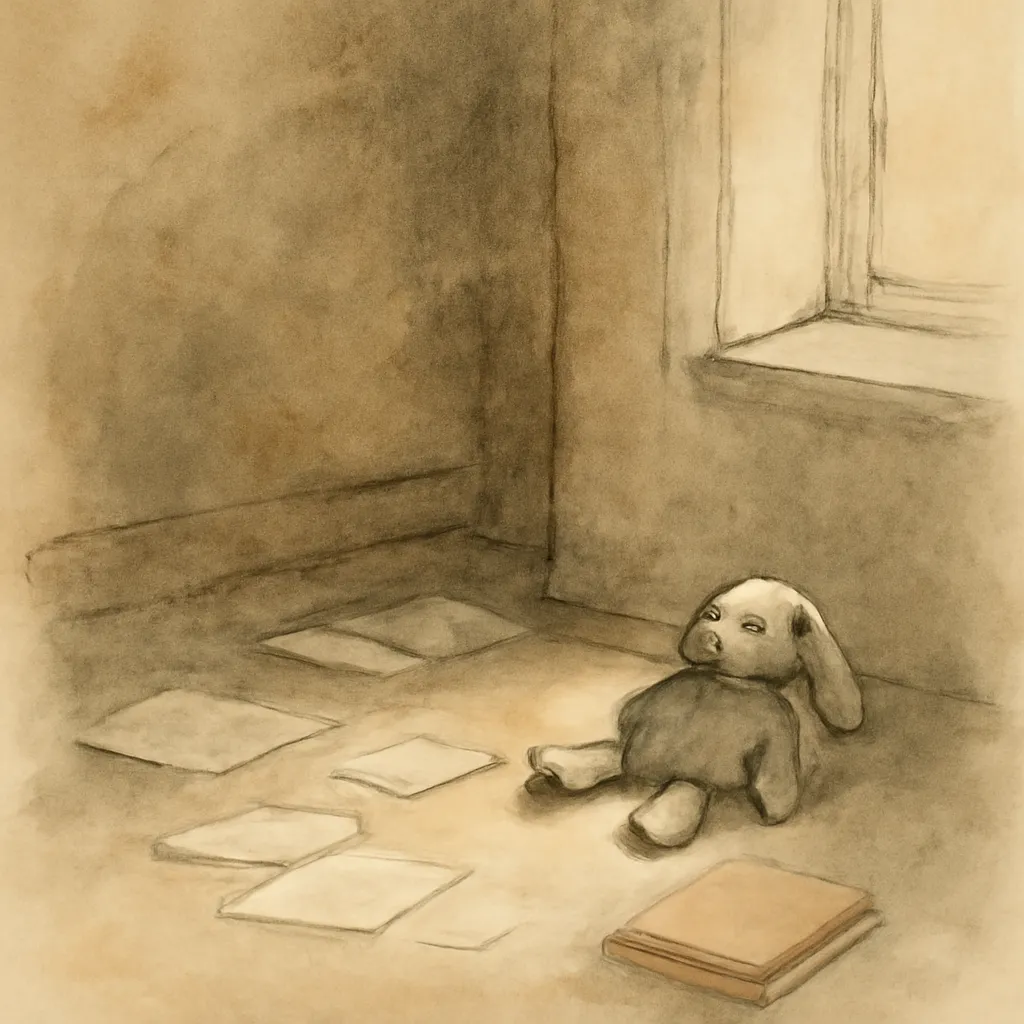
Liesel’s experiences highlight the vulnerability and adaptability of children in times of crisis. Despite trauma, loss, and deprivation, she finds moments of joy, friendship, and discovery. Her relationships—with her foster parents, her friend Rudy, and the hidden Jew Max—underscore the ways in which children can both suffer from and transcend the horrors of their environment, often clinging to hope where adults might not.
4.Acts of Resistance and Humanity
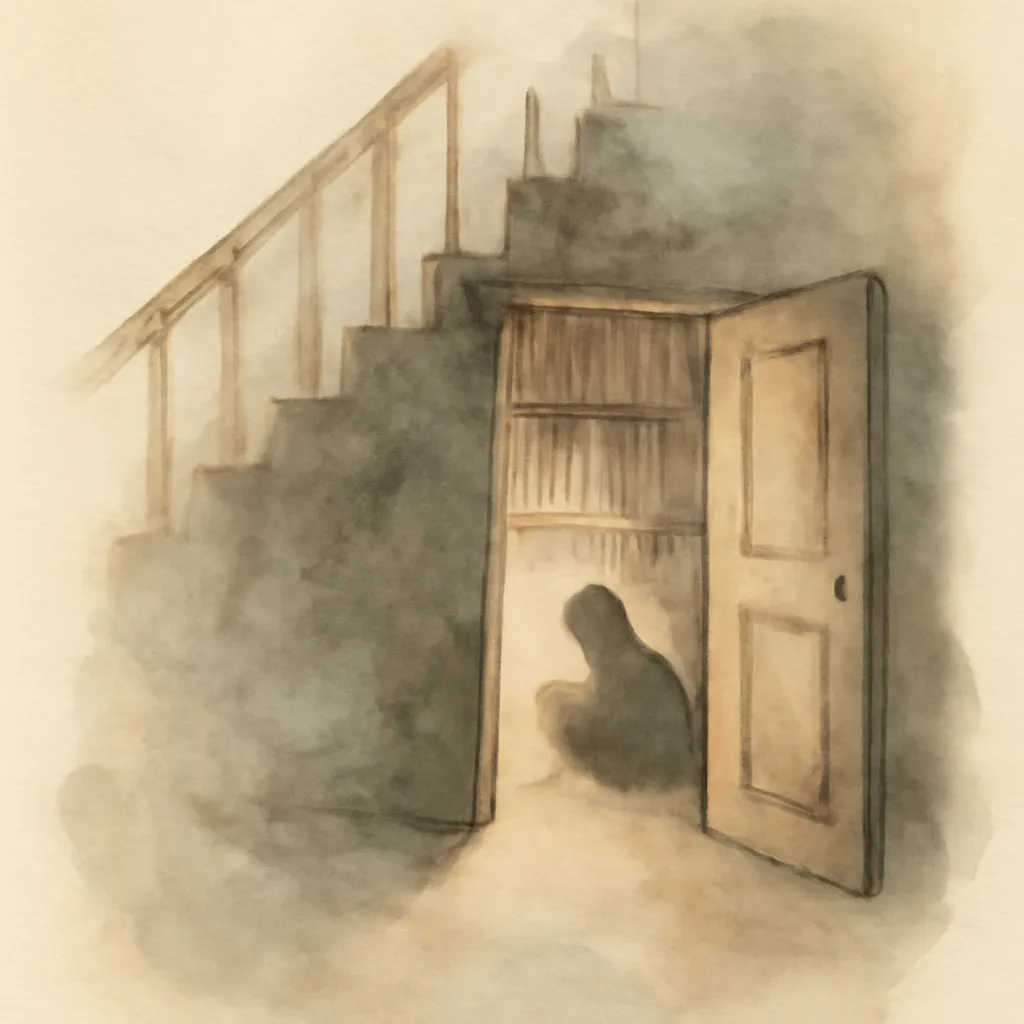
The Book Thief explores the quiet, everyday forms of resistance that ordinary people enact under oppressive regimes. From hiding a Jewish man in the basement to sharing stories during air raids, the characters demonstrate courage not through grand gestures but through small, persistent acts of kindness and solidarity. These moments challenge the narrative of helplessness and show how moral choices persist even in dire circumstances.
5.The Impact of War on Community
Zusak paints a vivid portrait of a German town under siege, capturing both the fear and the solidarity that emerge during wartime. The shared experience of loss, hunger, and danger forges unlikely bonds among neighbors. Yet, the novel also exposes the fractures—betrayal, suspicion, and complicity—that war brings, prompting readers to consider how external pressures shape communal and individual ethics.
6.Memory, Storytelling, and Legacy
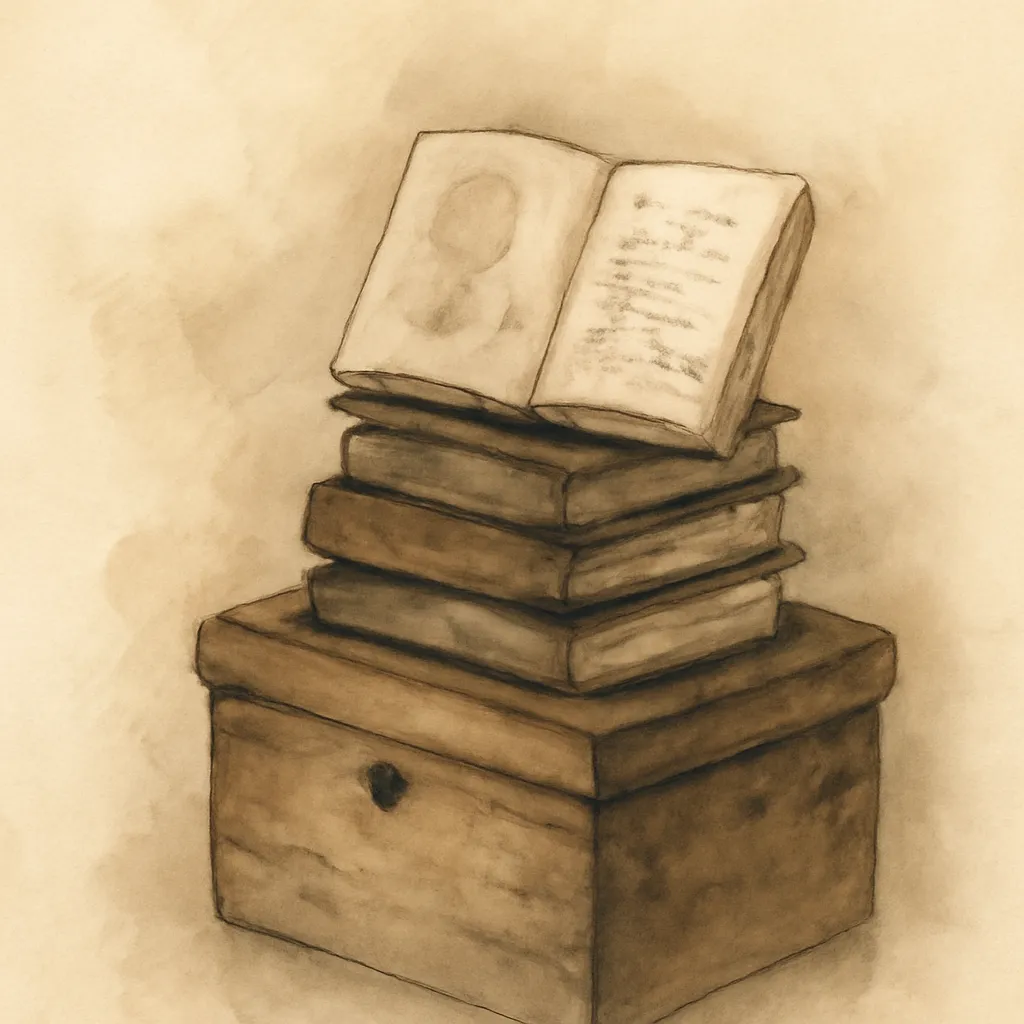
The novel is ultimately about the stories we tell and the memories we keep. Liesel’s stolen books become a chronicle of her life and those around her, preserving voices that might otherwise be lost. Death’s narration emphasizes the importance of bearing witness, suggesting that remembering and retelling are acts of defiance against oblivion and erasure.