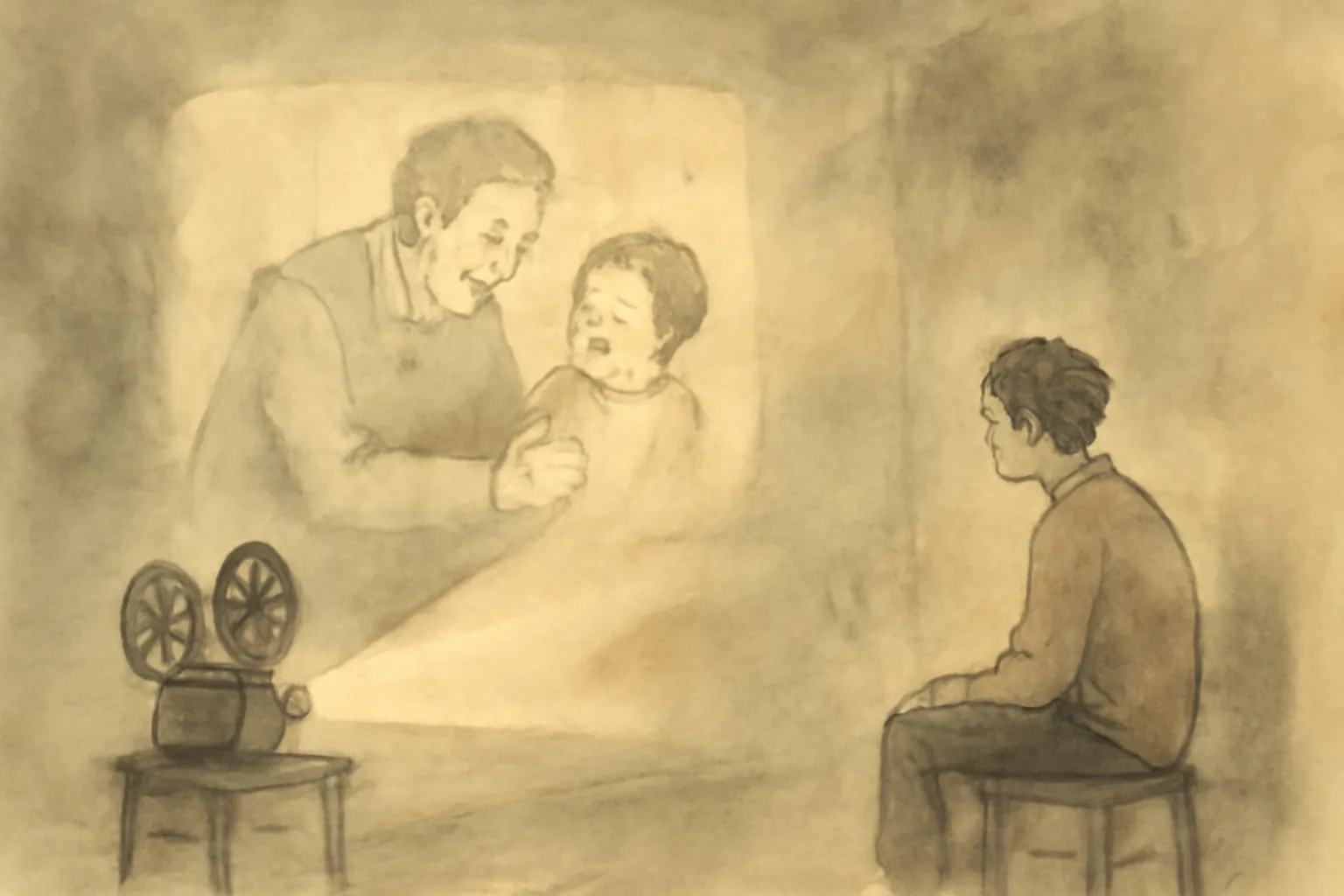
1.The Power of Storytelling
Colin Harper’s journey is fundamentally about the stories we tell ourselves to make sense of the world. By weaving together scenes from movies and snippets of real life, Colin attempts to reconstruct a father he barely knew. This process highlights how narrative—whether factual or fictional—can serve as a coping mechanism, a tool for understanding, and a means of forging identity. The book asks readers to consider the reliability of memory and the seductive allure of myth-making in the face of loss.
2.Masculinity and Role Models
At its core, the novel is a meditation on what it means to be a man, especially when traditional role models are absent or idealized. Colin’s quest to understand his father is also a quest to define manhood for himself. The story interrogates cultural scripts about masculinity, showing how boys inherit, resist, or reinterpret these expectations. Through Colin’s eyes, Barker exposes both the vulnerabilities and the pressures that shape male identity.
3.Blurring Reality and Fantasy
Colin’s imagination is shaped as much by Hollywood as by his own experiences, leading to a constant interplay between fantasy and reality. This blurring is not just a child’s game; it underscores how all of us, at any age, filter our lives through the stories we consume. Barker uses this device to question the boundaries between truth and fiction, and to explore how creative acts can both illuminate and obscure the past.
4.The Legacy of Loss
Loss is a pervasive force in the novel, not just in the literal absence of Colin’s father, but in the emotional gaps that absence creates. The book explores the ripple effects of grief—how it shapes families, how it lingers in everyday life, and how it compels us to seek connection. Barker’s sensitive portrayal of Colin’s longing and confusion makes the process of mourning feel both specific and universal.
5.Coming of Age Through Uncertainty
Colin’s journey is ultimately a coming-of-age story marked by uncertainty rather than clear answers. The narrative resists neat resolutions, instead embracing ambiguity as an essential part of growing up. Barker suggests that maturity involves accepting the limits of what we can know about others—and ourselves—while still finding ways to move forward.