1.The Allure of Flight
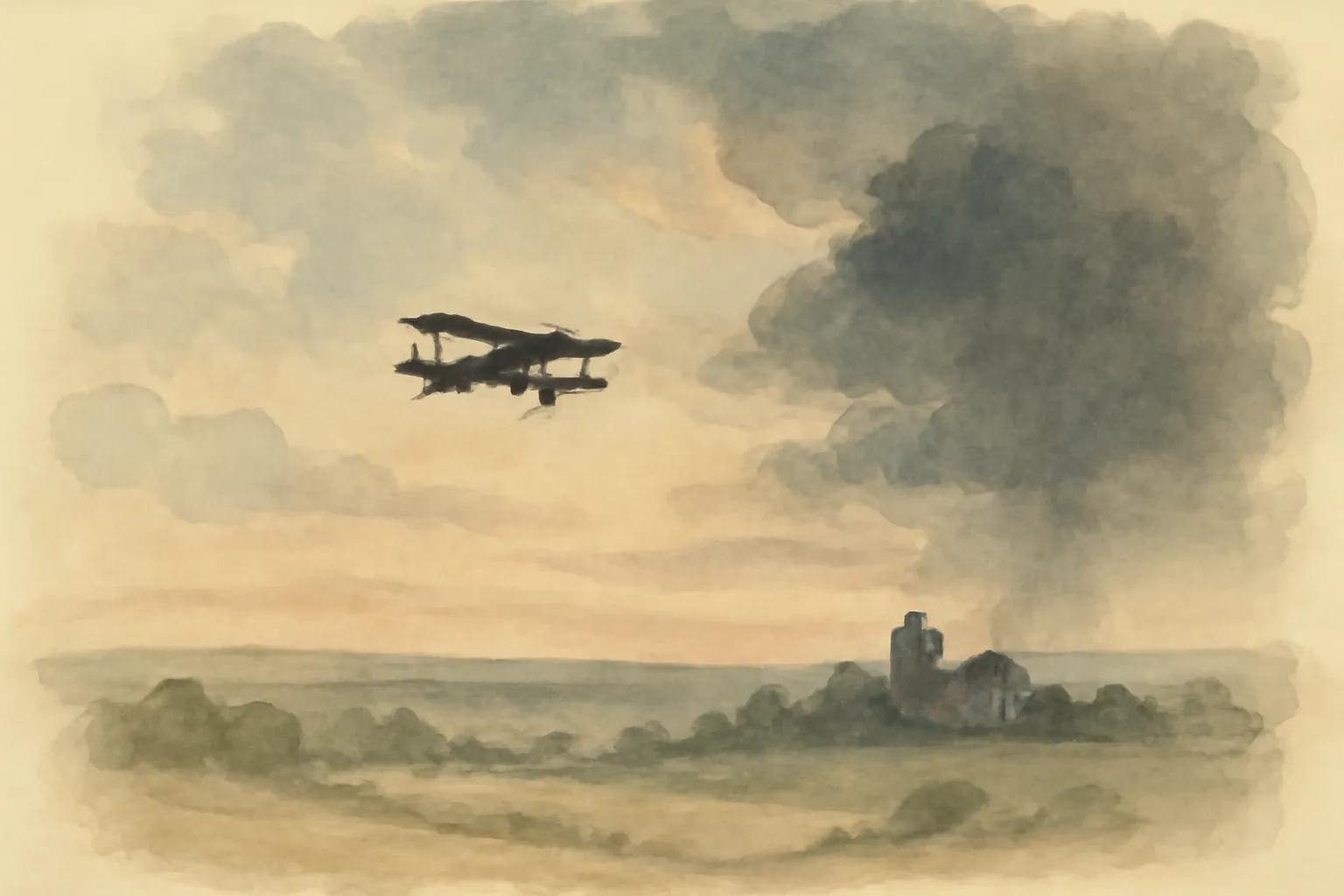
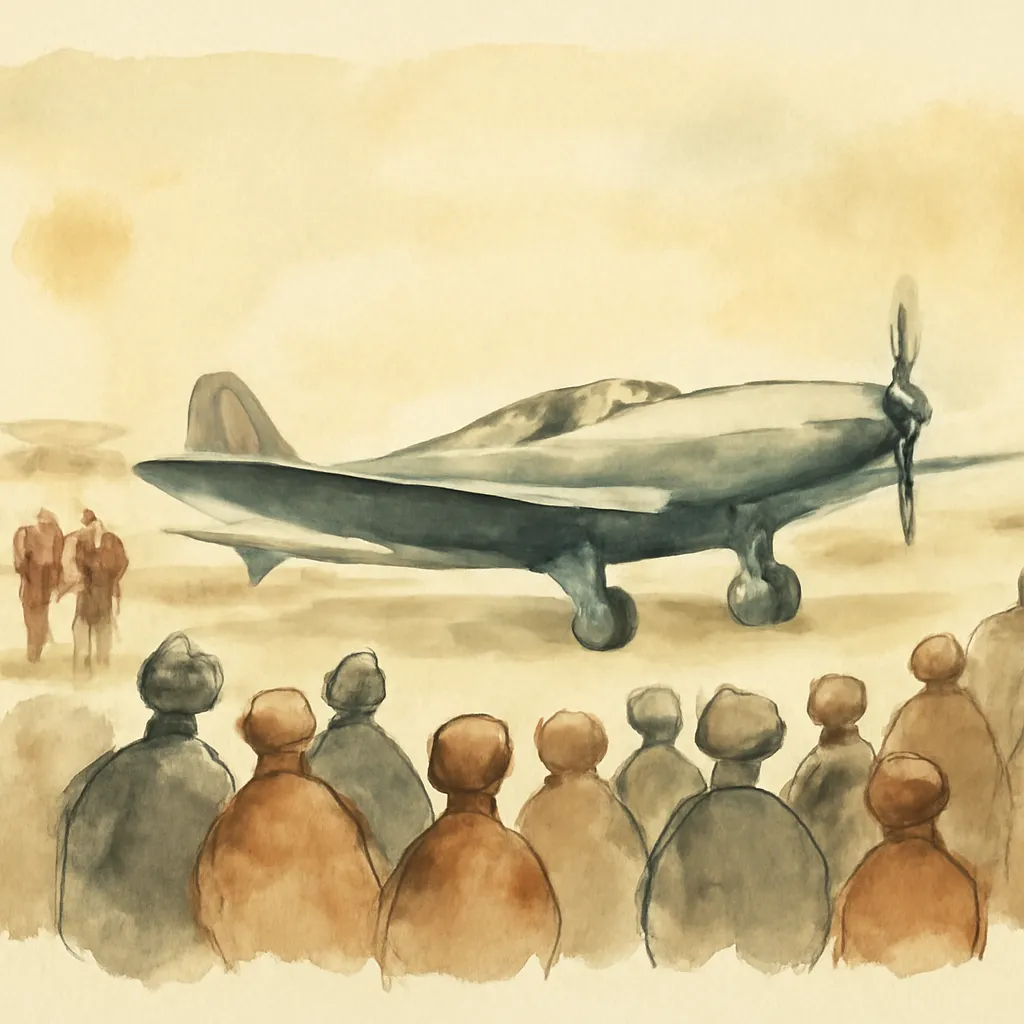
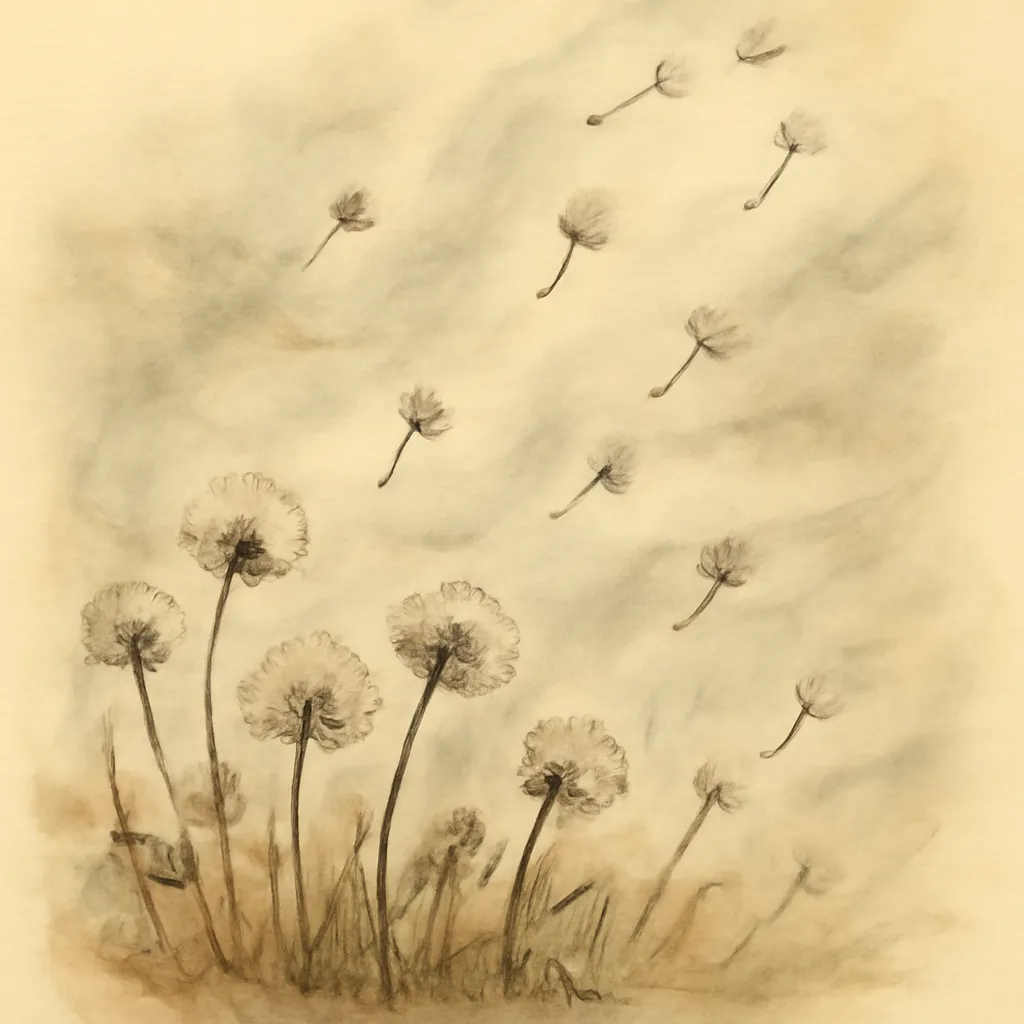
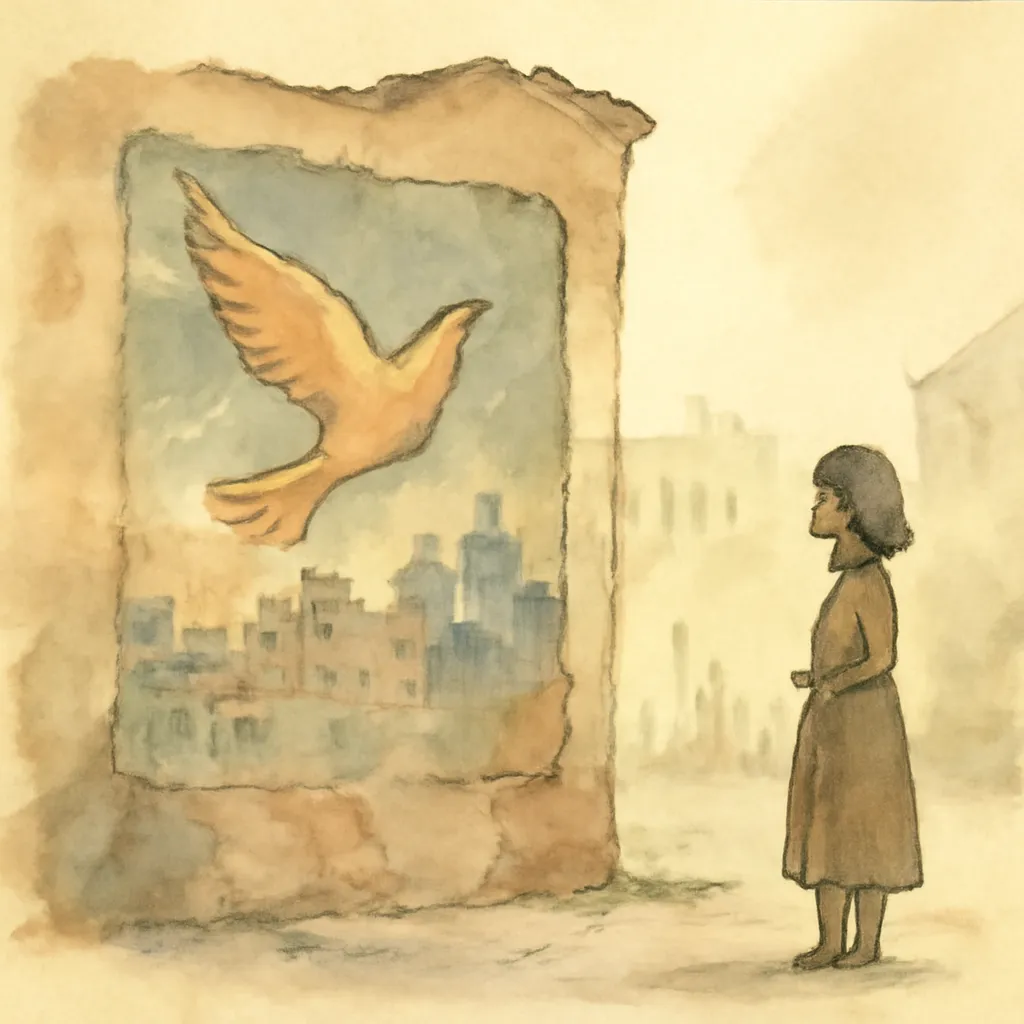
From the very beginning, the theme of flight serves as a powerful metaphor for Gwenna's aspirations and desires. At the aviation ground, surrounded by the excitement of early aviation, Gwenna's longing to soar above the mundane is palpable. Her encounter with Paul Dampier, an airman, ignites her dreams further, as she imagines herself soaring through the skies. This yearning for flight is not merely a whimsical desire but a representation of her quest for freedom and self-identity in a world that constrains her. Ruck vividly captures this sentiment through Gwenna's thoughts and experiences, as she often finds herself daydreaming of the exhilarating rush of being airborne, which contrasts starkly with her day-to-day life as a typist in the workaday world. The flying-machine becomes a symbol of Gwenna's aspirations, representing not just adventure but also a deeper longing for autonomy in a society where women were often relegated to the background.
2.Friendship and Rivalry
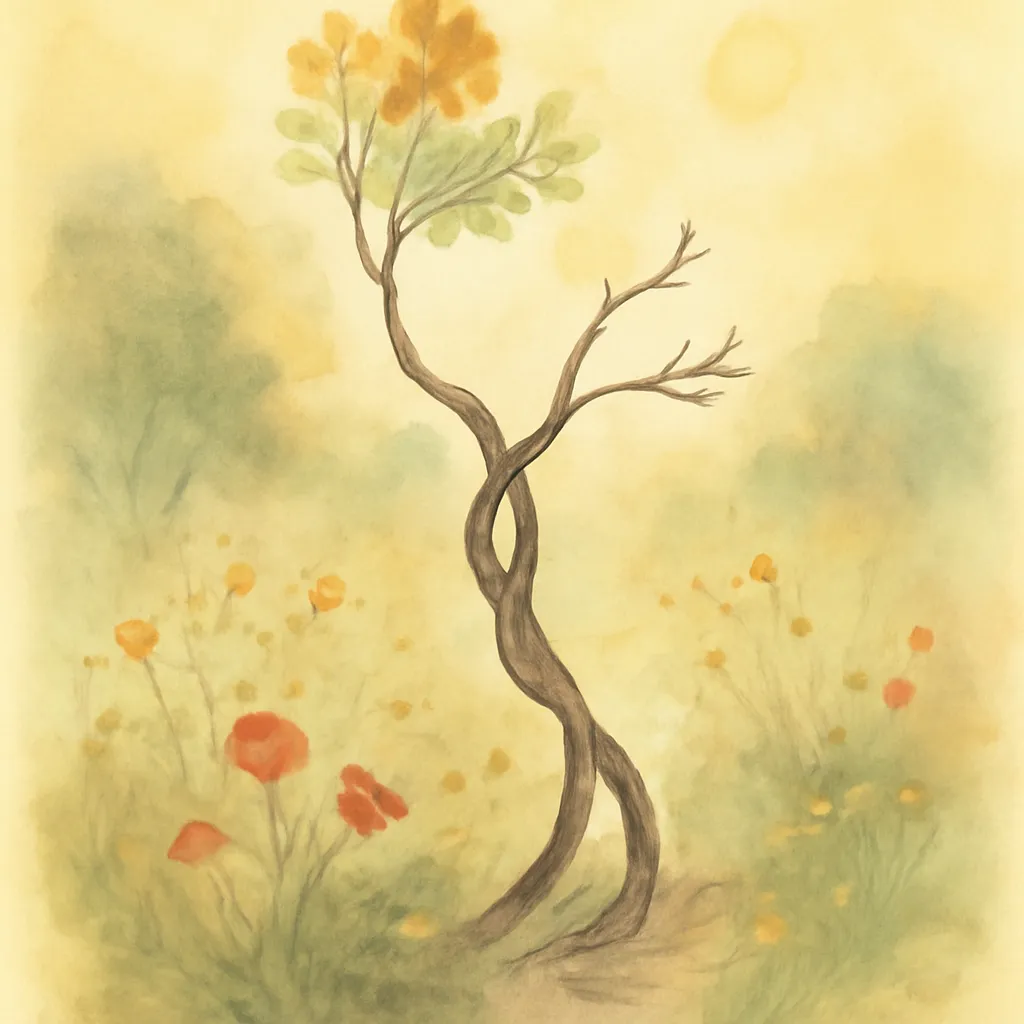
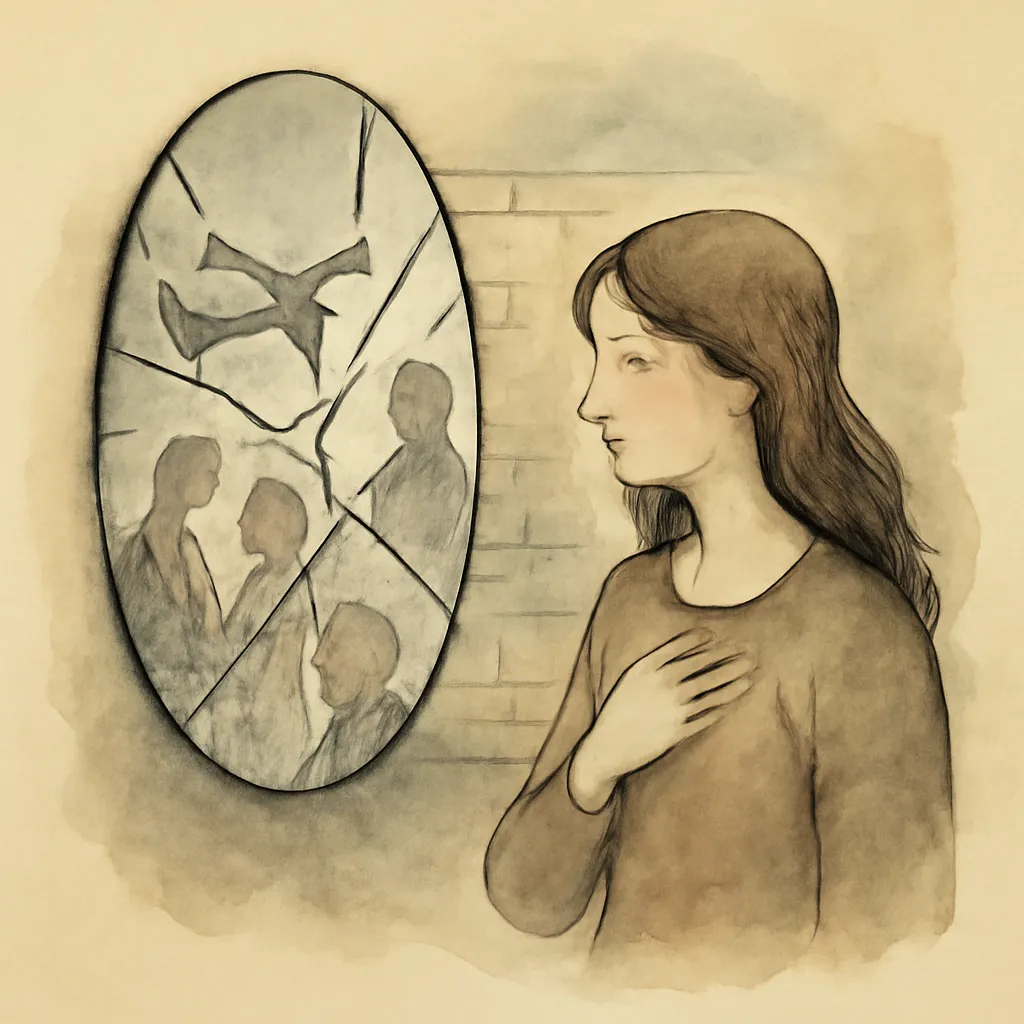
Gwenna's relationship with her bosom-chum, Leslie Long, highlights the complexities of female friendship during this era. Leslie, with her carefree attitude and bohemian lifestyle, serves as both Gwenna's confidante and a source of envy. While they share a close bond, Leslie's own struggles and ambitions often cast a shadow over their friendship. This dynamic is particularly evident when Gwenna's feelings for Paul Dampier come into play, as Leslie's flippant remarks about love and marriage challenge Gwenna's romantic ideals. Ruck adeptly portrays how friendship can be a double-edged sword, filled with support and competition, reflecting the societal pressures women faced in navigating their aspirations and relationships. The tension between Gwenna and Leslie is emblematic of the challenges many women faced when pursuing their ambitions, as aspirations for love and independence often collided with the expectations placed on them by their peers. This rivalry forces Gwenna to confront her own insecurities and desires, making her journey of self-discovery all the more poignant.
3.The Tension of Class and Society
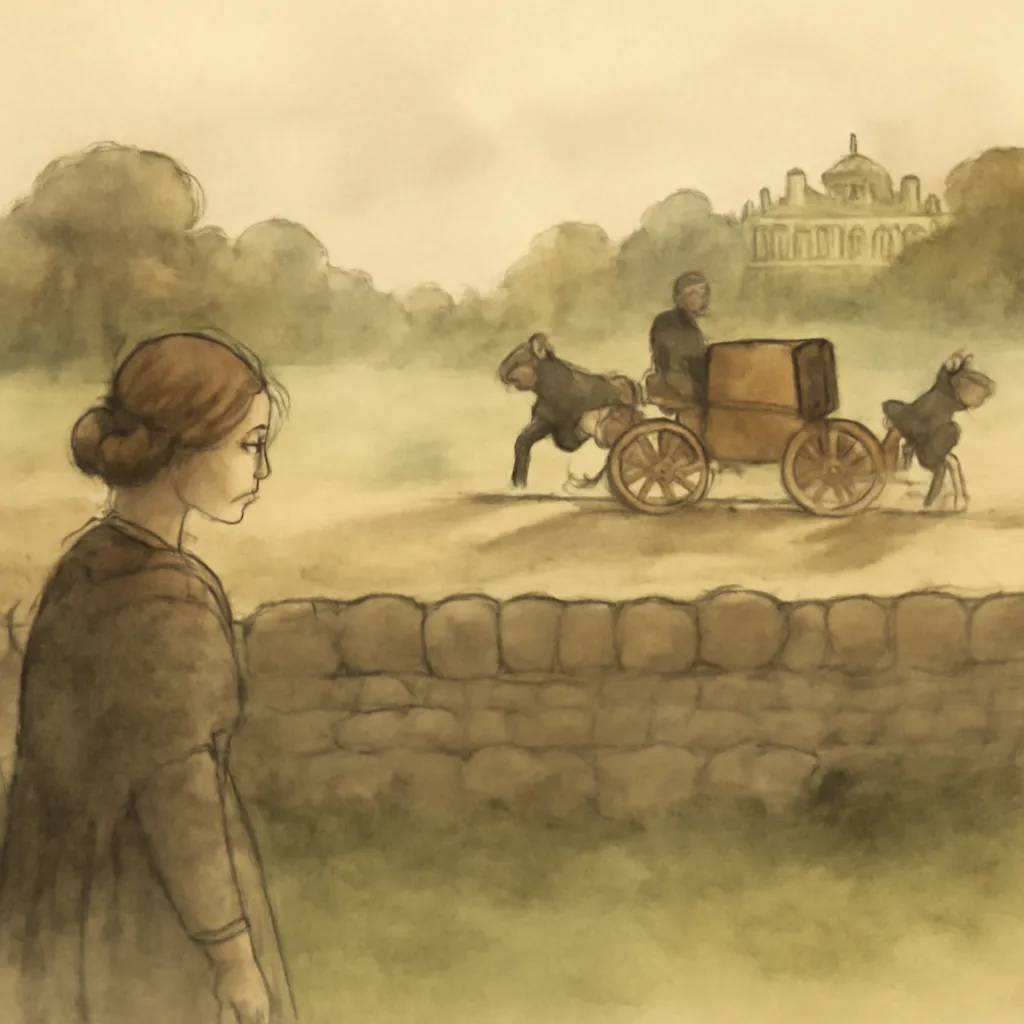
Ruck's narrative delves into the class distinctions that permeate early 20th-century England, particularly through the interactions between Gwenna and the more affluent characters around her. The contrast between Gwenna's modest background and the privileged lives of those she aspires to join, including Paul and his circle, creates a palpable tension. Gwenna's self-consciousness about her lower social standing often leads her to question her worthiness in the eyes of others. This exploration of class not only shapes Gwenna's identity but also influences her decisions and relationships, as she navigates a world where social status dictates opportunities and acceptance. Ruck's keen observations on the nuances of class highlight the barriers that Gwenna must overcome in her quest for love and fulfillment. As she grapples with her feelings of inadequacy, readers witness how societal expectations can stifle genuine connections and ambitions, prompting Gwenna to rethink her place in a society that values status over individual merit.
4.Romantic Idealism vs. Harsh Reality

Gwenna's romantic notions are challenged repeatedly throughout the novel, particularly as she learns more about Paul Dampier's life and the societal expectations that come with it. Initially, she views him as a heroic figure, embodying the freedom she longs for. However, as their relationship develops, she grapples with the complexities of love, including jealousy, insecurity, and the pressures of societal norms. Ruck poignantly illustrates how Gwenna's idealistic view of romance begins to clash with the realities of adulthood, including the responsibilities that come with relationships. Through Gwenna's experiences, readers witness her transformation as she learns that love is not just about passion and dreams but also about compromise and understanding. This nuanced portrayal of romance highlights the importance of communication and trust, as Gwenna navigates her doubts and fears in a world that is rapidly changing. The juxtaposition of her romantic fantasies against the backdrop of her lived experiences serves to amplify the tensions of love in a turbulent time.
5.The Impact of War
As the narrative unfolds, the ominous shadow of war looms larger, serving as a catalyst for change in Gwenna's life and those around her. The 'whisper of war' becomes a recurring theme that disrupts the tranquility of their lives, forcing characters to confront their fears and uncertainties. Ruck effectively captures the anxiety of a nation on the brink of conflict, reflecting the societal shifts and personal dilemmas that arise in the face of impending war. For Gwenna, the reality of war complicates her dreams of flight and love, as she must navigate the emotional turmoil that accompanies the loss of innocence and the harsh realities of a world at war. This thematic exploration of war serves as a poignant reminder of the fragility of peace and the impact it has on personal aspirations and relationships. As Gwenna's dreams collide with the reality of a world at war, readers are left to ponder the consequences of conflict on the human spirit.
6.The Search for Identity
Gwenna's journey is also one of self-discovery, as she grapples with her identity amidst the expectations placed upon her by society, her family, and her peers. Initially, she defines herself through her aspirations to fly and her romantic feelings for Paul. However, as she encounters various experiences and challenges, she begins to question who she truly is beyond these aspirations. Ruck skillfully depicts Gwenna's evolving sense of self, illustrating her struggles to assert her individuality in a world that often seeks to confine her. This exploration of identity is particularly relevant for young women of the era, as they navigated the restrictive norms of society while yearning for autonomy and self-expression. Through Gwenna's internal conflicts, readers are encouraged to reflect on their own journeys of self-discovery and the importance of carving out a unique identity in the face of societal expectations.
7.The Role of Women
Ruck's portrayal of women in The Boy with Wings reflects the changing roles and expectations of women during the early 20th century. Gwenna and Leslie embody different aspects of this evolution, with Gwenna representing the traditional ideals of femininity and Leslie challenging those norms with her independent spirit. Through their experiences, the novel highlights the struggles women faced in asserting their independence and pursuing their ambitions in a male-dominated society. Ruck's nuanced examination of women's roles, particularly in the context of love, work, and friendship, offers a compelling commentary on the societal changes that were beginning to take shape during this time. The characters' journeys underscore the importance of female solidarity and empowerment as they navigate the challenges of their era. As Gwenna contemplates her future, her aspirations for flight and freedom become intertwined with the broader struggles for women's rights, reflecting the transformative potential of their experiences.
8.The Power of Dreams
Dreams serve as a central motif throughout the novel, symbolizing both hope and the potential for transformation. Gwenna's dreams of flying represent her aspirations for freedom and adventure, while also reflecting her inner turmoil and desire for connection. Ruck effectively uses these dreams to illustrate the dichotomy between Gwenna's idealistic visions and the harsh realities she faces. As Gwenna confronts the challenges of love, friendship, and the impending war, her dreams become a source of solace and motivation, propelling her forward in her journey. This exploration of dreams emphasizes the importance of hope in navigating life's uncertainties, reminding readers of the resilience of the human spirit in the face of adversity. Through her flying dreams, Gwenna is able to escape the limitations of her world and envision a future filled with possibilities, underscoring the significance of aspiration in shaping one's identity.
9.The Complexity of Love
Ruck masterfully portrays the multifaceted nature of love, illustrating how it can inspire, complicate, and challenge individuals. Gwenna's infatuation with Paul evolves into a deeper connection, but it is not without its pitfalls. Jealousy, insecurity, and societal pressures all play a role in shaping their relationship, highlighting the intricacies of romantic love. Ruck's exploration of love extends beyond mere attraction, delving into the emotional landscapes that accompany it. Through Gwenna and Paul's relationship, readers witness the transformative power of love, as well as the potential for heartbreak and disappointment. This nuanced portrayal of love serves as a reminder that it is both a source of joy and a catalyst for personal growth. As Gwenna navigates her feelings, readers are invited to consider the ways in which love can shape our lives and aspirations, leading us to new heights or grounding us in reality.
10.The Intersection of Dreams and Reality
The interplay between dreams and reality is a recurring theme in Gwenna's life, as she navigates her aspirations amidst the expectations of her circumstances. Ruck skillfully juxtaposes Gwenna's lofty ambitions with the practicalities of her day-to-day existence, creating a tension that drives the narrative forward. As Gwenna grapples with her desires to fly and find love, she must also confront the realities of her social status and the impending war. This exploration of the intersection between dreams and reality serves as a powerful commentary on the human experience, emphasizing the importance of resilience and adaptability in the face of life's challenges. Ruck's narrative invites readers to reflect on their own dreams and the ways in which they navigate the complexities of their realities. Gwenna's journey illustrates that while dreams can inspire us, it is our actions and responses to reality that ultimately determine our paths.