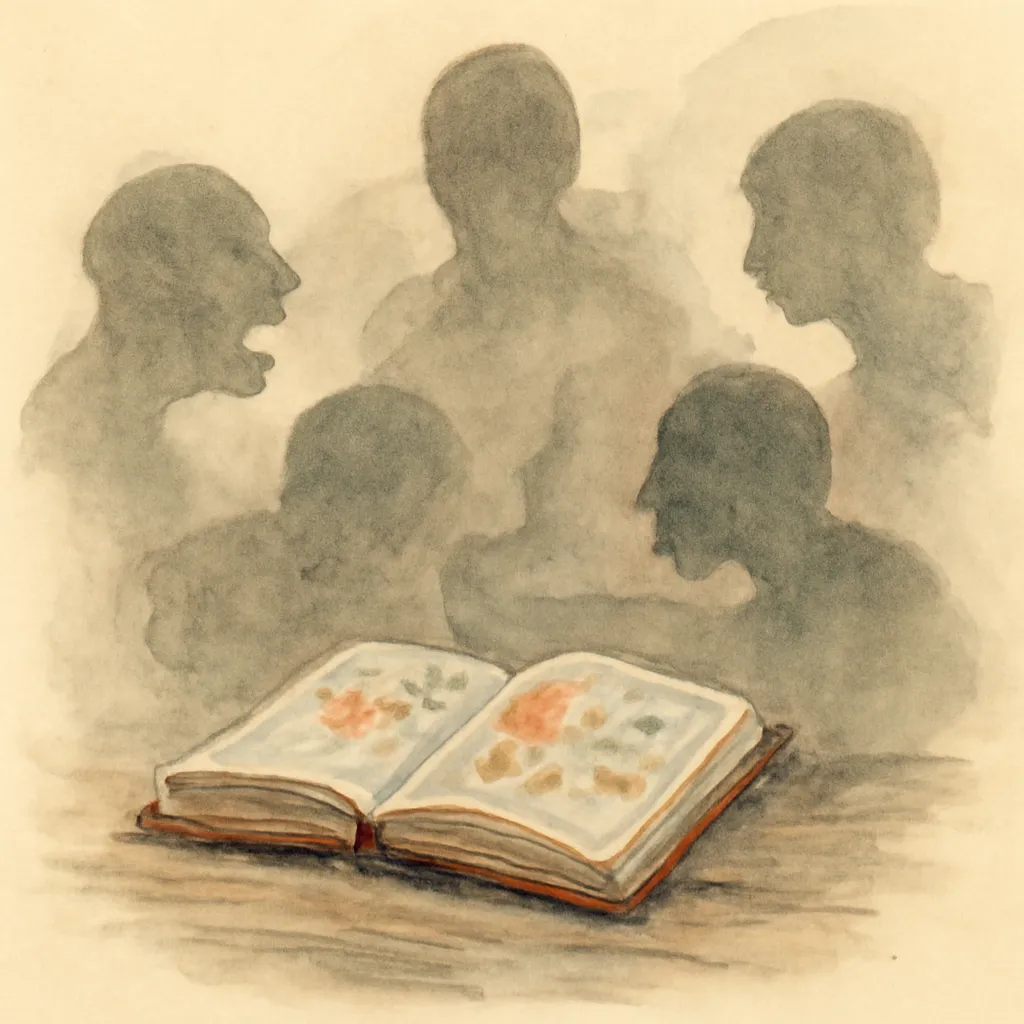
1.Polyphonic Storytelling
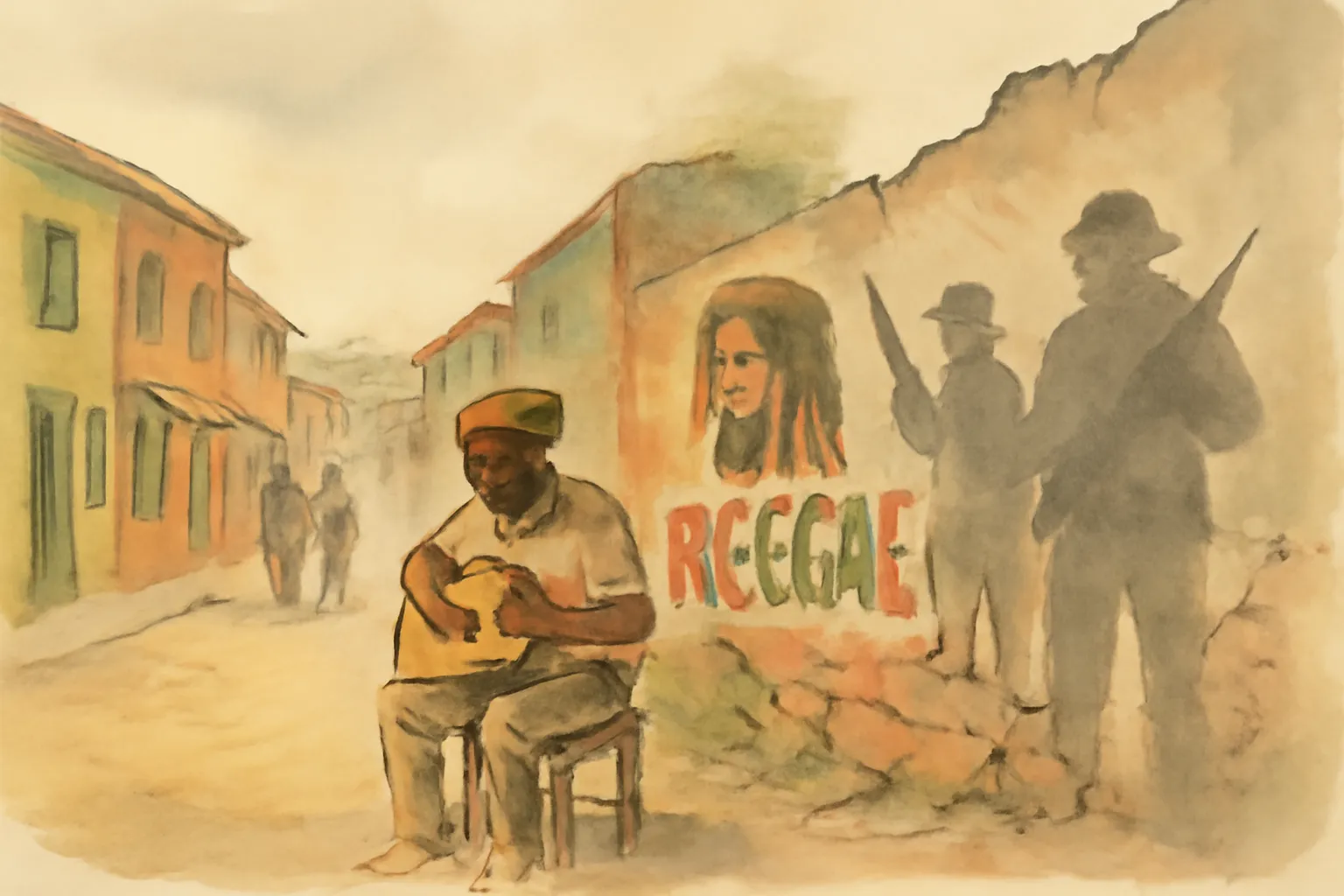
James structures the novel through a multitude of narrators—gangsters, CIA operatives, journalists, and ghosts—each with their own dialect, worldview, and moral code. This cacophony of voices not only reflects the chaos of the era but also forces the reader to confront the subjectivity of truth and the limits of understanding. The shifting perspectives immerse the reader in the lived experiences of characters from all walks of life, highlighting both the interconnectedness and the isolation of individuals caught in historical currents.
2.Violence as History and Destiny
Violence is omnipresent in the novel, not just as physical brutality but as a force that shapes destinies and defines the boundaries of power. James interrogates how cycles of violence—political, criminal, and personal—become embedded in the social fabric, perpetuating trauma across generations. The attempted assassination of Bob Marley serves as a focal point, but the novel’s true subject is the way violence ripples outward, implicating everyone from street-level thugs to global superpowers.
3.Jamaican Politics and Global Intrigue
Set against the backdrop of Cold War politics, the novel exposes the entanglement of local Jamaican factions with international interests, particularly the CIA’s covert interventions. James deftly illustrates how global power struggles play out in the streets of Kingston, turning ordinary lives into pawns in larger ideological battles. The novel is both a historical document and a critique of how foreign interference can destabilize nations and fuel cycles of corruption and violence.
4.The Power and Limits of Music
While Bob Marley (referred to as 'the Singer') is a central figure, James uses him more as a symbol than a protagonist. Music in the novel represents hope, unity, and the possibility of transcendence, but it is also vulnerable to co-option and violence. The narrative questions whether art can truly effect change in the face of overwhelming brutality or whether it merely provides a temporary escape.
5.Language, Identity, and Survival
James’s use of Jamaican patois and street language is not just stylistic but political, asserting the legitimacy of voices often marginalized in literature. Language in the novel is a tool for survival, resistance, and sometimes deception. The authenticity of voice immerses readers in the rhythms and realities of Jamaican life, while also highlighting the barriers to understanding between characters—and between reader and text.
6.Memory, Trauma, and Ghosts
Haunted by literal and figurative ghosts, the novel explores how trauma lingers in individuals and communities. Characters are pursued by memories and regrets, and the dead narrate alongside the living, blurring the boundaries between past and present. James suggests that history is never truly past; it is a living force that shapes identities and destinies.