1.The Afterlife as Memory
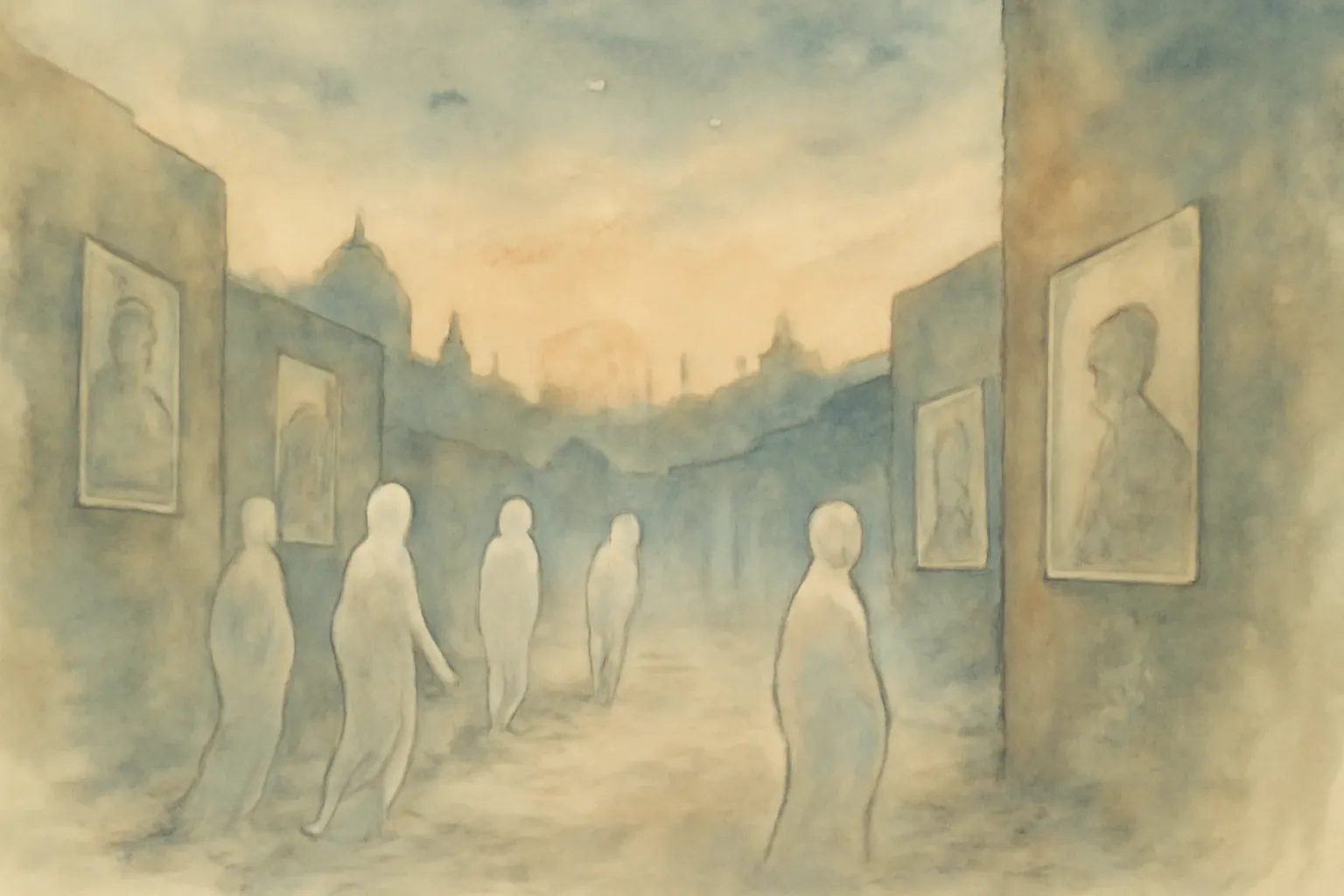
Brockmeier’s central conceit is that the dead inhabit a city as long as someone alive remembers them. This transforms the afterlife into a liminal space shaped by the memories of the living, making existence itself fragile and contingent. The book explores how identity is preserved, altered, or lost through the act of remembering, and how the dead’s continued presence depends on the living’s recollection, whether vivid or faint. This raises profound questions about legacy and the impermanence of self.
2.Interconnectedness Across Worlds
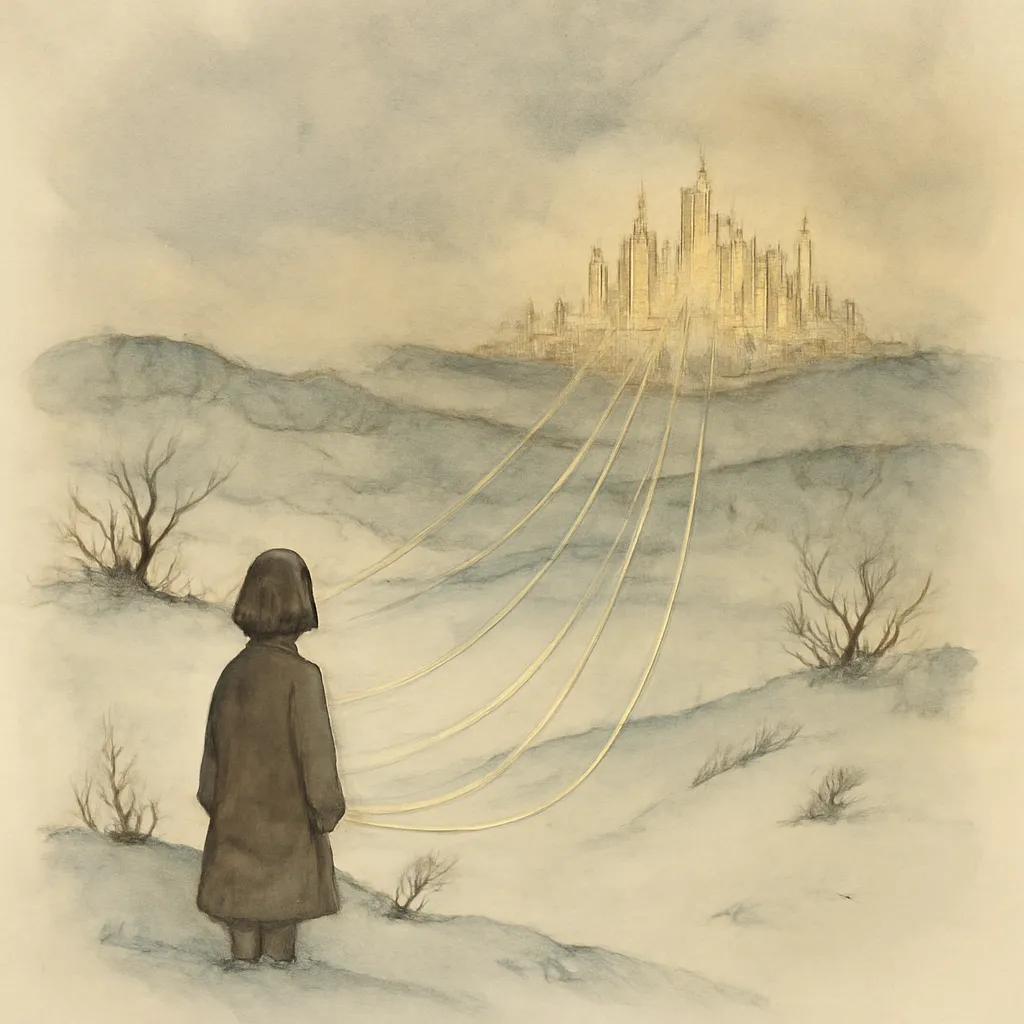
The novel’s dual narrative—one in the City of the Dead, one with Laura Byrd in Antarctica—highlights the interconnectedness of all people. As Laura becomes the last person alive, the population of the City dwindles, revealing how even the most fleeting interactions can bind lives together. Brockmeier suggests that every life, no matter how isolated, ripples outward, shaping the existence of others in ways both direct and subtle.
3.Isolation and Survival
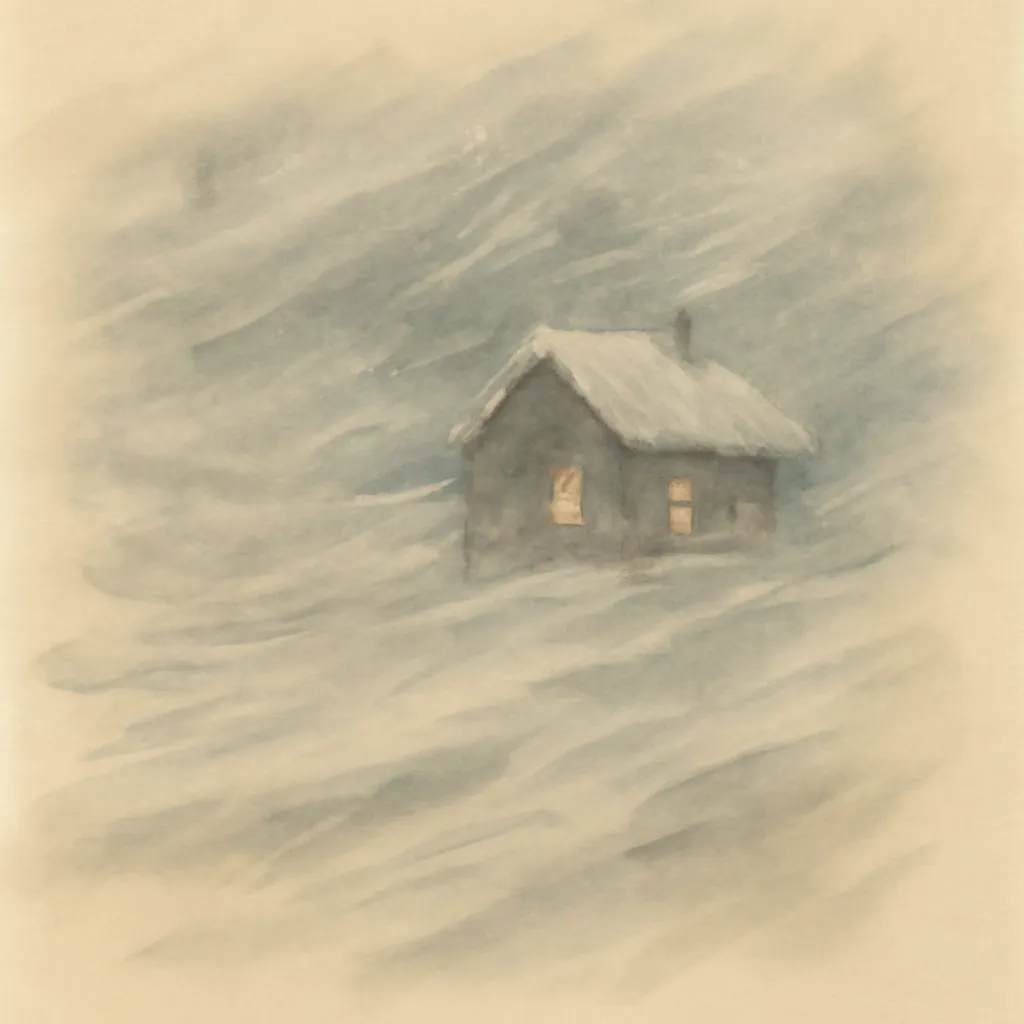
Laura’s struggle in the Antarctic wasteland is a stark counterpoint to the communal existence in the City. Her physical isolation mirrors the existential isolation of the dead as they await their final disappearance. The novel uses her ordeal to probe the limits of endurance—both physical and emotional—and to ask what sustains us when all connections seem lost.
4.The Fragility of Human Connection
By tying the persistence of the dead to the memories of the living, Brockmeier dramatizes how tenuous and ephemeral human relationships can be. The book examines how people drift apart, how memories fade, and how even the most significant bonds are subject to the erasures of time and circumstance. Yet, it also celebrates the moments of reconnection and rediscovery that can happen even after loss.
5.The Power and Limits of Storytelling
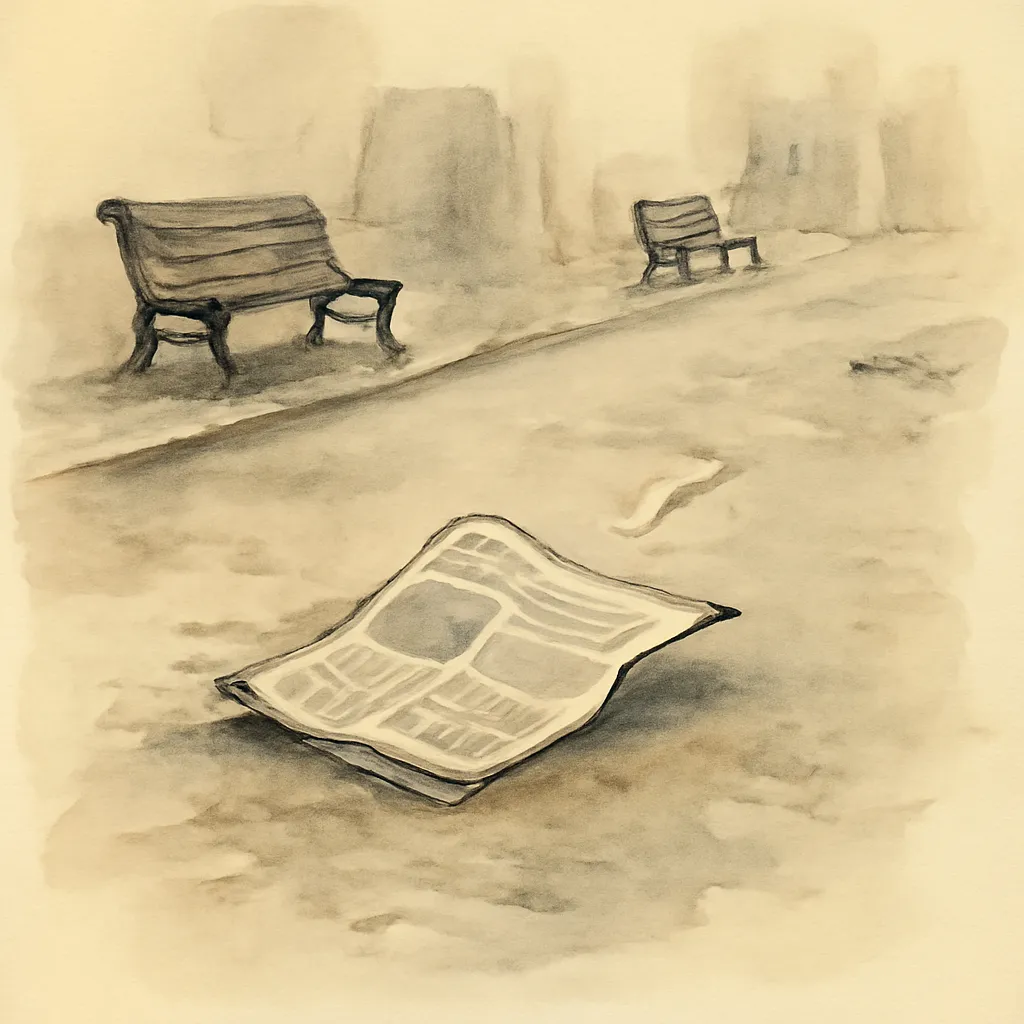
Through Luka Sims’s newspaper and the stories exchanged in the City, Brockmeier reflects on the role of narrative in preserving identity. Stories become a means of survival—both for individuals and communities. Yet, the novel is clear-eyed about the limits of storytelling: not every story is told, not every life is remembered, and forgetting is inevitable.
6.Environmental Catastrophe as Catalyst
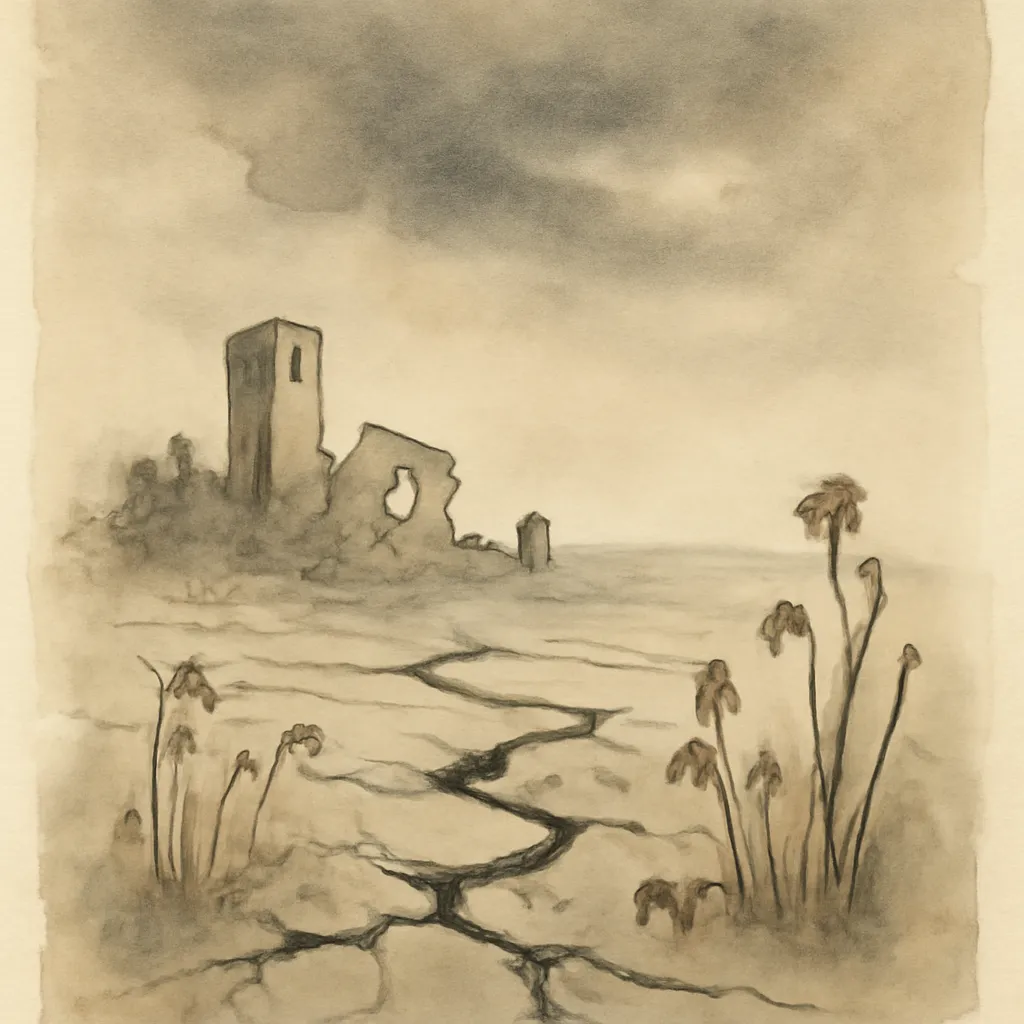
The novel’s backdrop—a plague that wipes out humanity—serves as a chilling reminder of the world’s vulnerability. The environmental collapse that strands Laura is not just a plot device but a commentary on the fragility of civilization and the unforeseen consequences of human actions. This context deepens the novel’s meditation on loss and survival.