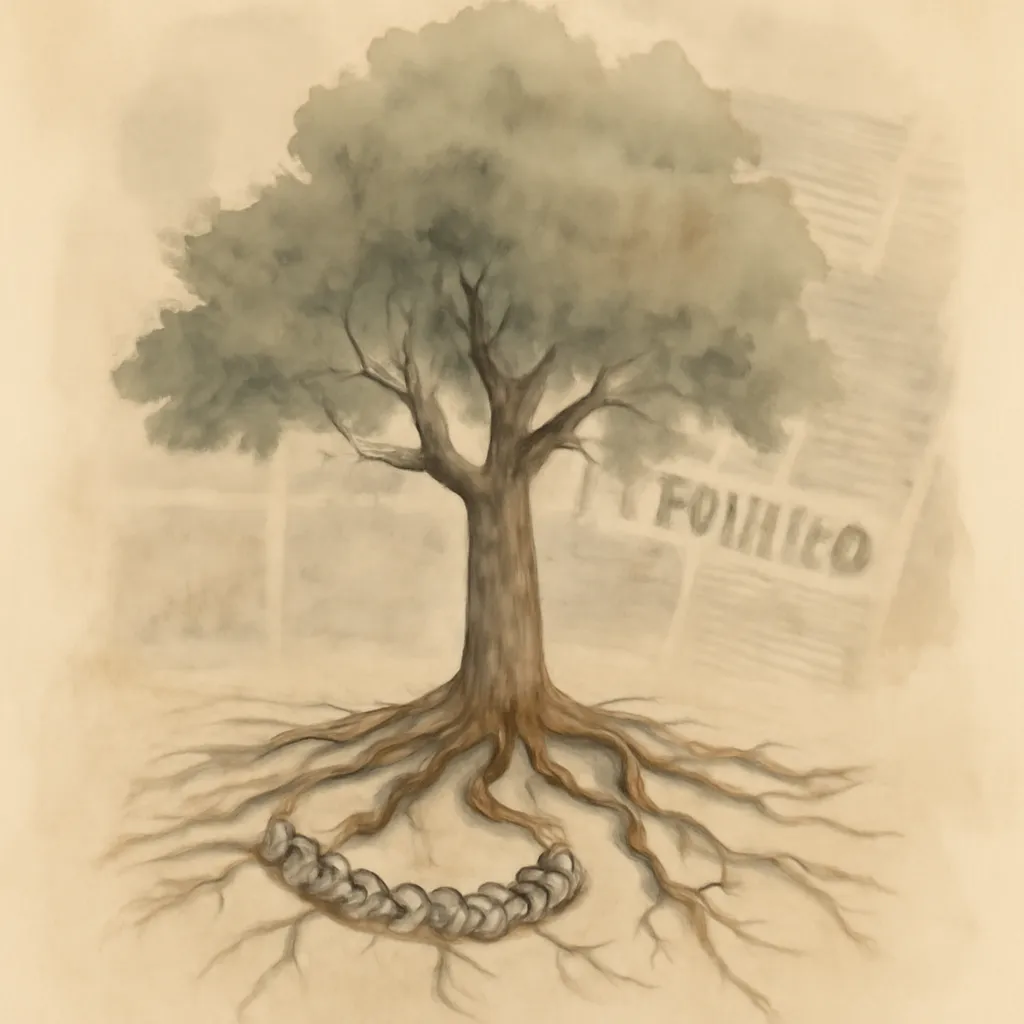
1.The Power and Burden of Fuku
At the heart of the novel is the concept of fuku, a family curse that haunts Oscar and his relatives across generations. Díaz uses fuku not just as a plot device, but as a metaphor for the inherited traumas and historical violence—especially those stemming from the Trujillo dictatorship in the Dominican Republic. The curse becomes a lens through which the characters’ repeated misfortunes are understood, blending superstition with the harsh realities of diaspora and colonial legacy.
2.Hybridity and Identity
Oscar’s journey is deeply shaped by his status as a Dominican-American, a 'ghetto nerd' who doesn’t fit the macho or hypersexual norms expected of Dominican men. The novel explores the tensions of living between cultures, languages, and expectations. Through Oscar and his family, Díaz interrogates what it means to belong, to be 'authentically' Dominican, and how cultural hybridity can be both a source of alienation and creative possibility.
3.Masculinity and Vulnerability
Traditional Dominican masculinity is a recurring theme, often contrasted with Oscar’s gentle, awkward, and romantic nature. While other male characters embody aggression or machismo, Oscar’s vulnerability and outsider status challenge stereotypes. The novel questions the costs of rigid gender roles, showing how they can be both oppressive and tragic for individuals and families.
4.History as Personal and Political
Díaz blurs the boundaries between personal narrative and national history, especially through the interwoven stories of Oscar’s mother, Belicia, and the shadow of dictator Trujillo. The book insists that history is not distant or abstract; it is lived and suffered in the bodies and choices of ordinary people. The characters’ fates are shaped by political violence and migration, making the personal inextricable from the political.
5.Storytelling and Survival
Narration in the novel is layered and self-aware, with Yunior, Oscar’s friend, serving as an unreliable, witty guide. Storytelling becomes an act of survival—by telling and retelling their histories, the characters seek to make sense of suffering and resist erasure. The novel itself is a testament to the power of narrative to preserve memory and identity.
6.Love and Longing
Oscar’s relentless pursuit of love—despite repeated rejection and humiliation—serves as both his tragic flaw and his most humanizing trait. The novel treats love as a force that can be destructive, redemptive, and transformative. Through Oscar, Díaz explores the universal longing for connection and meaning, even in the face of overwhelming odds.