1.Oppression and Survival
At the heart of The Fifth Season is the brutal oppression of 'orogenes'—people with the power to manipulate seismic energy—by a society that fears and exploits them. The narrative explores how marginalized groups survive in a world that both needs and despises them, drawing powerful parallels to real-world histories of discrimination. Jemisin interrogates the costs of survival under constant threat, and the ways individuals and communities adapt or resist.
2.Motherhood and Legacy
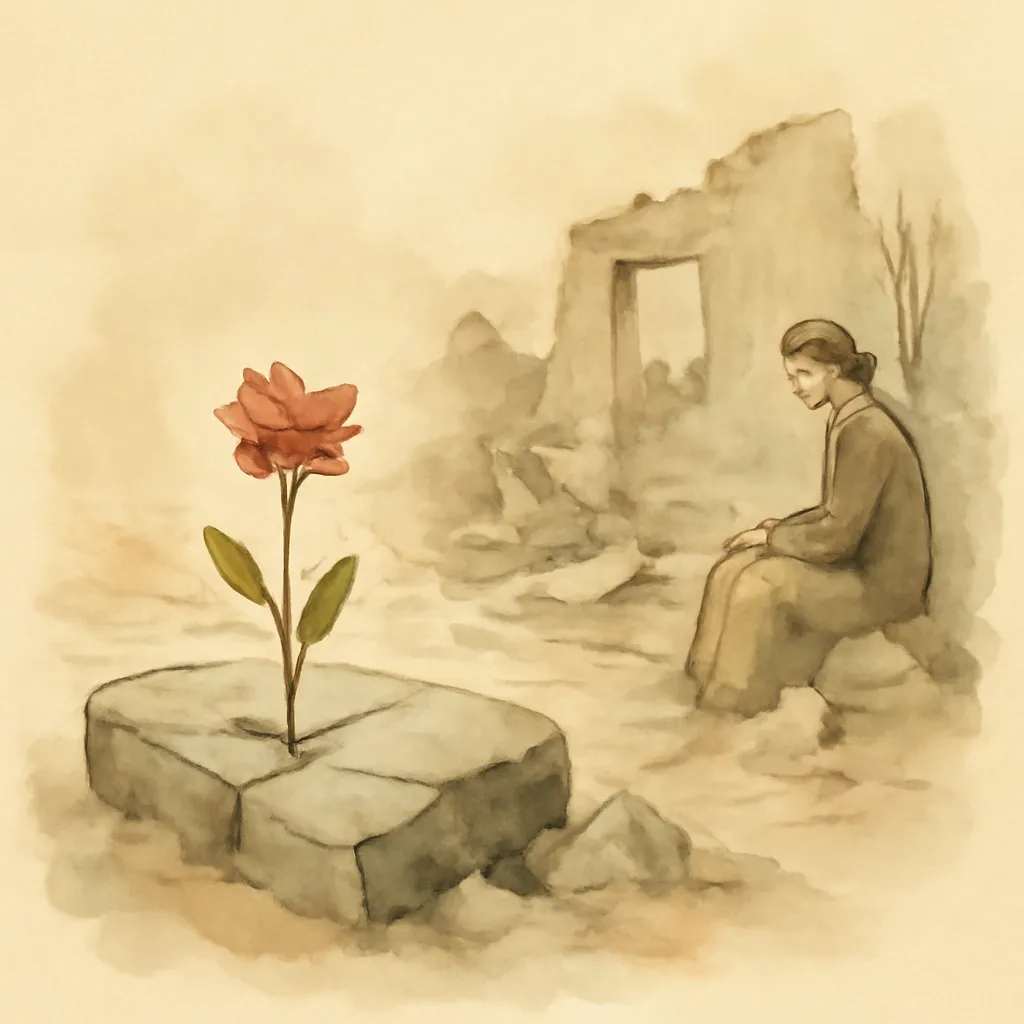
The novel foregrounds the complex relationship between Essun and her daughter Nassun, using motherhood as a lens to examine trauma, inheritance, and hope. Essun’s journey is not just about personal survival, but about what kind of world she can leave for her child. The story asks whether it is possible to break cycles of violence and pain, or if destruction is sometimes the only way to make space for something new.
3.Power and Its Consequences
Power in The Fifth Season is double-edged: orogenes possess immense abilities but are tightly controlled and punished for them. The book scrutinizes how societies manage, fear, and weaponize difference, and how those with power—however marginalized—must grapple with the consequences of their actions. Jemisin refuses easy answers, showing that wielding power can be both liberating and destructive.
4.Environmental Catastrophe and Adaptation
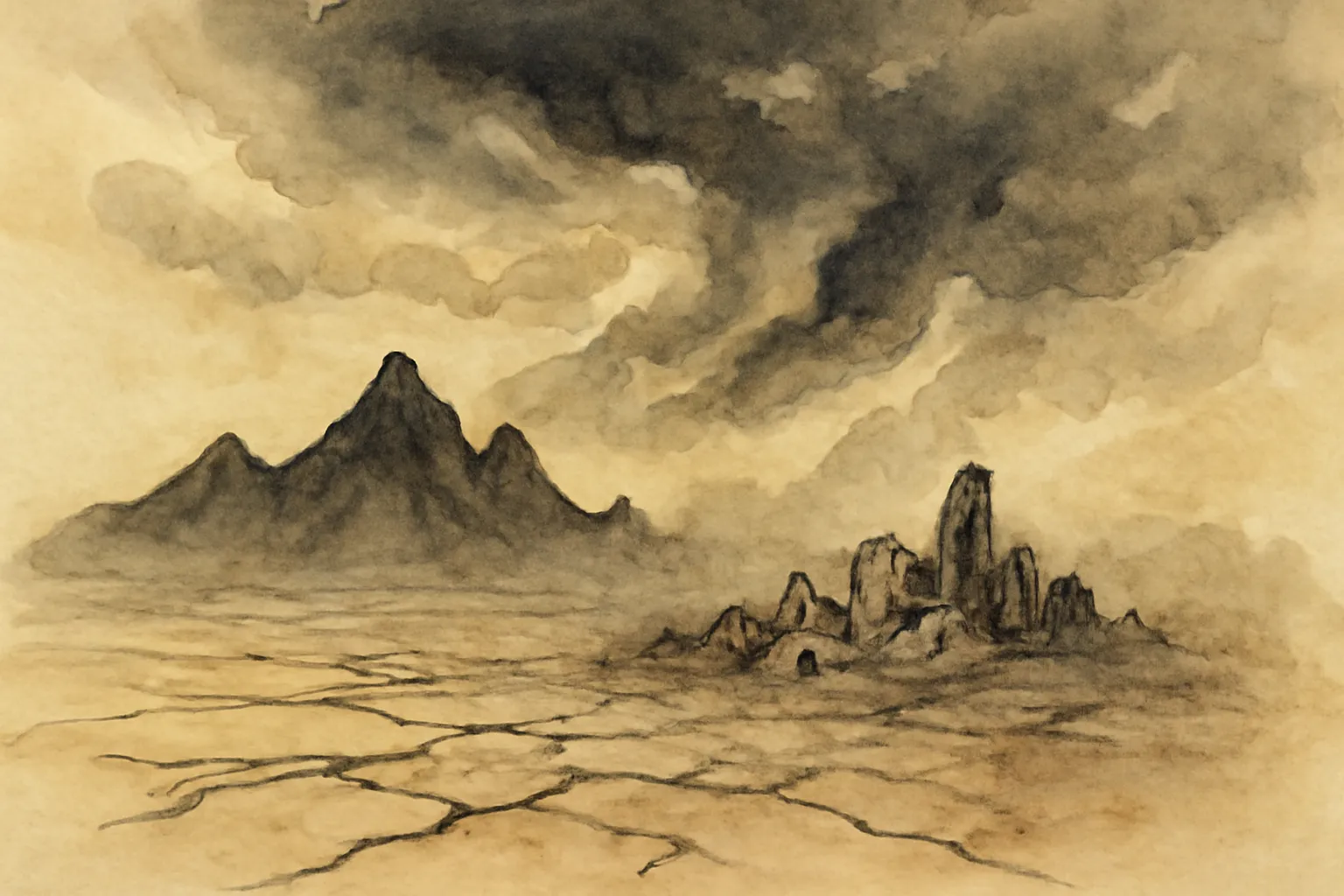
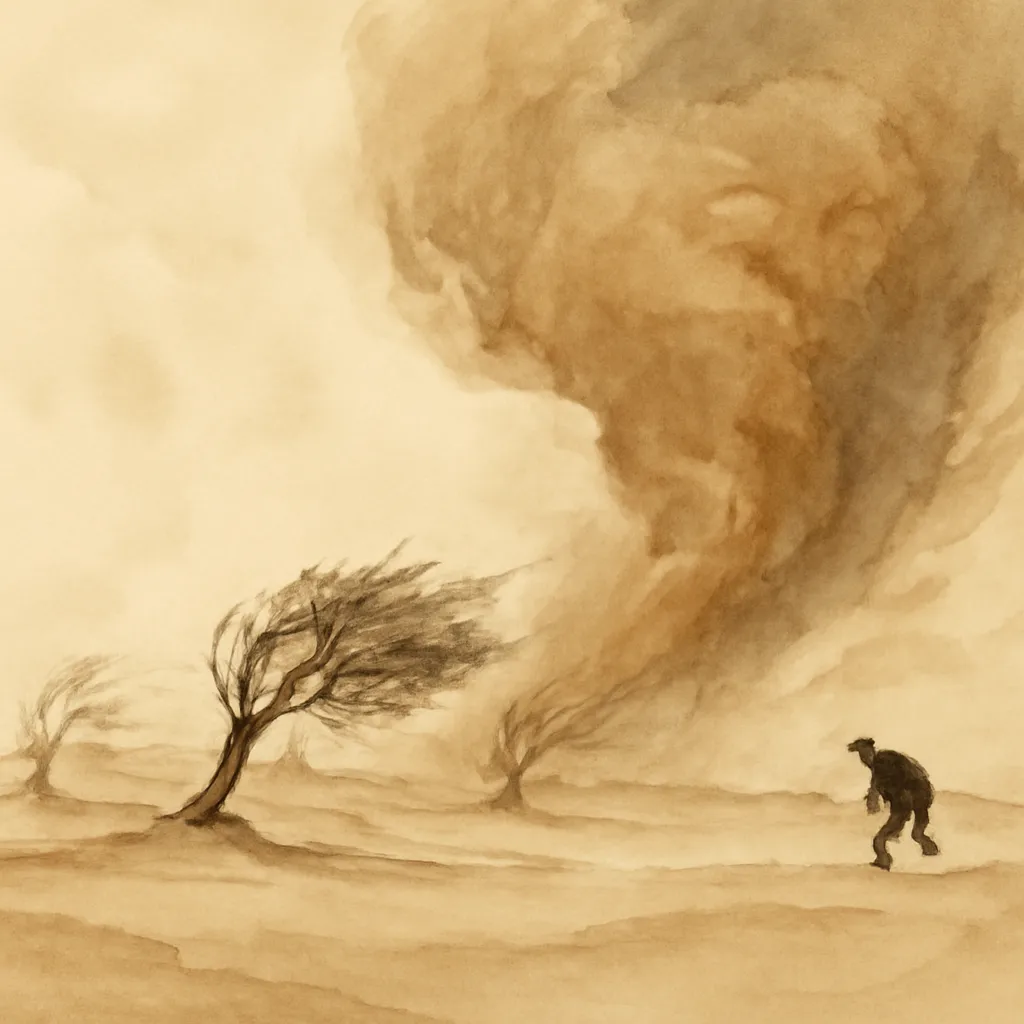
Set in a world plagued by recurring, civilization-ending disasters known as 'Fifth Seasons,' the novel uses environmental catastrophe as both setting and metaphor. The characters’ struggle to survive in a hostile, ever-changing landscape mirrors humanity’s own precarious relationship with nature. Jemisin’s world-building highlights the need for adaptation and the dangers of systems that refuse to change.
5.Identity, Transformation, and Self-Discovery
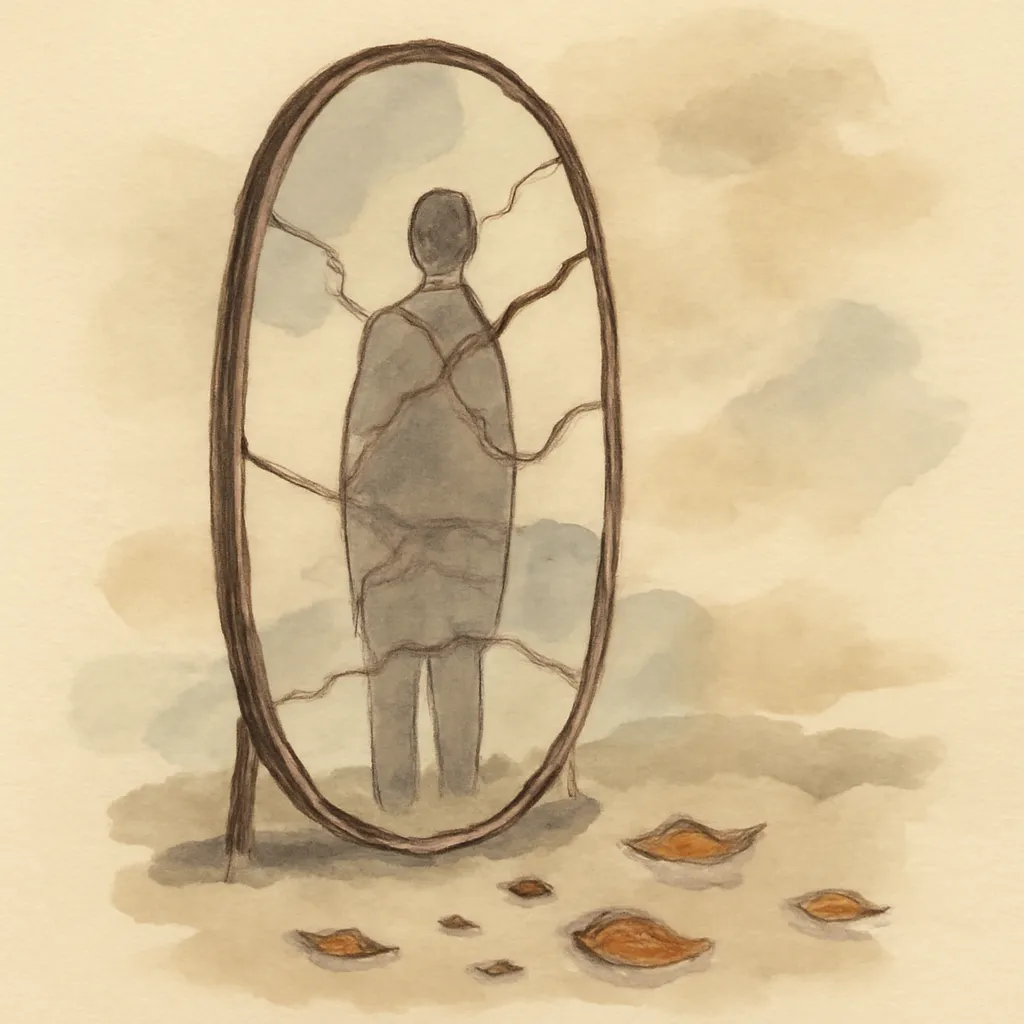
The Fifth Season is also a story of personal transformation. Through shifting perspectives and timelines, the novel traces how characters reconstruct their identities in response to trauma, loss, and revelation. The journey toward self-acceptance is fraught and nonlinear, reflecting the complexities of real human growth.
6.Breaking Cycles—Destruction as Creation
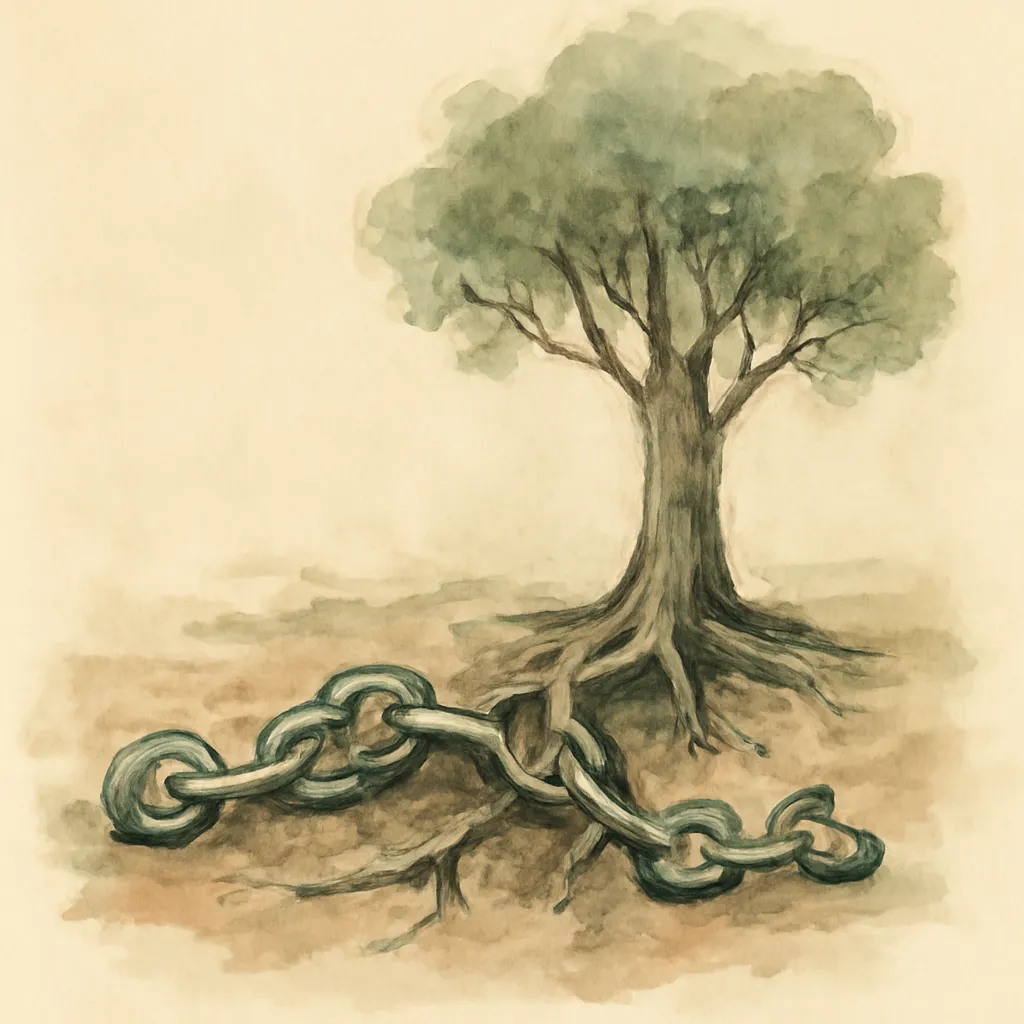
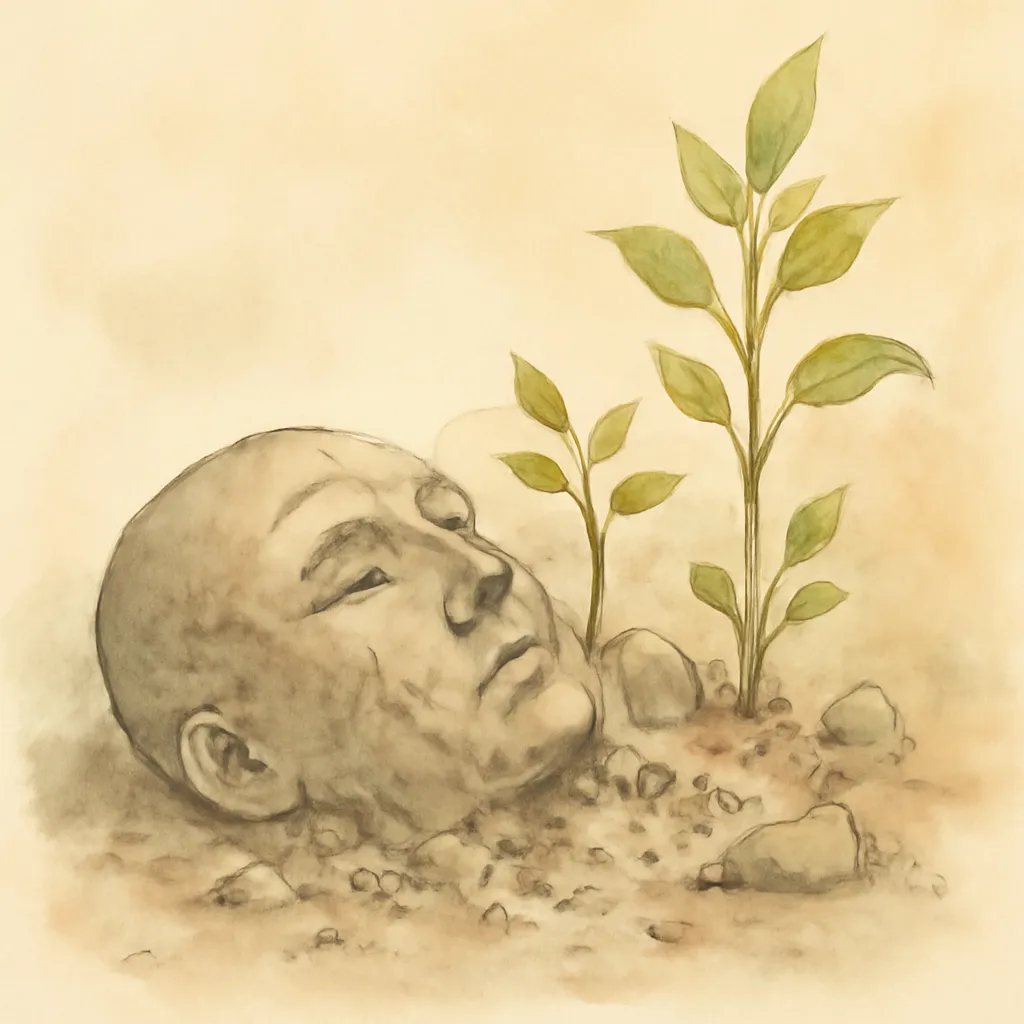
A recurring motif is the idea that sometimes, to build a better world, the old one must be destroyed. The narrative grapples with the morality of radical change and the pain of letting go. Jemisin challenges readers to consider when healing is possible, and when breaking is necessary for something new to emerge.