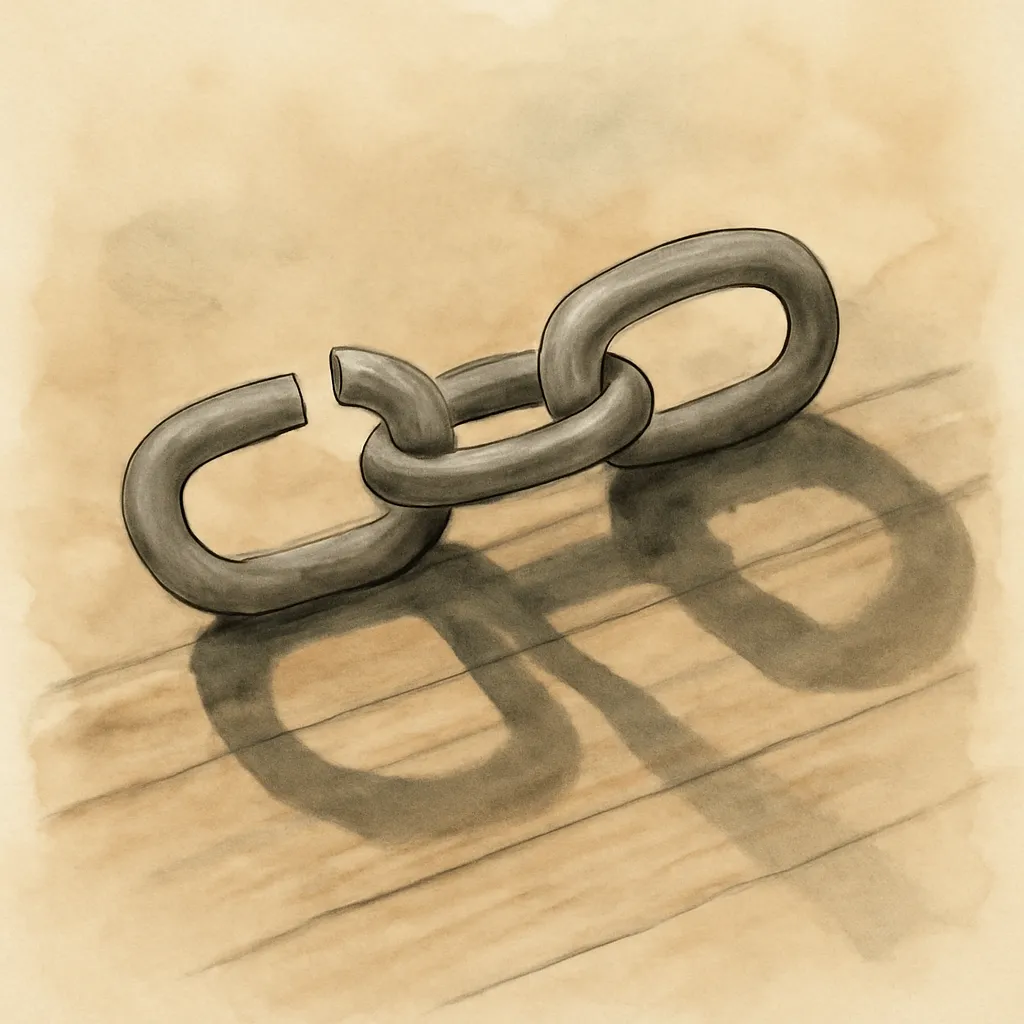
1.The Complexity of Leadership
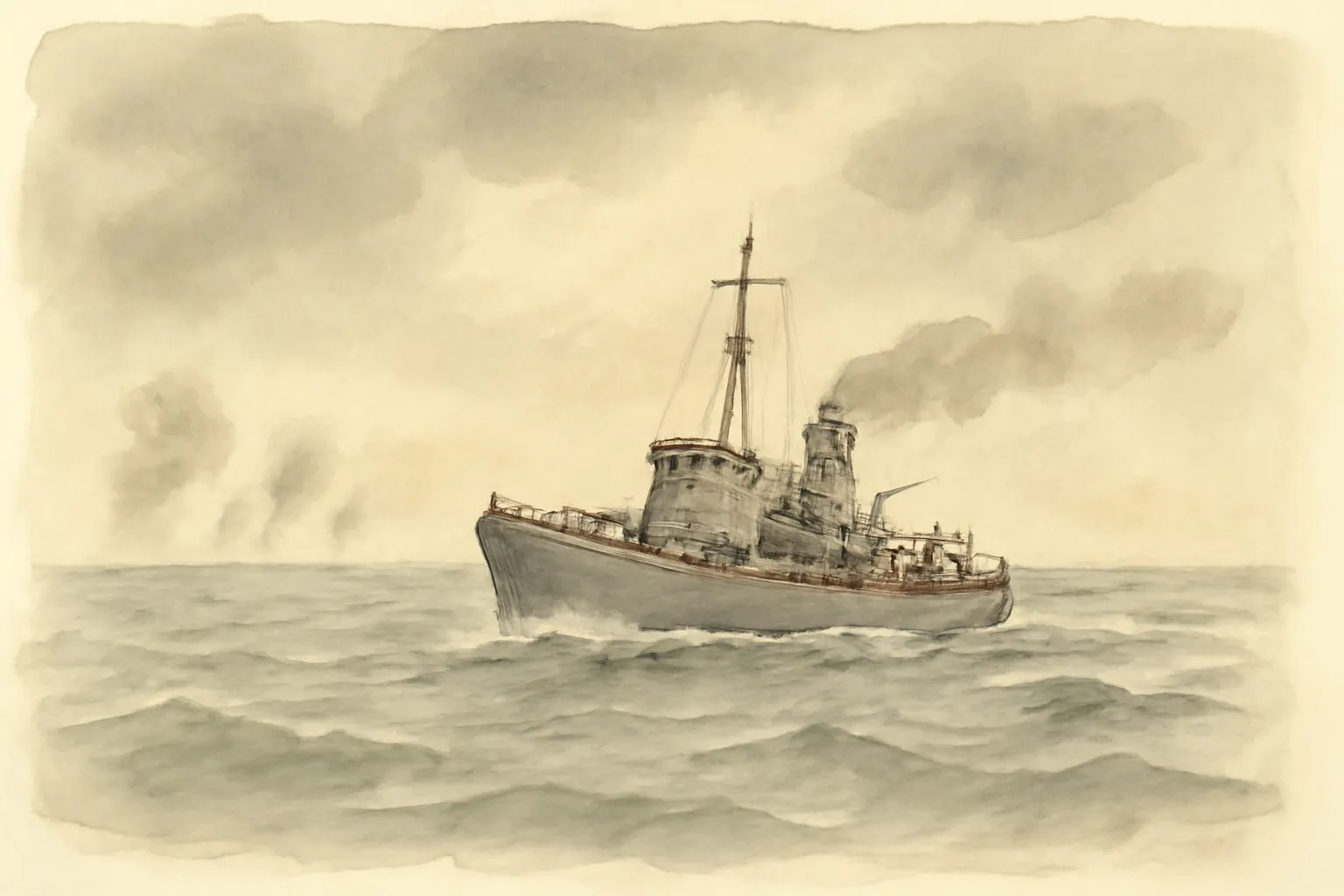
Wouk’s portrayal of Captain Queeg is deliberately ambiguous: is he an unstable tyrant or a misunderstood, overburdened officer? The novel refuses easy answers, showing how leadership in crisis is fraught with uncertainty and subject to the limitations and failings of human nature. The crew’s doubts and the officers’ hesitations reflect the real-life difficulty of judging authority figures, especially when their decisions have life-or-death consequences.
2.Moral Ambiguity and the Nature of Mutiny
The central mutiny is not a clear-cut act of rebellion but a desperate response to perceived incompetence. Wouk explores how moral clarity dissolves in the fog of war, leaving characters—and readers—grappling with questions of when it is justified to defy authority. The subsequent court-martial exposes the shifting sands of blame, responsibility, and ethical action.
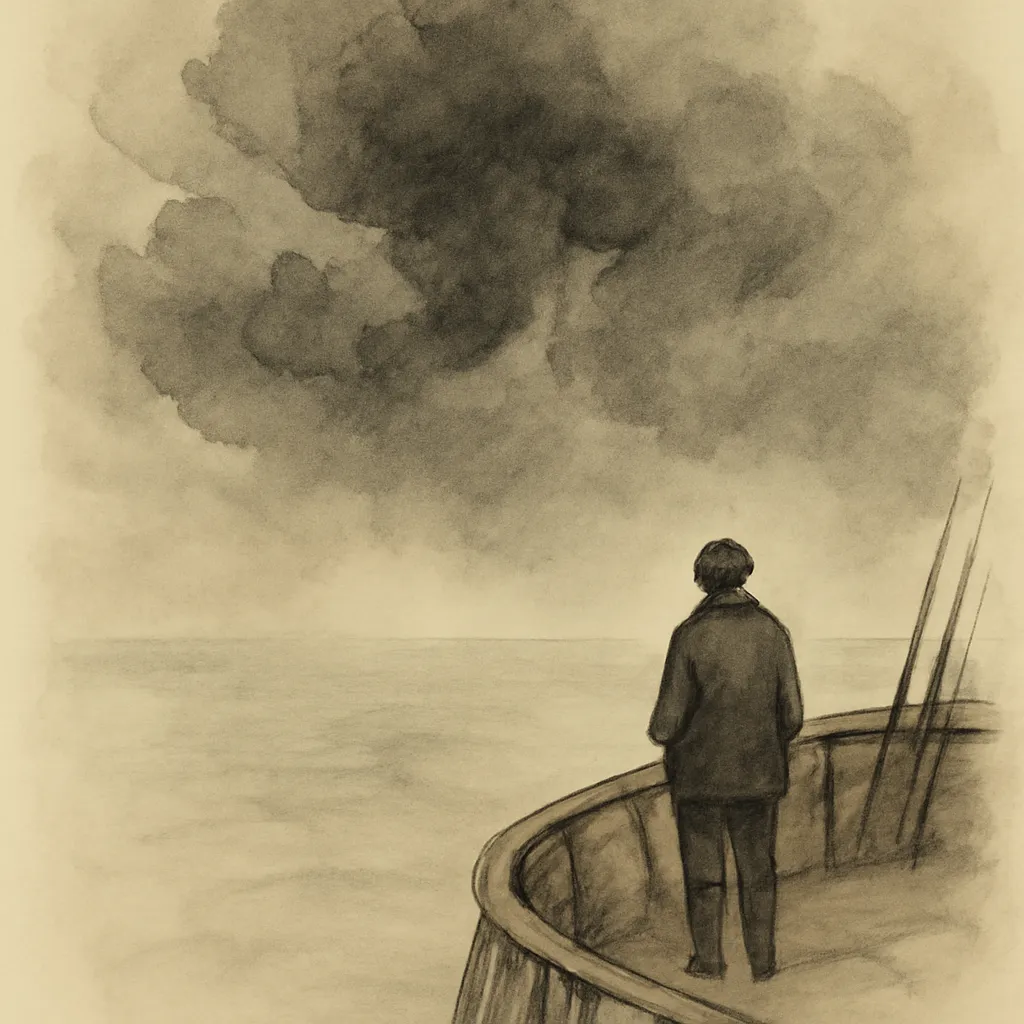
3.Coming of Age Under Fire
Through Willie Keith, the novel’s protagonist, Wouk traces a classic coming-of-age arc. Willie’s journey from privileged, self-absorbed youth to a man forged by hardship and moral trial mirrors the transformation many experienced during the war. His personal growth is inseparable from the larger ethical dilemmas that define the narrative.
4.The Burden of Duty and Loyalty
Duty to the ship, to the Navy, and to one’s fellow sailors is a recurring theme. The characters wrestle with conflicting loyalties: to their captain, to the chain of command, and to their own consciences. Wouk shows how these loyalties can clash, forcing difficult choices that have lasting repercussions.
5.Psychological Strain of War
The Caine Mutiny vividly depicts how the stresses of combat and confinement erode both individual and collective judgment. Paranoia, fear, and exhaustion drive the crew toward the breaking point, revealing the psychological costs of war not just in battle, but in the daily grind of survival and obedience.
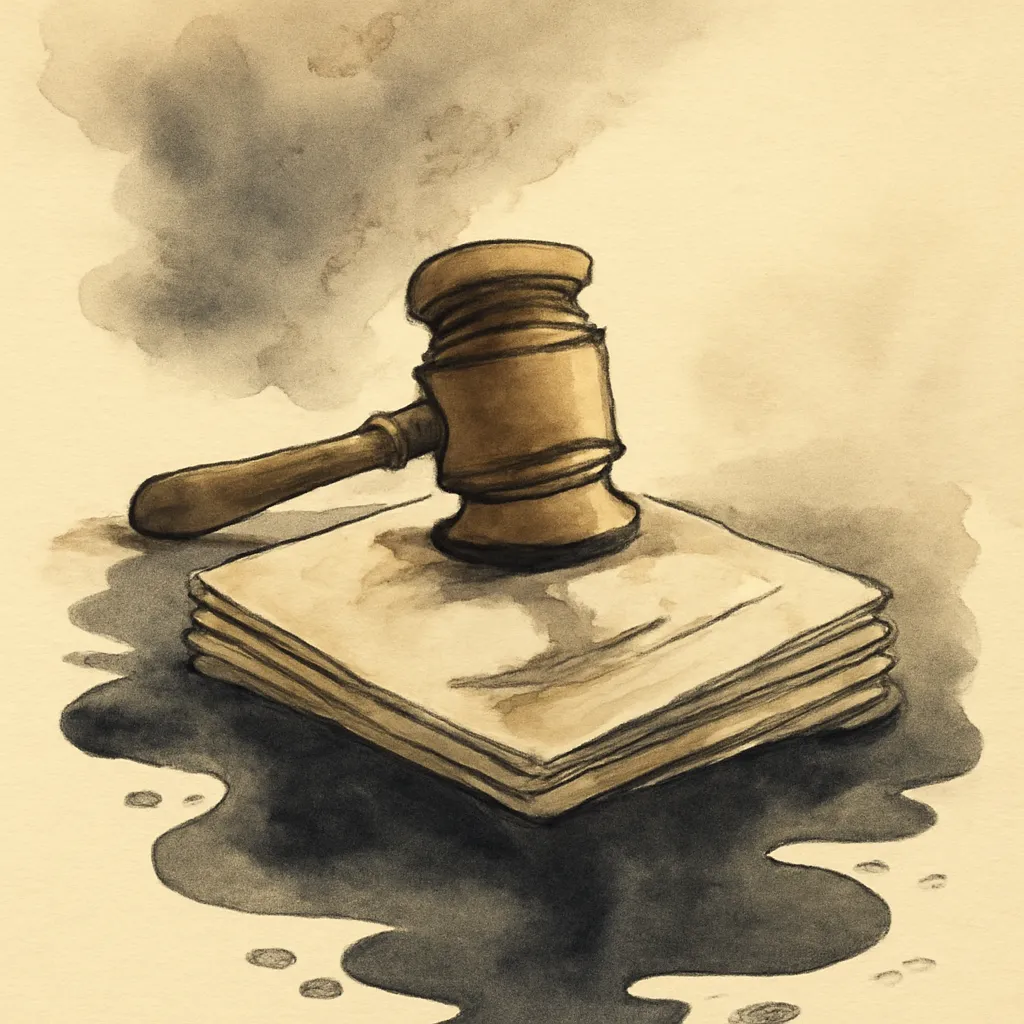
6.Justice and Its Limitations
The climactic court-martial is less about establishing truth than about navigating the gray areas of justice. Wouk uses the trial to interrogate the limits of legal and moral judgment, suggesting that in the chaos of war, justice can be as murky as the events it seeks to adjudicate.