1.Birth of the Iconic Legal Detective
This novel marks the debut of Perry Mason, a character who would become synonymous with the legal mystery genre. Mason’s approach is distinctive: he is not just a lawyer, but an investigator who blurs the line between legal counsel and private detective. His willingness to bend, but not break, the law in pursuit of justice sets him apart from more conventional sleuths and establishes a template for countless successors.
2.Morality Versus Legality
Gardner’s story probes the tension between what is legal and what is right. Mason often operates in gray areas, making choices that challenge the strict boundaries of the law. The plot forces readers to consider whether justice is always served by following the rules, or if sometimes, achieving the right outcome requires coloring outside the lines.
3.The Power of Perception and Deception
Central to the mystery is the theme of appearances versus reality. Nearly every character harbors secrets or hidden motives, and Mason must sift through layers of deception to uncover the truth. The book explores how public perception, media manipulation, and personal duplicity can obscure facts and complicate the pursuit of justice.
4.Women and Agency in 1930s Crime Fiction
Eva Griffin, the client at the center of the case, is portrayed as both vulnerable and cunning, reflecting the era’s shifting attitudes toward women in fiction. Her actions drive the plot and challenge Mason’s assumptions, highlighting the complexities of female agency in a genre often dominated by male perspectives.
5.Pace and Plotting as Hallmarks
Gardner’s writing is brisk, dialogue-driven, and focused on action, setting a template for modern legal thrillers. The narrative moves quickly, with twists and reversals that keep readers guessing. This fast pace, combined with intricate plotting, makes the book as much a puzzle for the reader as for Mason himself.
6.Legal System as Battleground
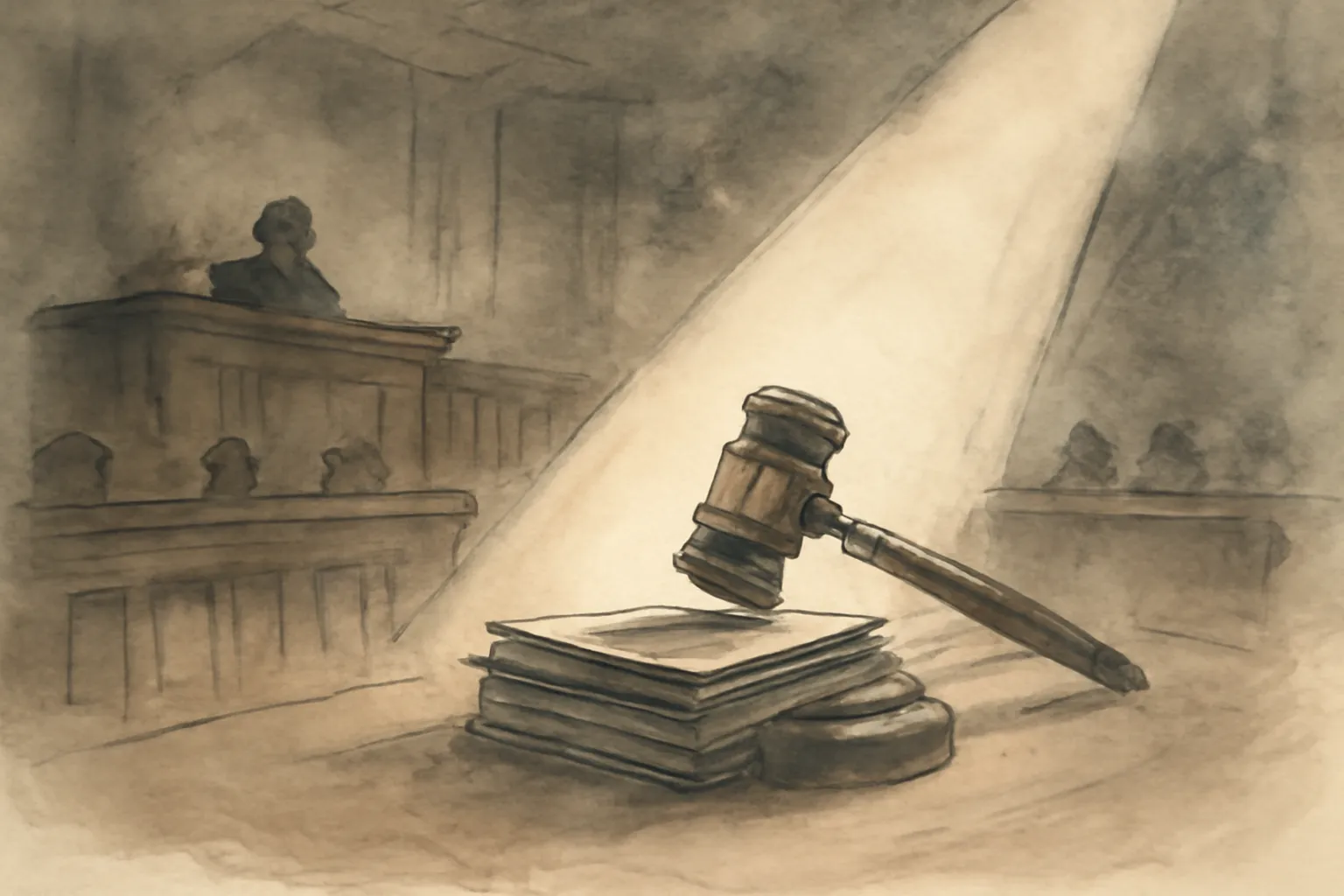
The novel treats the courtroom and the law office as arenas for intellectual combat. Mason’s adversaries are not just criminals, but also police, prosecutors, and even his own clients. The story underscores the adversarial nature of the legal system and the skill required to navigate its pitfalls.