1.The Transformation of Spiritual Perception
The girls' experience at Chautauqua fundamentally alters their understanding of faith and spirituality. On their return, the church they once viewed as simply a beautiful building transforms into a 'visible temple of the invisible God.' This shift signifies a deeper recognition of the church's role in their lives, as they no longer see it through the lens of societal status but as a place of genuine worship. Their newfound perception is not just about aesthetics; it represents their growing understanding of faith as a personal and communal journey. This transformation highlights how spiritual experiences can profoundly reshape one's worldview and connection to community. For example, when Eurie opens her blinds and inhales the sweet air, she feels a fresh sense of purpose, suggesting that a change in environment can lead to a significant shift in one's spiritual state.
2.Flossy's Challenge in Teaching
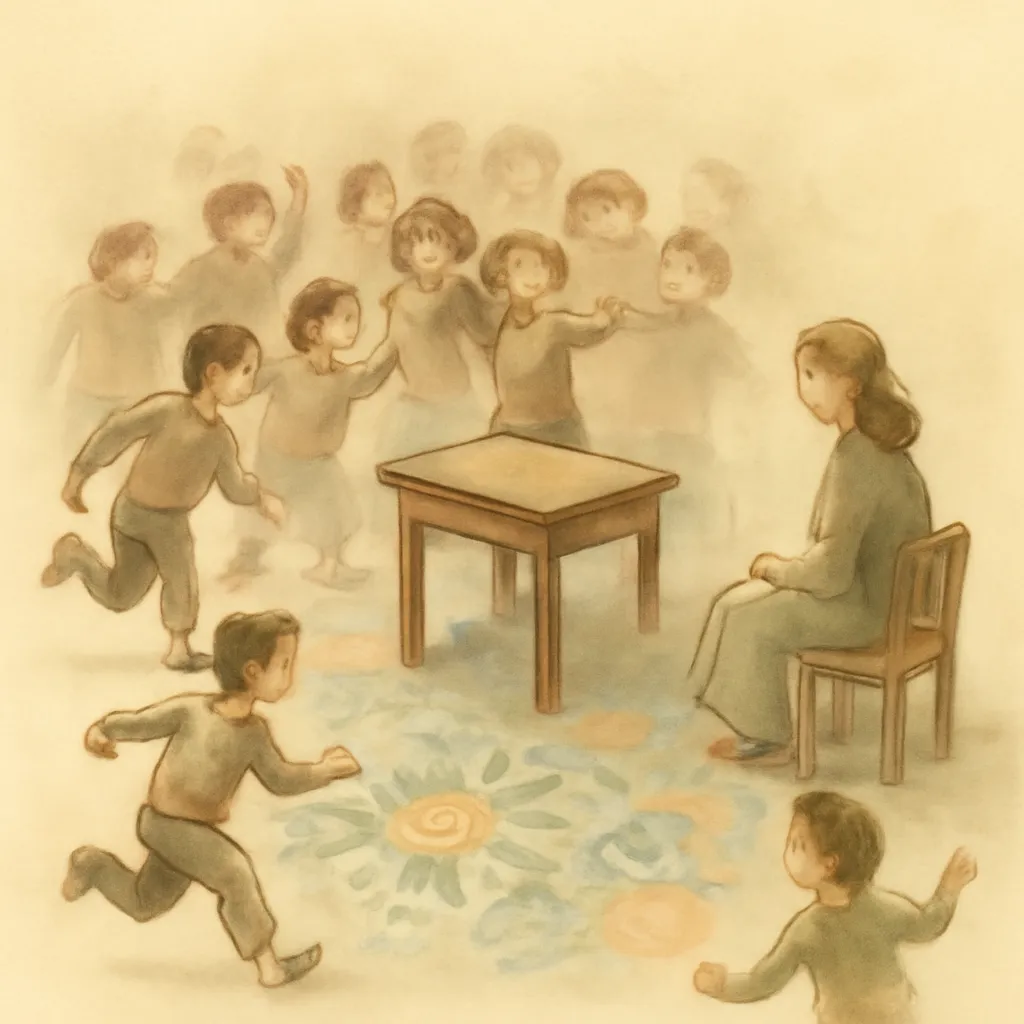
Flossy Shipley faces an unexpected challenge when she volunteers to teach a Sunday school class for boys. Initially filled with trepidation, she quickly realizes that her charm and confidence can engage them, despite their initial disrespect. This experience illustrates the importance of stepping outside one's comfort zone and the potential for personal growth that comes from facing challenges. Flossy's determination to teach, despite her lack of experience, demonstrates that true teaching comes from the heart and the ability to connect with others. The scene where she admits to her class that she has never taught before and asks them to help her illustrates her vulnerability and authenticity, which ultimately draws the boys in. It underscores the theme that genuine connections can transcend superficial barriers, allowing for meaningful interactions.
3.Marion's Burden of Routine

Marion Wilbur's return home brings a stark contrast to her previous experiences at Chautauqua. Initially filled with hope and plans for the future, she quickly finds herself overwhelmed by the monotony of her daily life and the drudgery of her teaching job. The dreary weather reflects her internal struggle, as she grapples with feelings of disillusionment. On the first day back, as rain clouds replace the vibrant sunshine, she confronts the stark reality of her classroom and the tediousness of grading papers. This shift from inspiration to routine serves as a poignant reminder of the challenges many face when trying to integrate transformative experiences into everyday life. Marion's journey emphasizes the need for resilience and the importance of finding joy and purpose, even in the mundane. Her internal conflict between the joy she felt at Chautauqua and the drudgery of her teaching role highlights the struggle many face in maintaining enthusiasm in the face of daily pressures.
4.Col. Baker's Influence on Flossy
Col. Baker's interactions with Flossy Shipley reveal the complexities of social expectations and personal desires. Initially, Flossy is excited about his attention, but she soon becomes disillusioned by the superficiality of their conversations. His frequent visits serve as a reminder of the societal pressures that come with their social standings. The evening Flossy plays cards instead of engaging in more meaningful interactions illustrates the tension between her desire for connection and the emptiness of social obligations. Flossy's struggle to maintain her authenticity in the face of such pressures is a central theme in the book, illustrating how friendships can be both uplifting and burdensome. Additionally, her realization that Col. Baker's interest may rest in her social status rather than her character prompts her to reevaluate her relationships, encouraging readers to consider the depth of their connections.
5.Support and Mentorship in Faith
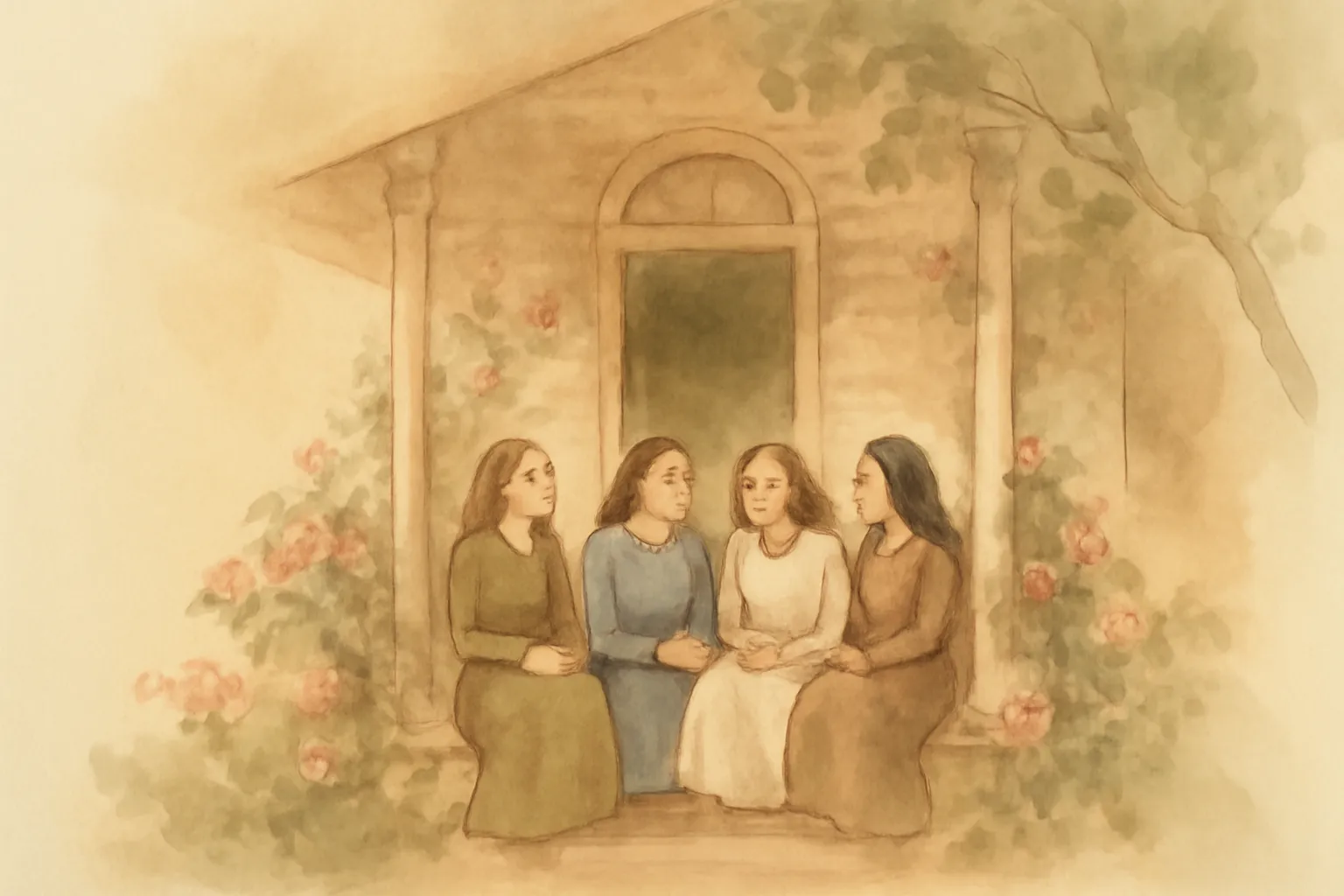
The girls’ relationships with each other serve as a critical support system as they navigate their spiritual journeys. Through prayer meetings and personal discussions, they encourage one another to be more involved in their church and community. For instance, Eurie's suggestion to visit Dr. Dennis stems from her desire to take an active role in their church's activities, showing how mentorship can inspire individuals to seek greater involvement. Their collective decision to expand the prayer meeting demonstrates their commitment to fostering a welcoming and inclusive environment for all. This theme of support emphasizes the importance of community in fostering spiritual growth and personal development, reminding readers that faith is often strengthened through shared experiences and encouragement. The bond between the girls exemplifies how collective efforts can lead to transformative community engagement, making them stronger together.
6.The Struggle for Authenticity
As the girls return to their routine lives, they grapple with the challenge of maintaining their newfound convictions in a world that often discourages authenticity. Marion's internal conflict about attending social events that conflict with her values highlights the tension between societal expectations and personal beliefs. Flossy's desire to fit into her social circle while remaining true to her faith illustrates the broader struggle many face when trying to reconcile their beliefs with external pressures. The scene where Flossy contemplates whether to attend an extravagant party while feeling an inner pull to engage in more meaningful pursuits encapsulates this struggle. This ongoing battle for authenticity serves as a powerful reminder that personal integrity often requires courage and a willingness to stand apart from the crowd, demonstrating that embracing one's convictions is a lifelong journey.
7.Community Engagement and Its Importance
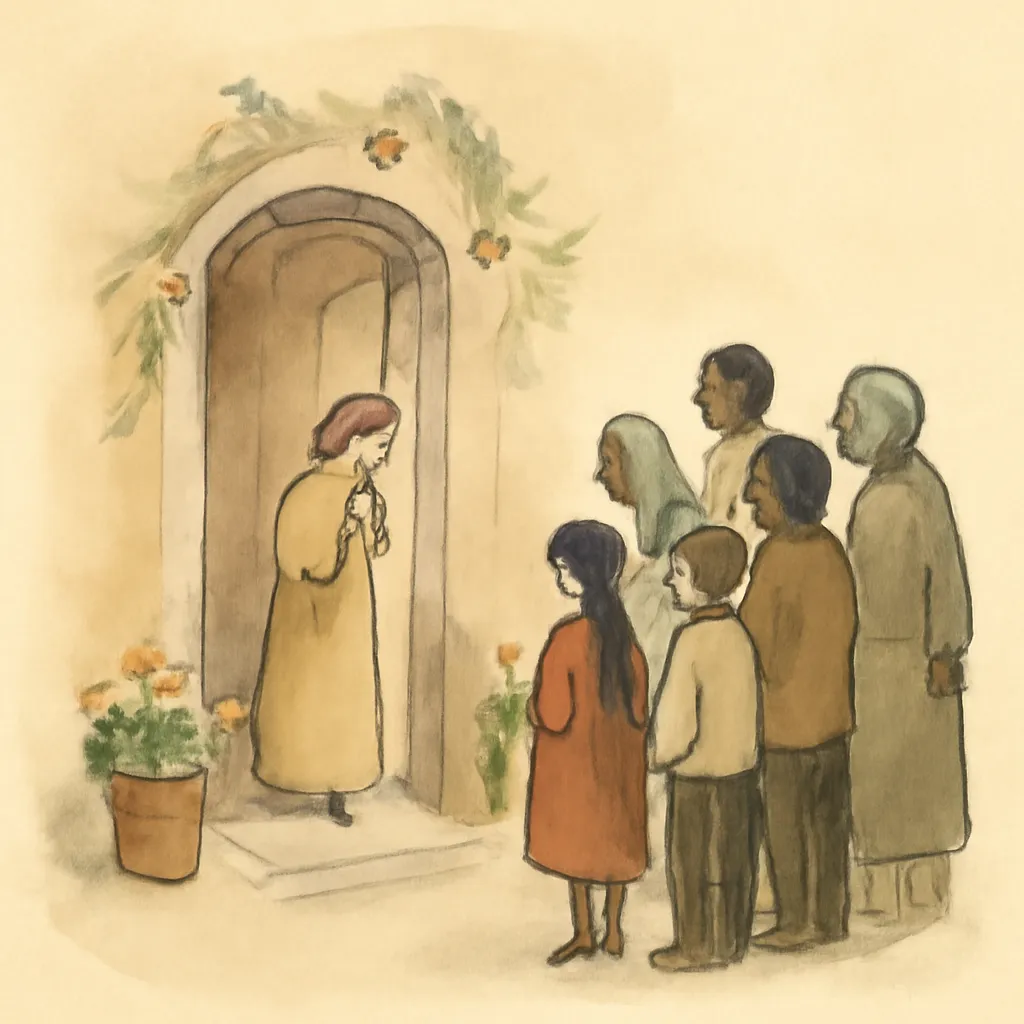
The girls' desire to engage with their community is a central theme in the narrative. Their efforts to expand the prayer meeting and invite others to join reflect a commitment to fostering a welcoming and inclusive environment. For instance, when Flossy triumphantly brings her father, Judge Erskine, to the prayer meeting, it signifies a breakthrough in connecting their community with faith. This initiative not only strengthens their own faith but also enriches the lives of others in their community. The text emphasizes that community engagement is not just about attendance but about making meaningful connections and sharing experiences that uplift and inspire. The girls' actions illustrate how small efforts can lead to significant changes in community dynamics, reinforcing the idea that every individual can contribute to a greater purpose. Their collective determination showcases the impact of grassroots movements in fostering a sense of belonging and purpose in a community.
8.The Role of Personal Reflection

Throughout The Chautauqua Girls At Home, personal reflection plays a significant role in the characters' development. Each girl takes time to evaluate her experiences, feelings, and the changes in her life since returning from Chautauqua. For instance, Ruth's introspection leads her to confront her reluctance to engage in Christian work, highlighting how self-awareness is essential for growth. The moments where she reflects on her interactions with her father and her struggle to balance societal expectations with her spiritual desires represent a deeper understanding of her personal journey. This theme emphasizes the importance of taking time to reflect on one's beliefs and actions, as it is through this process that individuals can gain clarity and direction in their spiritual journeys. The narrative encourages readers to embrace personal reflection as a vital component of faith, suggesting that understanding oneself is key to navigating life's complexities.
9.Navigating Personal Relationships

The intricate dynamics of the girls' friendships are explored in depth, showcasing the joys and challenges of navigating personal relationships. Their interactions reveal how friendships can evolve through shared experiences, misunderstandings, and the need for forgiveness. For example, the tension between Marion and Flossy regarding their differing views on social activities illustrates the complexities of maintaining friendships while holding strong to personal beliefs. The scene where Marion gently encourages Flossy to consider the values behind their actions demonstrates the importance of open dialogue in resolving conflicts. The author demonstrates that while friendships can provide support, they can also challenge individuals to grow and reassess their values. This exploration of relationships emphasizes the importance of communication and understanding in sustaining meaningful connections, making it clear that the foundation of strong friendships lies in mutual respect and shared growth.
10.The Impact of Societal Expectations

The girls' experiences are heavily influenced by societal expectations, which often create tension between their personal desires and the roles they are expected to fulfill. The pressures to conform to traditional gender roles and social norms are evident in their interactions with male characters, particularly Col. Baker. Flossy's struggle to balance her social ambitions with her spiritual convictions highlights the challenges women faced during this period. The narrative critiques these societal norms, encouraging readers to examine the impact of external expectations on personal growth and authenticity. The moment when Flossy decides to prioritize her spiritual commitments over social engagements serves as a pivotal point in her character development. By addressing these pressures, the book advocates for a more nuanced understanding of individuality and the courage to defy societal constraints, reflecting a desire for deeper meaning beyond superficial social standards.