1.Tara's Defiance and Independence
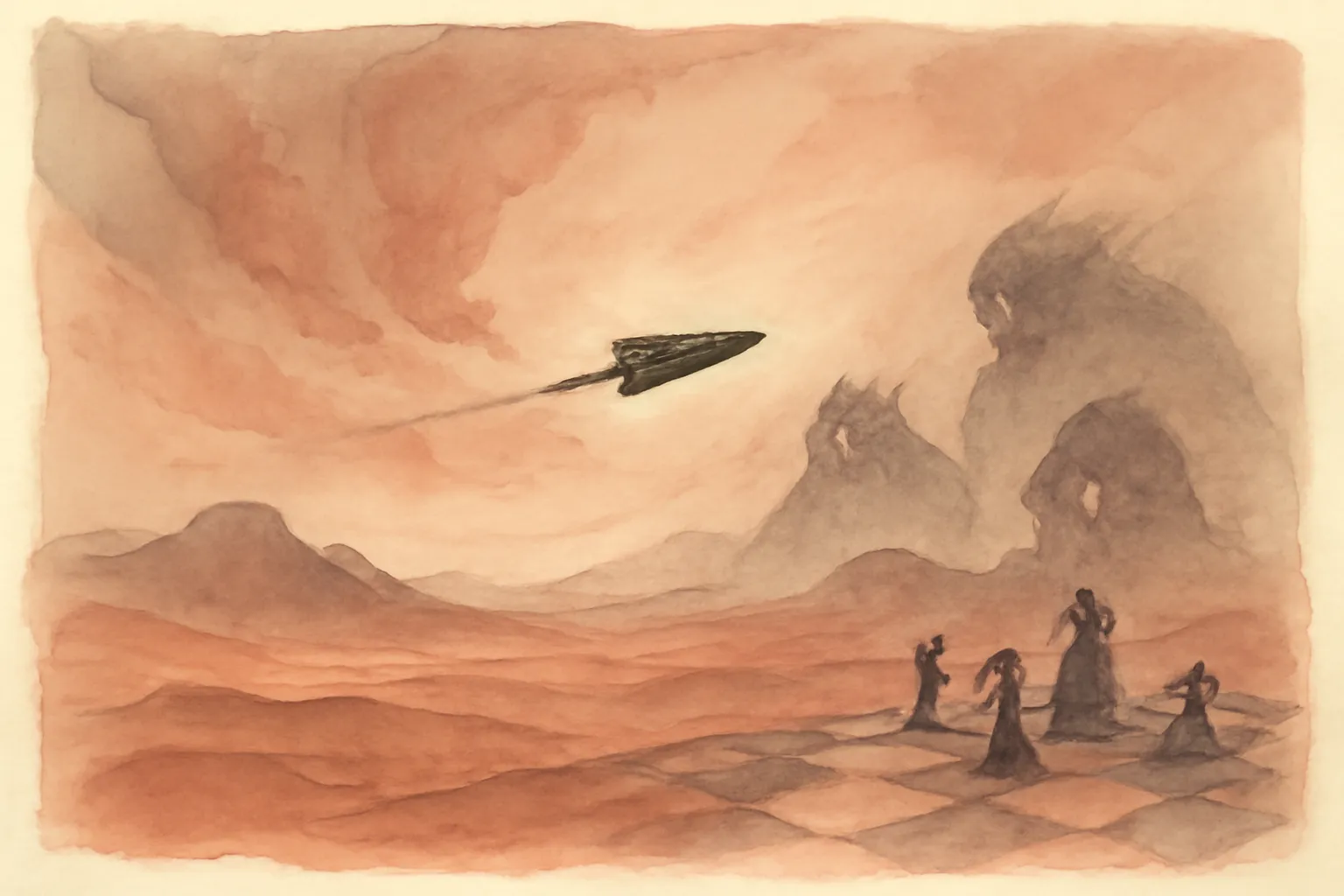
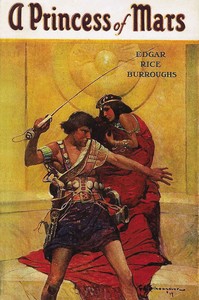
Tara of Helium, the spirited princess, emerges as a strong-willed character who defies societal expectations and seeks her own path. Right from the beginning, she exhibits a fierce independence that is evident when she decides to fly alone, disregarding the concerns of her father and her slave girl, Uthia. This act of rebellion highlights her desire for autonomy in a world that often constrains women to the roles of daughter and wife. Tara's journey reflects the broader theme of individual agency versus societal norms, illustrating the lengths to which one might go to assert their identity. Her character serves as a beacon of strength, challenging the patriarchal structures of Barsoomian society. As she navigates perilous situations, Tara's defiance becomes a source of empowerment, allowing her to confront both external threats and internal conflicts.
2.The Horrors of the Kaldanes
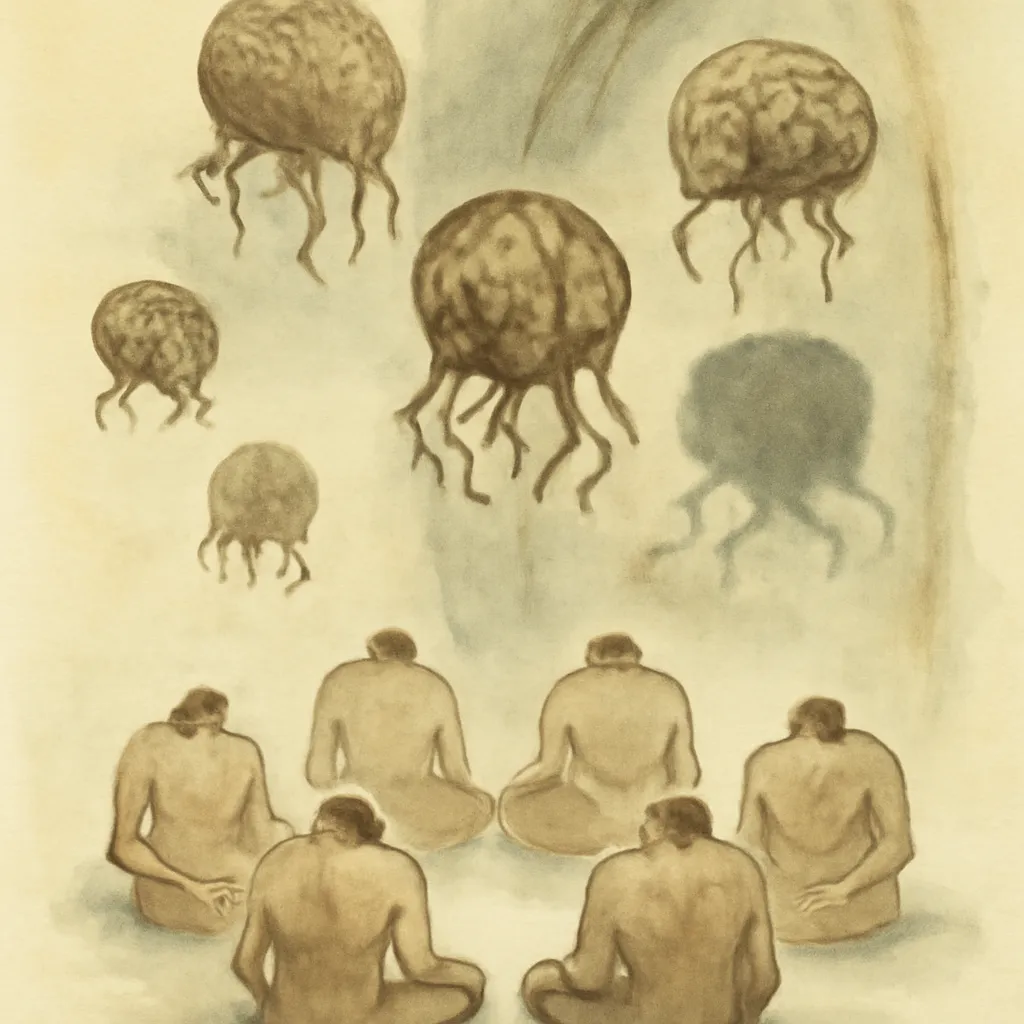
The kaldanes represent one of the most grotesque and fascinating elements of this Martian tale. They are creatures with a detached brain that can dominate the headless bodies known as rykors, raising questions about identity and autonomy. When Tara encounters these beings, she is horrified to see them feasting on human flesh, showcasing their brutal nature and the depths of their depravity. This unsettling imagery serves as a stark reminder of the horrors that lurk in the shadows of civilization. The kaldanes symbolize the loss of humanity and the dangers of unchecked intellect that sacrifices empathy for power. Burroughs uses these creatures to explore themes of control and the moral implications of domination, forcing readers to reflect on the ethical boundaries of intelligence and the essence of what it means to be alive. The juxtaposition of the kaldanes’ cold logic against Tara’s vibrant humanity highlights the struggle between mind and heart.
3.The Tempest and the Quest for Love
The opening scenes of the novel are marked by a violent storm that serves as a metaphor for the tumultuous emotions and conflicts that will unfold. Tara's decision to fly amidst the gale illustrates her reckless bravery, but it also sets the stage for her kidnapping and subsequent trials. This tempest not only acts as a physical barrier but also symbolizes the emotional upheaval that accompanies her journey. As Tara grapples with her feelings for Djor Kantos and the implications of her love, the storm mirrors her internal chaos. The quest for love becomes fraught with danger, as her captors and the political machinations of Barsoom threaten to tear her from her desires. Burroughs deftly intertwines romantic tension with elements of adventure, creating a narrative that is as much about the heart as it is about the struggle for survival. The storm serves as a catalyst for Tara's transformation, pushing her toward self-discovery and resilience.
4.The Nature of Loyalty
Loyalty is a central theme that runs through the lives of the characters, particularly in the relationships between Tara, Ghek, and Turan. Ghek, a kaldane, finds himself torn between his nature and the newfound emotions stirred by Tara's presence. His loyalty to his kind is challenged as he grapples with the desire to protect her, illustrating the complexity of allegiance in a world where survival often trumps morality. Turan, the panthan, embodies the archetypal hero who is driven by love and duty, risking his life to save Tara. The interplay of loyalty among these characters highlights the sacrifices they are willing to make for one another, even in the face of overwhelming odds. Burroughs paints a nuanced portrait of loyalty, suggesting that it is both a personal and a political force that shapes the destinies of individuals. The characters' commitments to one another serve as a counterpoint to the betrayal and manipulation that permeate the higher echelons of Barsoomian society.
5.The Chess Game as a Metaphor for Life
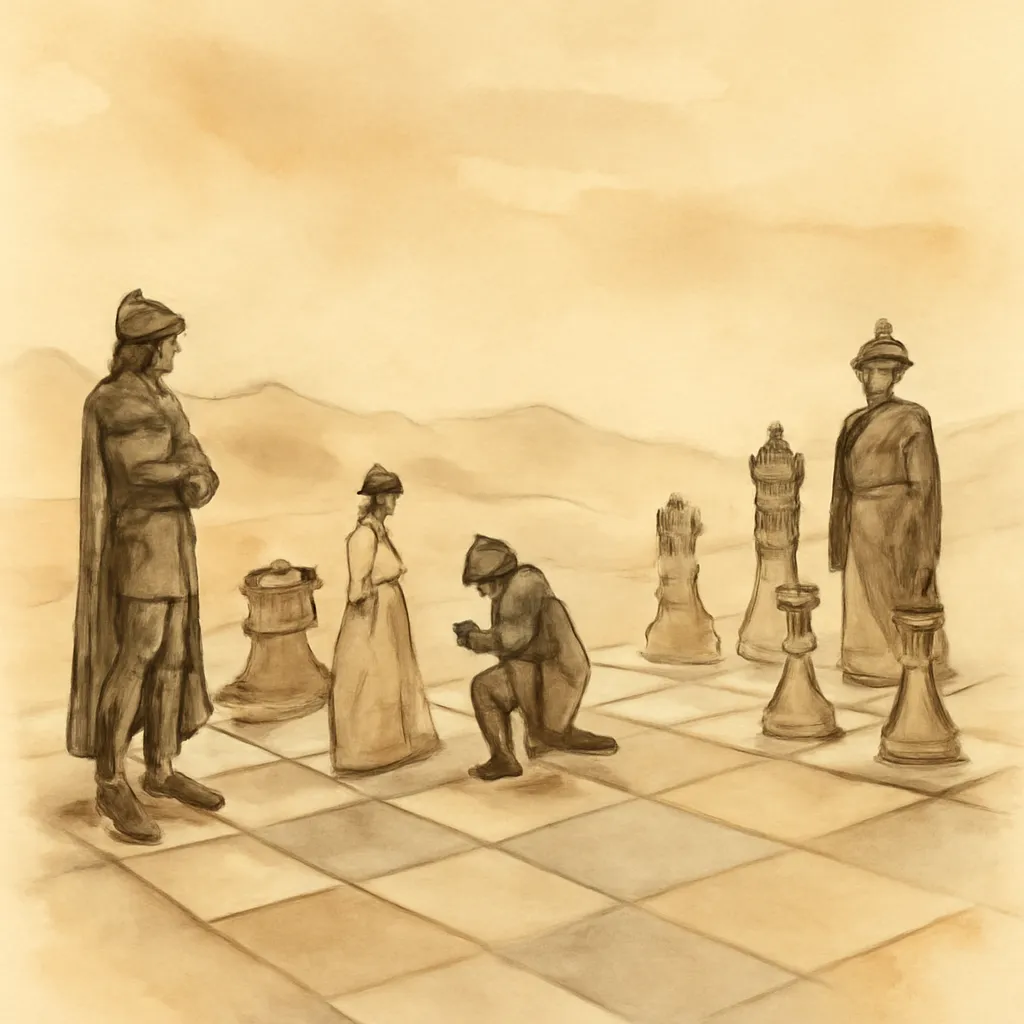
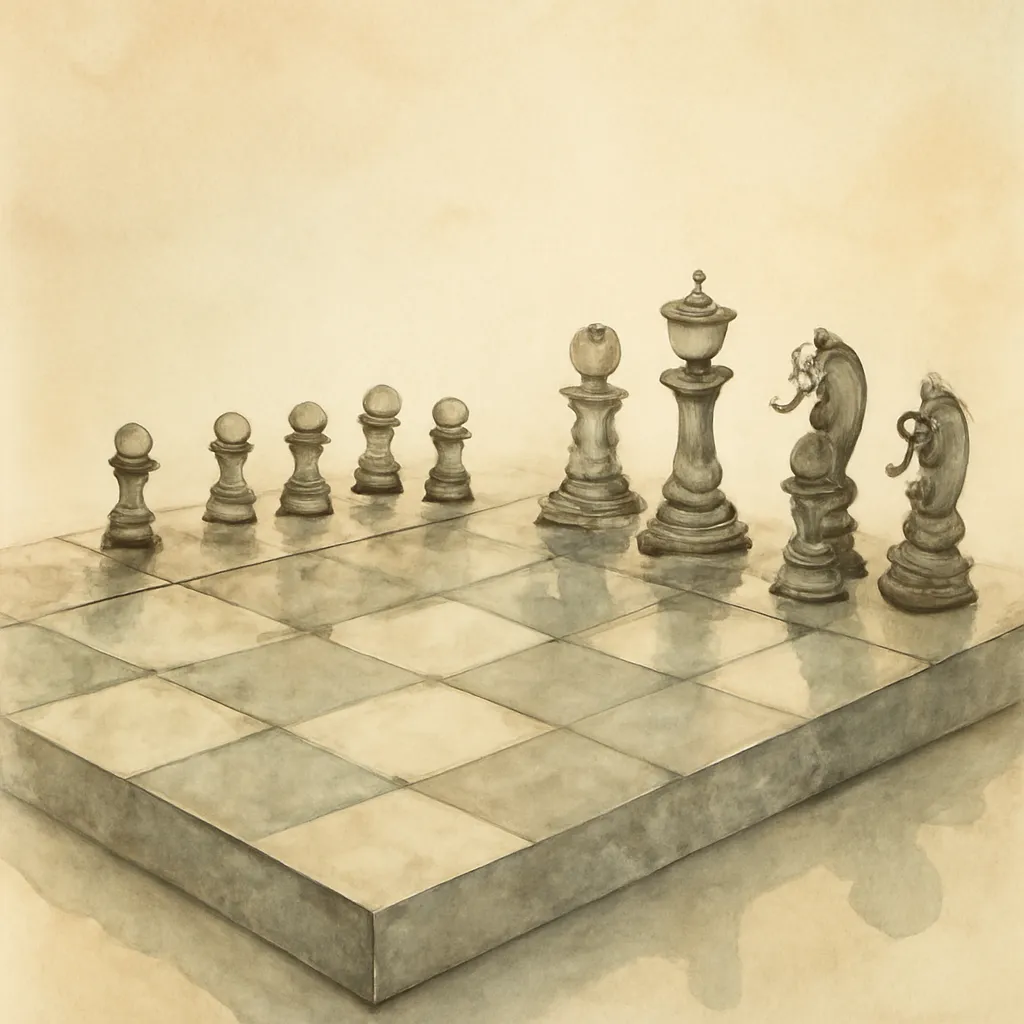
The game of jetan, akin to chess, serves as a powerful metaphor throughout the narrative, encapsulating the strategic maneuvering required in both love and war. Characters are often compared to pieces on a board, each with their own strengths and weaknesses, and their movements dictate the course of the story. The stakes of the games are high, with lives hanging in the balance, mirroring the real-life consequences of the characters' decisions. Burroughs uses this game to illustrate the complexity of human interactions, where each choice can lead to victory or defeat. The tactical nature of jetan reflects the intricate dynamics of power, as characters navigate alliances and enmities. Through this lens, the author invites readers to consider the broader implications of strategy and choice in their own lives, emphasizing that life itself is a game where the players must remain vigilant and cunning to survive.
6.The Psychological Depth of Characters
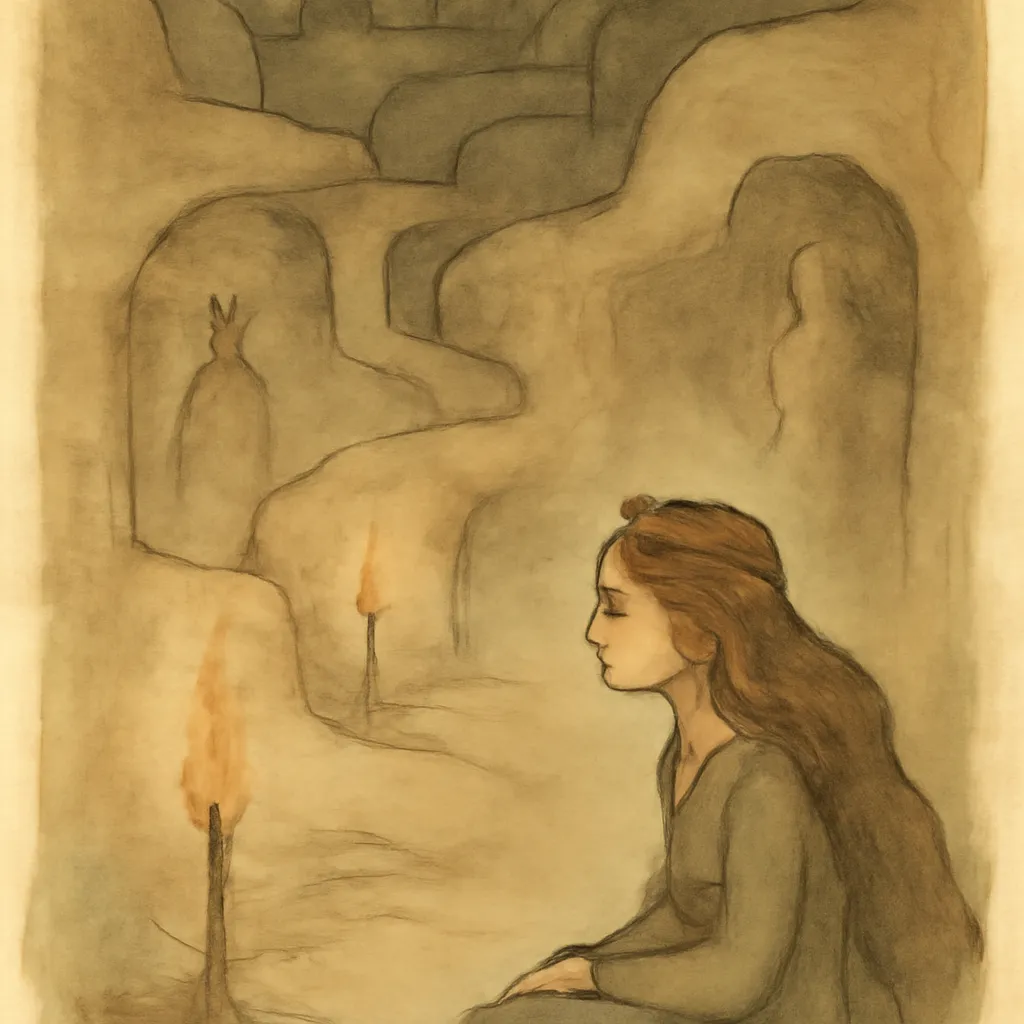
Burroughs invests significant effort into developing the psychological profiles of his characters, particularly Tara, Ghek, and Turan. Tara’s inner conflicts are vividly portrayed as she balances her royal duties with her desires for freedom and love. Her emotional landscape is complex, filled with anger, confusion, and determination, making her a relatable protagonist. Ghek, on the other hand, embodies the struggle between intellect and emotion, as he grapples with his kaldane instincts versus his growing attachment to Tara. This internal conflict adds depth to his character, transforming him from a mere antagonist into a figure of sympathy. Turan’s unwavering loyalty and bravery also reflect a rich psychological texture, as he confronts his fears and insecurities while striving to protect Tara. Burroughs’ character development invites readers to empathize with their struggles, emphasizing that the battles fought within are often as significant as those fought without. This psychological depth enhances the narrative, making it not only an adventure story but also a profound exploration of the human experience.
7.The Role of Women in Barsoomian Society
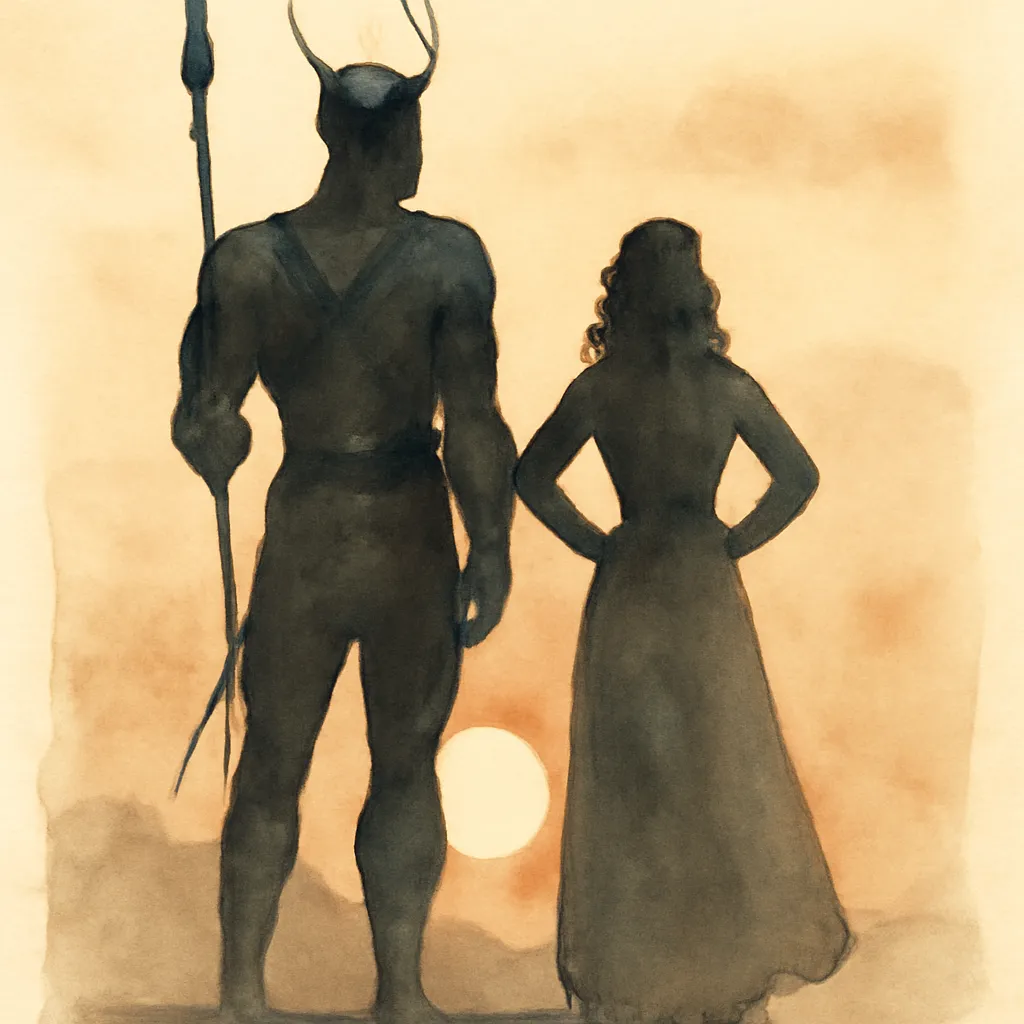
The Chessmen of Mars presents a complex portrayal of women in a patriarchal society, with Tara of Helium standing out as a powerful female figure. While the society of Barsoom is largely male-dominated, Tara challenges these norms through her assertive actions and refusal to conform to expectations. Her experiences highlight the limitations placed on women, yet she consistently finds ways to assert her agency. The contrast between Tara and the other female characters, such as Uthia, who represent traditional roles, underscores the varying degrees of empowerment. Burroughs critiques the societal structures that confine women while simultaneously celebrating those who defy them. Tara's journey becomes a symbol of resistance, showing that women can possess strength, intelligence, and a fierce will to shape their own destinies. This exploration of gender roles adds a layer of social commentary to the narrative, inviting readers to reflect on the implications of gender in their own lives.
8.Friendship and Betrayal
The novel intricately weaves themes of friendship and betrayal, particularly in the relationships among the main characters. As Tara navigates her perilous journey, she encounters various allies and adversaries, each with their own agendas. The bonds of friendship are tested by the harsh realities of survival, as characters must choose between loyalty to one another and the pursuit of personal goals. The betrayal of trust is a recurring motif, as characters grapple with the consequences of their choices. Burroughs illustrates that friendship in a world filled with treachery can be both a source of strength and vulnerability. The dynamics between characters reveal the complexities of human relationships, emphasizing that trust is fragile and can be easily shattered. This exploration of friendship and betrayal enriches the narrative, providing readers with a deeper understanding of the emotional stakes involved in the characters' journeys.
9.The Thrill of Adventure and Exploration
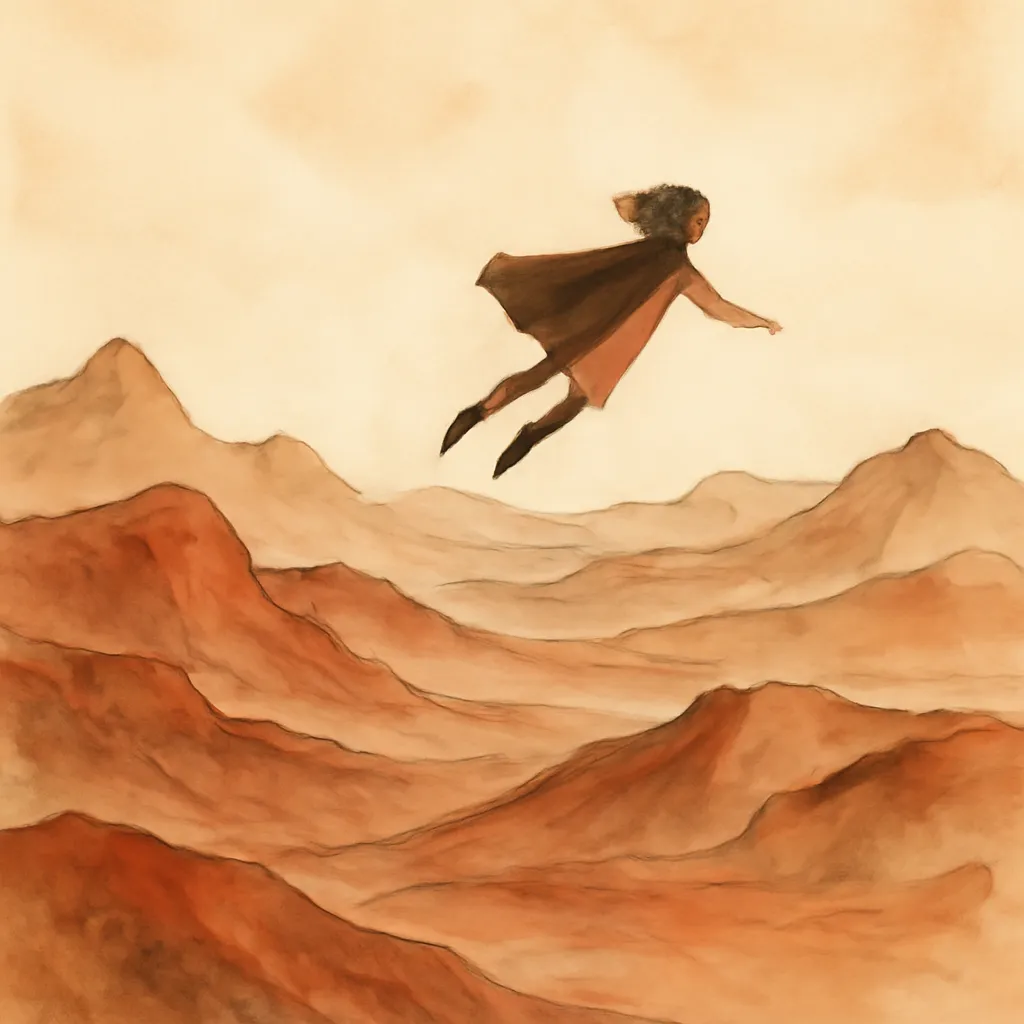
Adventure and exploration are central to the narrative, with Burroughs immersing readers in the vibrant and dangerous landscapes of Barsoom. From the treacherous skies to the dark underworld of the kaldanes, the settings are vividly described, evoking a sense of wonder and danger. The thrill of adventure is palpable as Tara and her companions confront various challenges, from battling monstrous foes to navigating intricate political intrigues. Burroughs captures the essence of exploration, inviting readers to experience the awe and terror of uncharted territories. This sense of adventure serves as a driving force in the story, propelling the characters forward and compelling them to confront their fears. The author skillfully balances moments of action with introspection, ensuring that the thrill of adventure is not merely about physical challenges but also about personal growth and discovery. This exploration of adventure appeals to the reader's sense of curiosity and desire for escapism, making the narrative both exhilarating and thought-provoking.
10.The Power of Music and Art
Music and art play a significant role in The Chessmen of Mars, serving as expressions of emotion and connections between characters. Tara's singing captivates Ghek, revealing the profound impact that art can have on even the most detached beings. Through music, Tara communicates her humanity and evokes empathy in others, bridging the gap between different worlds. The presence of art in the narrative underscores the importance of creativity in shaping identity and fostering connections. Burroughs suggests that art transcends cultural boundaries and serves as a universal language that can foster understanding and compassion. This theme resonates deeply, reminding readers of the transformative power of creativity in their own lives. The inclusion of music and art adds richness to the narrative, enhancing the emotional depth and highlighting the capacity for beauty amidst the chaos of conflict.