1.The Story of Creation: A Foundation of Faith
The narrative of creation is not just a recounting of how the world came into being; it serves as a fundamental cornerstone of faith for children. In simple language, the story illustrates how God created the world in six days, emphasizing the beauty and order of His creation. Each element, from light to animals, showcases God's power and creativity, instilling a sense of wonder in young readers. This foundational story teaches children about the importance of respecting nature and understanding their place within it. Furthermore, it introduces the concept of a loving Creator, who desires a relationship with humanity, setting the stage for the moral lessons that follow throughout the Bible. By engaging with this narrative, children begin to form a worldview that sees creation as a deliberate act of love, fostering a sense of gratitude for the world around them.
2.Lessons from Cain and Abel: The Importance of Choices
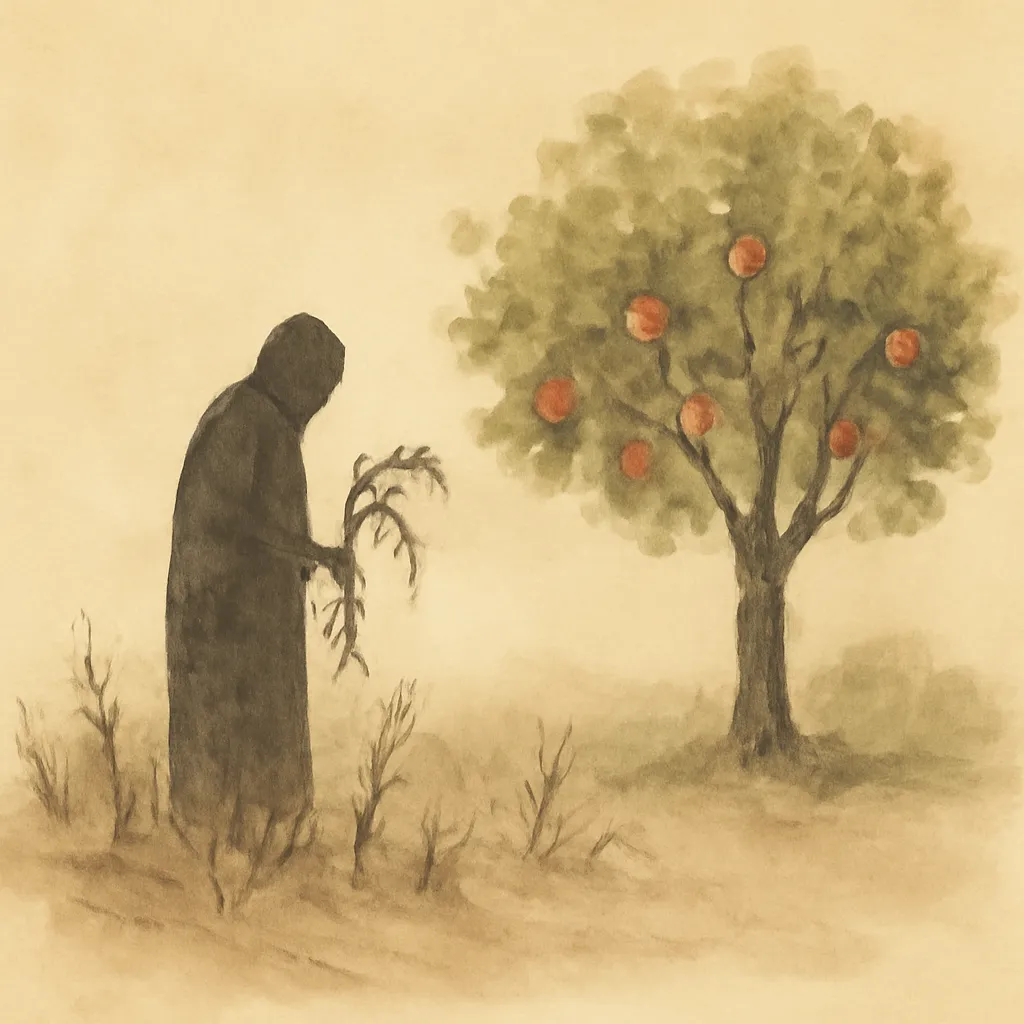
The story of Cain and Abel serves as a poignant lesson about the consequences of our choices. Cain's anger and jealousy led him to commit a grave sin against his brother, illustrating the destructive power of negative emotions. This narrative teaches children about personal responsibility and the importance of mastering one's feelings. The dialogue between God and Cain highlights the notion that while we may face temptations, we have the power to choose right over wrong. By exploring Cain's internal struggle, children learn that emotions can lead to significant consequences if not managed wisely. This story encourages young readers to reflect on their actions and the impact they have on others, fostering empathy and accountability. Moreover, it prompts discussions about the significance of forgiveness and reconciliation, which are essential for healthy relationships.
3.Noah's Ark: Faith and Obedience
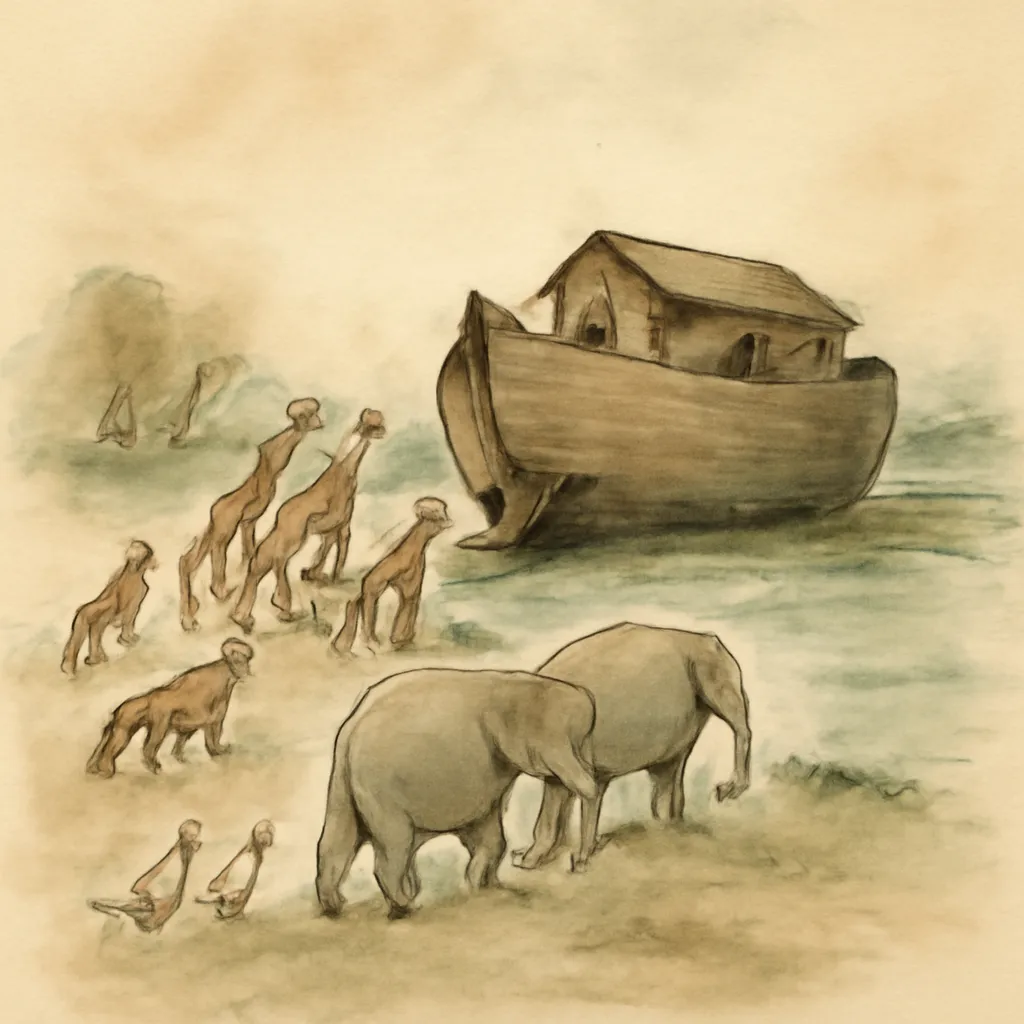
The account of Noah and the Ark is a powerful testament to faith and obedience in God’s commands. Noah's unwavering trust in God's plan, despite the ridicule he faced, exemplifies the importance of standing firm in one’s beliefs. This story teaches children that faith often requires action, as seen in Noah’s efforts to build the Ark. The rainbow, a symbol of God's promise, introduces themes of hope and redemption, reminding children that God is always present, even in times of difficulty. As they learn about Noah’s experience, children can connect with themes of courage and resilience, gaining insight into the importance of listening to divine guidance. By experiencing Noah's journey, children are empowered to trust their instincts and values when faced with challenges. This narrative also encourages discussions about environmental stewardship, as Noah’s role in preserving life can inspire a sense of responsibility towards creation.
4.Abraham's Loyalty: The Test of Faith
Abraham's willingness to sacrifice his son Isaac at God's command is one of the most profound demonstrations of faith in the Bible. This narrative, while challenging, opens discussions about trust and obedience to God, even when the path seems unclear. It encourages children to think about what it means to put faith into action and the importance of following one’s convictions. The moment when God intervenes and provides a ram instead of Isaac teaches children about God's mercy and provision. Abraham’s story illustrates that true faith often involves difficult choices but ultimately leads to blessings, nurturing a deeper understanding of the nature of faith in their own lives. This lesson extends to discussions about personal sacrifice and the idea that faith calls for courage in the face of uncertainty. Children learn that their beliefs may require them to make tough decisions, yet they can trust that there is a larger plan at work.
5.Joseph: A Model of Forgiveness and Integrity
The story of Joseph, sold into slavery by his brothers, is a powerful narrative of resilience and forgiveness. Joseph's journey from the pit to the palace showcases the importance of integrity and maintaining faith in God through adversity. His ability to forgive his brothers, despite their betrayal, serves as a profound example for children about the power of forgiveness and the importance of family. Joseph’s rise to power in Egypt demonstrates that even in the darkest times, good can emerge from suffering. This story teaches children about the value of perseverance, emphasizing that setbacks can lead to greater purposes. Moreover, it introduces the concept of reconciliation and healing within relationships, encouraging children to understand that forgiveness is a path to freedom and peace. By reflecting on Joseph’s choices, children can learn about the importance of integrity and compassion in their own lives.
6.Moses and the Exodus: Leadership and Liberation

Moses' leadership during the Exodus from Egypt introduces children to themes of freedom, justice, and divine guidance. The story emphasizes the importance of standing up against oppression and the moral imperative to seek justice for the marginalized. Children learn that true leadership involves listening to God and being willing to take risks for the sake of others. The plagues and the parting of the Red Sea serve as awe-inspiring moments that illustrate God's power and commitment to His people. This narrative encourages young readers to reflect on their roles in standing against injustice and their responsibilities to help others find freedom and hope. Additionally, the story of Moses teaches resilience, as he faced numerous challenges in leading his people. Through engaging with this story, children are inspired to embody qualities of courage, compassion, and advocacy in their communities, recognizing that they too can be agents of change.
7.The Ten Commandments: A Moral Framework

The giving of the Ten Commandments at Mount Sinai provides a foundational moral framework for children. These commandments outline essential principles for living a good and righteous life, emphasizing the importance of respect, honesty, and love for God and others. Each commandment serves as a guideline for ethical behavior, teaching children about accountability and the impact of their actions on their communities. By learning these commands, children can understand the significance of moral choices and the values that foster harmony and respect among individuals. This framework encourages discussions about right and wrong, helping children navigate their own moral landscapes. Moreover, the commandments serve as a springboard for conversations about social justice, personal responsibility, and the importance of upholding communal values. In a world where moral guidance can often feel ambiguous, these commandments provide clarity and structure for young minds.
8.The Power of Prayer: David's Psalms

The Psalms, particularly those attributed to David, offer children a rich understanding of prayer and its importance in their lives. These heartfelt songs express a range of emotions, from joy to sorrow, teaching children that it is okay to bring their feelings to God. The Psalms encourage a personal relationship with God, emphasizing that prayer can be a source of comfort and strength. By engaging with these poetic expressions, children learn to articulate their own feelings and develop a habit of turning to prayer in times of need. This aspect of the Bible nurtures emotional intelligence and spiritual growth, helping children understand the significance of seeking solace and guidance through prayer. Moreover, the Psalms teach the concept of gratitude, as many psalms express thankfulness for God's blessings, encouraging children to recognize and appreciate the gifts in their own lives. This practice of gratitude can foster a positive outlook and resilience in facing life's challenges.
9.Esther: Courage and Advocacy
The story of Esther showcases the power of courage and advocacy in the face of danger. Esther's bravery in approaching the king to save her people serves as an inspiring example for children about standing up for what is right. This narrative teaches that individuals can make a significant impact, even when they feel powerless. Esther's story highlights the importance of using one's voice to advocate for justice and protection of the vulnerable. Through her example, children learn about the necessity of courage and the impact that one person can have in changing the course of events, encouraging them to be proactive in their own communities. This story also opens discussions about identity and belonging, as Esther navigates her dual identity as a Jew in a foreign land. By engaging with Esther’s narrative, children can reflect on their own values and the importance of standing firm in their beliefs, even when facing adversity.