1.The Way of Unknowing
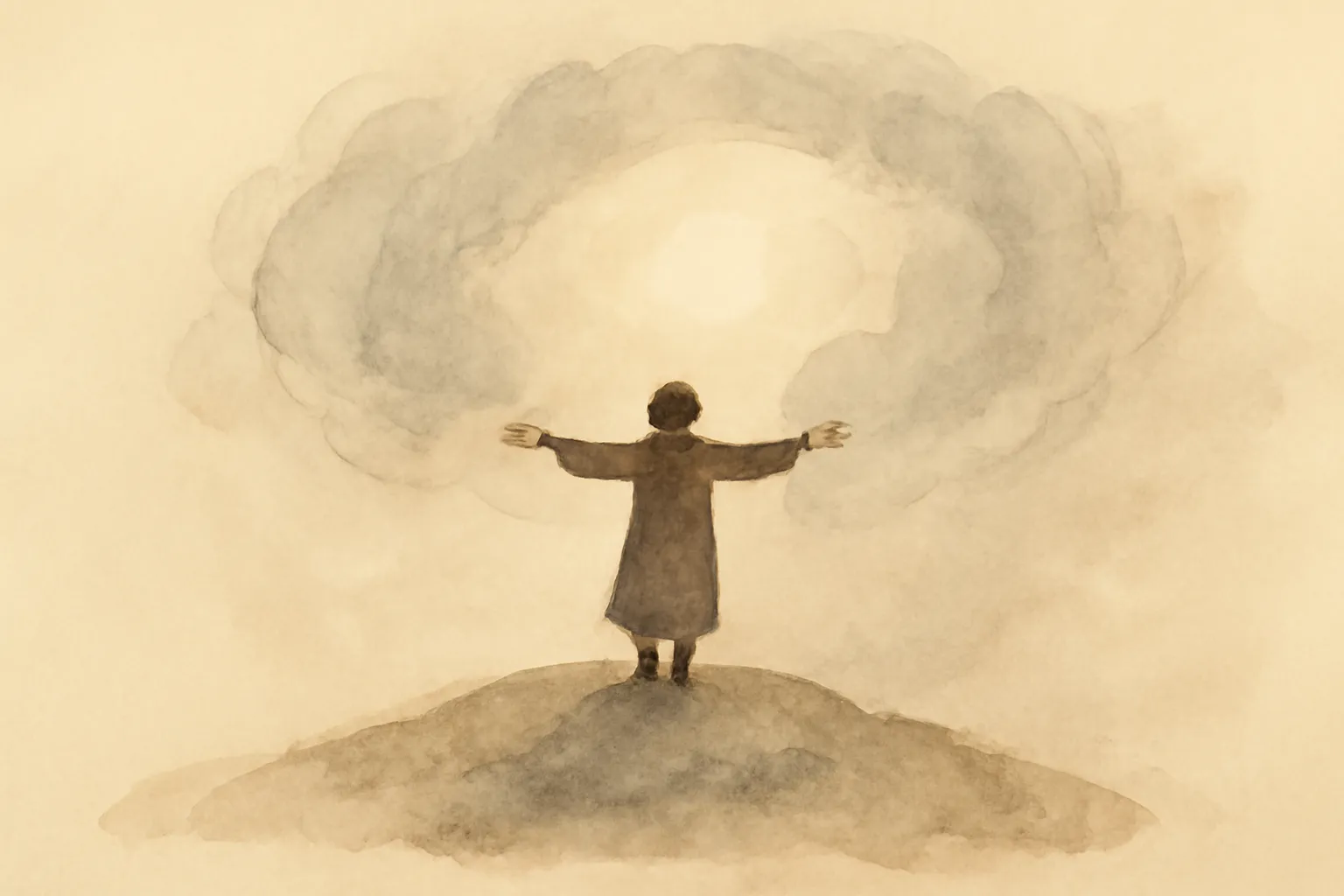
The central premise is that God cannot be grasped by human intellect or imagination. Instead, the author urges readers to let go of all attempts to 'know' God through concepts, entering instead a 'cloud of unknowing'—a state of surrender where the soul reaches toward God with love, not understanding. This approach is radical, emphasizing that true spiritual progress comes not from knowledge but from loving intent and the abandonment of self.
2.Contemplative Prayer as Pure Intention
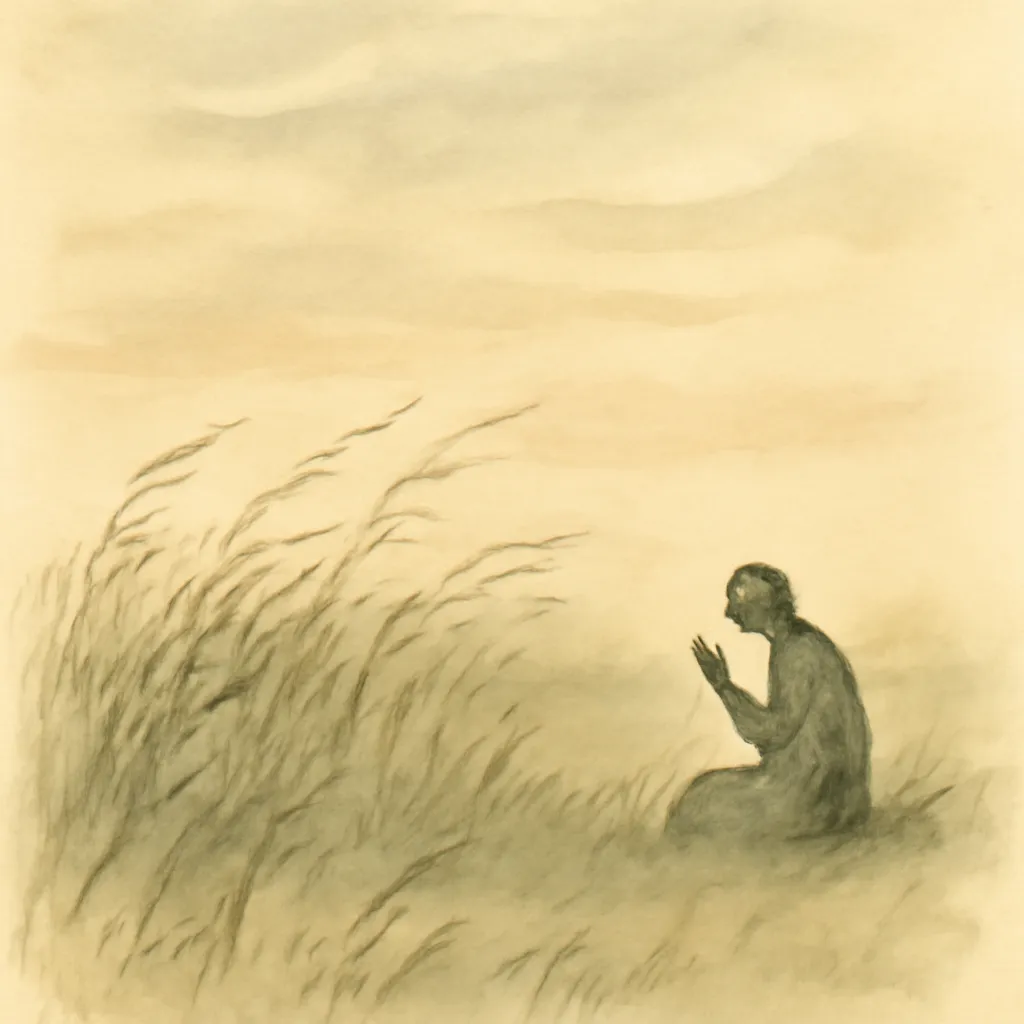
The book distinguishes between ordinary prayer and contemplative prayer. Contemplative prayer is described as a simple, wordless reaching out to God, rooted in love and desire rather than requests or mental images. The author offers practical steps for entering this prayer, such as using a single word (like 'God' or 'love') to focus the mind and gently dismiss distractions.
3.The Role of Humility
Humility is presented as the foundation of the contemplative path. The author insists that recognizing one's limitations and dependence on God is essential for authentic spiritual experience. Pride and self-reliance are seen as barriers that cloud the soul, while humility opens the way for divine encounter.
4.Letting Go of Created Things
The Cloud of Unknowing teaches that attachment to created things—whether material possessions, people, or even spiritual experiences—can distract from the pursuit of God. The author encourages readers to set aside all that is not God, focusing their desire and attention solely on the divine, even if this means enduring spiritual dryness or confusion.
5.The Necessity of Perseverance
The path of contemplative prayer is described as difficult and filled with obstacles, including distractions, doubts, and periods of darkness. The author counsels perseverance, patience, and trust, reminding readers that progress is often slow and that setbacks are a normal part of the journey.
6.Love as the Only Bridge
Ultimately, the book insists that love is the only means by which the soul can approach God. Intellect, memory, and imagination all fall short. Only the naked intent of love, directed toward God and sustained in faith, can penetrate the cloud and bring the soul into union with the divine.