1.A Dystopian Retrospective
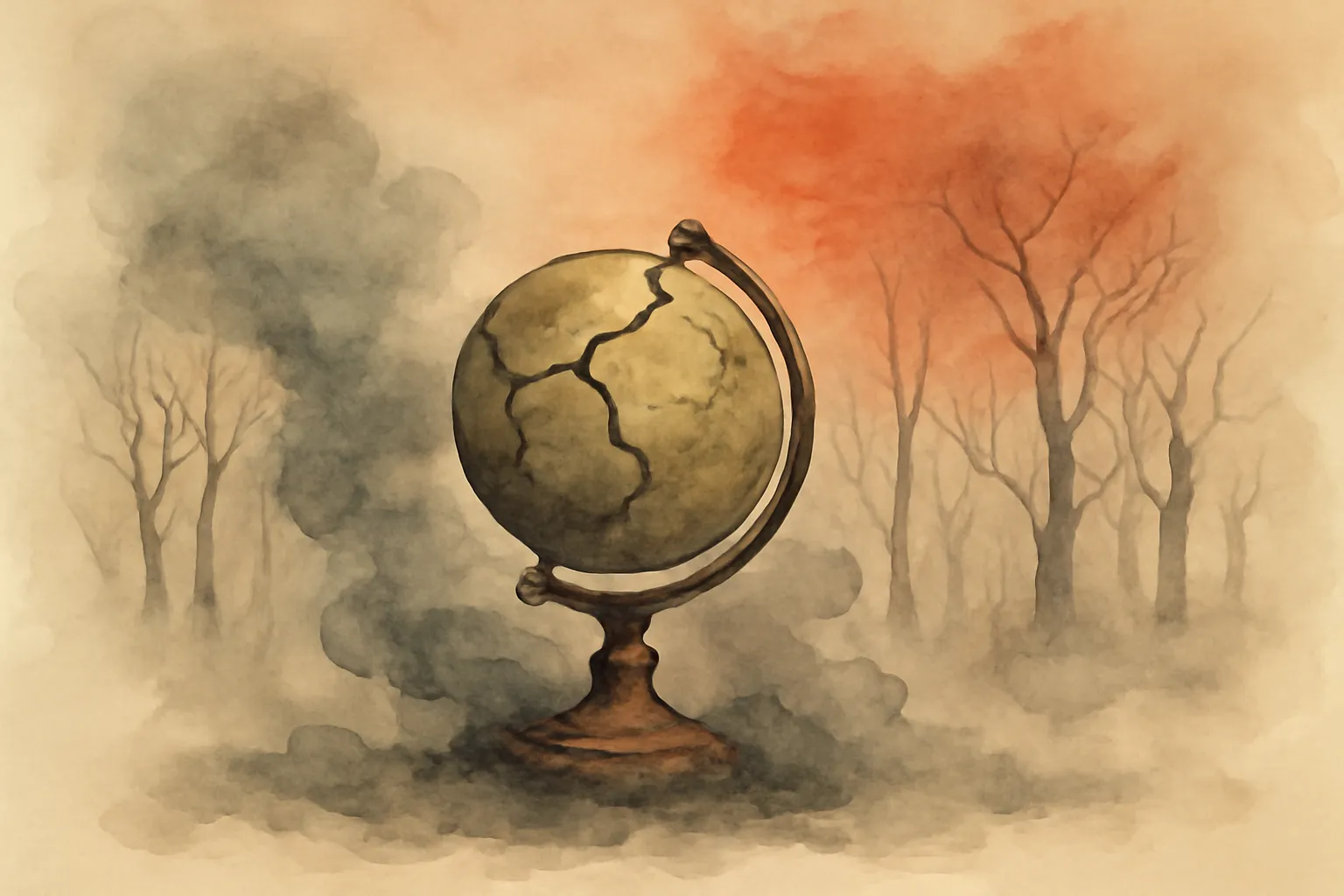
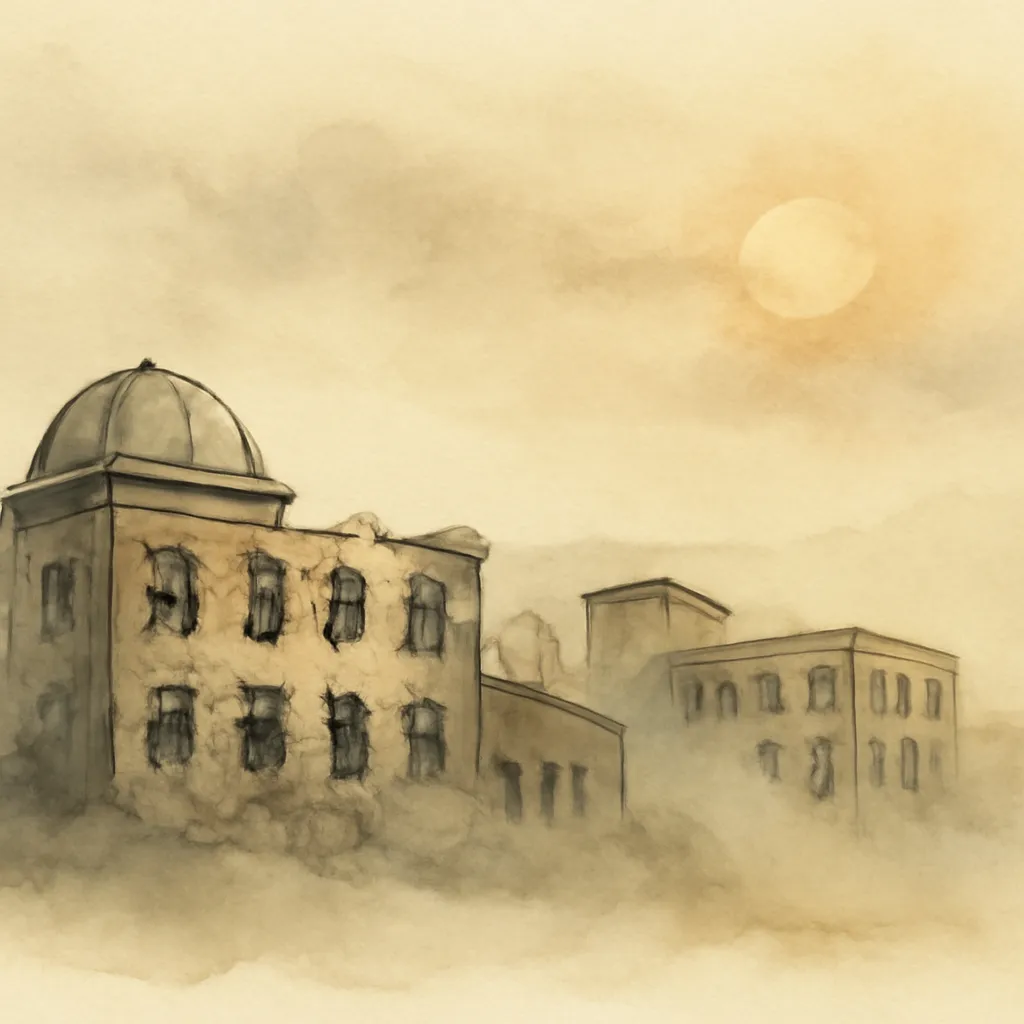
The book is structured as a future historian’s account, set in the late 24th century, analyzing the collapse of Western civilization due to climate change. This narrative device allows Oreskes and co-author Erik Conway to critique contemporary society from a detached, analytical vantage point, emphasizing the tragic irony of hindsight. The format underscores how future generations might view our failures and missed opportunities, making the consequences of climate denial feel both immediate and haunting.
2.The Politics of Climate Denial
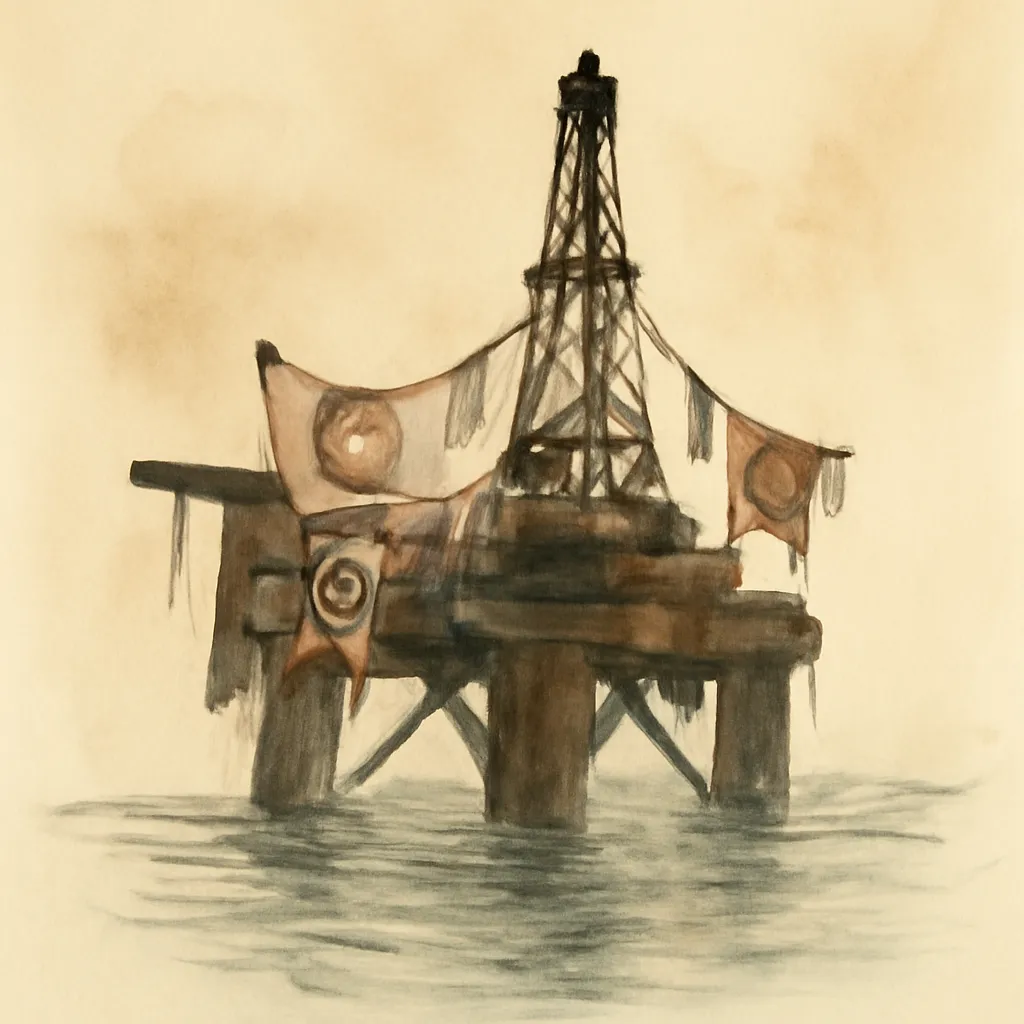
Central to the book is the argument that political and ideological resistance, especially in Western democracies, prevented effective action on climate change. The authors highlight how vested interests, particularly fossil fuel industries, manipulated public discourse and policy, casting doubt on scientific consensus. This politicization of science is depicted as a key driver of inaction, with devastating long-term effects.
3.Misplaced Faith in Markets and Technology
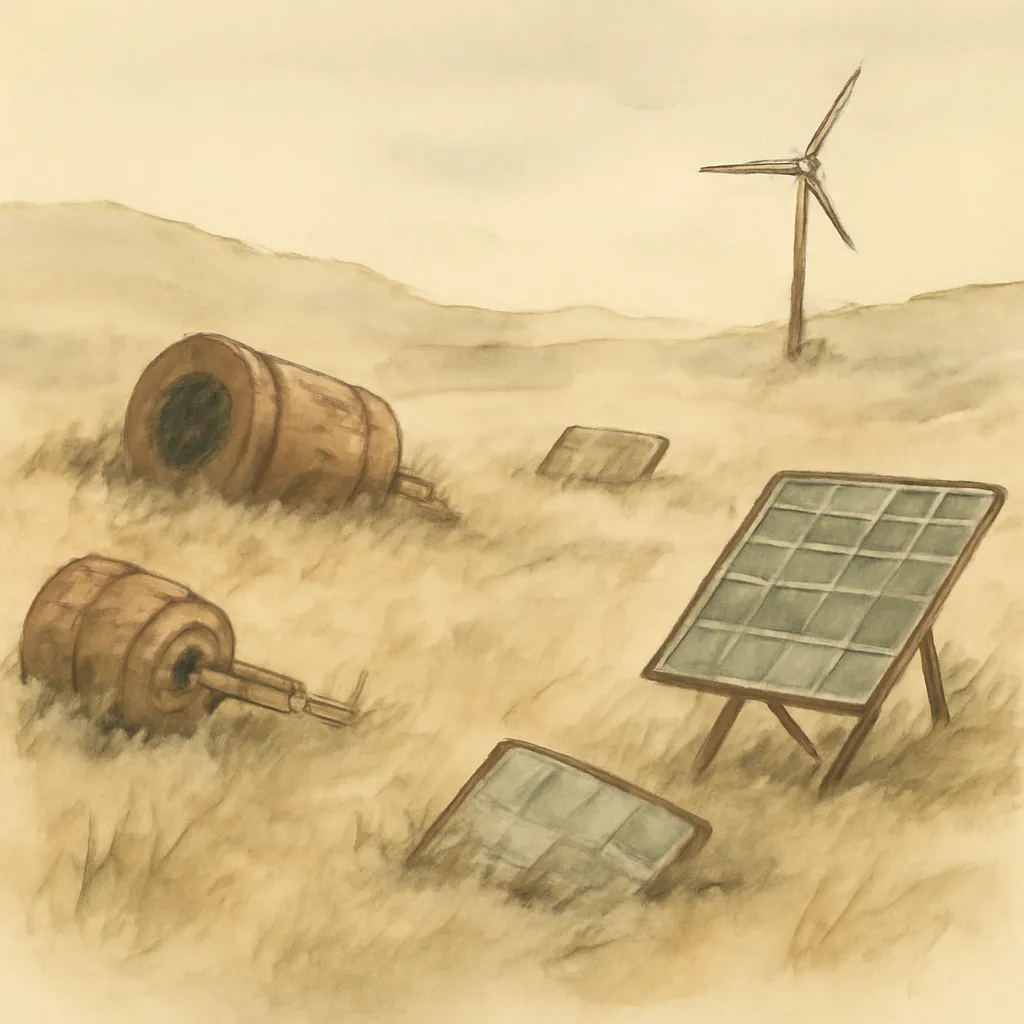
Oreskes and Conway critique the overreliance on free-market solutions and technological optimism. The narrative suggests that blind faith in markets’ ability to self-correct and in future technological fixes delayed necessary regulatory action. This misplaced confidence, the book argues, contributed to the failure to mitigate climate risks in time, demonstrating the limits of laissez-faire approaches to existential threats.
4.The Role of Scientific Uncertainty
The book explores how the scientific community’s emphasis on uncertainty and cautious language was exploited by opponents of climate action. By overstating the unknowns and understating the risks, decision-makers justified delay and inaction. The authors argue that a better understanding of risk, rather than certainty, should have guided policy, and that the misuse of scientific uncertainty was a fatal error.
5.Societal Consequences of Collapse
Through its future-historian lens, the book paints a grim picture of the aftermath: mass migrations, authoritarian regimes, and the loss of cultural and scientific knowledge. The collapse is not just environmental but social and political, with Western democratic institutions failing to adapt. This scenario is meant as a warning, urging readers to consider the interconnectedness of environmental, social, and political systems.
6.A Call to Heed the Lessons of History
By framing the narrative as history written after the fact, the book implicitly urges contemporary readers to recognize the warning signs and act before it’s too late. It draws parallels to past societal collapses and stresses the importance of learning from history, advocating for proactive, collective action grounded in scientific understanding.