
Forecasting · Western Civilization · Science and civilization
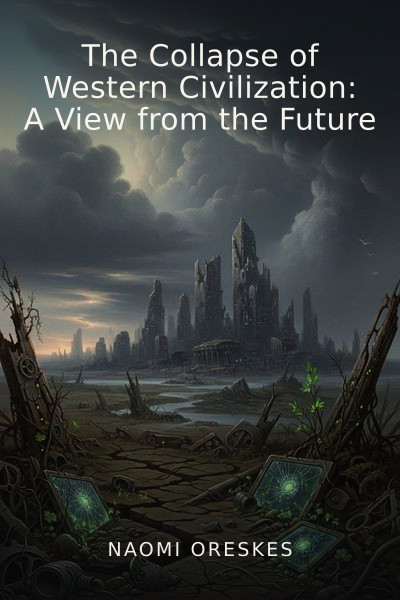
The Collapse of Western Civilization: A View from the Future by Naomi Oreskes — Summary, Key Ideas & Quotes
2014104 pages✦ 3-min Big ideas
Rate it
The book is structured as a future historian’s account, set in the late 24th century, analyzing the collapse of Western civilization due to climate change. This narrative device allows Oreskes and co-author Erik Conway to critique contemporary society from a detached, analytical vantage point, emphasizing the tragic irony of hindsight. The format underscores how future generations might view our failures and missed opportunities, making the consequences of climate denial feel both immediate and haunting.
Central to the book is the argument that political and ideological resistance, especially in Western democracies, prevented effective action on climate change. The authors highlight how vested interests, particularly fossil fuel industries, manipulated public discourse and policy, casting doubt on scientific consensus. This politicization of science is depicted as a key driver of inaction, with devastating long-term effects.
“Denial is not a strategy.”
“The most startling aspect of the collapse was not how much people knew, but how much they chose to ignore.”