1.The Power of the Ordinary
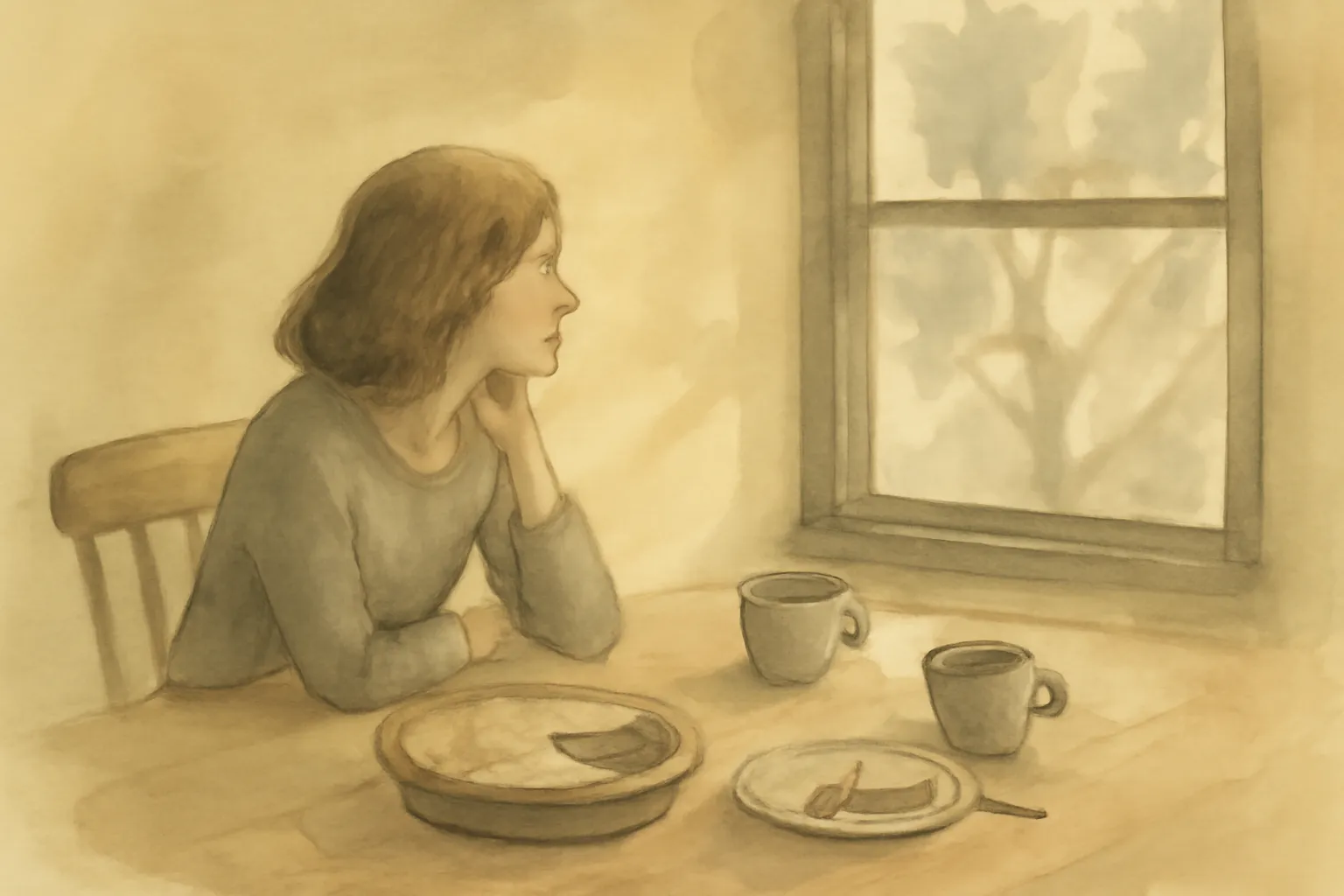
Munro’s stories are remarkable for their focus on seemingly mundane events—family gatherings, chance encounters, or the routines of daily life. Yet, within these ordinary settings, she uncovers the profound emotional undercurrents that define her characters’ lives. By refusing to sensationalize, Munro invites readers to look more closely at their own experiences and recognize the significance of moments that might otherwise be overlooked.
2.Memory and Its Unreliability
A recurring theme in Munro’s work is the slipperiness of memory. Her characters often revisit the past, only to find that recollections shift with time and perspective. This exploration of memory’s unreliability not only deepens the psychological realism of her stories but also raises questions about how we construct our personal narratives and the truths we choose to accept or ignore.
3.Complex Female Perspectives
Munro is celebrated for her nuanced portrayal of women’s inner lives. Her protagonists grapple with societal expectations, personal desires, and the constraints of their environments. The stories delve into themes of autonomy, sexuality, and the quiet forms of rebellion available to women, offering a candid look at the complexities of female experience across generations.
4.Ambiguity and Open Endings
Rather than providing neat resolutions, Munro often leaves her stories open-ended or ambiguous. This narrative choice reflects the uncertainties of real life and encourages readers to engage with the text beyond its final lines. The lack of closure can be unsettling, but it also makes the stories more authentic and thought-provoking.
5.The Weight of Secrets
Secrets—whether kept, discovered, or revealed—play a pivotal role in many of Munro’s stories. These hidden truths shape relationships and alter the course of her characters’ lives, highlighting the tension between what is known and what is concealed. Munro examines the costs of secrecy, both to individuals and to the fabric of families and communities.
6.The Passage of Time
Munro’s stories often span decades, tracing the evolution of her characters from youth to old age. She is adept at capturing how time transforms people, relationships, and perceptions. This long view allows her to explore the enduring impact of past choices and the ways in which people come to terms with their histories.