1.The Power of Memory and the Past
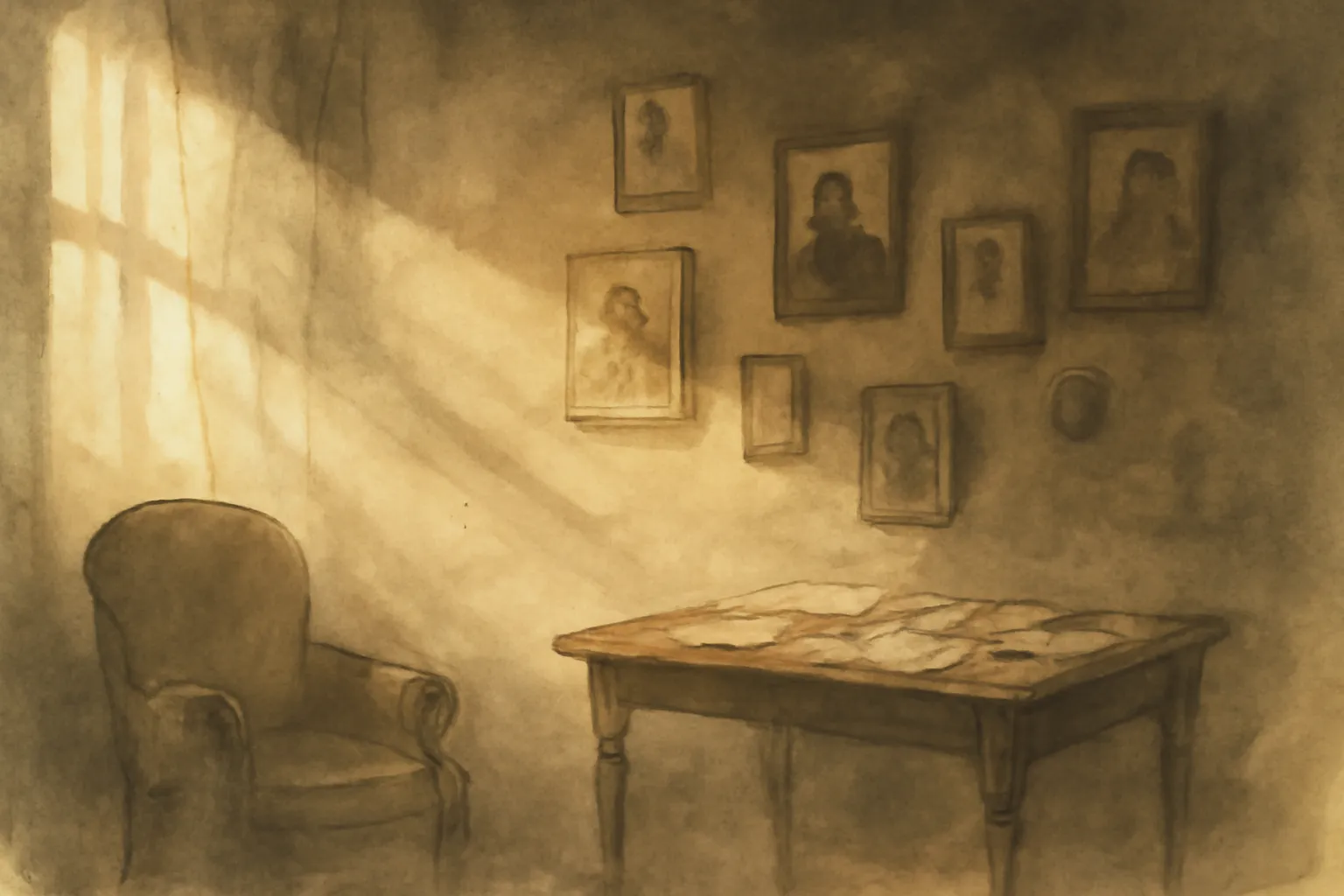
Porter’s stories often center on how the past shapes the present, with characters haunted by memories and unresolved histories. Whether set in the American South, Mexico, or Europe, the weight of personal and collective memory influences decisions and relationships. Porter examines how nostalgia, regret, and inherited trauma can both enrich and imprison her characters, making the act of remembering a double-edged sword.
2.Moral Ambiguity and Human Flaws
Rather than offering clear heroes or villains, Porter’s characters are deeply flawed and morally complex. She explores the gray areas of human behavior—betrayal, self-deception, and quiet acts of courage—without passing judgment. This ambiguity invites readers to grapple with uncomfortable truths about themselves and others, highlighting the difficulty of true self-knowledge.
3.The Fragility of Human Connection
Many of Porter’s stories revolve around the tenuous bonds between people—family, lovers, friends—and how easily these connections can be strained or broken. Whether through misunderstanding, pride, or circumstance, her characters often find themselves isolated or alienated, underscoring the vulnerability inherent in intimacy and the longing for genuine understanding.
4.The Role of Women and Gender Expectations
Porter’s work is notable for its nuanced portrayal of women navigating restrictive social roles. Her female characters often struggle with societal expectations, internalized limitations, and the pursuit of autonomy. Porter neither romanticizes nor condemns their choices, but instead illuminates the quiet rebellions and compromises that define women’s lives across different cultures and eras.
5.The Influence of Place and Setting
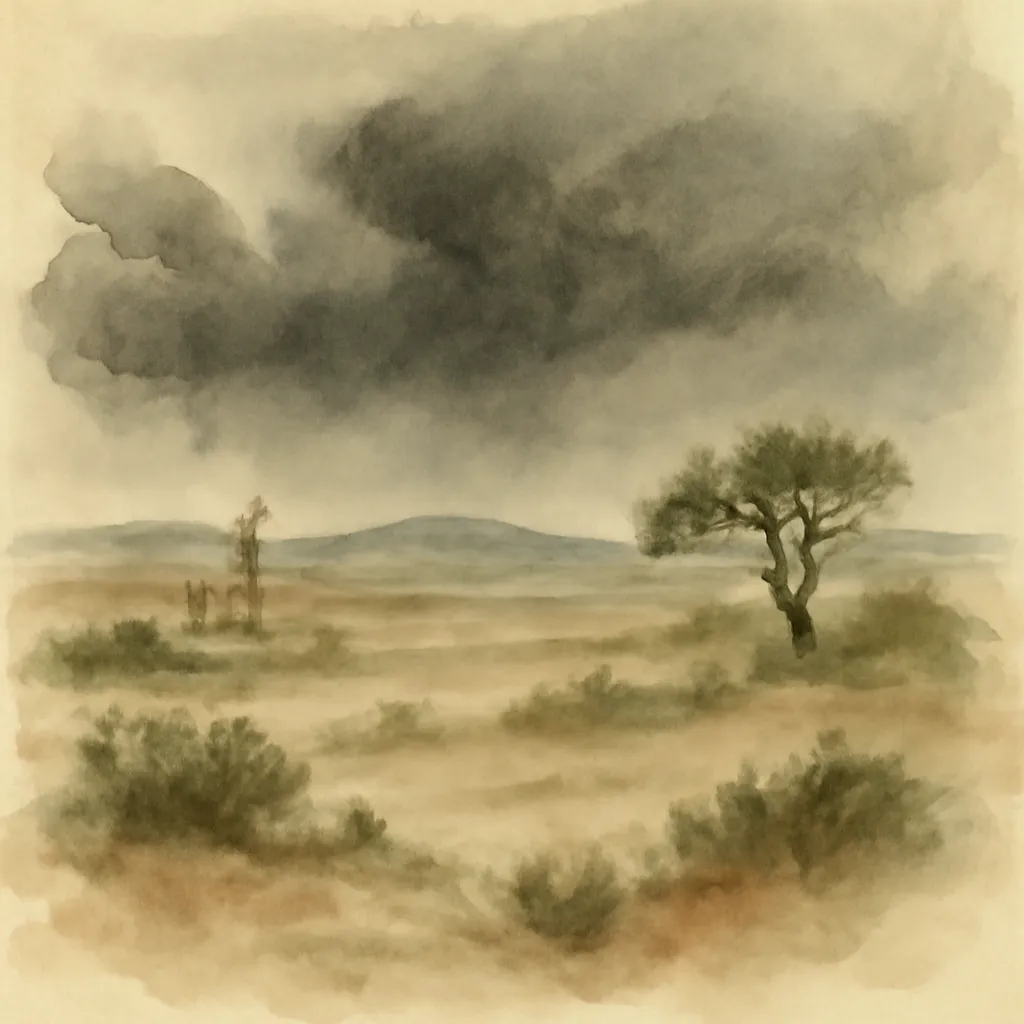
Settings in Porter’s stories—ranging from rural Texas to prewar Germany—are never mere backdrops. They shape the mood, values, and destinies of her characters. Porter’s evocative descriptions ground her stories in a tangible reality, while also using landscape and atmosphere to mirror psychological states and social tensions.
6.Spiritual Reckoning and Existential Uncertainty
Underlying many stories is a search for meaning in a world marked by suffering, mortality, and moral confusion. Porter’s characters frequently confront existential dilemmas, wrestling with faith, guilt, and the possibility of redemption. The stories do not offer easy answers, but instead evoke the profound uncertainty and yearning that define the human spirit.