1.Satire of Fantasy Conventions
Pratchett’s debut Discworld novel is a loving lampoon of traditional fantasy. He pokes fun at the clichés of sword-and-sorcery stories, from bumbling wizards to improbable quests. By exaggerating and twisting familiar tropes, Pratchett invites readers to both laugh at and appreciate the genre’s absurdities. This self-awareness makes the book accessible to fantasy newcomers and rewarding for genre veterans, as it cleverly exposes the mechanics behind the magic.
2.The Reluctant Hero
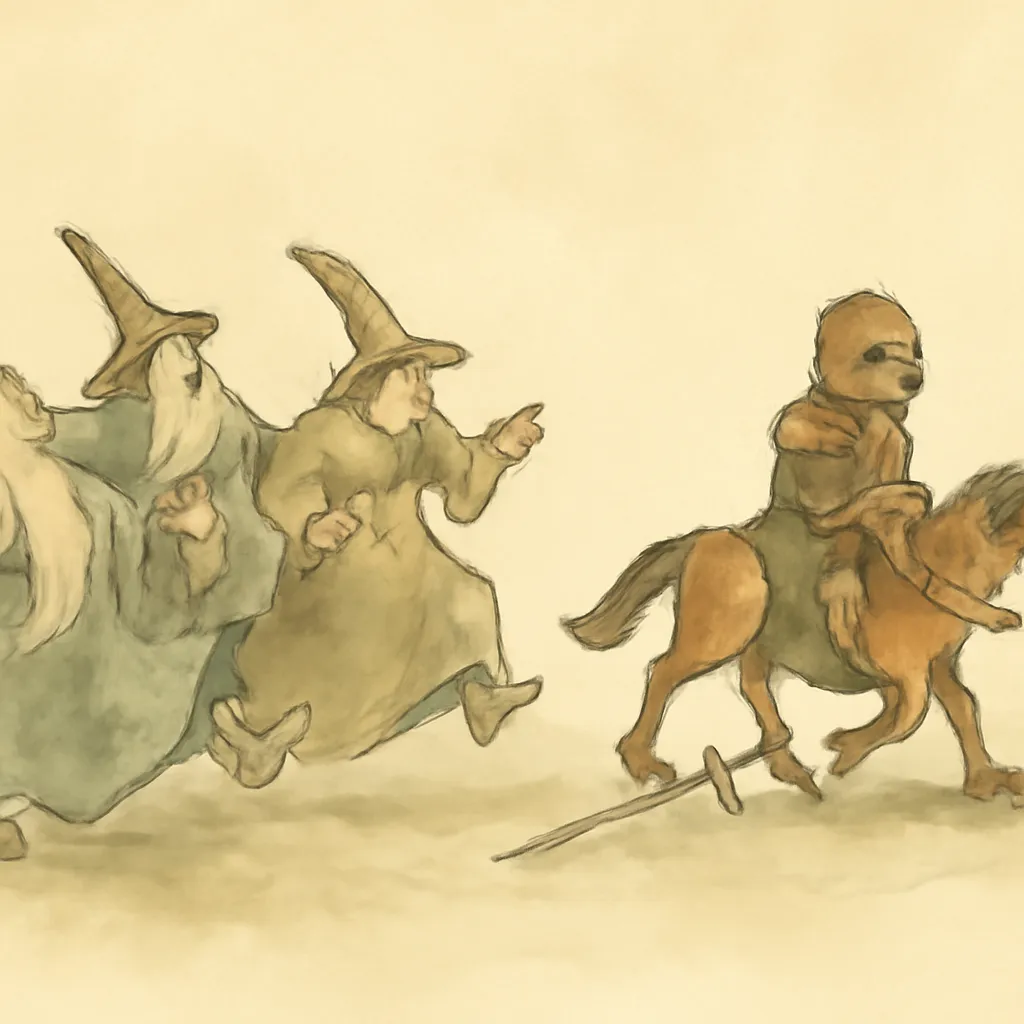
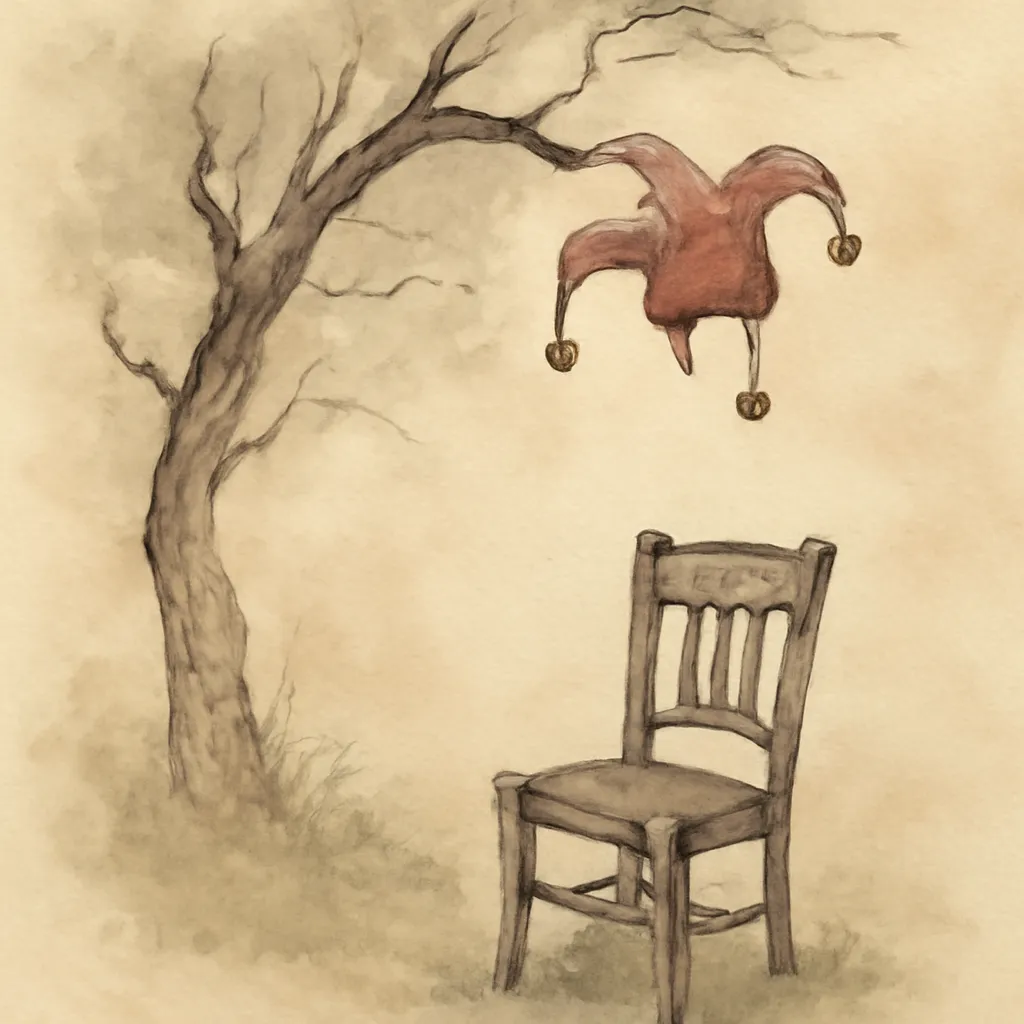
At the heart of the story is Rincewind, a failed wizard whose main talent is survival. Unlike typical fantasy protagonists, Rincewind is cowardly, self-serving, and perpetually unlucky. His misadventures with the naive tourist Twoflower highlight the gap between expectation and reality in heroic narratives. Through Rincewind, Pratchett explores how ordinary, flawed people can become unlikely heroes—often against their will.
3.The Power of Perspective
Twoflower, Discworld’s first tourist, brings a fresh perspective to the world’s dangers and wonders. His optimism and curiosity contrast sharply with the cynicism of the locals. This clash of viewpoints is both comedic and insightful, showing how perception shapes experience. Pratchett uses Twoflower’s innocence to question what is truly ‘normal’ or ‘magical,’ encouraging readers to see the familiar with new eyes.
4.World-Building with Wit
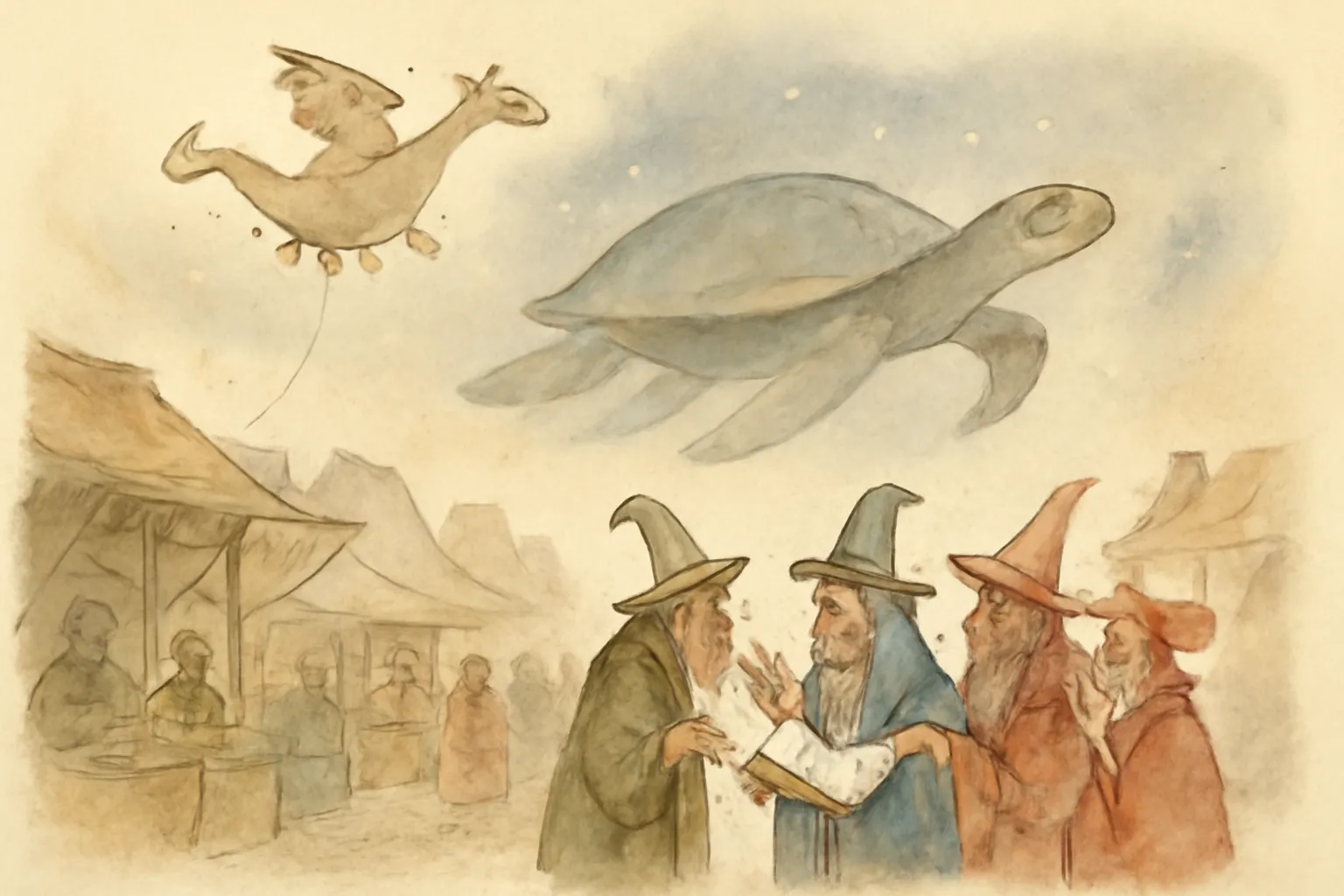
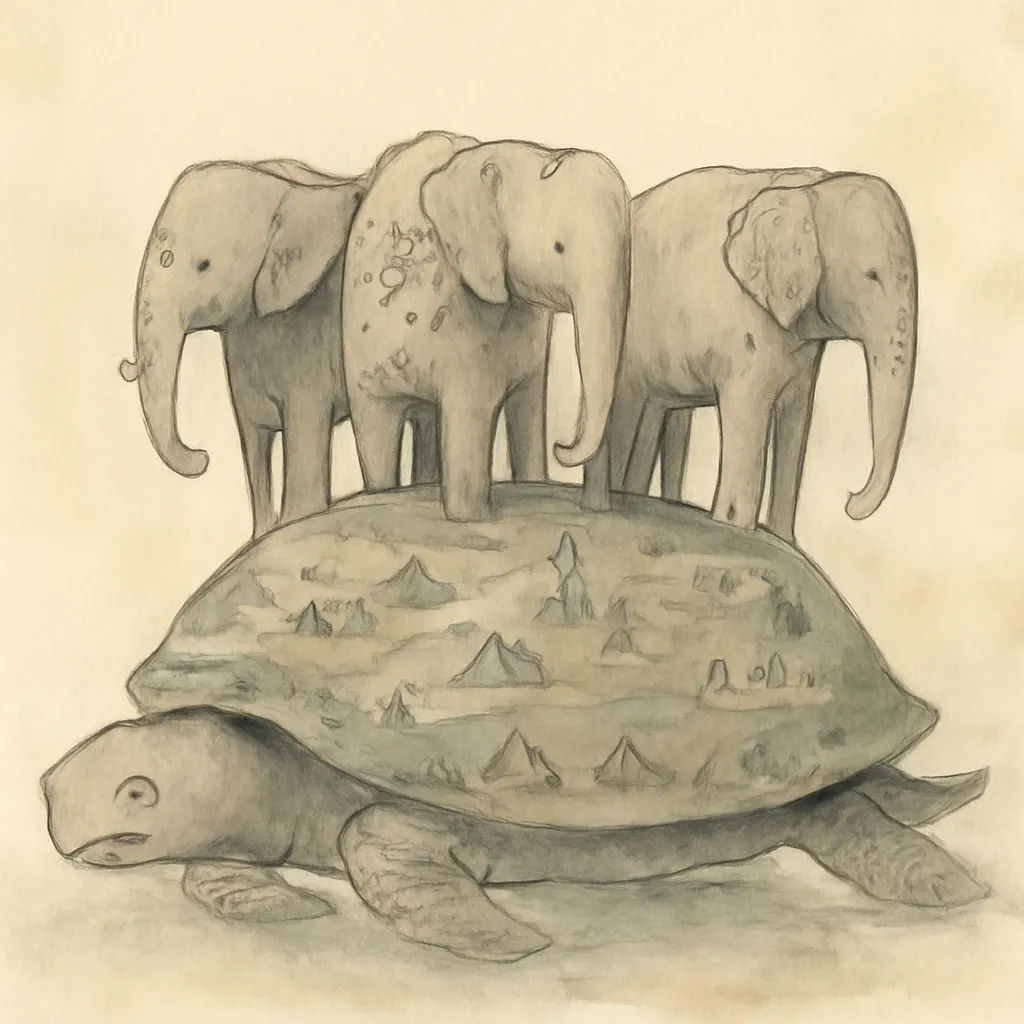
Discworld itself is a character: a flat world balanced on four elephants atop a giant turtle, filled with eccentric cultures and bizarre logic. Pratchett’s world-building is both imaginative and satirical, using the setting to lampoon real-world institutions, beliefs, and human folly. The absurdity of Discworld’s rules mirrors the unpredictability of our own, making its chaos both funny and strangely relatable.
5.The Nature of Magic and Storytelling
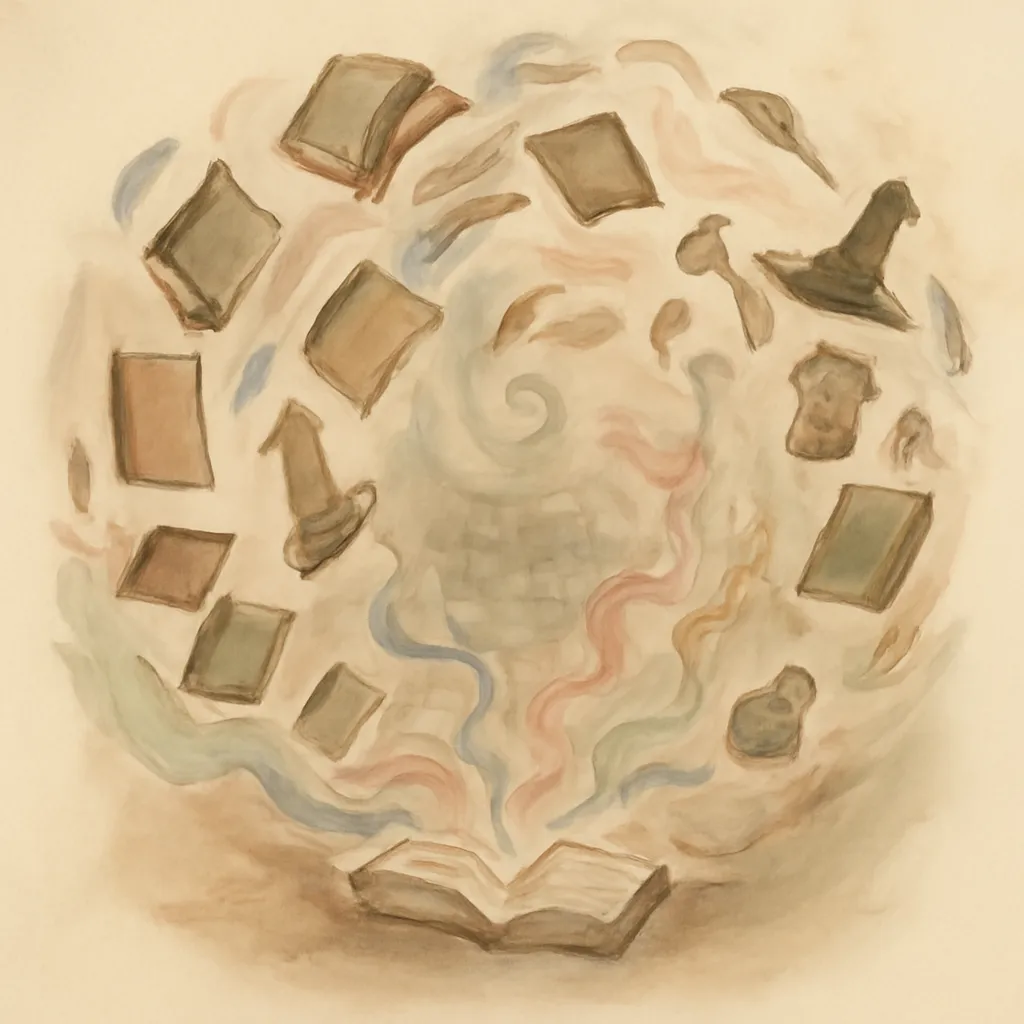
Magic in Discworld is unpredictable and often more trouble than it’s worth. Pratchett uses this to comment on the nature of stories themselves—how they spiral out of control, defy logic, and shape the world around them. The book is self-referential, aware of its own artifice, and often breaks the fourth wall. This playful approach invites readers to question not just fantasy, but the act of storytelling itself.
6.Humor as Critique
Pratchett’s humor is more than slapstick or parody; it’s a tool for critique. He uses jokes to highlight social absurdities, philosophical questions, and the irrationality of human behavior. The laughter he provokes is often tinged with insight, making the book as thought-provoking as it is entertaining.