1.Grace Amidst the Grotesque
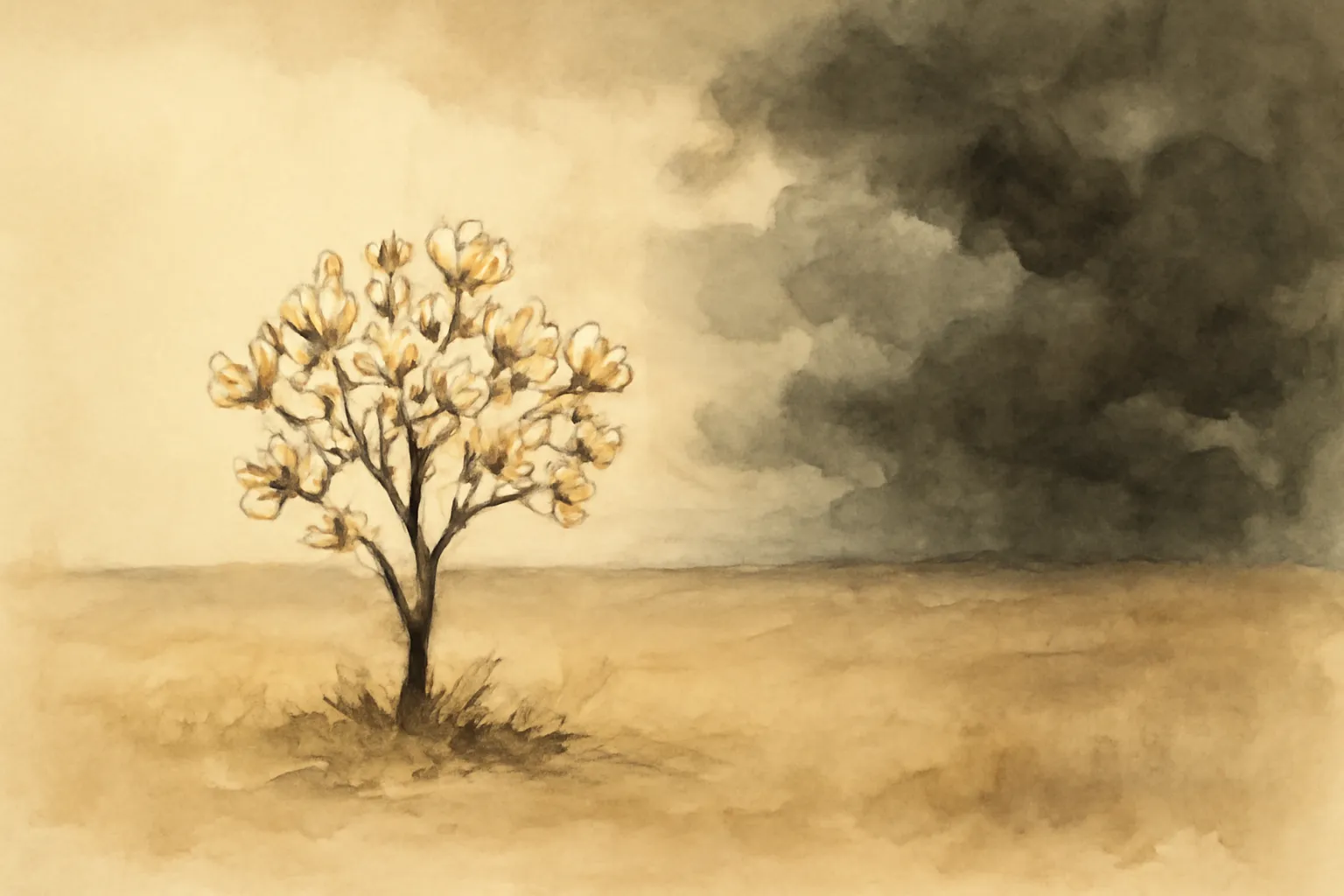
O’Connor’s stories are renowned for their blend of the ordinary and the grotesque, often thrusting flawed characters into moments of crisis. Through violence, absurdity, or humiliation, her protagonists are confronted with moments of grace—sometimes recognized, sometimes rejected. This interplay between spiritual revelation and human blindness is central to her work, asking readers to consider how grace can emerge in the least likely circumstances.
2.The Southern Setting as Character
The rural South is more than a backdrop in O’Connor’s fiction; it shapes her characters’ identities, prejudices, and worldviews. Her stories are steeped in the language, customs, and contradictions of the mid-20th-century South, using its peculiarities to explore universal questions. The landscape itself often mirrors the spiritual barrenness or richness of the people who inhabit it.
3.Moral Blindness and Self-Deception
O’Connor’s characters are frequently self-righteous, clinging to illusions about their own goodness or superiority. Through irony and dark humor, she exposes the ways people deceive themselves about their motives and failings. Her stories force readers to confront uncomfortable truths about hypocrisy, pride, and the difficulty of genuine self-understanding.
4.Violence as a Catalyst for Revelation
Physical and psychological violence recur throughout O’Connor’s stories, not simply for shock value, but as a means of stripping away pretense. These moments of rupture often precipitate a crisis of faith or identity, compelling characters—and readers—to grapple with the possibility of redemption or damnation. O’Connor’s use of violence is both unsettling and purposeful, serving as a crucible for transformation.
5.Faith, Doubt, and the Mystery of Redemption
A devout Catholic in a largely Protestant region, O’Connor infuses her stories with theological questions. Her work wrestles with the mysteries of sin, grace, and redemption, often leaving resolutions ambiguous. She refuses easy answers, instead inviting readers to ponder the complexities of belief, doubt, and the workings of divine grace in a fallen world.
6.The Power of Voice and Irony
O’Connor’s sharp, distinctive narrative voice is laced with irony and dark wit. She balances empathy with a critical eye, allowing readers to see both the absurdity and vulnerability of her characters. Her precise, economical prose heightens the impact of her themes, making each story both accessible and deeply layered.