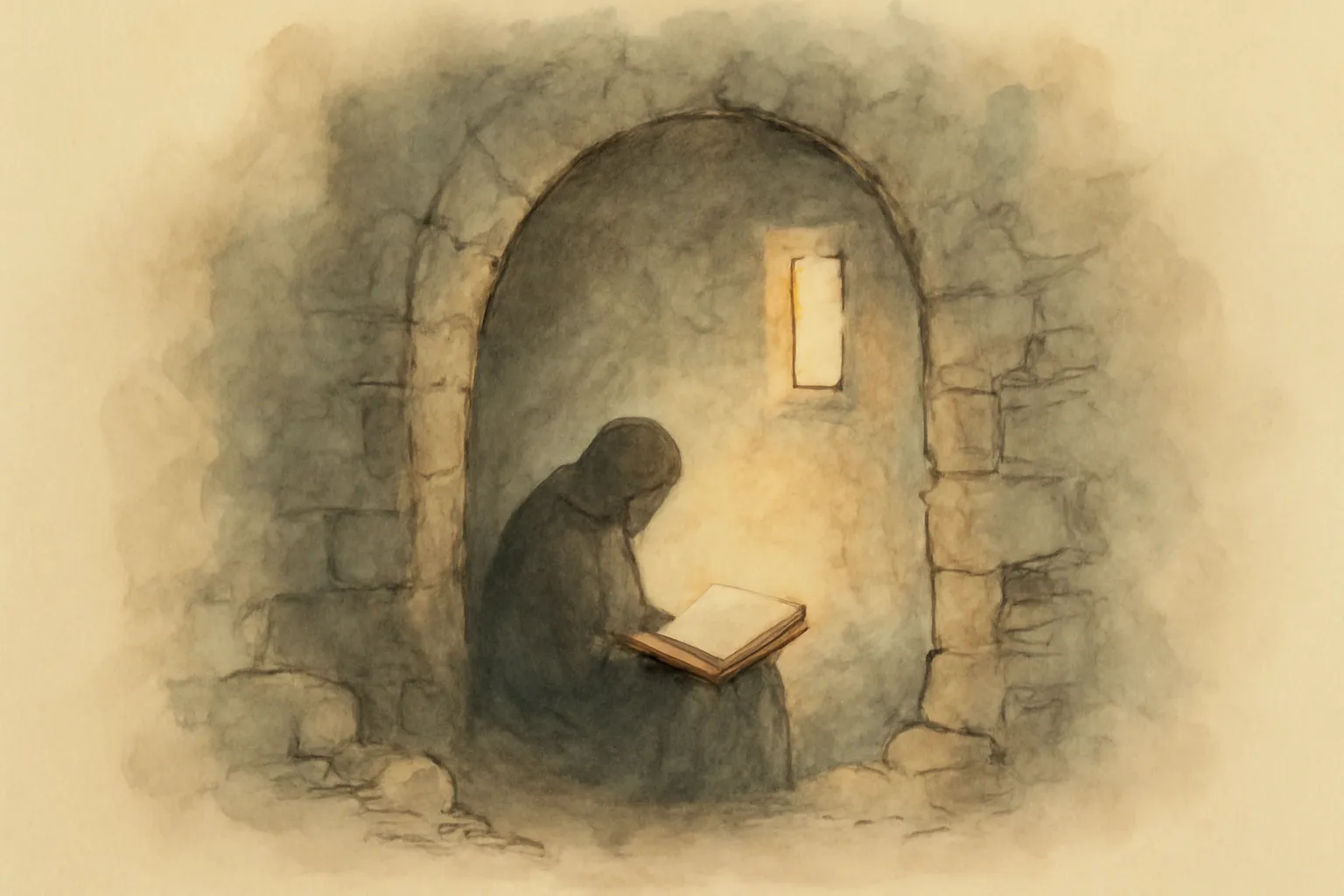
1.The Nature of True Happiness

In his exploration of happiness, Boethius asserts that true contentment lies not in external possessions or status but within the self. He argues that while people often chase wealth, power, and fame, these pursuits are ultimately unfulfilling. To illustrate this, he recounts his own experiences, contrasting the joy of philosophical insight with the fleeting pleasures of Fortune's gifts. He posits that true happiness is a state of being that transcends material wealth and social standing. Boethius emphasizes that the good is that which, once attained, leaves nothing further to be desired, highlighting that happiness is an absolute state of fulfillment. This internal perspective encourages readers to reflect on their life choices and the motivations behind their desires, guiding them toward a deeper understanding of what it means to be truly happy. By cultivating inner virtues and aligning oneself with moral goodness, one can tap into a reservoir of joy that remains untouched by external circumstances.
2.The Capriciousness of Fortune

Philosophy reminds Boethius that Fortune is inherently fickle, often bestowing gifts only to take them away without warning. This capricious nature of Fortune serves as a poignant reminder that external circumstances are unreliable and should not dictate one's sense of self-worth or happiness. In his lamentations, Boethius reflects on his own fall from grace, realizing that the gifts of Fortune, which once seemed so secure, were actually transient and ultimately meaningless. He learns that to place hope in Fortune is to invite despair, as her gifts are often fleeting. By recognizing Fortune's true nature, individuals can free themselves from the anxiety and despair that come from clinging to external validations. This insight encourages a shift in focus from the external to the internal, fostering resilience in the face of life's unpredictability. He concludes that true stability and happiness lie in the pursuit of wisdom and virtue, which endure despite life's inevitable changes.
3.The Importance of Virtue

Boethius emphasizes that virtue is the only true source of strength and happiness. Unlike Fortune, which can change at any moment, virtue is a steadfast quality that cannot be taken away. Philosophy argues that a virtuous life leads to genuine happiness, as it aligns one’s actions with moral goodness and the greater good of humanity. Boethius reflects on the nature of true nobility, suggesting that it arises from one's character and actions rather than titles or social standing. He posits that the cultivation of virtues such as wisdom, courage, and justice empowers individuals to face adversity with dignity. This perspective shifts the focus from transient achievements to enduring moral character, suggesting that true nobility comes from within. By cultivating virtues and living in accordance with ethical principles, individuals can find strength in adversity and remain unaffected by the whims of Fortune. Philosophy teaches that the pursuit of virtue not only enriches one’s life but also contributes to the well-being of the world at large, reinforcing the interconnectedness of human experience.
4.The Illusion of Control

In discussing the nature of control and agency, Boethius grapples with the paradox of free will and divine foreknowledge. He questions how human beings can possess freedom of choice if God knows everything that will happen in advance. Philosophy offers a nuanced view, explaining that while God’s knowledge encompasses all events, it does not dictate them. This distinction reassures Boethius that human actions still hold significance and that individuals are responsible for their choices. By examining the relationship between free will and divine foresight, readers are encouraged to appreciate the complexity of their own decision-making processes. Philosophy elucidates that true freedom lies in the ability to make moral choices, independent of external pressures. Understanding this relationship allows individuals to embrace their agency, even within a universe governed by a higher order. This empowerment fosters a sense of responsibility and encourages individuals to act with integrity, knowing that their choices shape their destinies.
5.The Role of Suffering

Boethius confronts the reality of suffering and its place in the human experience. Philosophy suggests that suffering can serve as a transformative force, leading individuals to greater understanding and wisdom. Rather than viewing suffering as purely negative, Boethius learns to see it as an opportunity for growth and self-reflection. He comes to understand that many great philosophers and sages have found meaning in adversity, often emerging stronger and more enlightened. This perspective encourages readers to embrace their challenges as integral parts of their journey, rather than obstacles to overcome. By reframing suffering in this way, individuals can cultivate resilience and find meaning even in their darkest moments. Philosophy reassures Boethius that pain can lead to insight, urging him to view his own trials as a path toward deeper understanding and connection with the human condition. This transformative view allows individuals to approach suffering with courage and grace, recognizing it as a universal experience that can foster empathy and solidarity.
6.The Pursuit of Knowledge

Philosophy emphasizes the pursuit of knowledge as a path to true happiness. Boethius learns that understanding the world and oneself is essential for achieving peace of mind. Knowledge allows individuals to discern the nature of reality, enabling them to navigate life’s complexities with clarity. In their dialogue, Philosophy encourages Boethius to engage deeply with philosophical inquiry, suggesting that this engagement can lead to profound personal revelations. He reflects on the importance of wisdom, recognizing that knowledge is not merely an accumulation of facts but a transformative process that shapes character. By embracing a mindset of curiosity and openness, readers are encouraged to seek knowledge throughout their lives, fostering a continual pursuit of truth. This lifelong learning journey not only enriches individual lives but also contributes to the collective wisdom of humanity, reinforcing the idea that knowledge is a shared resource that elevates society as a whole.
7.The Interconnectedness of All Things

In his exploration of existence, Boethius discovers that all things are interconnected within the greater cosmic order. Philosophy explains that the universe operates according to a divine plan, where every event, whether perceived as good or bad, contributes to the overall harmony of existence. Boethius begins to see how individual lives are woven together in a tapestry of shared experiences, each thread playing a vital role in the larger picture. This understanding fosters a sense of belonging and purpose, as individuals recognize their place within the larger tapestry of life. By acknowledging this interconnectedness, readers can cultivate empathy and compassion for others, understanding that everyone is part of the same human experience. Philosophy teaches that fostering connections with others not only enriches one’s own life but also enhances the well-being of the community at large. This perspective encourages a more holistic view of life, where individual struggles are seen in the context of a shared journey, emphasizing the importance of solidarity and mutual support.
8.The Paradox of Evil
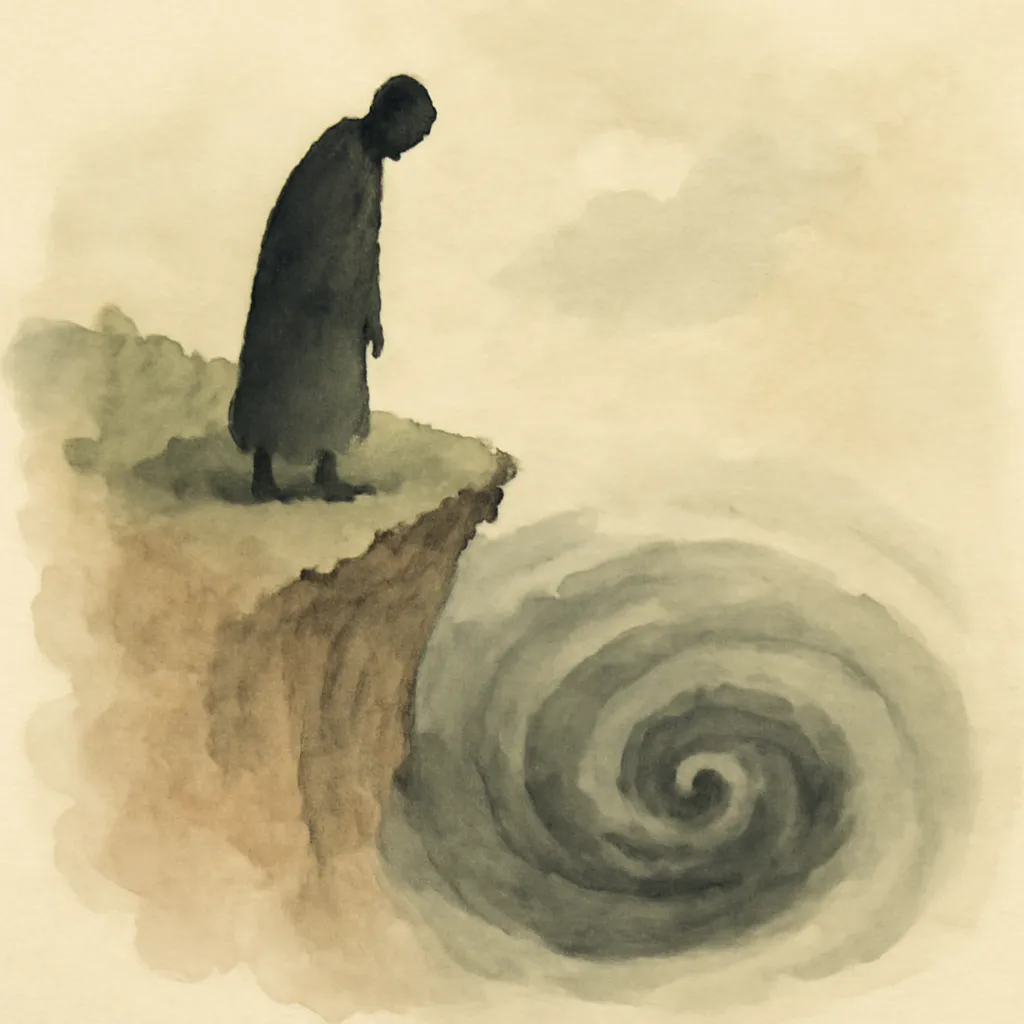
Boethius grapples with the presence of evil in a world governed by a benevolent God. Philosophy asserts that while evil may seem to flourish, it ultimately leads to the downfall of those who perpetrate it, illustrating that wickedness is self-defeating. The wicked are portrayed as powerless, as their actions ultimately bring them suffering and unhappiness. Philosophy explains that true power lies with the virtuous, who possess the strength of character and moral clarity that can withstand life's trials. This paradox challenges readers to reconsider their understanding of justice and morality, highlighting that the apparent success of the wicked is often a facade. By recognizing that evil cannot ultimately triumph, individuals can find solace in the belief that goodness will prevail, fostering a sense of hope and resilience in the face of adversity. Boethius learns that the moral order of the universe is ultimately just, providing a framework for understanding the complexities of human behavior and the consequences of one’s actions.
9.The Power of Reflection

Throughout his dialogue with Philosophy, Boethius learns the importance of reflection and contemplation as tools for personal growth. Philosophy encourages him to examine his thoughts and emotions critically, leading to greater self-awareness and understanding. This practice of reflection allows individuals to confront their fears, desires, and regrets, fostering a deeper connection with themselves. Boethius realizes that introspection is essential for personal development, as it enables one to learn from past experiences and make more informed decisions in the future. By incorporating reflection into daily life, readers can cultivate mindfulness and clarity, enabling them to navigate challenges with greater ease and confidence. This idea emphasizes that personal growth is a continuous process that requires intentional self-examination and openness to change. Ultimately, Boethius discovers that reflection not only leads to self-discovery but also enhances one's capacity for empathy and compassion towards others.
10.Finding Solace in Philosophy

Ultimately, Boethius discovers that philosophy itself serves as a source of comfort and guidance in times of distress. Philosophy personifies wisdom and compassion, offering insights that resonate deeply with the human experience. Through their dialogue, Boethius finds reassurance and clarity, illustrating the transformative power of philosophical thought. Philosophy becomes a trusted companion, guiding him through the labyrinth of despair and confusion. This relationship highlights the importance of seeking wisdom and guidance during difficult times, encouraging readers to turn to philosophy as a refuge for understanding and solace. By embracing philosophical inquiry, individuals can cultivate resilience and find peace amid life’s uncertainties. Boethius learns that philosophy not only offers answers but also inspires individuals to confront their challenges with courage and integrity, reinforcing the idea that wisdom is a guiding light in the darkest of times.