1.The Dance of Masks and Identities

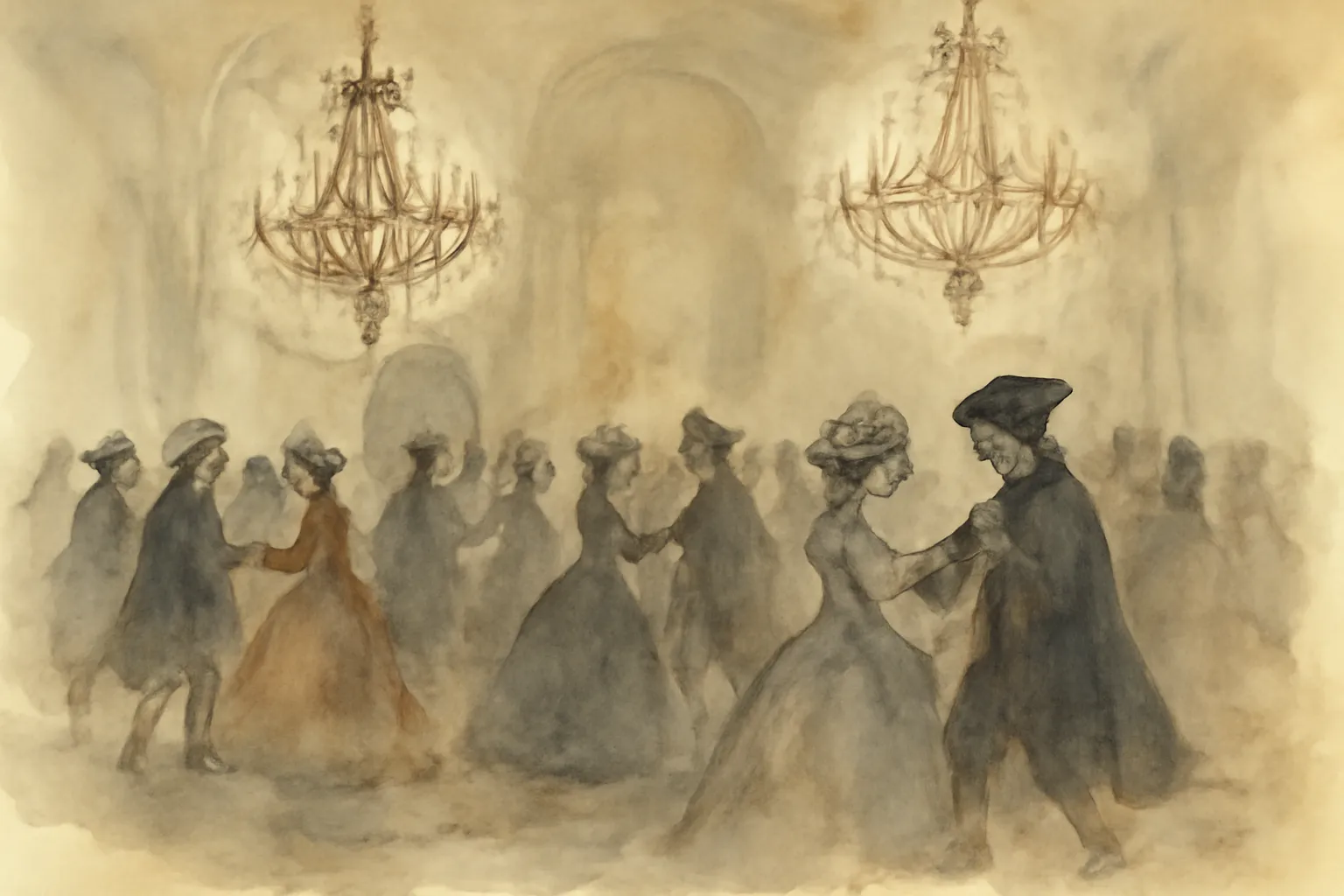
The novel opens with a vivid description of the social hierarchy and the intricate dance of identities that define the French aristocracy. Characters like d'Harmental and his adversaries navigate this world of masks, not just literally in the context of masquerade balls, but through their social roles and expectations. The importance of appearances is a recurring theme; d'Harmental's ability to maintain his composure and charm in high society is contrasted with the often duplicitous nature of his peers. For instance, the opera balls serve as a microcosm of this societal dance, where allegiances shift and true intentions are often obscured. Dumas illustrates how the characters' public personas often clash with their private desires, creating tension and conflict that drives the narrative forward. The masquerade balls are not mere social events; they symbolize the hidden agendas of the aristocracy, where friendships can be both genuine and deceitful, and where a smile may conceal a dagger.
2.The Weight of Legacy
D'Harmental's lineage plays a crucial role in shaping his identity and ambitions. As the last scion of a notable family, he carries the weight of familial expectations and historical significance. His father’s achievements and the family's noble past instill in him a sense of duty to uphold their legacy. This theme of legacy not only reflects on personal responsibility but also on how history shapes the present. D'Harmental's interactions with his family’s past, especially his father's heraldic achievements, highlight the societal pressures that accompany noble birth. The tension between ambition and duty is palpable as he seeks to carve out his own path while grappling with the shadows of those who came before him. The burden of his heritage often leaves him torn between loyalty to his family and his desire for personal glory, showcasing how the past can cast a long shadow over one's aspirations.
3.Political Intrigue and Conspiracy

The heart of the novel lies in its exploration of political intrigue. D'Harmental finds himself entangled in a conspiracy involving the Spanish ambassador, the Prince de Cellamare, and various factions within the French court. Dumas deftly illustrates the precarious nature of political alliances, where trust is scarce and betrayal is commonplace. The conspirators’ motivations are complex; they are driven by personal ambitions, national loyalties, and the desire for power. As the plot unfolds, D'Harmental must navigate a maze of shifting loyalties and hidden agendas, where even close friends can become enemies. The narrative showcases how the political landscape of France during this period is fraught with danger, as characters like d'Harmental must navigate a world where a single misstep could lead to ruin. The political machinations are not just a backdrop but a force that shapes the characters' destinies, illustrating how power and ambition can lead to dramatic consequences.
4.Friendship and Loyalty
Amidst the chaos of conspiracy and ambition, the bonds of friendship and loyalty are tested. D'Harmental’s relationships with characters like Lafare, Fargy, and Ravanne reveal the complexities of trust in a world where allegiances can shift in an instant. The camaraderie shared among the conspirators adds depth to the narrative, showcasing moments of levity even in dire circumstances. Dumas portrays friendship as both a source of strength and a potential liability, as personal loyalties can conflict with political necessities. The tension between personal relationships and broader ambitions underscores the theme that true loyalty is often fraught with complications and sacrifice. D'Harmental's willingness to trust his friends, even when faced with betrayal, illustrates the emotional stakes involved in their shared endeavors. This exploration of loyalty and friendship provides a rich layer to the character dynamics and emphasizes the human cost of ambition.
5.The Allure of Love
Romance weaves its way through the plot as d'Harmental navigates his feelings for Bathilde, a character shrouded in mystery and intrigue. Dumas captures the excitement and peril of love in a time when social class and reputation dictate relationships. Bathilde's enigmatic background and her connection to the bourgeois world present a stark contrast to d'Harmental's noble upbringing. Their relationship evolves against the backdrop of political turmoil, highlighting how personal desires can clash with societal expectations. D'Harmental's pursuit of love amidst the chaos of conspiracy illustrates how passion can both elevate and complicate one's life, serving as a powerful motivator for his actions throughout the story. The tenderness and vulnerability that accompany his feelings for Bathilde contrast sharply with the ruthless political landscape, making their love story one of the emotional cores of the novel.
6.The Consequences of Ambition
As d'Harmental becomes more deeply involved in the conspiratorial plot, the consequences of ambition become increasingly evident. His aspirations for power and recognition lead him down a dangerous path, where the stakes are not just personal but political. Dumas examines the cost of ambition through d'Harmental’s experiences, illustrating how the pursuit of greatness can lead to moral compromises and personal sacrifices. The characters' ambitions often come at the expense of their relationships and well-being, serving as a cautionary tale about the perils of unchecked desire for power. D'Harmental's journey reflects the duality of ambition, where the quest for success can lead to both triumph and tragedy. This exploration prompts readers to consider the lengths to which individuals will go to achieve their dreams, and the potential fallout that may ensue.
7.The Role of Fate and Chance
Throughout the narrative, fate and chance play significant roles in shaping the characters' destinies. D'Harmental's life is marked by a series of encounters and decisions that seem guided by a higher power or sheer luck. The randomness of events highlights the unpredictability of life in the 18th century, where individuals often find themselves at the mercy of forces beyond their control. Dumas skillfully intertwines moments of serendipity with the characters' conscious choices, suggesting that while ambition drives them, it is ultimately fate that determines their outcomes. This interplay between free will and destiny adds a layer of complexity to the story, prompting readers to ponder the extent to which we control our own lives. D'Harmental's struggles and successes serve as a reminder that while we may strive for control, the winds of fate often dictate the course we take.
8.The Influence of Women
The novel presents a nuanced portrayal of women, particularly through characters like Madame de Maintenon and Bathilde. These women wield significant influence, shaping the course of events through their relationships and decisions. Dumas acknowledges the power dynamics at play, illustrating how women in the 18th century navigate a patriarchal society while still exerting their agency. Madame de Maintenon, in particular, serves as a powerful figure whose past relationships and current position impact the political landscape. The portrayal of women challenges traditional notions of power, showcasing their roles as both catalysts for change and as individuals grappling with societal constraints. Bathilde's character, embodying both vulnerability and strength, highlights the complexities of female identity in a male-dominated world. Dumas's treatment of these characters emphasizes that women, despite societal limitations, possess the capacity to influence and inspire, making them integral to the narrative.
9.The Burden of Secrets
Secrets serve as a driving force in the narrative, shaping characters' actions and motivations. D'Harmental, like many others, harbors secrets that influence his decisions and relationships. The burden of these secrets creates tension and drama, as characters must navigate the consequences of their hidden truths. Dumas explores the theme of secrecy in the context of loyalty and betrayal, illustrating how keeping secrets can lead to both protection and peril. The interplay of known and unknown truths adds a layer of suspense, compelling readers to consider the ethical implications of secrecy in their own lives. The novel suggests that while secrets may provide a sense of power, they also carry the weight of potential ruin. D'Harmental's experiences with secrets highlight the emotional toll that comes with deception, revealing how entanglements can entrap individuals in a web of their own making.
10.The Climax of Conspiracy
As the narrative progresses, the conspiratorial plot reaches a climax that tests the characters’ loyalties and resolves. D'Harmental and his companions must confront the reality of their actions and the impending consequences of their conspiracy. The tension builds as alliances shift and betrayals are revealed, culminating in a dramatic confrontation that captures the essence of Dumas's storytelling prowess. The climax serves as a turning point for d'Harmental, forcing him to reevaluate his ambitions and the relationships that have defined his journey. This moment of reckoning underscores the themes of ambition, loyalty, and the cost of conspiracy, leaving readers on the edge of their seats as they witness the fallout from the characters' choices. Dumas masterfully heightens the stakes in this climax, illustrating how the convergence of personal desires and political machinations can result in explosive outcomes.