1.Food as Ancestral Memory
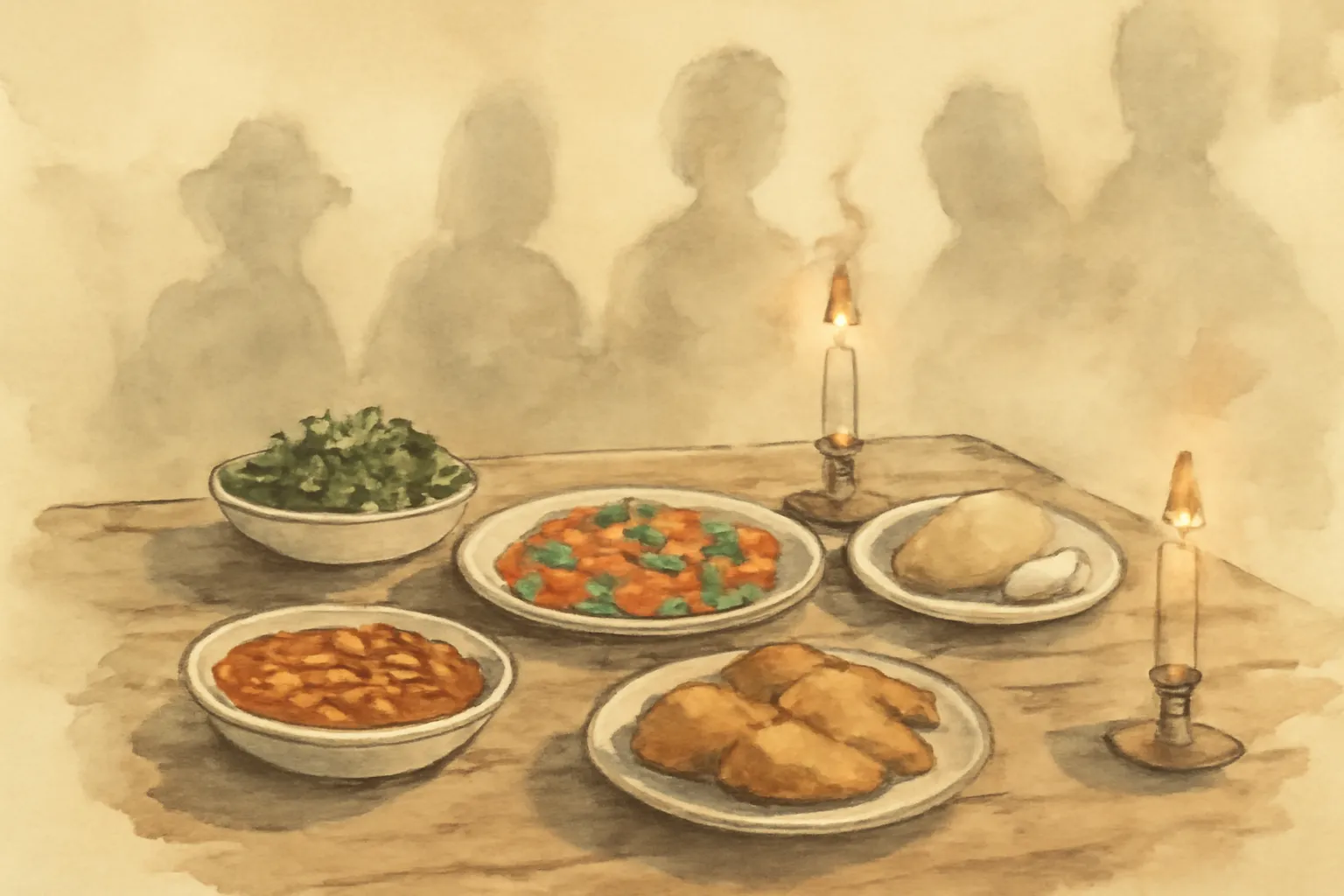
Twitty frames food as a living archive, carrying the memories, struggles, and triumphs of generations. He traces his own genealogy—both black and white—through recipes, ingredients, and cooking methods, showing how culinary traditions preserve family and cultural histories. This approach highlights how dishes are not just sustenance but also vessels of identity, survival, and resistance.
2.Race, Power, and Ownership in Southern Cuisine
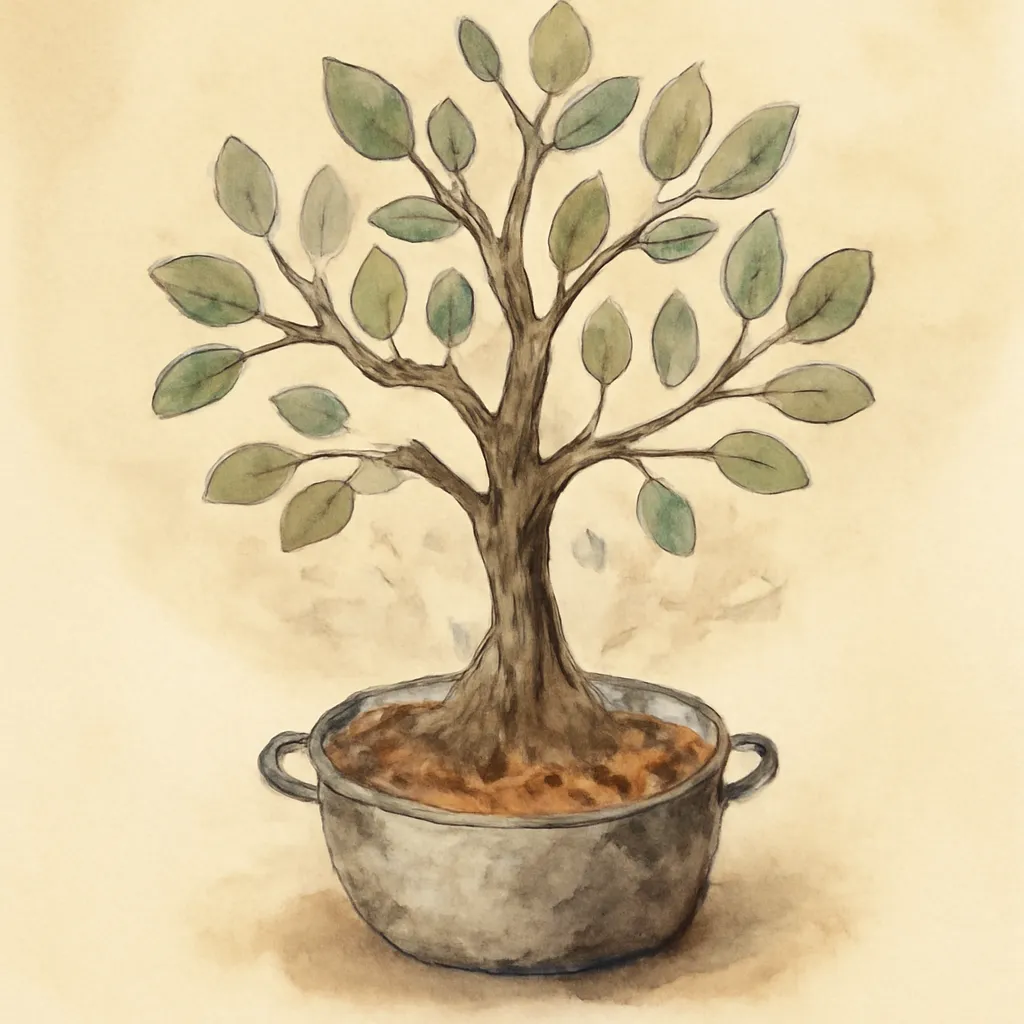
A central theme of the book is the contested ownership of Southern food. Twitty explores how African American cooks, both enslaved and free, shaped what we now call Southern cuisine, yet their contributions are often erased or appropriated. He interrogates who gets credit for culinary innovation and how food reflects broader power dynamics and racial histories.
3.Genealogy and Personal Discovery
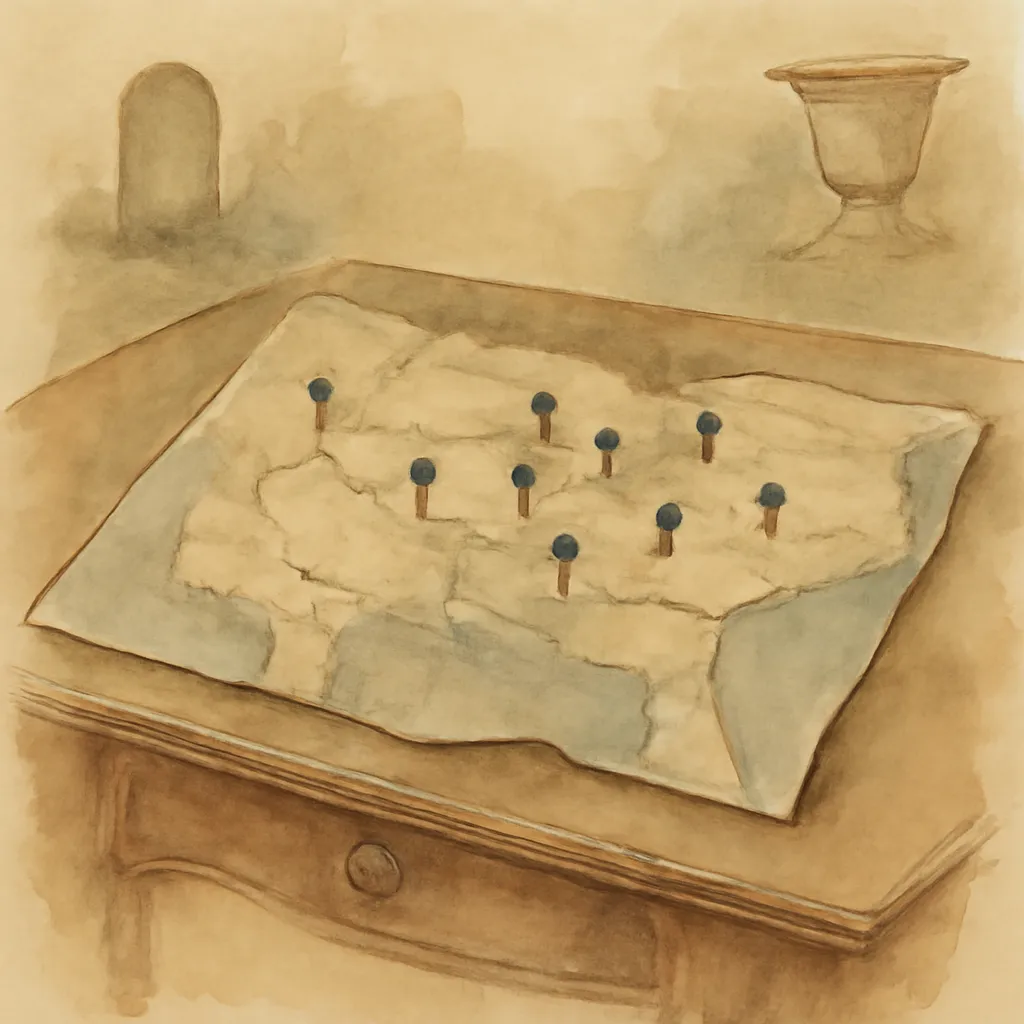
Twitty’s journey is both literal and figurative: he travels across the South, visiting plantations, graveyards, and kitchens, while also delving into DNA testing and archival research. This dual process uncovers painful truths about his ancestors, illuminating the complexity of American family trees and the intertwined histories of black and white Southerners.
4.Reclaiming and Healing Through Food
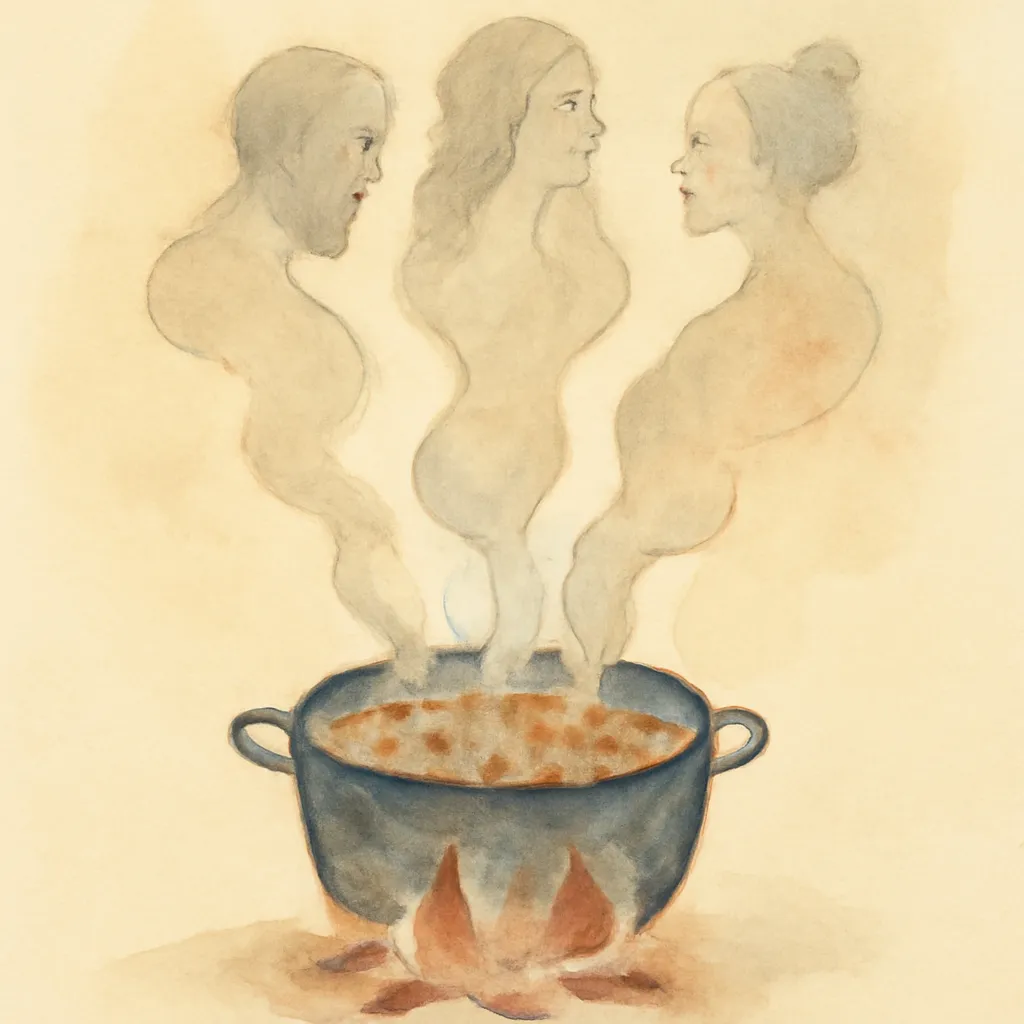
Cooking becomes an act of reclamation and healing for Twitty. By learning and sharing the foodways of his ancestors, he confronts the trauma of slavery and racism, transforming inherited pain into pride and understanding. He invites readers to see food as a means of reconciliation, both with the past and among communities today.
5.The Politics of Authenticity
Twitty challenges the idea of culinary 'authenticity,' arguing that Southern food is inherently hybrid, shaped by African, Native American, and European influences. He critiques the commercialization and sanitization of soul food, urging respect for its roots and the people who created it.
6.Food as a Bridge for Dialogue
Throughout the book, Twitty uses food as a starting point for difficult conversations about race, heritage, and identity. He demonstrates how sharing meals and stories can foster empathy and understanding, making the kitchen a space for both confrontation and connection.