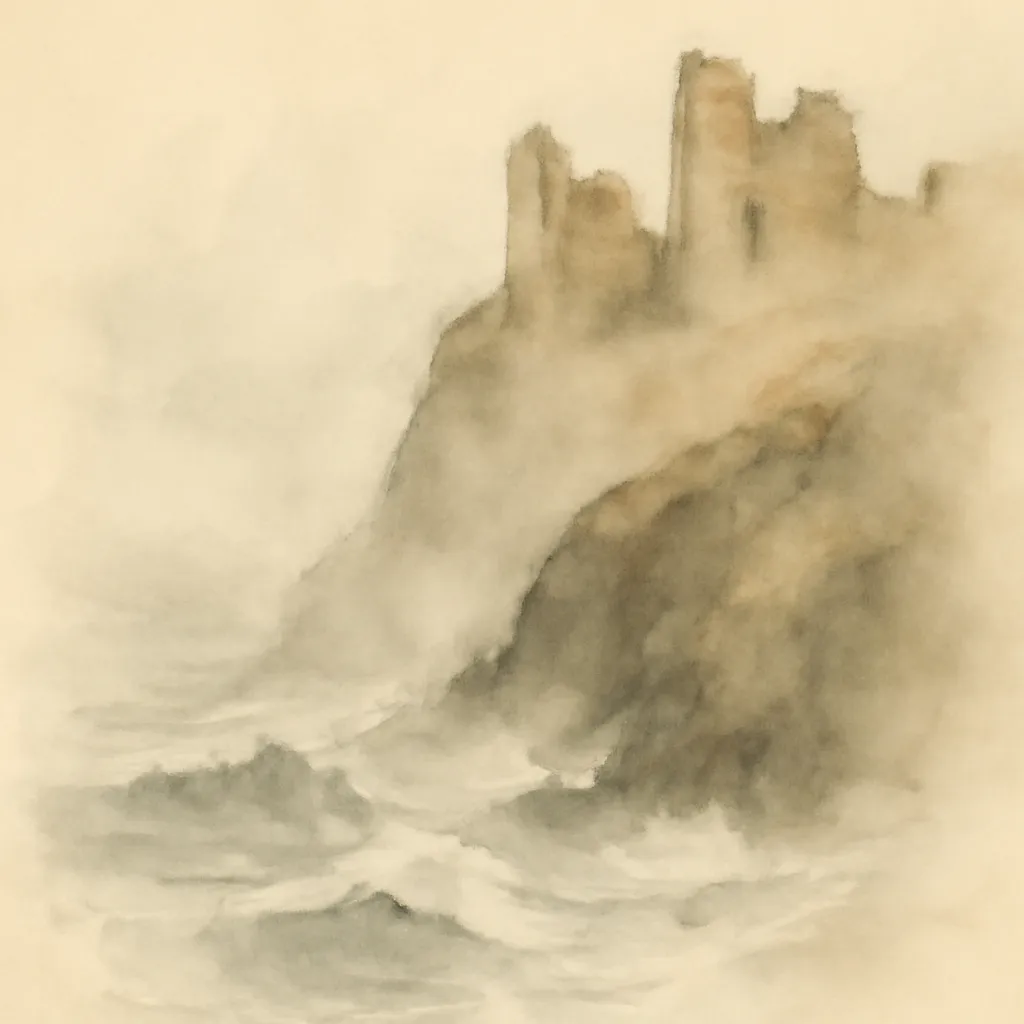
1.Navigating Cornwall's Coast
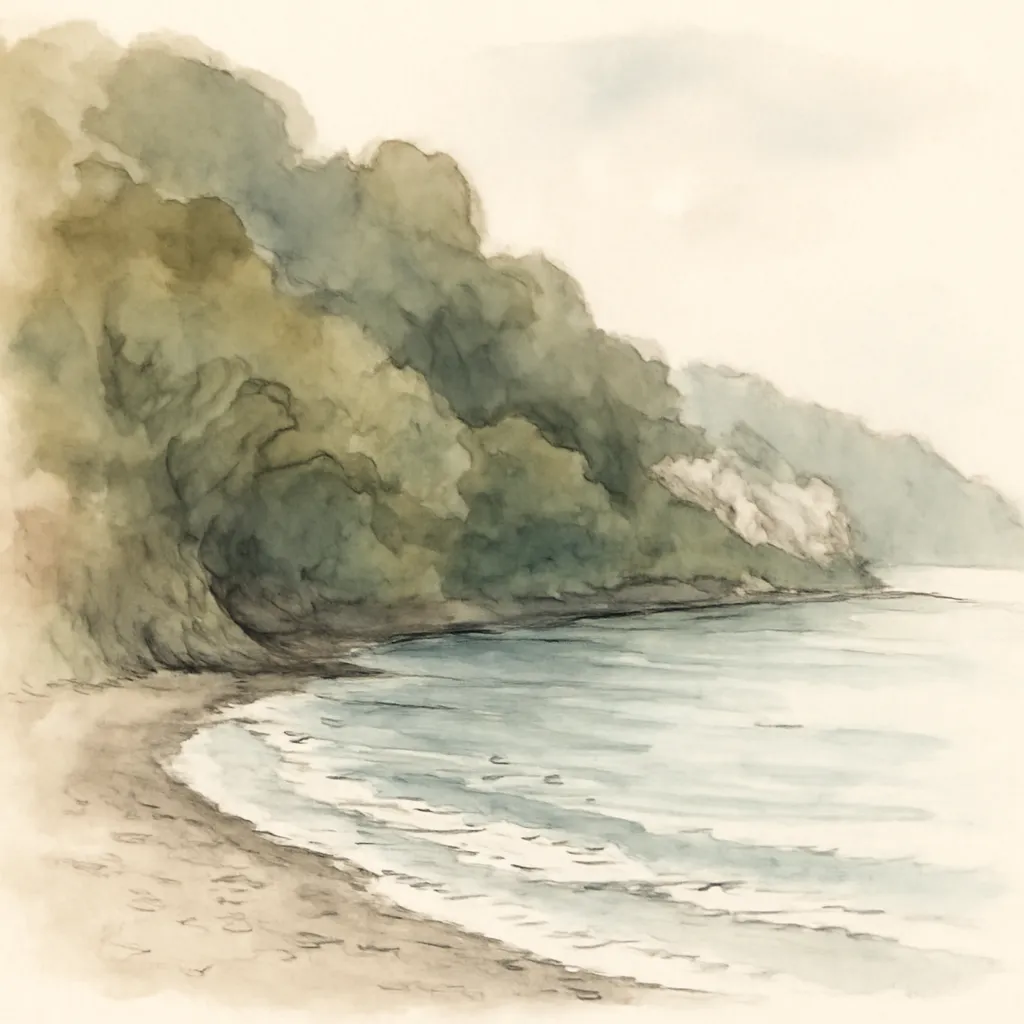
Traveling through Cornwall offers a unique experience that requires careful planning and exploration. The roads may be excellent, but they often only connect at specific coastal points, necessitating a deeper engagement with the landscape. The author emphasizes the importance of using quality maps, particularly those from the Ordnance Survey, which provide detailed insights for both motorists and cyclists. Visitors are encouraged to explore the coastline on foot, as the most breathtaking views are often found just off the beaten path. By combining main roads with lesser-known byways, travelers can enjoy a more intimate connection with the sea and its stunning vistas. This approach not only enhances the journey but also allows for unexpected discoveries along the way.
2.Geological Foundations of Cornwall
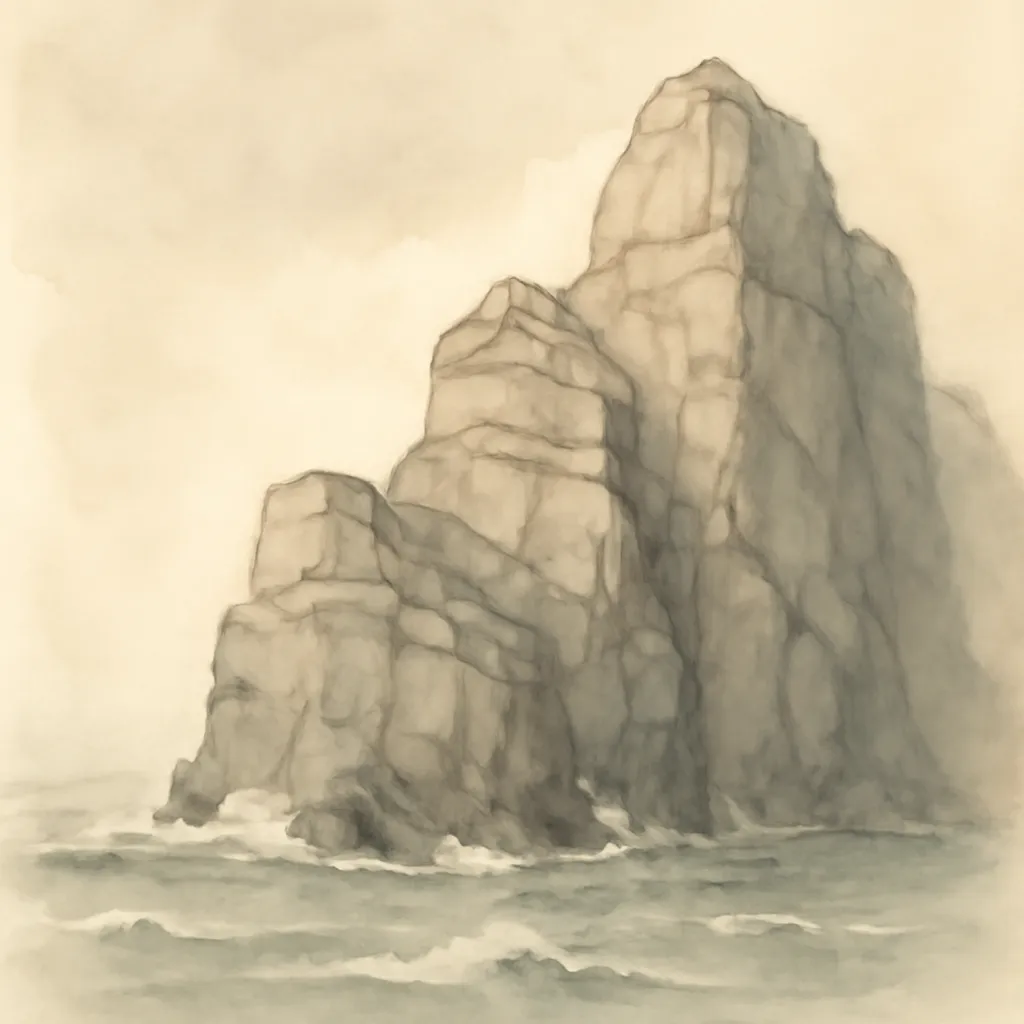
Cornwall's coastline is fundamentally shaped by its geological structure, primarily consisting of granitic formations that have endured the relentless Atlantic forces. This resilience is a testament to the region's natural history, where softer materials have been eroded over time, leaving behind stark cliffs and rugged landscapes. The author discusses how this geological backdrop has influenced not only the physical appearance of the coast but also the flora and fauna that thrive in this environment. The shallow waters surrounding Cornwall are a remnant of its geological past, connecting it to the European mainland and shaping the unique ecosystems found here. Understanding these geological underpinnings enriches the appreciation of Cornwall's natural beauty and highlights the dynamic forces that continue to shape its coast.
3.Historical Significance of Coastal Towns
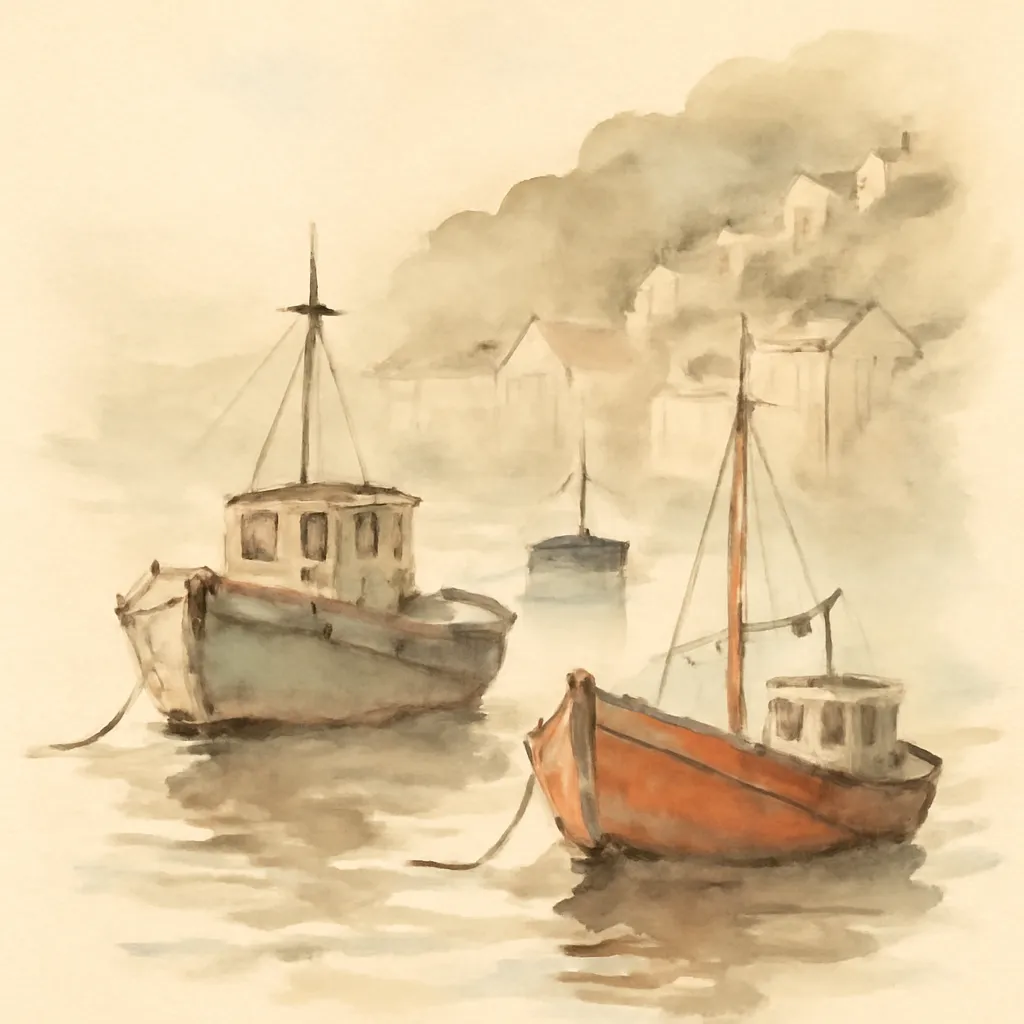
The historical significance of towns like Looe and Polperro cannot be overstated. Once vibrant seaports, these towns have witnessed the ebb and flow of commerce and industry, contributing to Britain's maritime history. Looe, in particular, is noted for its decline in relative importance, overshadowed by larger cities like Plymouth. However, this decline has preserved its charm and character, allowing it to serve as a glimpse into Old England. The author reflects on how these towns provide a contrast to modern urban centers, showcasing what life may have been like before industrialization transformed the landscape. The quiet prosperity of these towns, with their picturesque streets and historical architecture, invites visitors to appreciate the rich tapestry of England's coastal heritage.
4.The Allure of Fowey
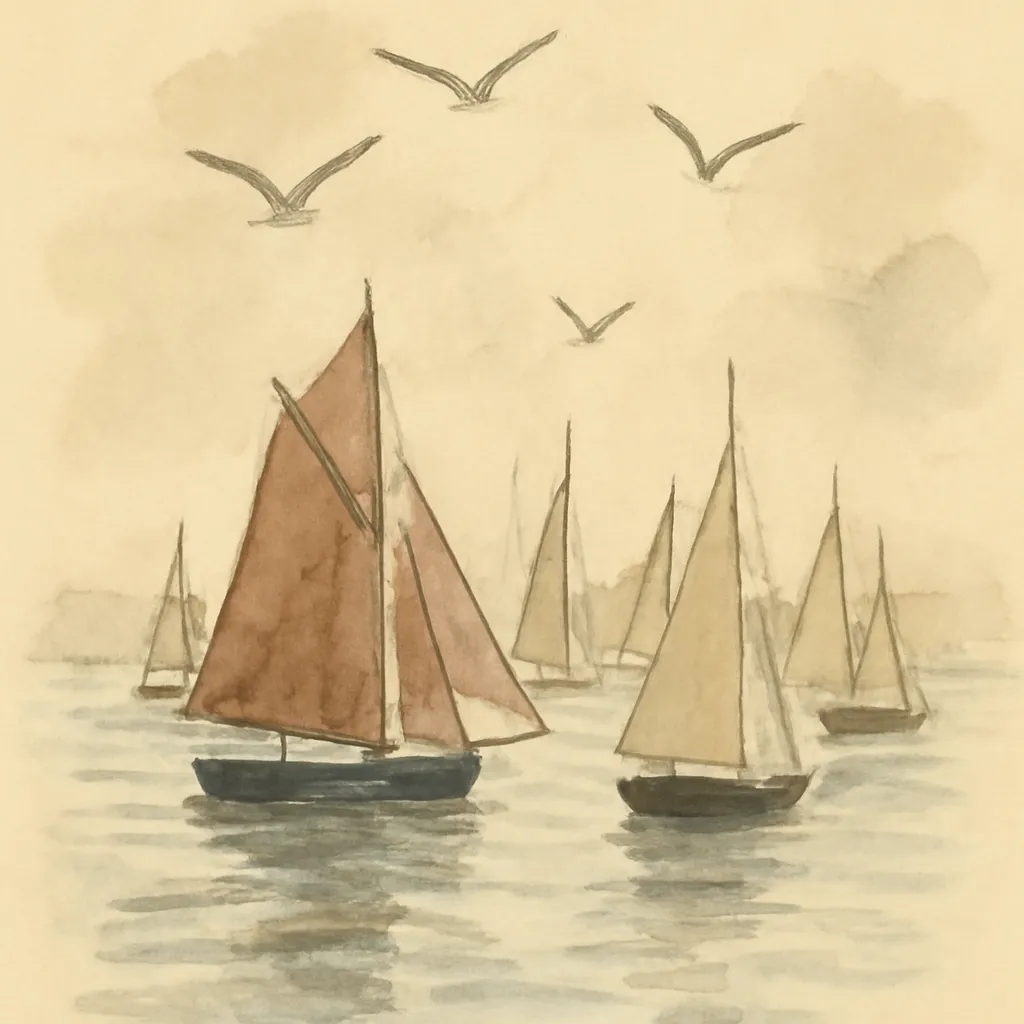
Fowey is presented as a quintessential Cornish town, steeped in history and natural beauty. As travelers journey from Polperro to Fowey, they encounter stunning coastal scenery, lush greenery, and a sense of tranquility that seems to envelop the area. The town's historical significance as a trading port is highlighted, along with its picturesque setting along the estuary. The author delves into the etymology of local names, revealing the rich cultural tapestry woven from Celtic and Latin influences. Fowey's charm lies not only in its scenic views but also in its ability to preserve a sense of the past amidst the pressures of modern tourism. Visitors are encouraged to explore its quaint streets and appreciate the blend of history and natural beauty that defines this coastal gem.
5.St. Austell: The Heart of Cornwall's Industry
St. Austell emerges as a bustling commercial center, primarily driven by the china-clay industry. This town, while not directly on the coast, plays a crucial role in the economic landscape of Cornwall. The author provides insights into the historical significance of this industry and its impact on the local population. St. Austell Church, with its impressive granite tower and historical inscriptions, stands as a symbol of the town's heritage. The juxtaposition of industrial activity with the beauty of the surrounding landscape is a recurring theme, illustrating how Cornwall's economy has evolved while still maintaining its connection to the land. Visitors to St. Austell can appreciate the town's unique character, shaped by both industry and tradition.
6.Falmouth: A Maritime Hub
Falmouth is portrayed as a vibrant maritime hub with a rich trading history. The town's strategic location has made it a focal point for shipping and trade, with historical figures like Lord Byron commenting on its significance. The author contrasts the town's bustling past with its present, where remnants of its historical architecture coexist with modern developments. The dual castles of St. Mawes and Pendennis serve as guardians of the harbor, adding to the town's historical allure. Falmouth's beauty is not merely in its practicality as a port but also in its stunning harbor views and the vibrant life that surrounds it. This blend of history, commerce, and natural beauty makes Falmouth a must-visit destination for those exploring the Cornwall coast.
7.The Lizard: A Unique Coastal Experience
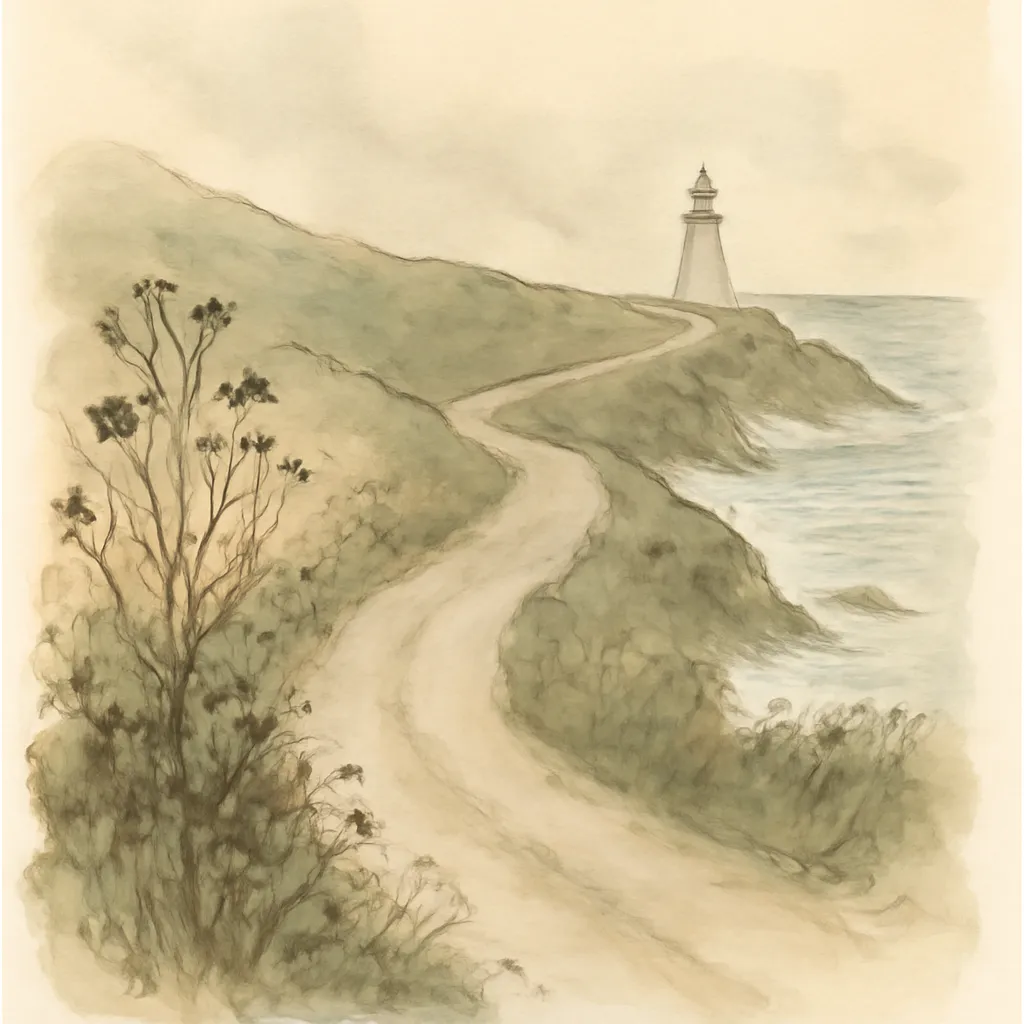
The Lizard Peninsula is celebrated for its dramatic landscapes and unique geological features. The author describes Lizard Town as a small yet significant settlement, serving as a gateway to some of the most breathtaking coastal scenery in England. The name 'Lizard' itself derives from Cornish words meaning 'high enclosure,' reflecting the area's historical significance. Visitors to the Lizard can explore its rugged cliffs, stunning beaches, and unique wildlife. The lighthouse, with its powerful beam, stands as a sentinel, guiding sailors safely along these treacherous waters. The Lizard's charm lies in its raw beauty and the sense of adventure it offers, making it an essential stop for anyone traversing the Cornish coastline.
8.Mount's Bay: A Coastal Haven
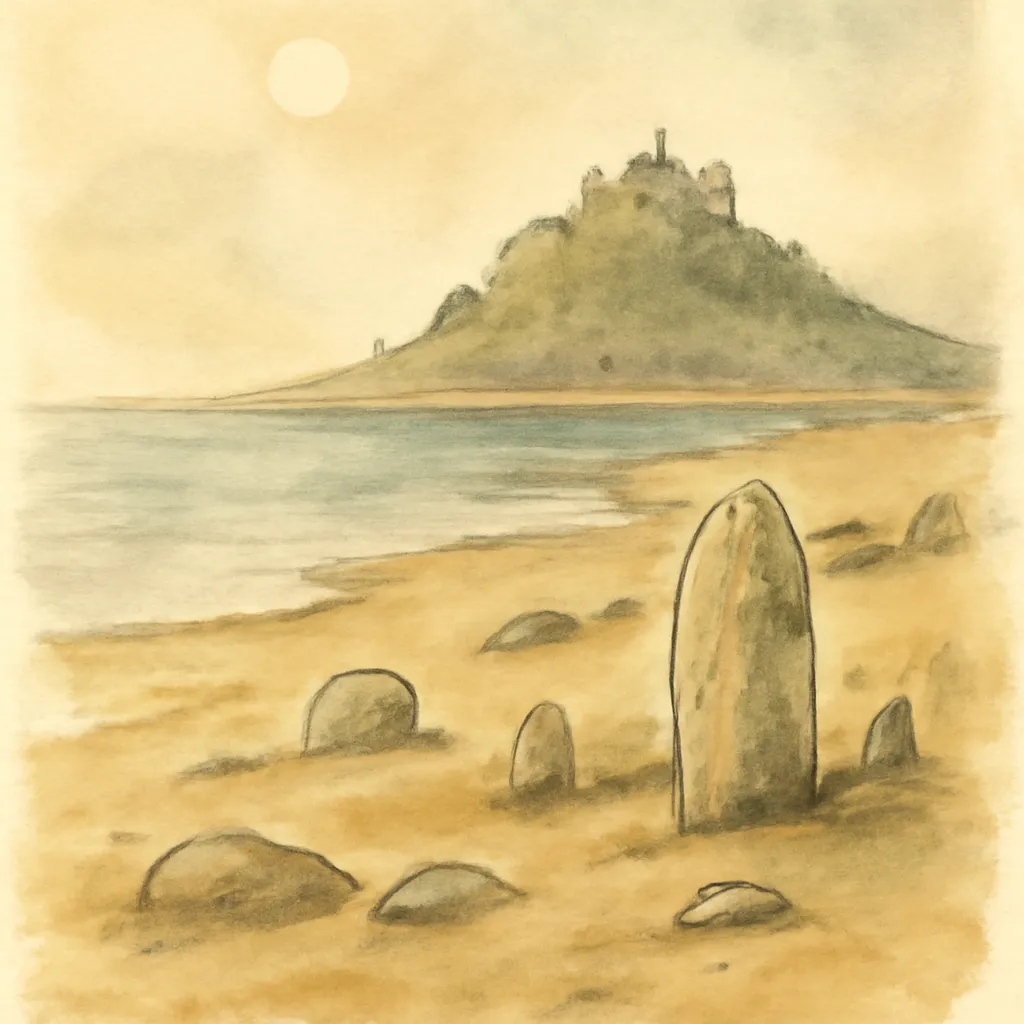
Mount's Bay is depicted as a picturesque coastal haven, with its sandy beaches and charming towns like Porthleven. The author highlights the area's historical significance, including its connections to ancient saints and local legends. The beauty of Mount's Bay is not just in its scenery but also in the stories that echo through its shores. The author warns of the treacherous nature of the waters, where shipwrecks have left their mark on the landscape. This duality of beauty and danger creates a captivating narrative that draws visitors to the area. Mount's Bay, with its rich history and stunning views, serves as a reminder of the powerful forces of nature that shape the Cornish coast.
9.Penzance: The Metropolis of the West
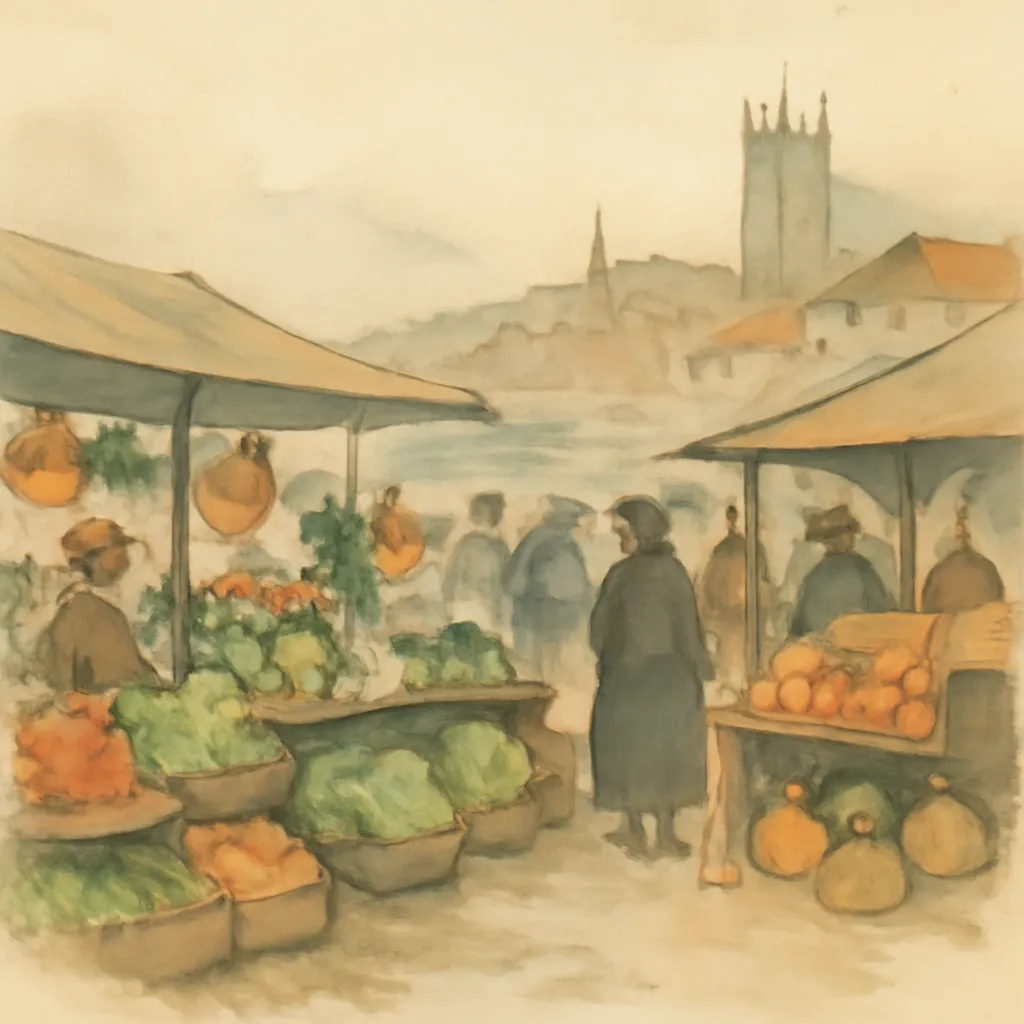
Penzance stands as the business capital of western Cornwall, characterized by its bustling markets and vibrant community life. The author paints a picture of a town where commerce thrives, and local traditions are preserved amidst the influx of visitors. Penzance's charm lies in its authenticity, with a strong sense of identity that resists the superficial trappings of modern tourism. The town serves as a gateway to the wider Land's End district, making it a convenient base for exploration. While it may lack the picturesque allure of other coastal towns, Penzance offers a homely friendliness that resonates with visitors. This blend of functionality and charm makes Penzance a vital part of the Cornwall experience.
10.The Enigmatic Scilly Islands
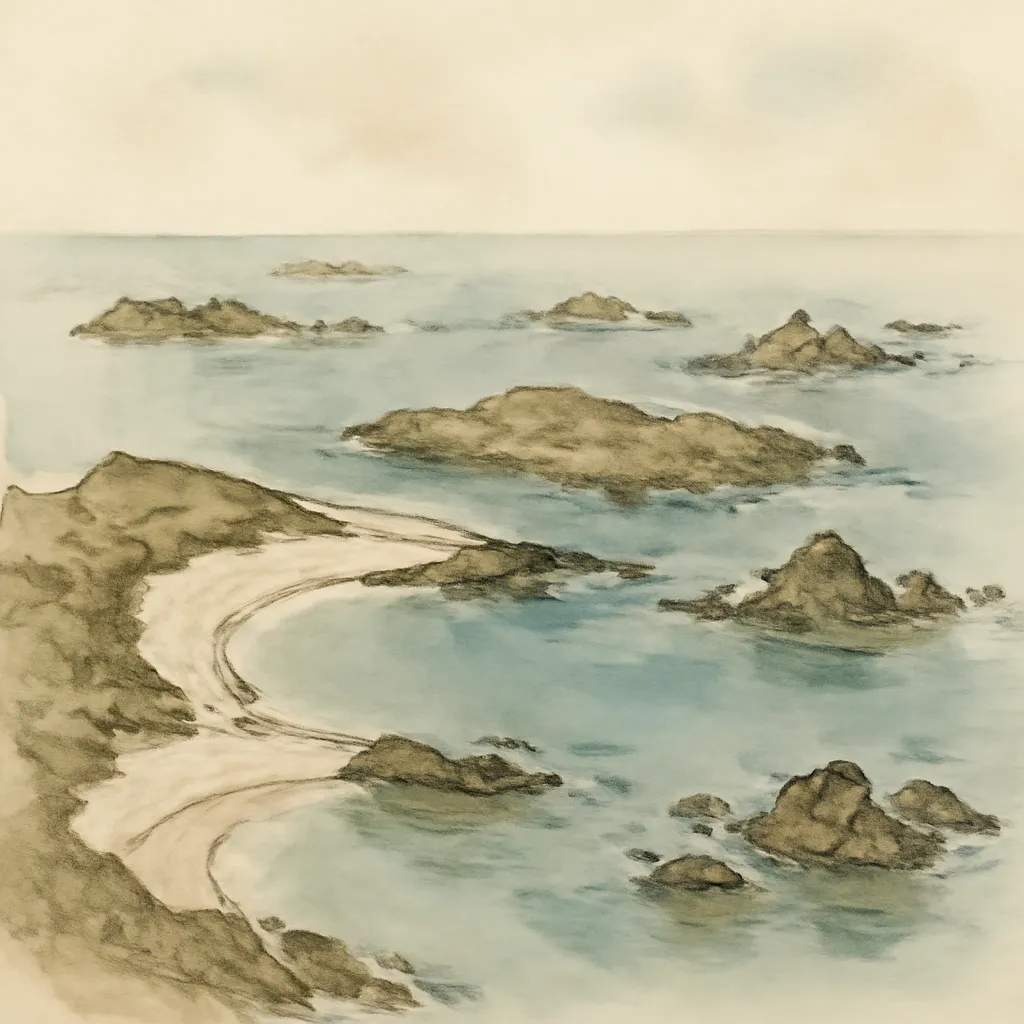
The Scilly Islands are portrayed as a mysterious extension of Cornwall, with their unique geological and cultural identity. These islands, often overlooked, are rich in natural beauty and historical significance. The author emphasizes their strategic location and the potential for future development as a naval base, highlighting their importance in maritime history. The islands' rugged landscapes and diverse ecosystems invite exploration and adventure, offering a stark contrast to the mainland. Visitors to the Scilly Isles can immerse themselves in a world where nature and history intertwine, making it a hidden gem for those seeking a deeper connection with Cornwall's coastal heritage. The enchanting allure of the Scilly Islands adds another layer to the rich narrative of Cornwall's coast.
11.Legends of King Arthur: Tintagel's Historic Charm
Tintagel is steeped in the legendary tales of King Arthur, drawing visitors eager to connect with the mythological past. The author navigates the complexities of Arthurian legend, separating historical fact from romanticized fiction. Tintagel Castle, believed to be Arthur's birthplace, stands as a testament to the enduring power of myth in shaping cultural identity. The surrounding landscapes, with their dramatic cliffs and crashing waves, add to the mystique of the site. The author encourages visitors to engage with the local lore while appreciating the breathtaking beauty of the area. Tintagel serves as a bridge between history and legend, inviting exploration and contemplation of its storied past.