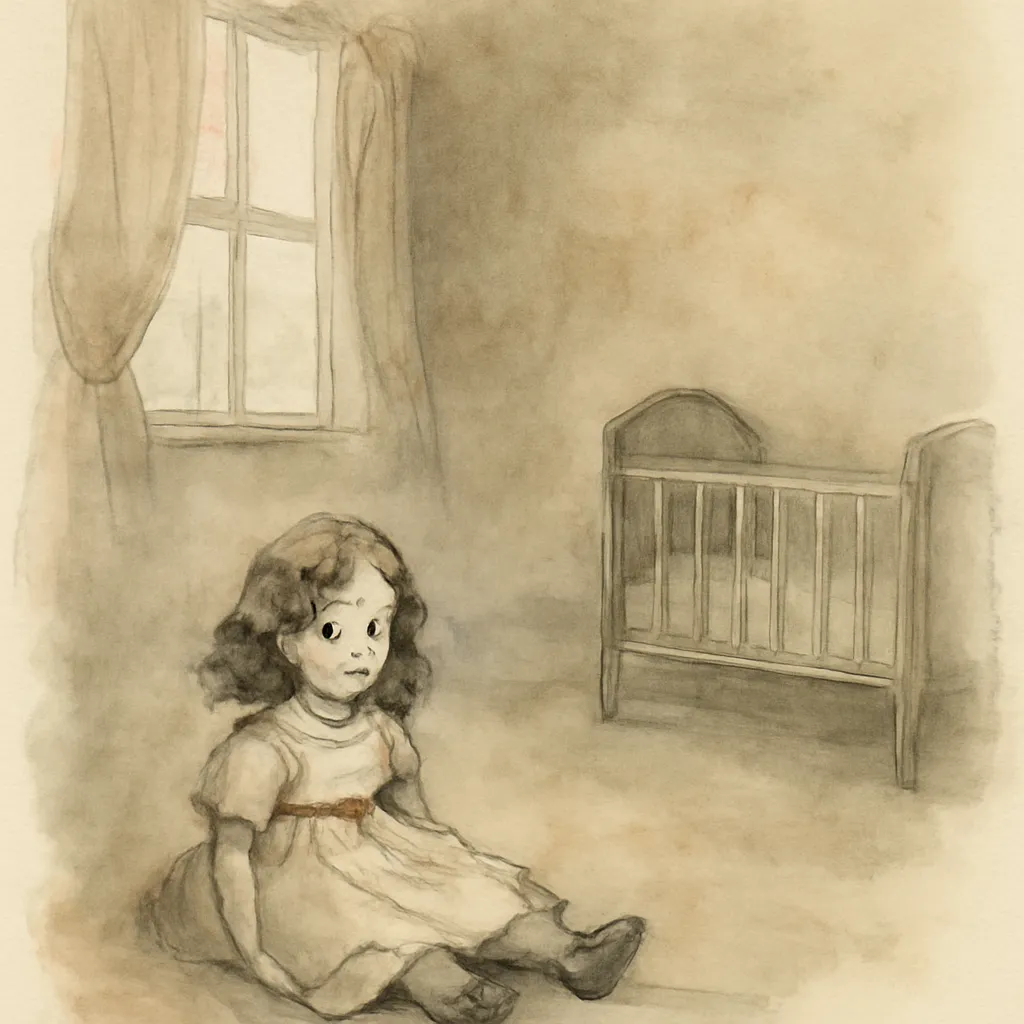
1.The Fragility of Domestic Bliss
Lapena’s novel dissects the illusion of a perfect marriage and family. Anne and Marco appear to have it all, but the abduction of their infant daughter exposes cracks in their relationship and in their own self-perceptions. The story highlights how quickly stability can collapse under pressure, revealing vulnerabilities that were always present but carefully hidden. The book invites readers to reflect on how much of domestic happiness is performance, and how easily it can be undone by a single event.
2.Secrets and Lies as the Fabric of Relationships
At the heart of the novel is the idea that every marriage—and every neighborly relationship—contains secrets. Lapena shows how both small and significant deceptions accumulate, eroding trust and intimacy. The characters’ secrets are not just plot devices but also commentaries on the human tendency to hide shameful truths, even from those closest to us. The unraveling of these secrets drives the suspense and forces characters to confront the consequences of their dishonesty.
3.The Unreliability of Appearances
The novel repeatedly challenges the reader’s assumptions about guilt and innocence. The respectable suburban setting and the outwardly normal characters mask complex, sometimes sinister realities. Lapena manipulates perspective and information, keeping readers guessing about who can be trusted. This theme resonates with contemporary anxieties about how little we truly know about those around us, even those we love.
4.Parental Anxiety and Societal Judgment
The disappearance of baby Cora unleashes a storm of judgment—not just from the police and media, but from Anne and Marco themselves. Lapena explores the pressures and guilt that come with parenthood, especially when tragedy strikes. The novel scrutinizes how society is quick to blame parents, particularly mothers, for any perceived failure, amplifying their own insecurities and doubts.
5.The Psychology of Guilt and Desperation
As the investigation unfolds, Lapena delves into the psychological turmoil experienced by her characters. Guilt, fear, and desperation drive their actions, often leading to further mistakes and betrayals. The book offers insight into how ordinary people can be pushed to extraordinary—and sometimes criminal—acts when cornered by circumstance and emotion.
6.The Role of the Outsider
Detective Rasbach serves as both a catalyst and a mirror, exposing the lies and half-truths of the main characters. His outsider perspective underscores how difficult it is to truly know what happens behind closed doors. Rasbach’s methodical, almost clinical approach contrasts with the emotional chaos of Anne and Marco, highlighting the gap between appearance and reality.