1.The Splendor of Royal Celebrations
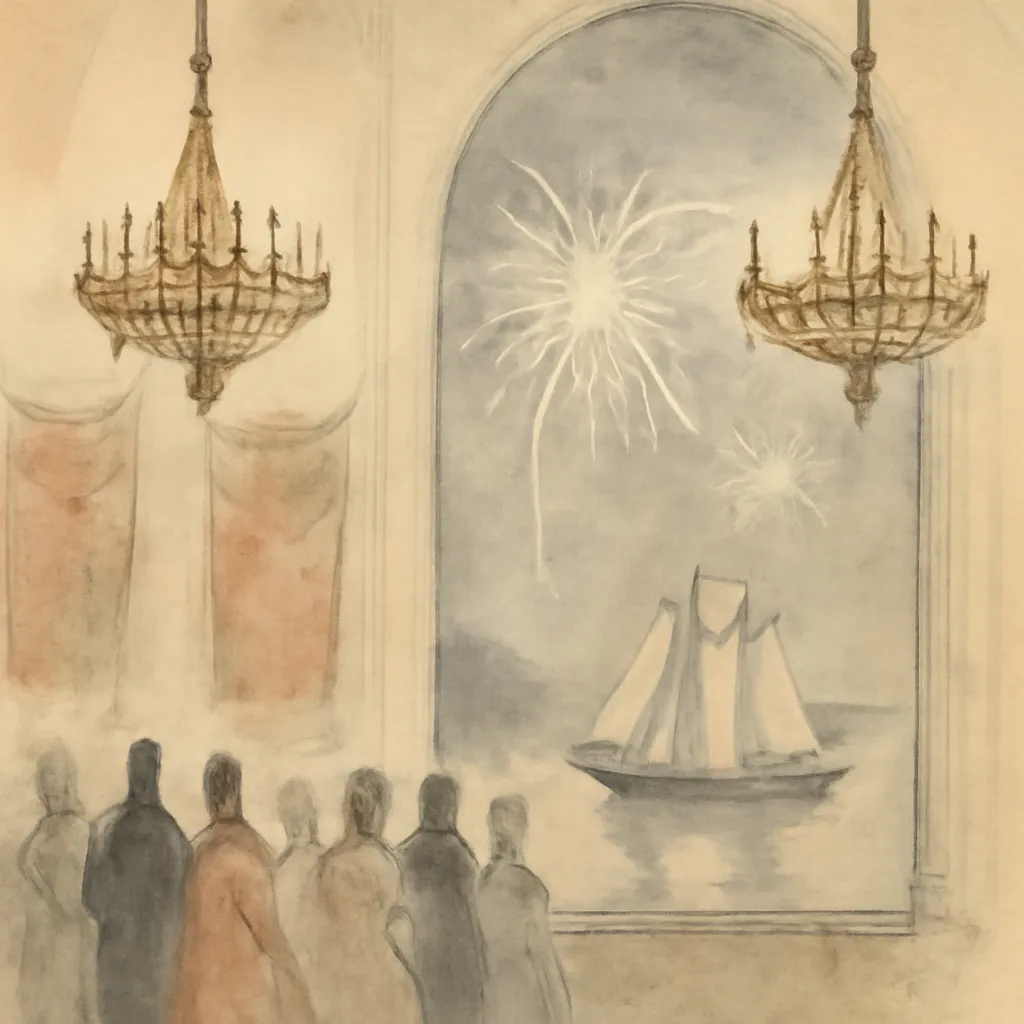
The opening story immerses readers in the vibrant spectacle of a royal celebration, where the king and queen are at the center of grand festivities. Beach's rich descriptions evoke the sights and sounds of the scene, with cannon fire announcing the yacht's arrival and crowds swelling with excitement. Yet, amidst the exuberance, Mr. Roland Van Dam feels a disconnect from the festivities, illustrating how societal class dynamics can dampen personal enthusiasm. The juxtaposition of the royal couple's joy against the crowd's fervor highlights the gaps between perception and reality—between the lives of the elite and those who idolize them. Van Dam's internal struggle, expressed through his sarcastic observations and the indifference of his party, underscores a crucial theme: the quest for genuine connection in a world obsessed with appearances. This tale sets the stage for exploring complex emotions behind external celebrations, inviting readers to question the nature of happiness and fulfillment.
2.The Masks We Wear
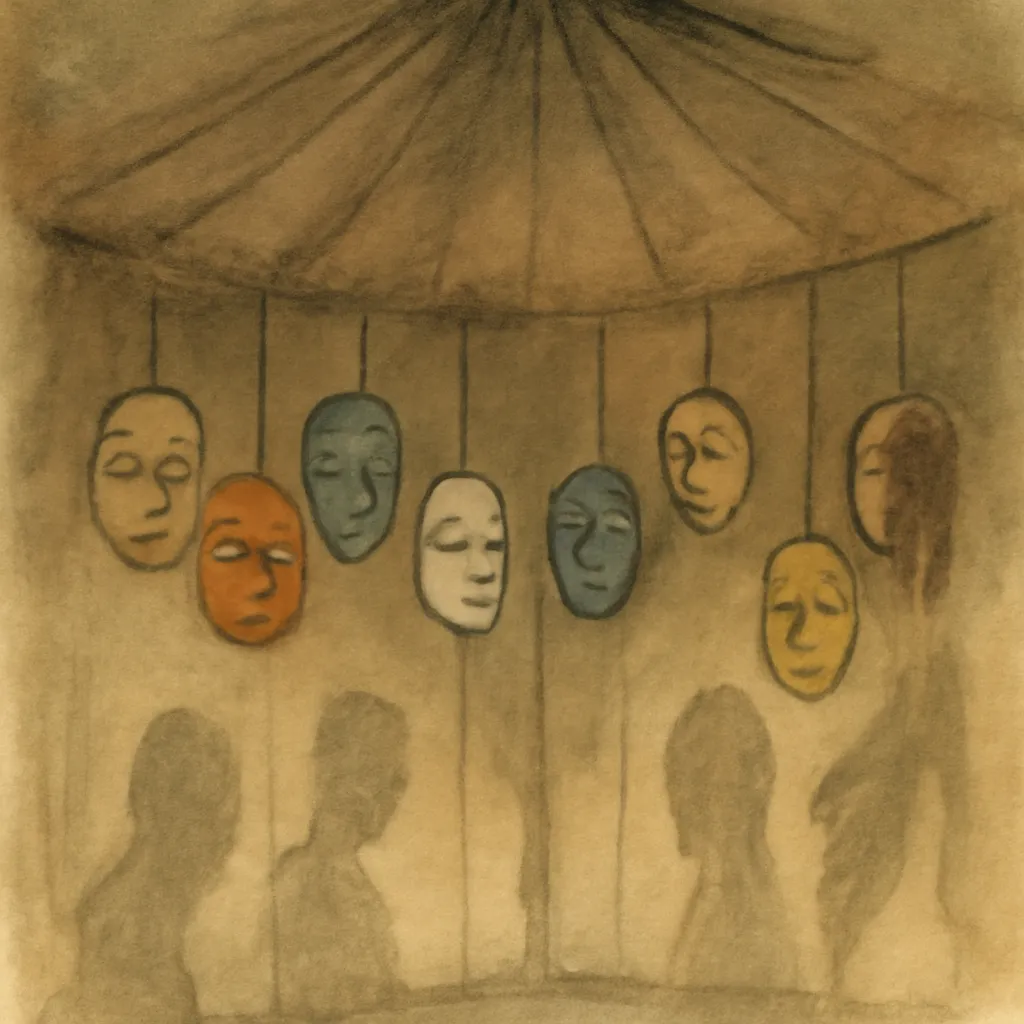
In the second story, the theme of masks—both literal and figurative—takes center stage as Van Dam and an enigmatic girl navigate the carnival's intricacies. The act of putting on masks allows them to escape societal constraints, revealing their hidden desires and true selves. Their playful banter and flirtations present a delicate dance, where the thrill of anonymity leads to both excitement and vulnerability. However, the girl's caution regarding 'the Wolf' introduces an underlying tension, foreshadowing danger lurking just beneath the surface. This narrative explores the duality of human nature: the desire for connection tempered by fear of exposure. Beach invites readers to consider the roles we adopt in our lives, often dictated by societal expectations, and how those roles can obscure our true identities. The playful yet profound exchanges between the characters exemplify the intricate balance between freedom and restraint that defines the human experience.
3.An Unexpected Reunion

The emotional gravity of a frail, blind old woman who mistakes Van Dam for her son, Emile, reveals the story's poignant exploration of maternal love. Her palpable joy in her delusion contrasts dramatically with Van Dam's turmoil, as he grapples with the moral implications of his deception. This moment evokes deep empathy, underscoring how grief can warp one’s reality and consume the heart with longing. Beach deftly illustrates the intensity of a mother's love and the lengths to which one will go to fill the void of loss. The old woman's tender words and yearning gestures emphasize the profound impact of love on the human condition. Van Dam's internal conflict—caught between compassion for her situation and guilt over his deceit—invites readers to reflect on the complexities of human relationships, the power of memory, and the sometimes cruel fragility of the human heart. This tale serves as a powerful reminder that even in the face of sorrow, love can provide profound meaning and connection.
4.The Call of Adventure in the Caribbean
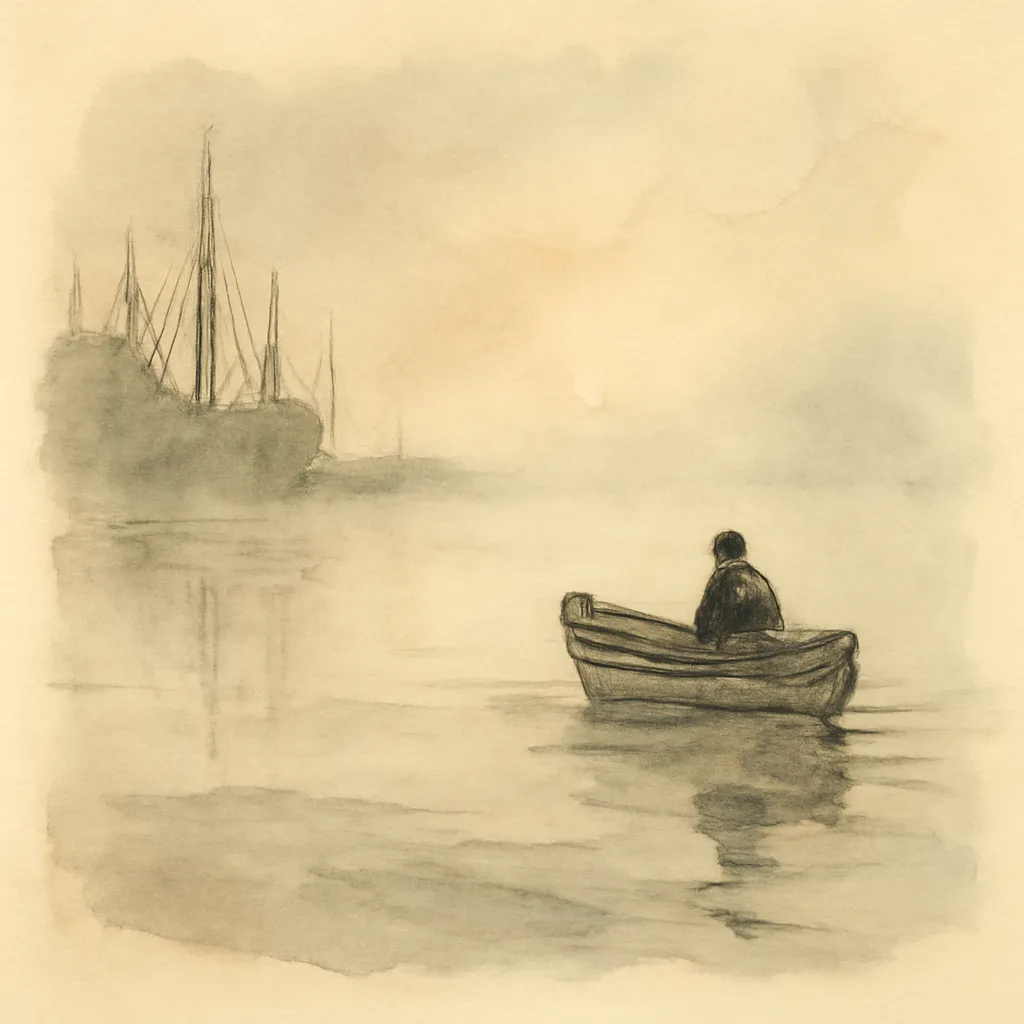
The narrative shifts to the sultry Caribbean as Captain Inocencio prepares to leave his ship for the forbidden shores of his homeland. This story vividly captures the seductive beauty of the tropical landscape while reflecting on the darker aspects of Inocencio's life. His recollections reveal a man shaped by adventure and violence, illustrating the duality of human experience—craving freedom while being tethered to a tumultuous past. Beach uses the setting as a character of its own, with the sea representing both sanctuary and entrapment. Inocencio's internal struggle exemplifies the conflict between desire and consequence, urging readers to consider how one's environment can shape choices and identity. This tale encapsulates the essence of adventure, revealing how the allure of exploration can intertwine with the complexities of one’s history and the longing for home.
5.War's Hollow Victories
Colonel Petithomme Laguerre's story starkly portrays the brutal realities of war, allowing Beach to delve into themes of ambition, power, and the moral ambiguities faced by leaders. Laguerre's dissatisfaction with the outcomes of his military campaigns underscores the futility of violence and the hollow victories that accompany it. Through his character, Beach critiques militarism, exploring the shame and emptiness that often accompany a quest for glory. The scene of soldiers gathered around a cook-fire reveals the disconnect between leaders and the lived experiences of those they command. Laguerre's internal conflicts mirror the struggles of many who seek recognition in a world that often equates worth with conquest. This narrative encourages readers to question the true cost of ambition and the ethical dilemmas faced by individuals in positions of power, making it a poignant exploration of human nature under the weight of conflict.
6.The Outsider's Journey
Inocencio's experiences as an outsider navigating foreign waters serve to highlight the challenges of identity and belonging. His interactions with local communities reveal a spectrum of suspicion and curiosity, illustrating the complex dynamics that exist between the outsider and the community. Beach emphasizes the layers of identity, showcasing how individuals can simultaneously embody both the outsider and insider roles, depending on their circumstances. The inherent tension of Inocencio's situation resonates throughout the collection, as many characters grapple with their status in society. This narrative invites readers to reflect on the fluidity of identity and how societal perceptions can shape an individual's reality. Beach's exploration of the outsider experience serves as a powerful commentary on the human desire for acceptance and the longing for connection, especially in worlds that often marginalize those who are different.
7.Love and Its Complications
The tale of Inocencio and the San Blas girl delves into the complexities of love and the consequences of desire. Their relationship, complicated by cultural expectations and societal pressures, illustrates how love can exist in tension with obligation. Inocencio's sense of pride in winning the girl, despite the challenges posed by her community, showcases the themes of power and vulnerability inherent in romantic relationships. Beach captures the nuances of passion and how external forces can influence intimate connections, revealing the delicate balance between love and betrayal. This narrative serves as a reminder that love often brings with it a host of complications, demanding negotiation and understanding amidst societal constraints. The characters' struggles underscore the fragile nature of romantic bonds, suggesting that love, while a powerful force, can also lead to heartache and conflict when faced with the realities of the world.
8.The Weight of Wealth and Its Consequences
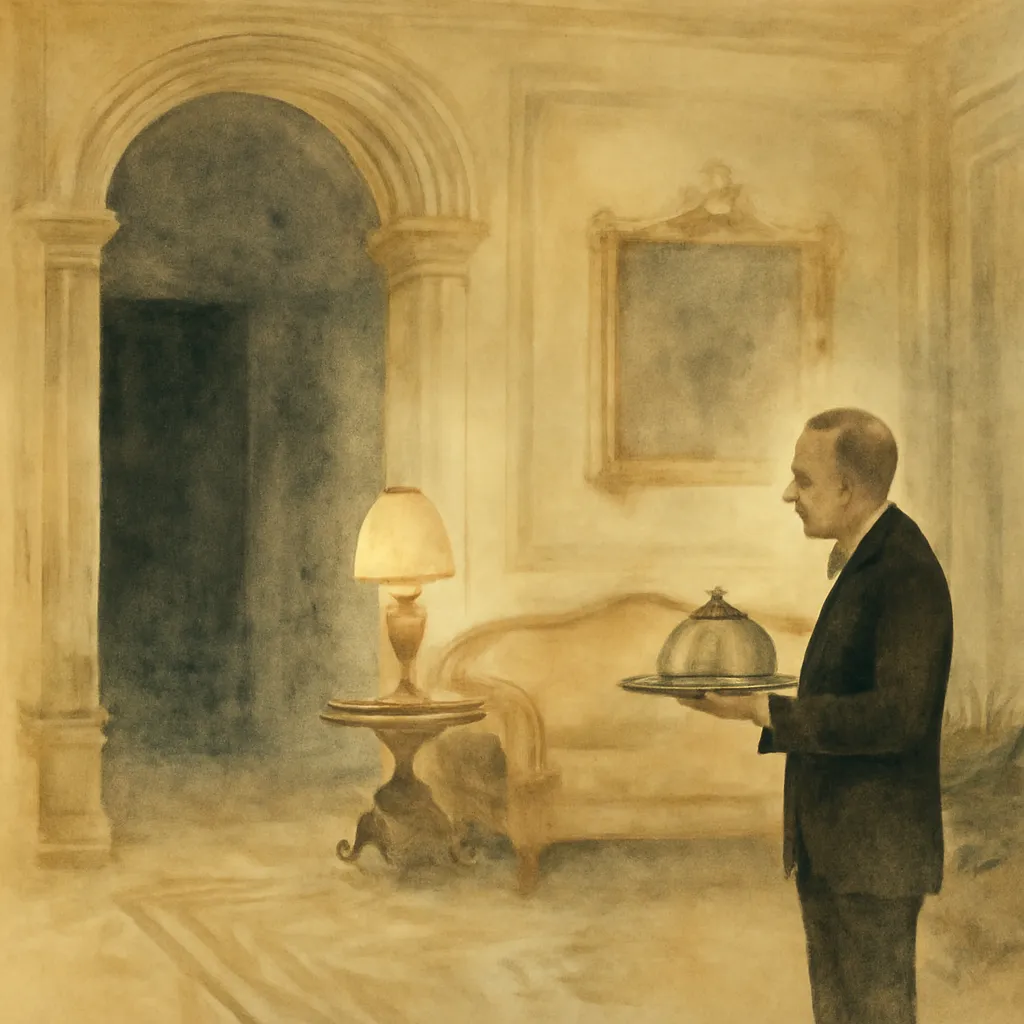
Butler Murray's narrative critiques the complexities of wealth and how material success can influence personal relationships and emotional health. As he navigates the fallout from his extravagant lifestyle, readers witness the conflict between financial prosperity and genuine fulfillment. Beach illustrates how the allure of wealth can create a façade of happiness while masking deeper issues of isolation and despair. Murray's reflections on his financial failures reveal the emotional toll of living beyond one's means, emphasizing that true worth lies not in possessions but in meaningful connections. This tale challenges readers to consider their own values and the societal pressures that equate financial success with personal achievement. Beach's keen observations about wealth serve as a warning of the emptiness that can accompany materialism, inviting contemplation about what constitutes a truly fulfilling life.
9.Desperation and the Search for Redemption
Murray's contemplation of suicide reveals the depths of despair that accompany personal failure, offering a harrowing look into the human psyche when faced with overwhelming circumstances. His methodical planning for a fatal accident illustrates the psychological burden of feeling trapped by one's choices. Beach effectively captures the conflicting emotions of hope and hopelessness, portraying a man wrestling with his own demons. The stark beauty of the cold night contrasts with Murray’s dark intentions, symbolizing the internal battle between despair and the longing for rebirth. This narrative invites readers to consider the transformative potential of desperation, suggesting that even in moments of crisis, the possibility for redemption and renewal can emerge. The complexity of Murray's journey highlights the resilience of the human spirit, reminding us that even in our darkest hours, there exists the potential for light.
10.Nature's Indifference and Human Isolation
The concluding story immerses readers in a snow-covered valley, where McGill's solitary existence reflects the harsh realities of survival in nature. The desolation of the landscape serves as a powerful metaphor for isolation and the human condition. Beach's evocative descriptions of the silent, snow-laden world invite readers to reflect on the fragile state of existence and the relentless passage of time. McGill's interactions with the environment reveal the indifference of nature to human struggles, emphasizing the theme of existential contemplation. This narrative serves as a poignant reminder that nature can be both nurturing and harsh, paralleling the complexities of the human experience. Through McGill's solitary journey, Beach explores themes of endurance, survival, and the search for meaning in a world that often feels uncaring, echoing the broader struggles of humanity.