1.The Aftermath of Yorktown: A Fragile Victory
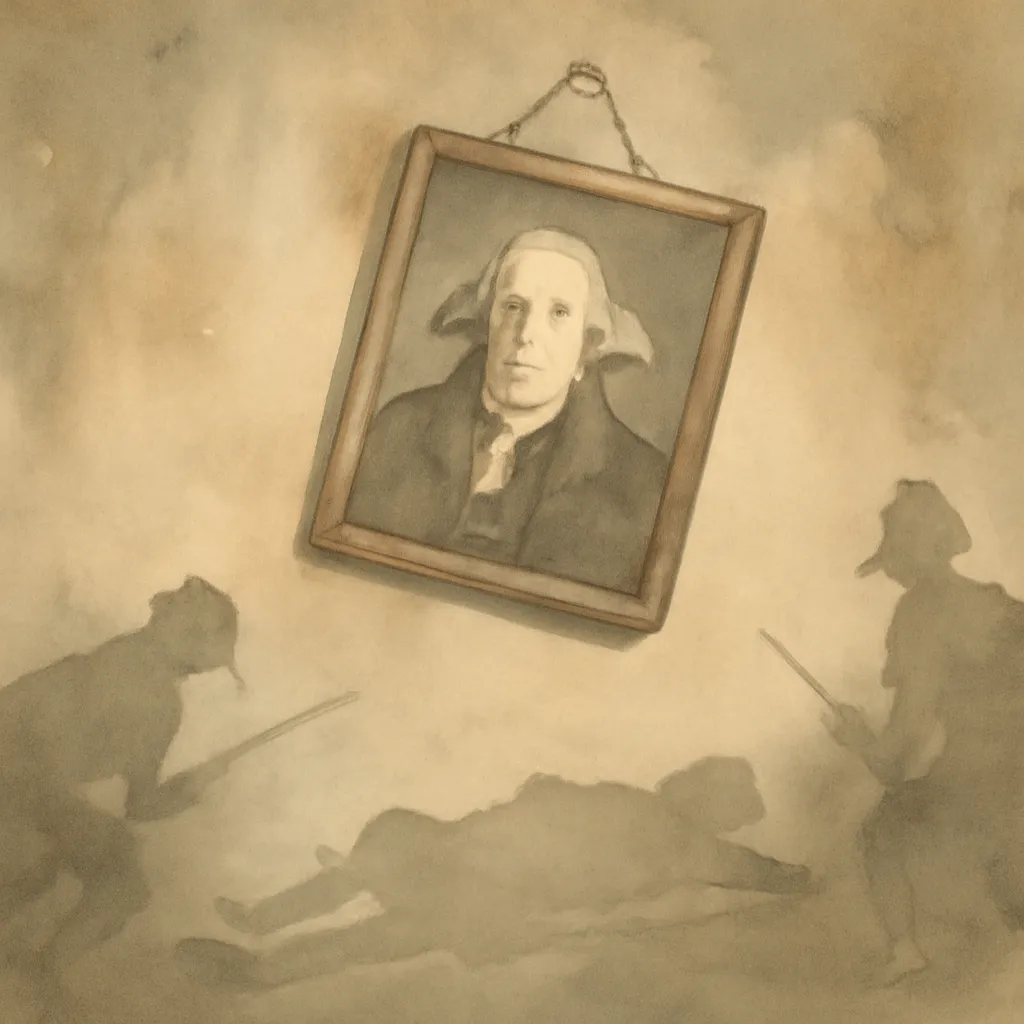
The fall of Lord North's ministry in March 1782 marked a pivotal moment for both the British and American sides. This change in leadership was not merely a political shuffle; it reflected a profound shift in the British public's sentiment towards the war. Fiske highlights the support of British Whigs for the American cause, illustrating how their sympathy inadvertently weakened the British position. Figures like Charles Fox openly criticized the war, and their support for the Americans played a crucial role in the eventual recognition of American independence. The treaty negotiations in Paris, which resulted in the Treaty of Paris in 1783, were fraught with complexities, including the need for a separate American treaty that addressed various contentious issues. These negotiations showcased the diplomatic acumen of American leaders like John Adams and John Jay, who navigated a landscape of competing interests to secure favorable terms for the new nation.
2.The Thirteen Commonwealths: Unity in Disarray

The years immediately following the Revolutionary War were marked by a lack of national unity among the thirteen states, leading to what Fiske describes as a dangerous drift toward anarchy. While the British troops departed and Washington resigned his command, the absence of a cohesive national identity posed a significant threat to the stability of the newly formed nation. Fiske emphasizes that the lack of a sentiment of union made the states susceptible to local jealousies and conflicts, reminiscent of their colonial past. The political landscape was characterized by a patchwork of state governments, each with its own laws and regulations, which often clashed with one another. This fragmentation not only hindered effective governance but also eroded confidence in the viability of the Union. The author paints a vivid picture of a nation at risk of falling apart, where the absence of a strong central authority could lead to chaos and division.
3.The Articles of Confederation: A Weak Foundation
The Articles of Confederation, established as the first governing document of the United States, sought to create a 'league of friendship' among the states. However, Fiske argues that this framework was fundamentally flawed, as it failed to grant the federal government the necessary powers to govern effectively. The inability to levy taxes, regulate commerce, and maintain a standing army left the Confederation vulnerable to internal strife and external threats. Fiske illustrates how Congress struggled to assert authority, often being at the mercy of the states, which acted independently and sometimes in direct opposition to federal interests. This weakness was starkly evident when Congress was unable to pay its soldiers, leading to mutinies and unrest. The lack of a cohesive national strategy exacerbated tensions, highlighting the urgent need for a more robust governmental structure.
4.Drifting Toward Anarchy: The Economic Turmoil
The economic landscape of the post-Revolutionary War period was riddled with challenges that contributed to the political instability of the time. Fiske underscores how the remnants of mercantilist policies continued to haunt American trade, with states imposing conflicting tariffs and trade restrictions that stifled interstate commerce. The financial distress that followed the war created a breeding ground for civil unrest, exemplified by events such as Shays' Rebellion, where farmers protested against oppressive taxation and debt collection practices. This rebellion not only highlighted the economic grievances of ordinary citizens but also served as a wake-up call for the political elite regarding the dire need for reform. Fiske paints a picture of a nation on the brink of collapse, where economic hardship fueled discontent and threatened the very fabric of society.
5.Germs of National Sovereignty: The Birth of a Collective Identity
Despite the chaos, Fiske identifies the emergence of a national identity as a crucial development during this period. He argues that the creation of a national domain beyond the Alleghanies marked a significant step toward establishing a unified American identity. The cession of western lands by individual states and the subsequent organization of territories were pivotal in fostering a sense of common purpose. Fiske illustrates how this process of territorial expansion created opportunities for new communities and reinforced the idea of a collective American identity. The Northwest Ordinance of 1787, which outlined the governance of these new territories, further solidified the notion of a national framework that extended beyond the original thirteen states. This shift toward a more centralized approach to governance laid the groundwork for the eventual drafting of the U. S. Constitution.
6.The Federal Convention: A New Vision for Governance

The Federal Convention of 1787 represented a critical turning point in American history, as delegates gathered to address the inadequacies of the Articles of Confederation. Fiske emphasizes the gravity of the task at hand: creating a new system of government that could effectively unify the disparate states while addressing the concerns of various factions. The discussions were marked by intense debates, particularly between proponents of the Virginia Plan and the New Jersey Plan, reflecting the tensions between larger and smaller states. Fiske details how the convention ultimately adopted the Connecticut Compromise, which balanced these interests by creating a bicameral legislature. This compromise was pivotal in securing the support of smaller states, allowing the convention to move forward with a cohesive plan for governance. The deliberations at the convention were fraught with uncertainty, yet they culminated in a document that would become the bedrock of American democracy.
7.Crowning the Work: Ratification and the Birth of the Constitution
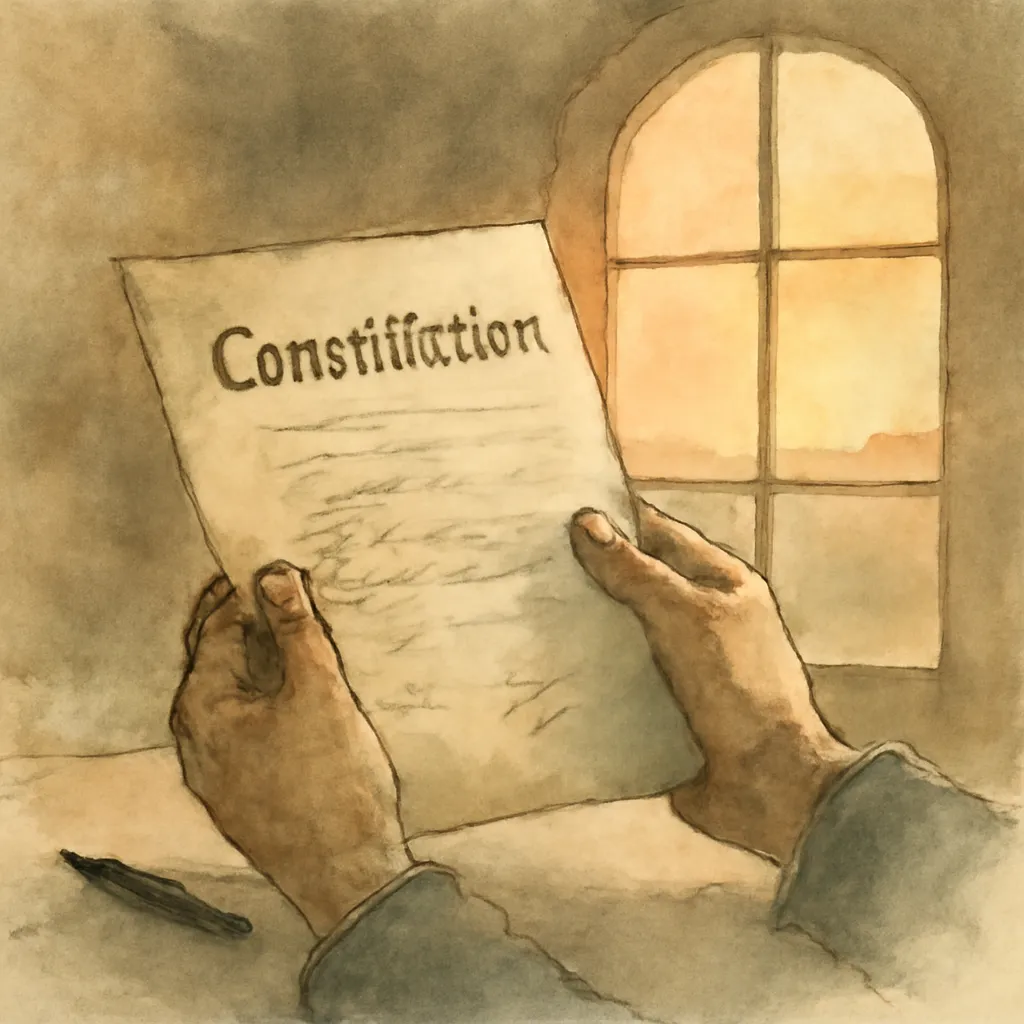
After the Federal Convention concluded, the proposed Constitution faced a contentious path to ratification. Fiske chronicles the fervent debates that ensued across the states, highlighting the emergence of the first political factions: the Federalists and Anti-Federalists. The ratification process was marked by intense public discourse, as pamphlets and newspapers became battlegrounds for competing visions of the nation's future. Key states like Pennsylvania and Massachusetts played crucial roles in the ratification debates, with figures like Samuel Adams voicing concerns over the potential for federal overreach. Ultimately, the Constitution was ratified amid promises for a Bill of Rights, which addressed the fears of those wary of a strong central government. Fiske underscores the significance of this moment, as the ratification of the Constitution marked the culmination of years of struggle and negotiation, establishing a framework for governance that would endure for centuries.
8.The Role of Leadership: Washington and the Founding Generation
Fiske highlights the indispensable role of leaders like George Washington and James Madison in navigating the tumultuous waters of post-war America. Washington's willingness to step back from military command and his subsequent support for the Constitution provided a stabilizing force for the nation. His leadership during the Constitutional Convention helped to quell fears and promote a sense of unity among the delegates. Madison, often referred to as the 'Father of the Constitution,' played a crucial role in shaping the document and articulating the principles of republican governance. Fiske illustrates how these leaders, alongside others, were instrumental in fostering a sense of collective responsibility and commitment to the new nation. Their vision and perseverance were vital in overcoming the challenges of the time, ultimately leading to the establishment of a functioning government.
9.Lessons from the Critical Period: The Fragility of Democracy
Fiske's examination of this critical period serves as a poignant reminder of the fragility of democratic institutions. The challenges faced by the early United States—economic distress, political factionalism, and social unrest—underscore the importance of unity and effective governance. Fiske argues that the lessons learned from this era are still relevant today, as contemporary democracies grapple with similar issues of division and instability. The success of the American experiment hinged on the ability of its leaders and citizens to navigate adversity and forge a collective identity. By reflecting on the struggles and triumphs of this formative period, readers are encouraged to appreciate the ongoing responsibility of safeguarding democratic principles and the necessity of compromise in achieving common goals.