1.The Setting: Wilderness as a Character
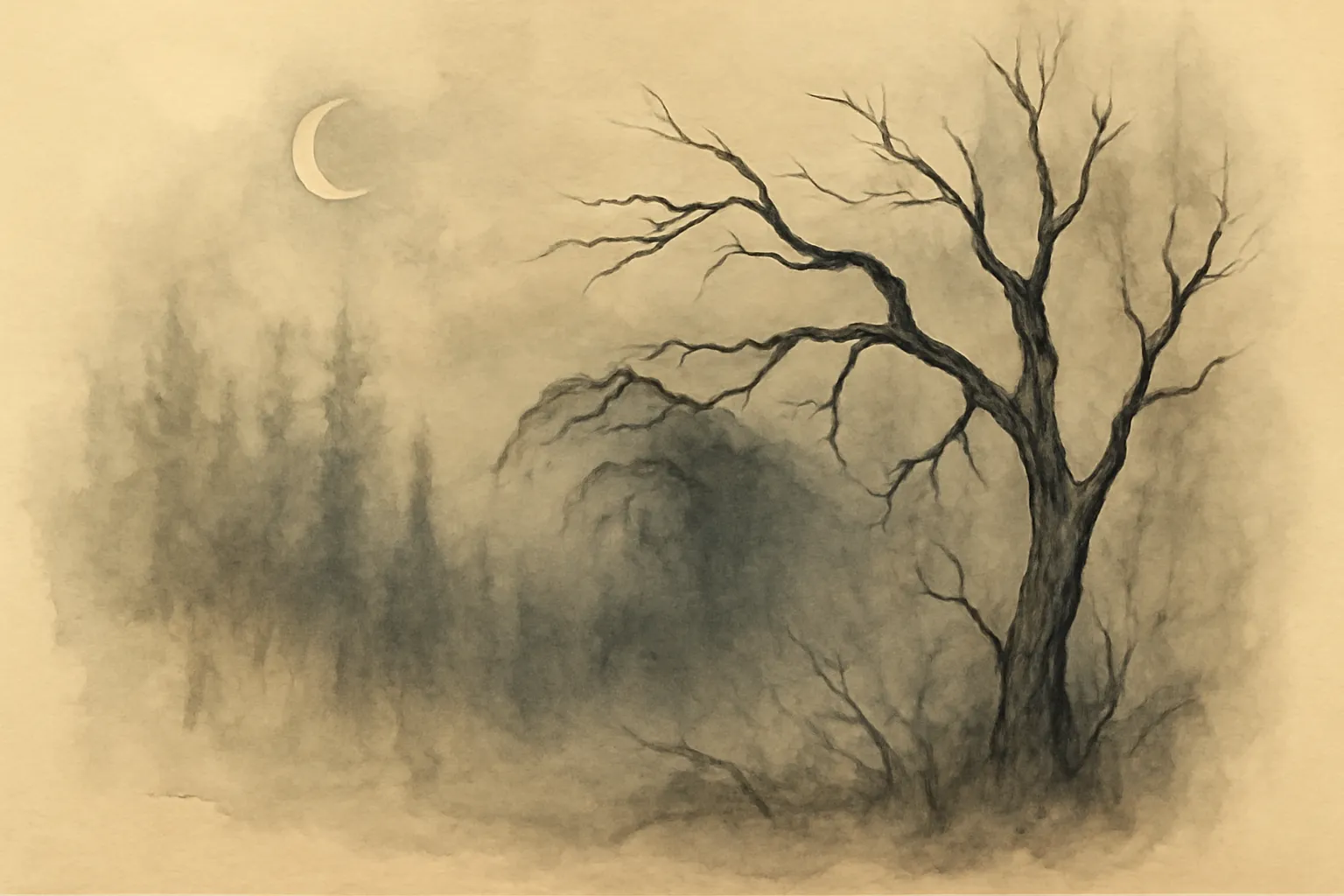
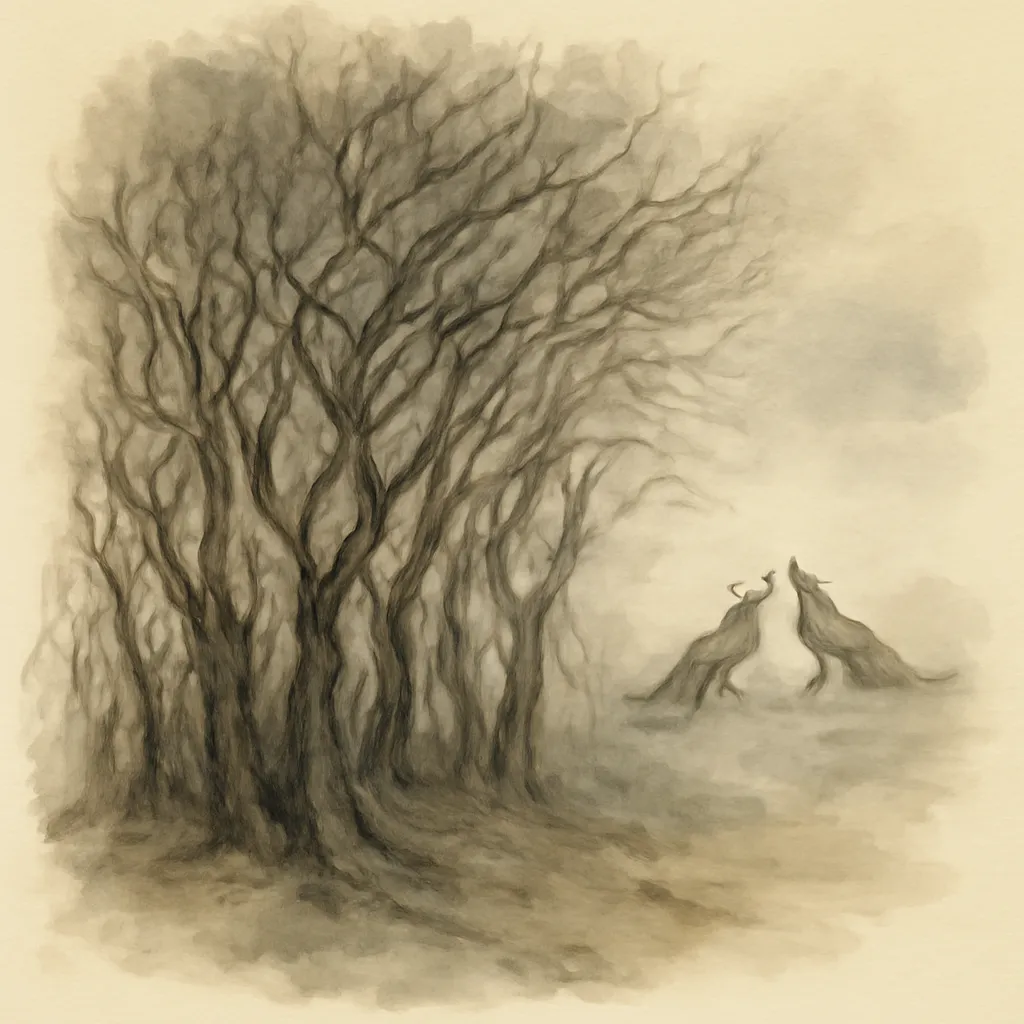
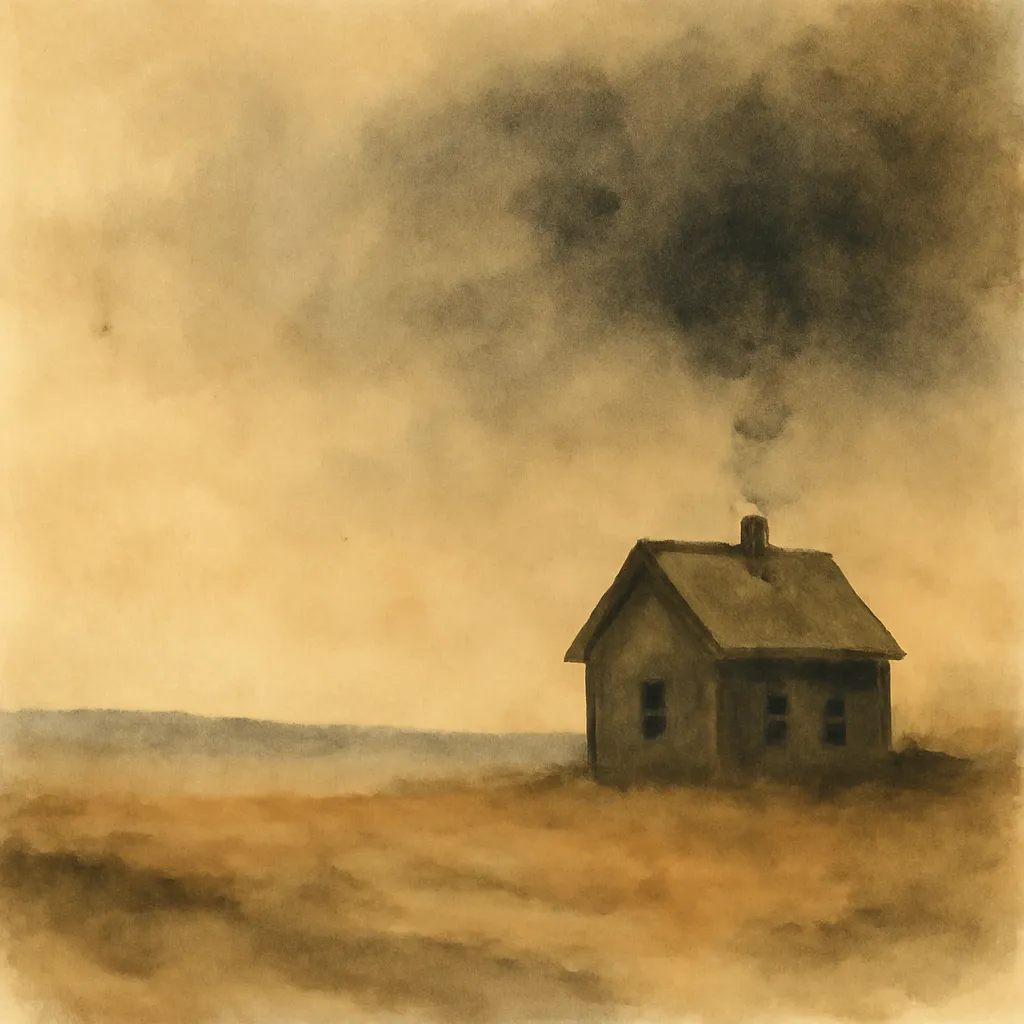
The story begins in a dimly lit room, where the atmosphere is thick with anticipation and dread. The wilderness outside serves not just as a backdrop but as an active participant in the unfolding events. The sounds of the night—coyotes howling, insects buzzing, and the rustle of leaves—create an almost sentient presence that heightens the tension. The men gathered in the cabin are rugged, defined by their hard lives in this unforgiving environment, and their stoicism contrasts sharply with the unknown terror that lurks just beyond the walls. This setting emphasizes the isolation and vulnerability of the characters, making the appearance of the 'damned thing' all the more horrifying. The wilderness becomes a symbol of the primal fears that humans carry within, reminding readers of their own fragility in the face of nature's mysteries.
2.The Nature of Fear: A Psychological Exploration
Fear is a central theme in 'The Damned Thing,' manifesting in various forms among the characters. The initial reaction to the mysterious sounds in the bushes showcases a primal instinct to confront or flee from danger. Morgan's unusual excitement and subsequent pallor when he senses the presence of the 'damned thing' highlight how fear can overwhelm even the most composed individuals. This psychological exploration extends to the narrator's own experience, where the inexplicable phenomenon elicits a strange mix of curiosity and dread. The story captures the essence of how fear operates at a subconscious level, often leading to irrational conclusions, as seen in Morgan's increasing paranoia and the eventual descent into madness. The narrative compels readers to reflect on their own fears and the ways these emotions can distort perception and reality.
3.The Role of the Coroner's Inquest
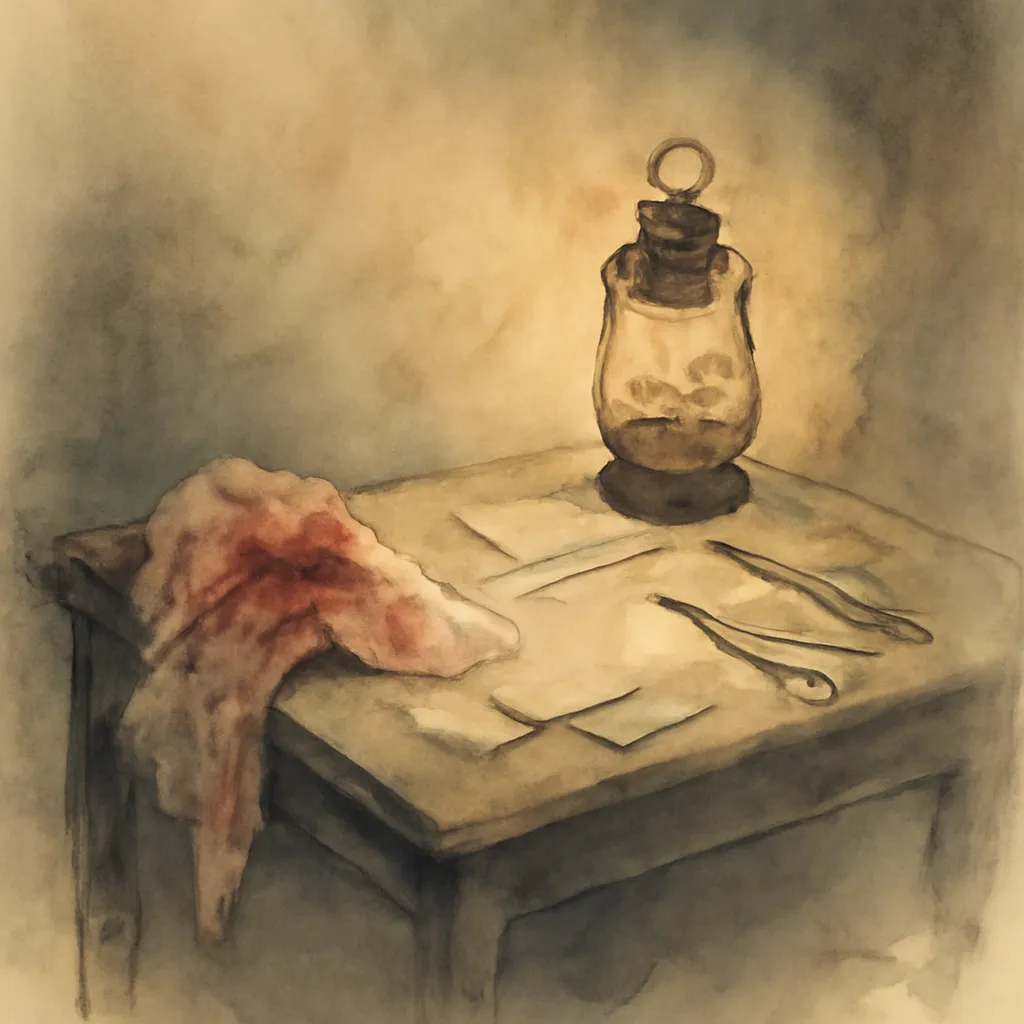
The coroner's inquest serves as a crucial turning point in the narrative, shifting the focus from the supernatural to the investigation of a brutal death. As the coroner examines the body of Hugh Morgan, the gruesome details of the injuries highlight the violence of the unknown force. The description of Morgan's body—lacerated and bruised—evokes a visceral reaction, drawing attention to the physical manifestation of fear and violence that the characters have been grappling with. The jurors' indifference to the horror they witness speaks volumes about their desensitization to violence in their rugged lives. The inquest also serves to question the reliability of perception; Harker's testimony about the 'damned thing' is met with skepticism, underscoring how society often dismisses those who encounter the inexplicable. This moment invites readers to consider the limits of understanding and the challenges of conveying experiences that defy rational explanation.
4.The Diary: A Window into Madness
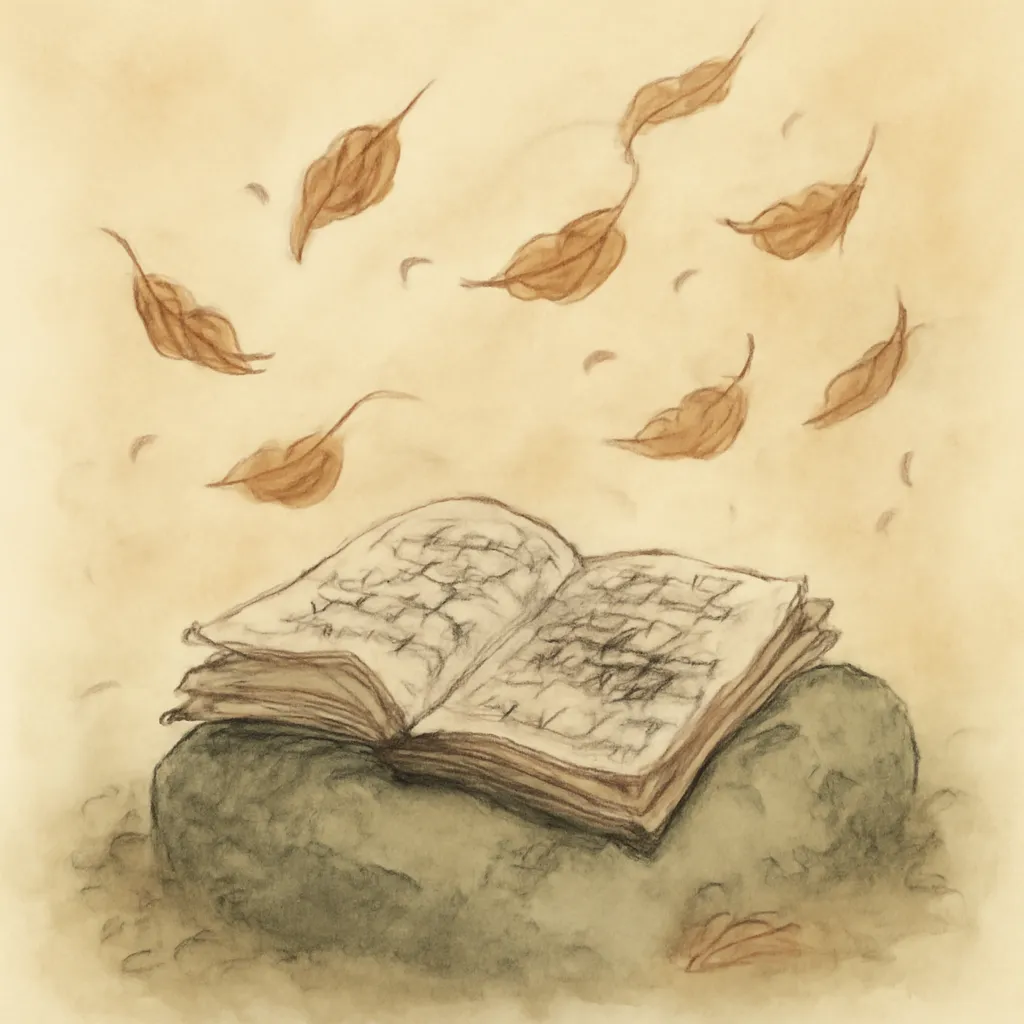
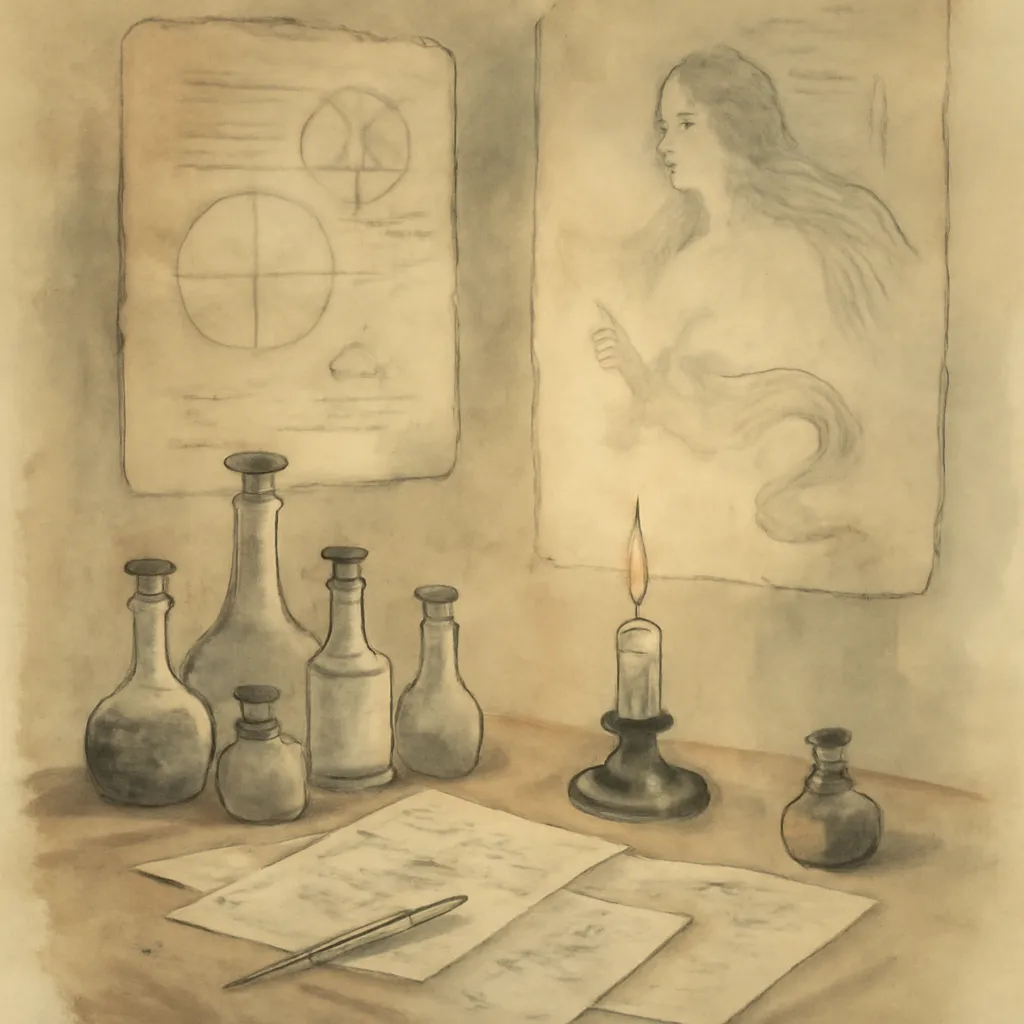
Hugh Morgan's diary provides a haunting glimpse into his deteriorating mental state as he grapples with the presence of the 'damned thing.' The entries reveal a man torn between reality and hallucination, reflecting the struggle to maintain sanity in the face of the unknown. As Morgan documents his observations of strange phenomena—like disappearing stars and the unsettling behavior of his dog—readers witness his descent into paranoia. His questions about the nature of perception, such as whether a dog can see with its nose, hint at the broader themes of understanding and the limitations of human senses. The diary entries serve as a powerful narrative device, illustrating how the quest for knowledge can lead to madness when confronted with forces beyond comprehension. This exploration of Morgan's psyche invites readers to ponder the fragility of sanity when faced with existential dread.
5.The Unseen: The Nature of the 'Damned Thing'
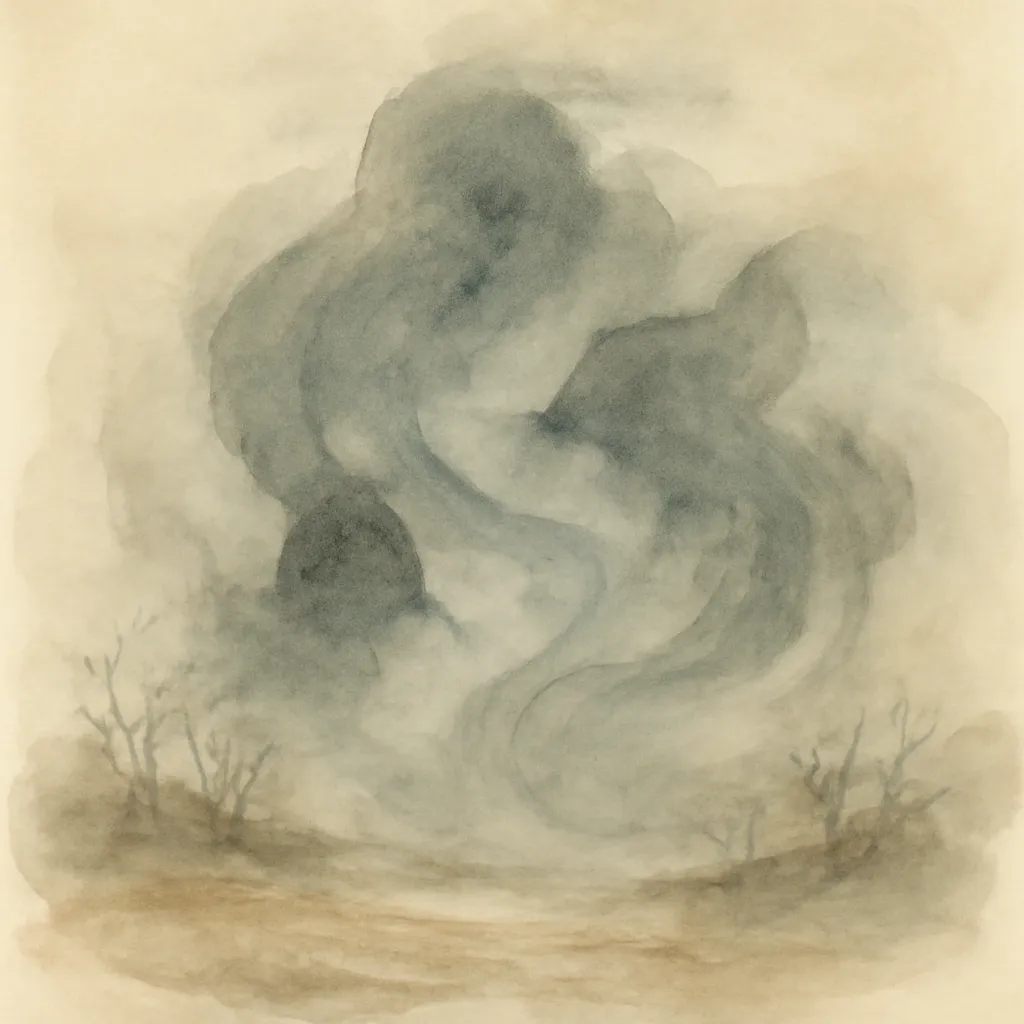
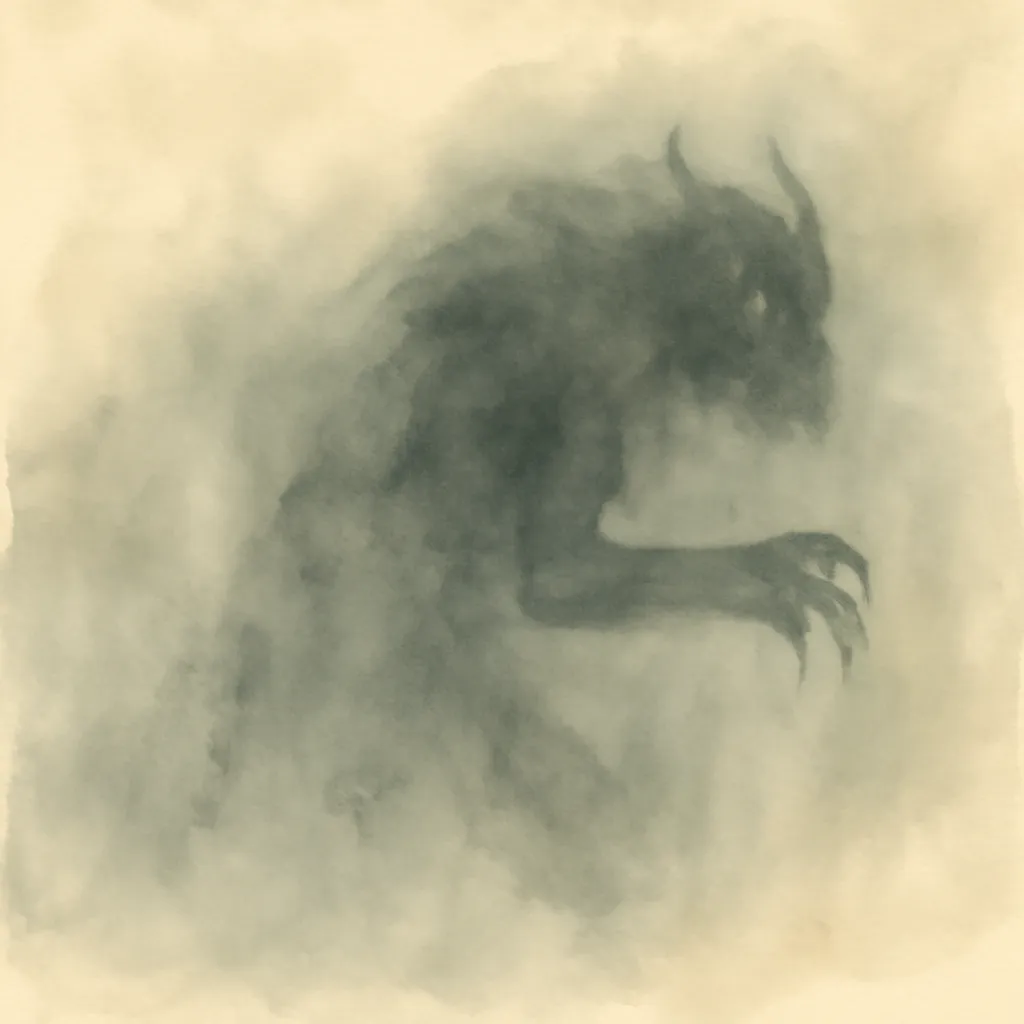
The 'damned thing' itself remains shrouded in mystery throughout the narrative, embodying the ultimate fear of the unknown. Morgan's encounters with this entity are characterized by a profound sense of dread, as he attempts to articulate a presence that defies description. The fact that it cannot be seen, only sensed, amplifies the terror, as it plays on the characters' imaginations and fears. This ambiguity allows for a rich exploration of what it means to confront the unknown; the 'damned thing' symbolizes the fears that lie within each individual, representing the darker aspects of human consciousness. The inability to perceive it fully serves as a metaphor for the limits of human understanding, suggesting that some truths may remain forever beyond our grasp. This theme resonates deeply, prompting readers to confront their own fears and the mysteries that life presents.
6.The Impact of Isolation on Perception
Isolation is a recurring motif in 'The Damned Thing,' affecting how characters perceive their environment and the events unfolding around them. The remote wilderness setting contributes to a sense of disconnection from the outside world, intensifying the psychological strain on the characters. As Morgan becomes increasingly isolated in his experiences, his perception of reality begins to warp, leading to his eventual madness. This theme underscores the idea that solitude can distort one’s understanding, allowing fear and paranoia to flourish unchecked. The men in the cabin, while physically together, are emotionally and psychologically isolated in their inability to comprehend the terror they face. This exploration of isolation invites readers to consider how environment and social context influence perception and mental health.
7.The Skepticism of Rationality
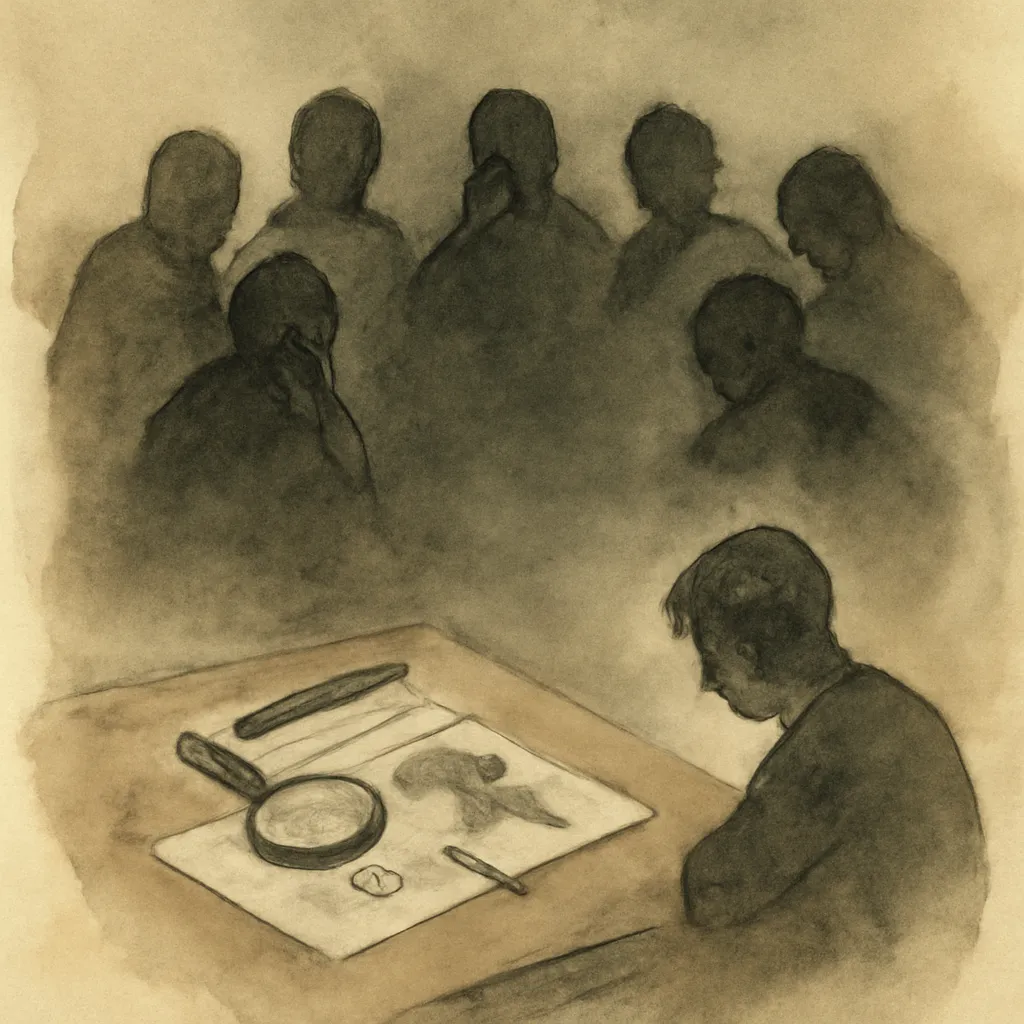
The skepticism exhibited by the jurors and the coroner towards Harker's testimony reflects a broader commentary on the limitations of rationality in the face of the inexplicable. Harker's account of the 'damned thing' is met with ridicule, illustrating how society often dismisses experiences that challenge conventional understanding. This skepticism serves to highlight the tension between reason and belief, as characters grapple with the reality of a force that defies explanation. The story suggests that rationality can be a double-edged sword; while it provides a framework for understanding the world, it can also blind individuals to deeper truths. As Harker struggles to convey his experience, readers are prompted to question the reliability of perception and the value of belief in the unseen. This theme resonates with contemporary discussions about the nature of truth and the challenges of communicating experiences that lie outside the realm of rational thought.
8.The Symbolism of the 'Damned Thing'
The 'damned thing' serves as a potent symbol throughout the narrative, representing the fears and anxieties that plague humanity. Its elusive nature embodies the primal terror of the unknown, reflecting the innate human struggle to confront what cannot be understood. This symbolism extends beyond the literal interpretation of a monstrous entity; it encompasses the existential fears that arise from isolation, madness, and the limits of perception. The 'damned thing' challenges characters to confront their deepest fears, forcing them to reckon with the possibility of their own madness. This exploration of symbolism invites readers to reflect on their own experiences with fear and the unknown, prompting a deeper understanding of the human condition. The story ultimately suggests that confronting these fears is an essential part of the human experience, even when the outcome is uncertain.
9.The Intersection of Science and the Supernatural
Bierce's narrative navigates the complex relationship between science and the supernatural, particularly through Morgan's diary entries. As Morgan attempts to rationalize his experiences with scientific inquiry, he grapples with the limitations of empirical understanding. His observations about the stars and the peculiar behavior of his dog highlight the tension between rational thought and the inexplicable phenomena he encounters. This intersection invites readers to consider the boundaries of science and the mysteries that lie beyond its reach. The narrative suggests that while science offers valuable insights, it cannot fully explain the breadth of human experience, especially when confronted with forces that defy logic. This theme resonates with contemporary discussions about the role of science in understanding the world, emphasizing the necessity of embracing both rationality and the mysteries of existence.
10.The Legacy of 'The Damned Thing'
'The Damned Thing' stands as a significant work in the realm of horror literature, influencing subsequent writers and shaping the genre's exploration of the unknown. Its themes of fear, isolation, and the limits of perception continue to resonate with readers today, reflecting the enduring human fascination with the inexplicable. The story's ability to evoke a sense of dread through atmosphere and psychological tension sets it apart as a classic of horror fiction. Bierce's blend of philosophical inquiry and supernatural elements invites readers to engage with the text on multiple levels, prompting reflection on their own beliefs and fears. As a narrative that challenges the boundaries of understanding, 'The Damned Thing' remains a compelling exploration of the human psyche and the mysteries that lie beyond the veil of perception.