1.Obsession and Self-Destruction
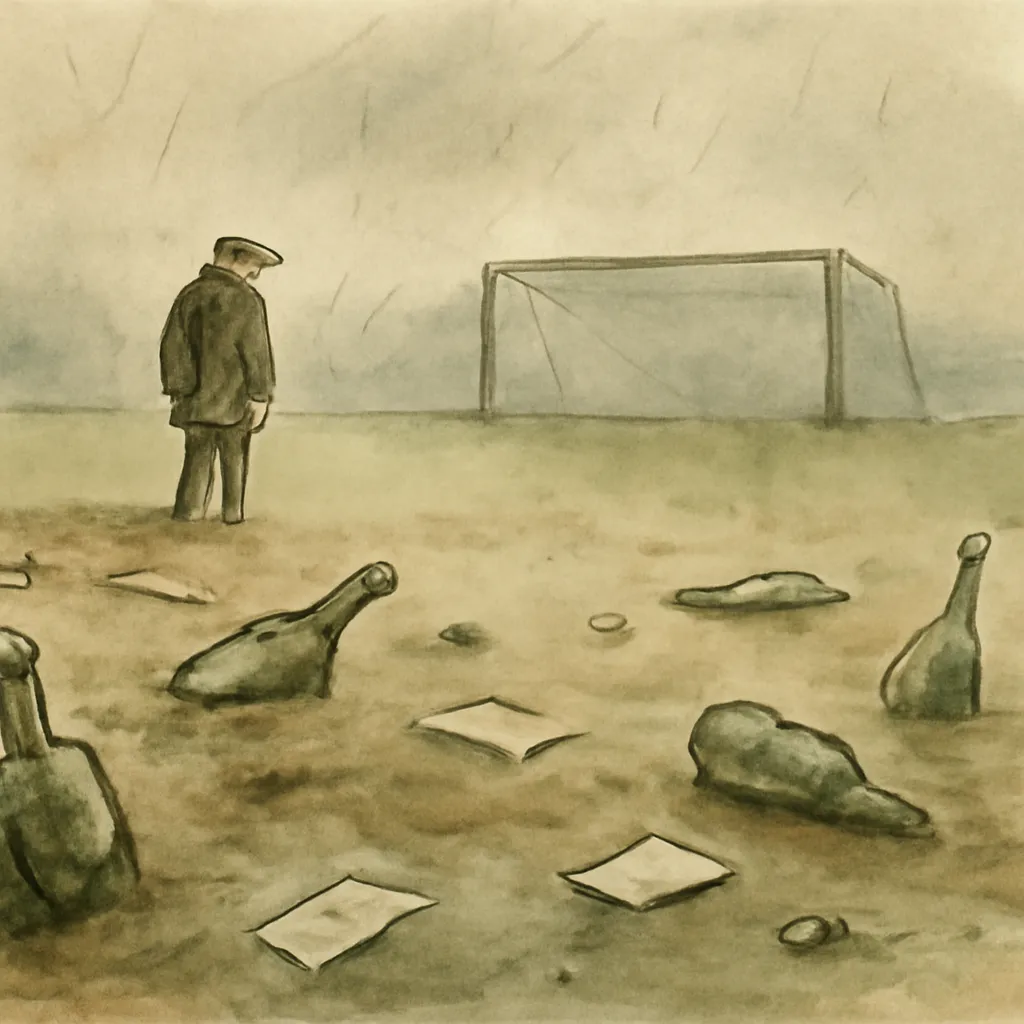
David Peace’s portrayal of Brian Clough is a study in obsession. Clough’s relentless pursuit of success, fueled by past slights and personal demons, drives much of the novel’s tension. The book explores how ambition can curdle into self-sabotage, as Clough’s need to prove himself to his rivals—and to himself—leads him down a path of paranoia, alienation, and ultimately failure. Peace’s stream-of-consciousness style immerses the reader in Clough’s fevered mind, capturing the claustrophobia and intensity of a man at war with the world and himself.
2.Leadership and Authority
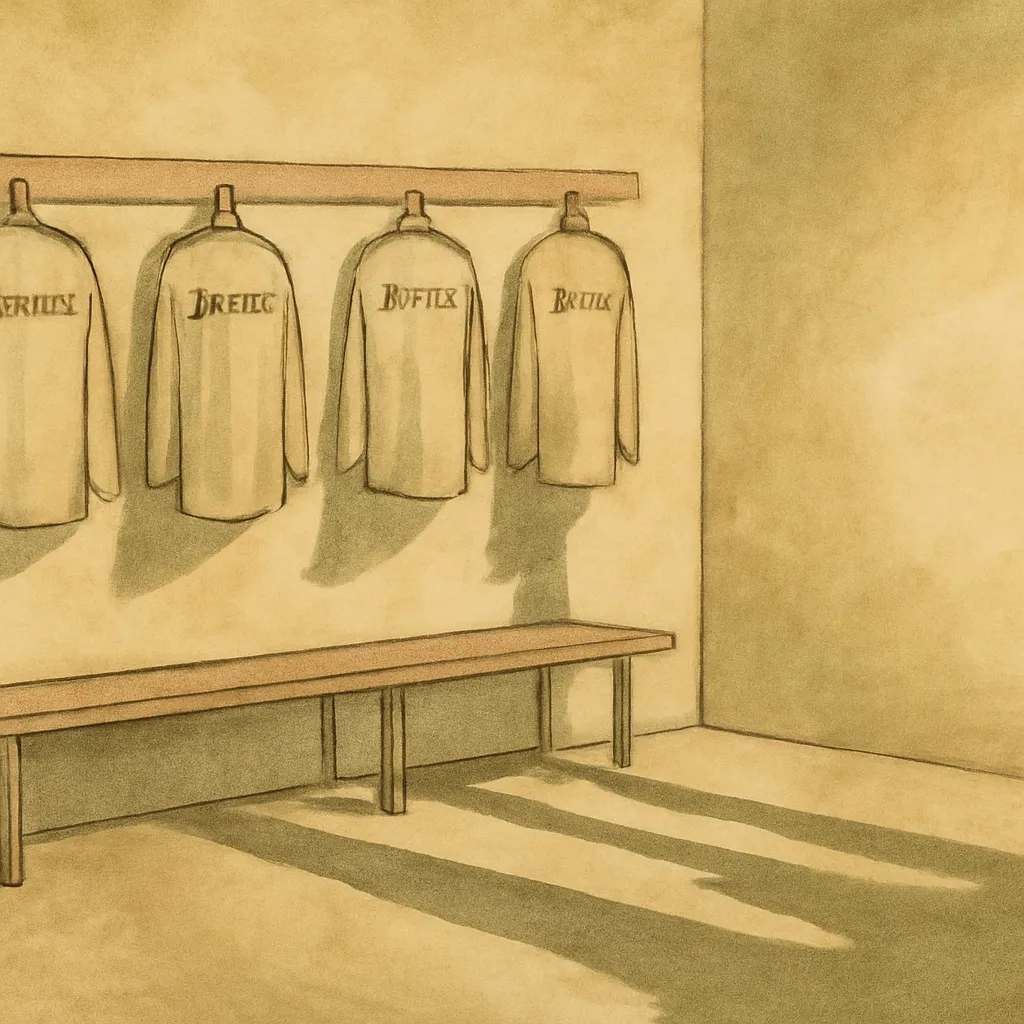
The Damned Utd interrogates what it means to lead, especially in hostile territory. Clough inherits a squad loyal to his predecessor, Don Revie, and his attempts to assert authority are met with resistance and resentment. The novel questions the nature of leadership: Is it about charisma, results, or the ability to inspire loyalty? Peace shows how Clough’s confrontational style, effective elsewhere, becomes toxic at Leeds, highlighting the fragility of authority when it isn’t underpinned by trust.
3.The Dark Side of Football
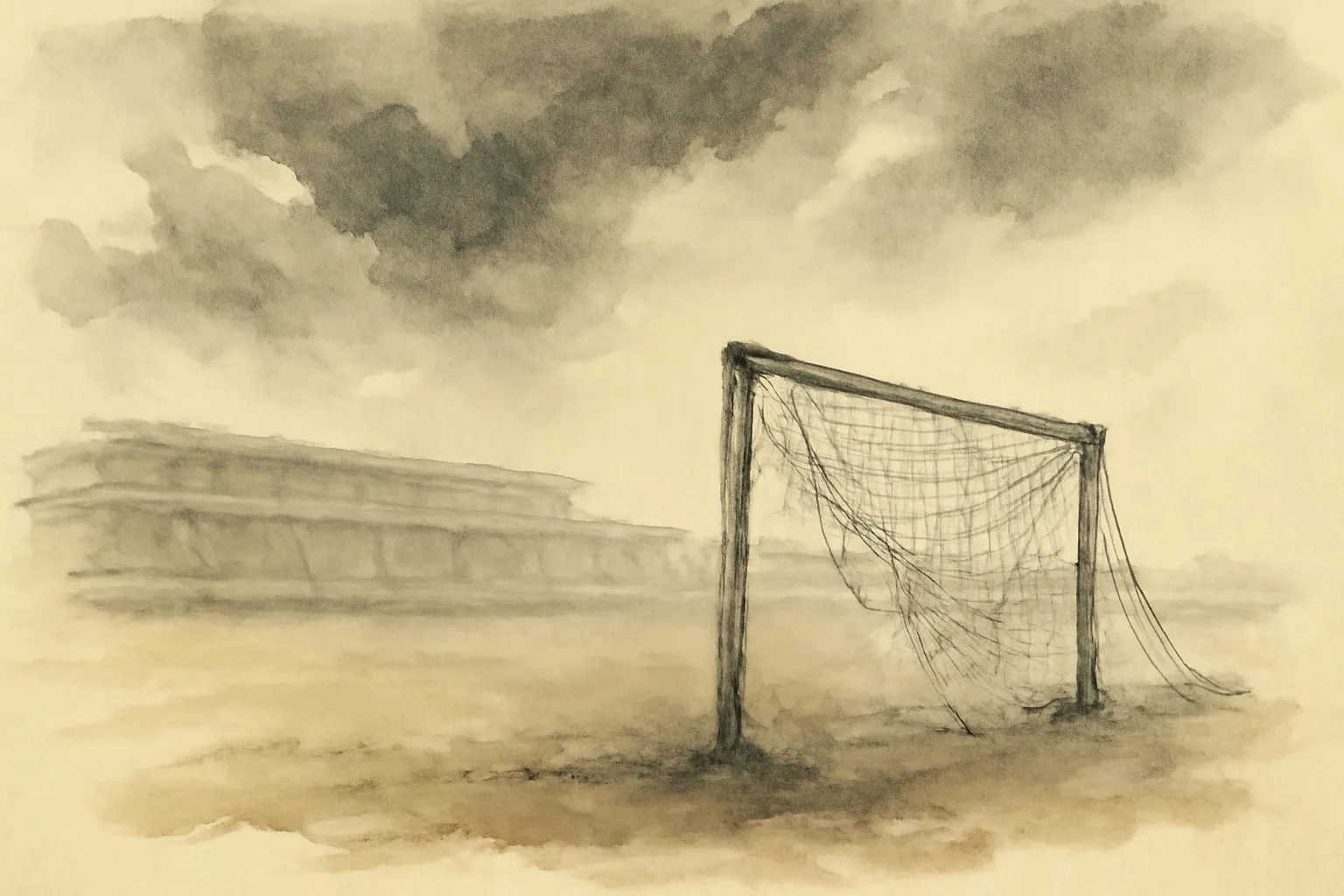
Set in the grimy, hard-edged world of 1970s English football, the novel strips away any romanticism about the beautiful game. Peace exposes the violence, tribalism, and corruption lurking beneath the surface, both on and off the pitch. The football club is a microcosm of broader societal tensions—class, region, and identity all play out in the dressing room and boardroom. The relentless pressure to win at all costs takes a psychological toll on everyone involved.
4.Memory, Regret, and the Past
Peace structures the novel through flashbacks, weaving Clough’s traumatic past—his playing career cut short, his rivalry with Revie, his triumphs and failures—into the present narrative. This fractured approach mirrors Clough’s own inability to escape his history. The Damned Utd is as much about memory and regret as it is about football, showing how the past can haunt and shape a person’s every move.
5.Masculinity and Vulnerability
The novel interrogates traditional notions of masculinity, especially in the macho world of football. Clough is outwardly brash and confrontational, but Peace reveals the vulnerability and insecurity beneath the swagger. The pressure to perform, to never show weakness, and to maintain control leads to emotional isolation. The Damned Utd suggests that the cost of this brittle masculinity is high—not just for Clough, but for those around him.
6.Style and Structure
Peace’s writing is intense, repetitive, and almost hallucinatory, mirroring Clough’s obsessive thought patterns. The novel’s structure—alternating between the doomed Leeds tenure and earlier triumphs—creates a sense of inevitability and claustrophobia. This style is divisive, but it’s key to the novel’s power, immersing the reader in Clough’s unraveling mind and the relentless grind of football management.