1.The Burden of Family Legacy
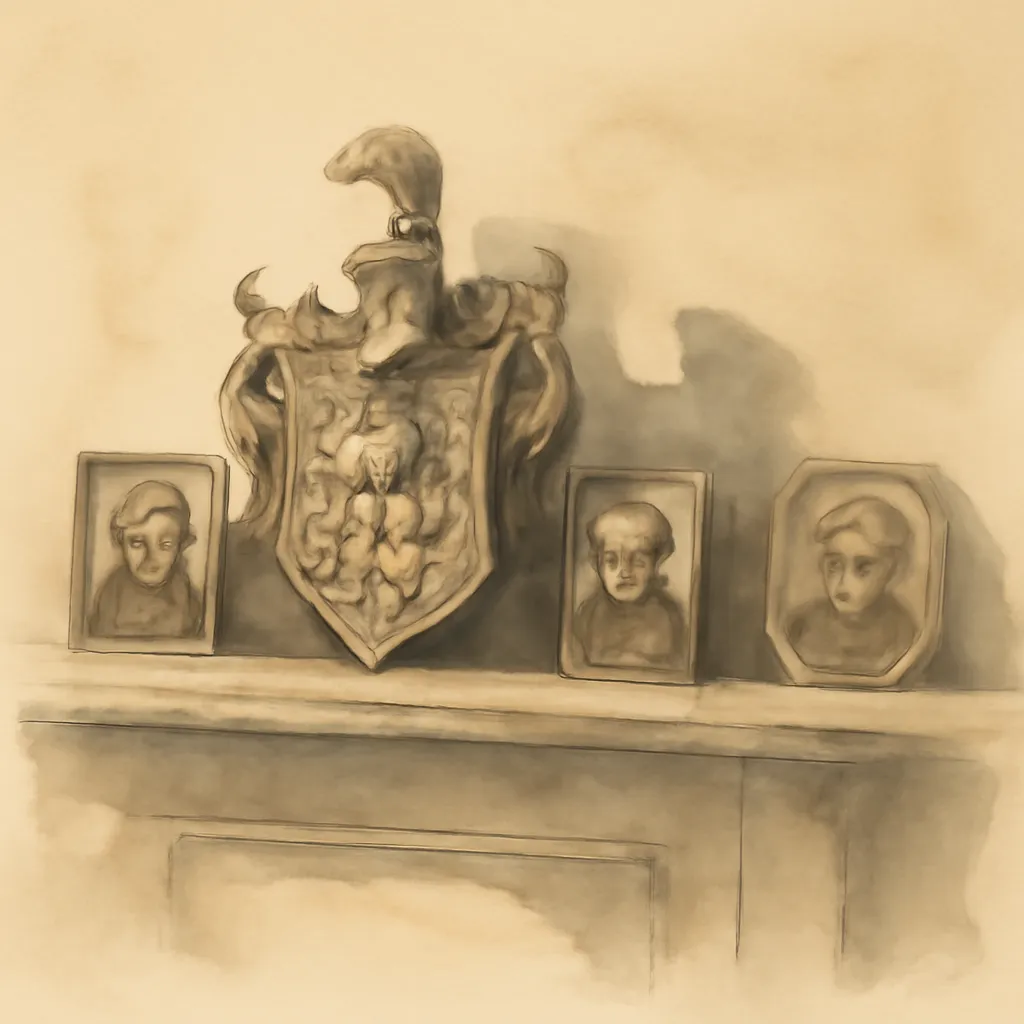
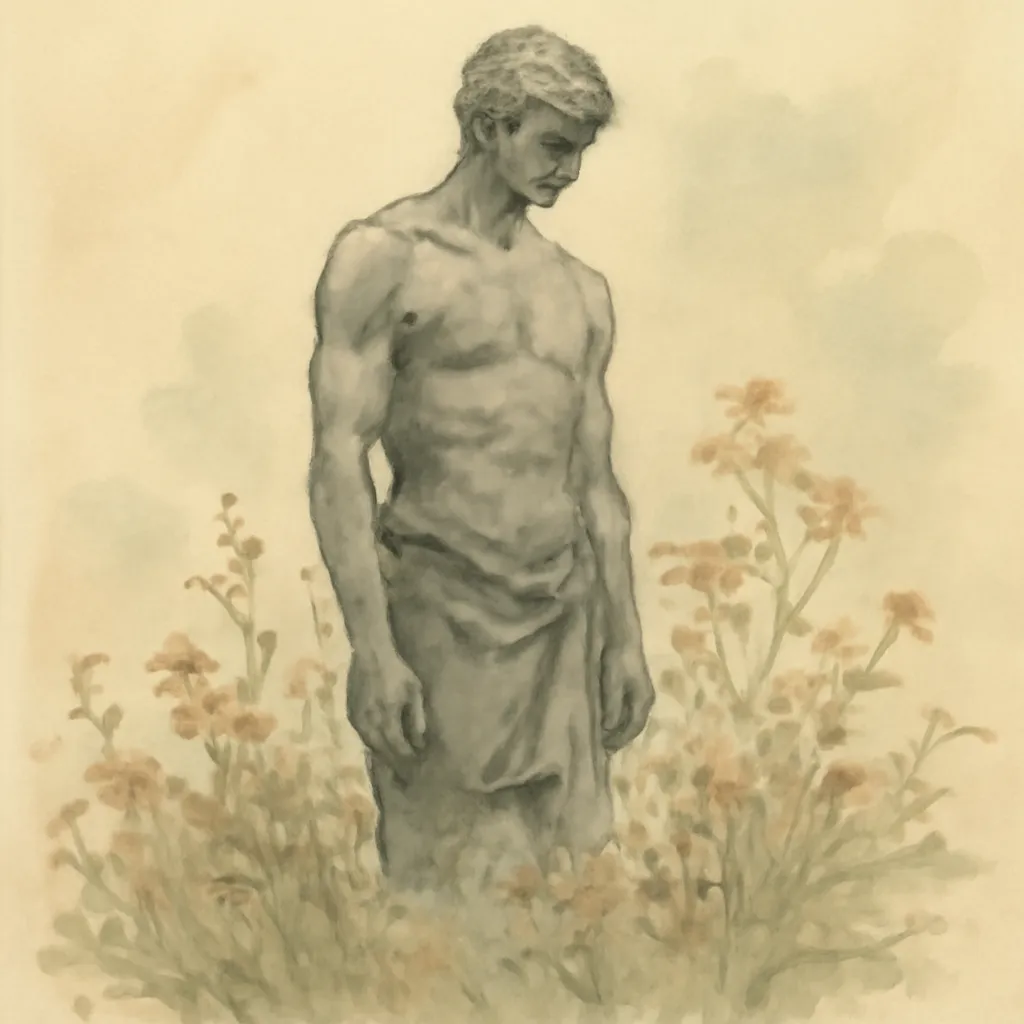
Winn Staines is introduced as a complex character shaped by the weight of his family's legacy. His father, Admiral Sir Peter Staines, embodies a harsh and unyielding patriarch, instilling in Winn a sense of duty and a desire to uphold the family name. However, this legacy is also a source of conflict, as Winn grapples with the expectations imposed upon him. The Staines family, marked by the early deaths of many children and the volatile relationship between Lady Staines and her husband, creates an environment where affection is scarce. This emotional barrenness affects Winn's ability to form genuine connections, leading him to seek validation in reckless behavior and military accolades. Bottome masterfully illustrates how the shadow of family legacy looms over Winn, influencing his choices and ultimately shaping his destiny.
2.The Illusion of Control in Relationships
Winn's relationship with Estelle Fanshawe begins with an impulsive proposal that highlights the theme of control in relationships. He is drawn to Estelle's innocence and beauty, but their connection is superficial, built on the romanticized notion of love rather than a deep understanding of each other. Estelle, while charming, embodies the societal expectations of femininity, prioritizing appearance and ceremony over emotional depth. This dynamic sets the stage for their marriage, where Winn's desire for a peaceful home life clashes with Estelle's need for social validation. Bottome poignantly captures the irony of their union: despite their initial passion, the reality of their marriage reveals a profound disconnect. This exploration of control underscores the limitations of societal roles and the challenges of genuine intimacy.
3.The Quest for Identity
As the narrative unfolds, Winn embarks on a quest for identity that takes him beyond the confines of his marriage. His mission to Tibet represents a yearning for adventure and self-discovery, a stark contrast to the domestic life he leads with Estelle. Bottome uses this mission to illustrate the tension between personal ambition and societal expectations. The expedition is fraught with danger, yet it also serves as a catalyst for Winn's growth, forcing him to confront his fears and insecurities. Through his interactions with Lionel Drummond, a young man he mentors, Winn begins to realize the importance of nurturing relationships based on trust and mutual respect. This journey ultimately leads him to question not only his role as a husband but also his understanding of masculinity and purpose.
4.The Complexity of Love
Bottome intricately weaves the theme of love throughout the narrative, portraying it as a multifaceted and often contradictory force. Winn's affection for Estelle is complicated by his recognition of her shortcomings and their emotional disconnect. Meanwhile, his burgeoning feelings for Claire, a young woman he encounters during his time in Davos, present a stark contrast to his marriage. Claire embodies the freedom and vitality that Winn yearns for, awakening in him a desire for a deeper, more authentic connection. However, this love is not without its complications, as it challenges the societal norms that dictate his behavior. Bottome's exploration of love reveals its transformative power, but also its potential to lead to conflict and heartbreak as characters navigate their desires against the backdrop of duty and expectation.
5.The Role of Women in Society
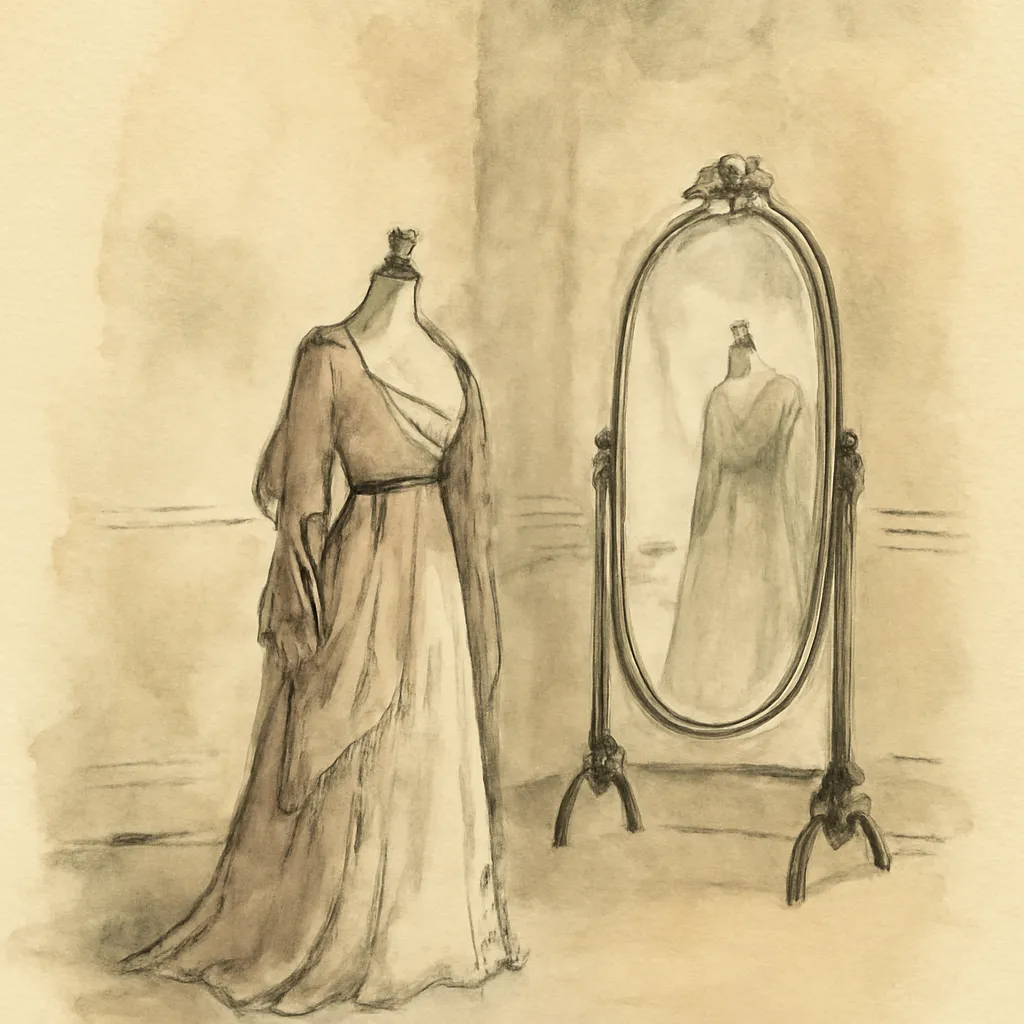
The portrayal of women in 'The Dark Tower' reflects the societal constraints and expectations of the time. Estelle Fanshawe is depicted as a product of her upbringing, embodying the ideals of femininity that prioritize appearance and social standing. Despite her charm, she lacks depth and agency, often relying on Winn for validation and direction. In contrast, Claire represents a more modern perspective, challenging traditional gender roles through her independence and vivacity. Bottome juxtaposes these two characters to highlight the limitations placed on women and the struggle for self-definition within the confines of marriage and societal norms. Claire's character development reveals the potential for women to assert their identities and desires, pushing against the boundaries that seek to define them. This exploration of gender dynamics adds a layer of complexity to the narrative, prompting readers to reflect on the evolving roles of women in society.
6.The Consequences of Choices
Winn's journey is marked by a series of choices that lead to both triumphs and regrets. His impulsive decision to marry Estelle sets the stage for a life filled with dissatisfaction, as he grapples with the consequences of his actions. Bottome emphasizes the idea that choices are not merely personal but ripple outwards, affecting those around him. The birth of Peter, Winn and Estelle's child, adds another layer of complexity to their relationship. While Winn longs for a connection with his son, he struggles to reconcile his feelings of inadequacy as a father and husband. This tension culminates in moments of introspection where Winn reflects on the implications of his choices, ultimately leading to a greater understanding of himself and his responsibilities. Bottome's examination of choice underscores the weight of personal accountability and the impact of decisions on the trajectory of one's life.
7.The Search for Meaning
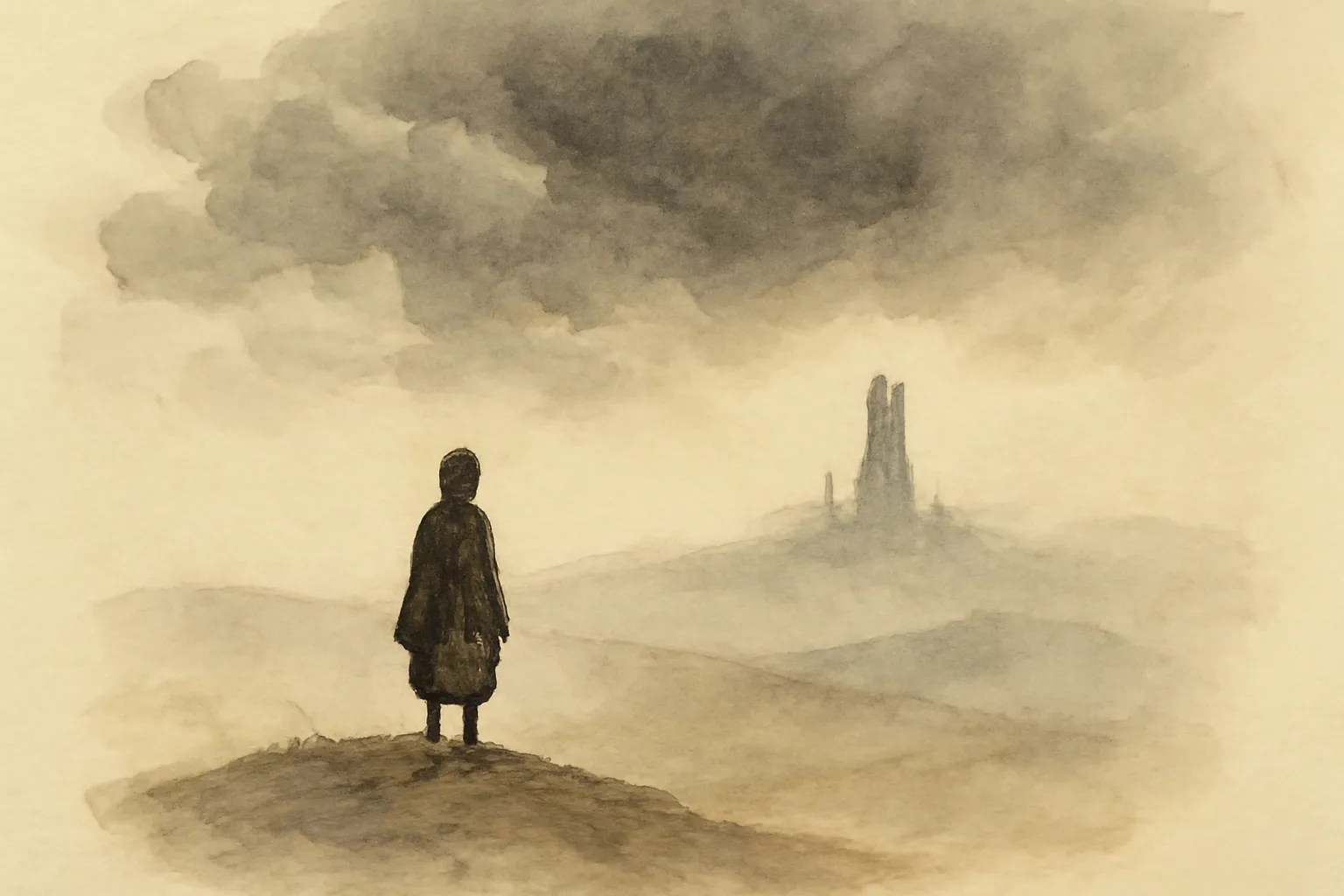
Throughout 'The Dark Tower,' characters grapple with existential questions regarding the meaning of life and their place within it. Winn's journey to Tibet serves as a metaphor for this search, as he confronts the harsh realities of existence and the fragility of life. The challenges faced during the expedition push him to reflect on his motivations and aspirations, prompting a deeper understanding of what it means to live authentically. Bottome skillfully intertwines this theme with the idea of duty, suggesting that true meaning is found not only in personal ambition but also in the connections forged with others. As Winn navigates the complexities of love, family, and ambition, he ultimately discovers that meaning is not a destination but a continuous journey shaped by experiences and relationships.
8.The Nature of Masculinity
Bottome's exploration of masculinity is central to Winn's character development. He is portrayed as a traditional male figure, shaped by societal expectations of strength and stoicism. However, as the narrative progresses, Winn's understanding of masculinity evolves, particularly in his relationships with women and his son. The juxtaposition of his interactions with Estelle and Claire highlights the limitations of conventional masculinity, as Winn grapples with vulnerability and emotional expression. Bottome challenges the notion that masculinity is synonymous with dominance and aggression, instead presenting a more nuanced view that embraces empathy and connection. This shift in Winn's character invites readers to reconsider their perceptions of masculinity and the impact it has on relationships and personal fulfillment.
9.The Impact of War
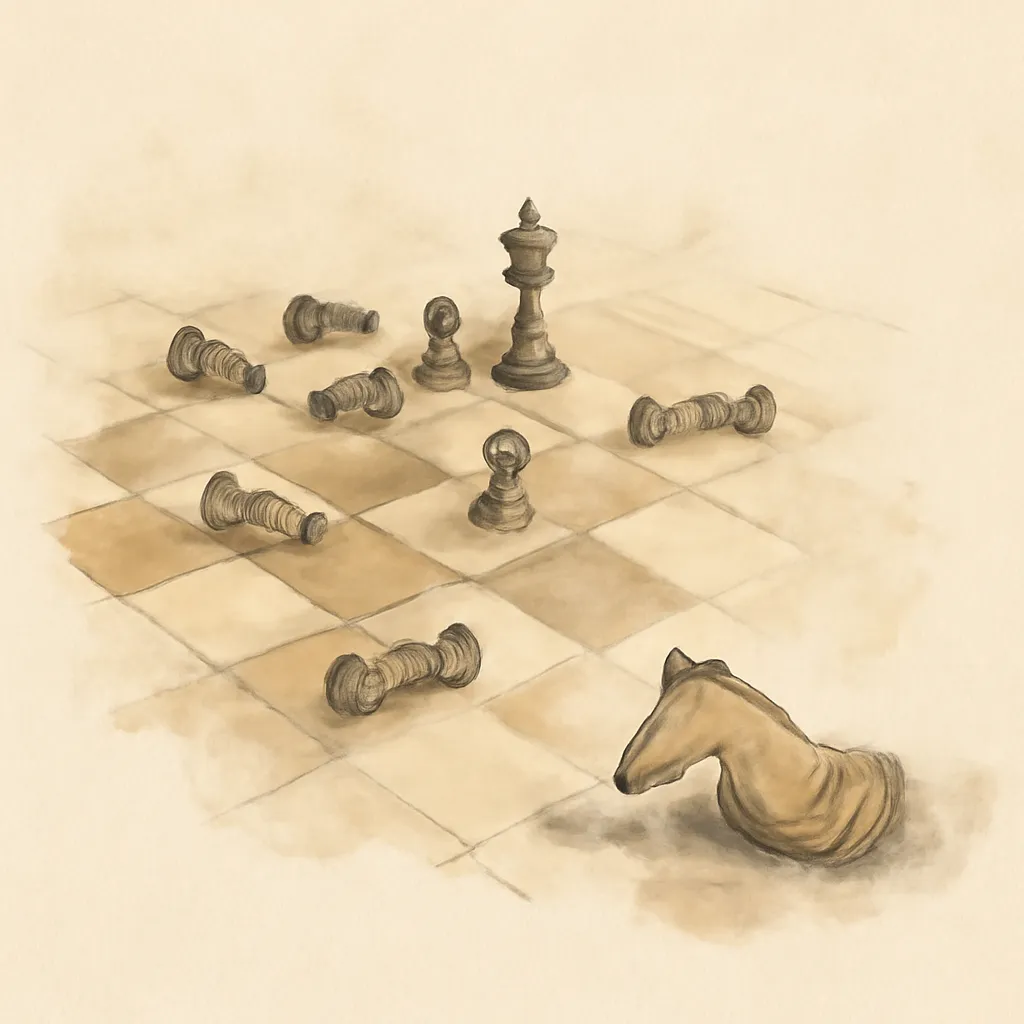
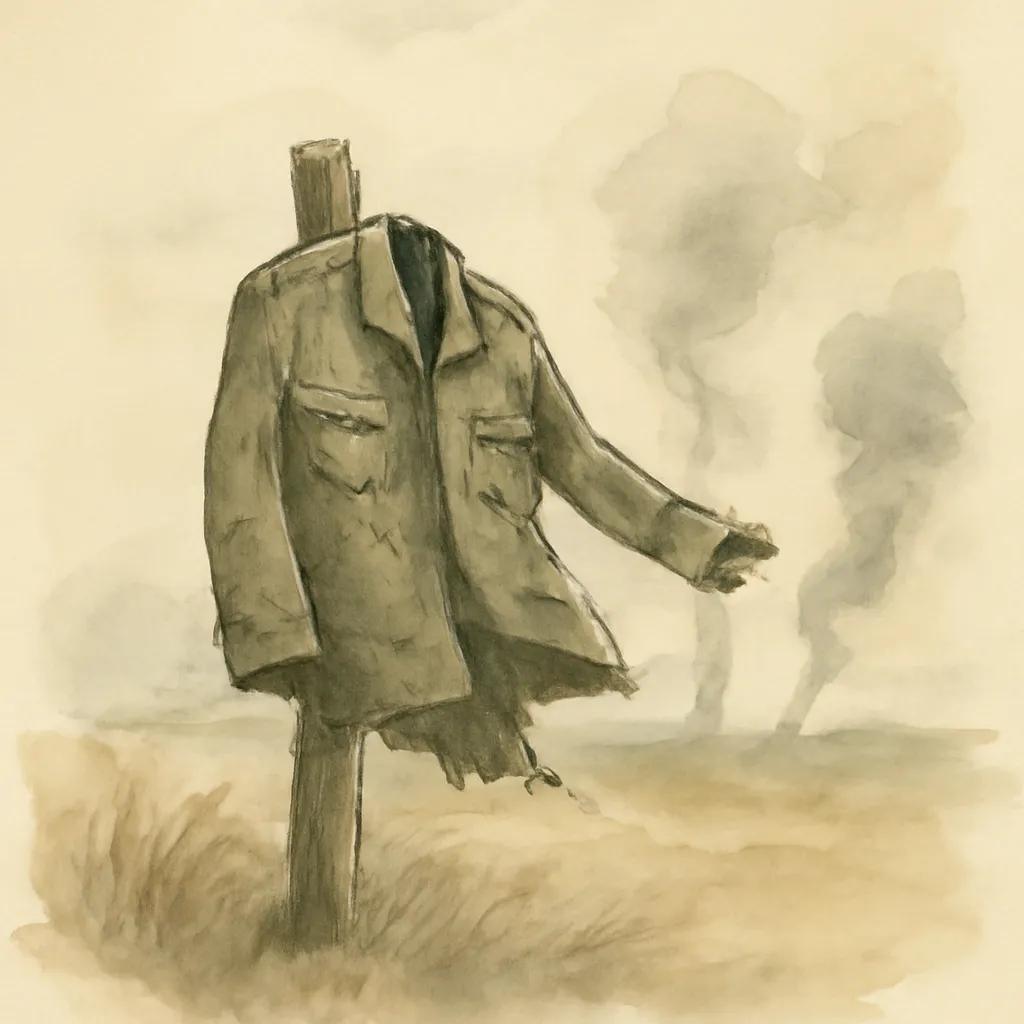
The backdrop of war looms over the characters in 'The Dark Tower,' influencing their choices and relationships. Winn's military career is both a source of pride and a point of conflict, as he grapples with the realities of duty and the consequences of violence. Bottome uses the theme of war to underscore the complexities of heroism, questioning the glorification of military service in a society that often overlooks the personal toll it takes on individuals. The impact of war is particularly evident in Winn's interactions with Lionel, as they navigate the challenges of loyalty and sacrifice. Bottome skillfully illustrates how war shapes not only the physical landscape but also the emotional terrain of those affected, prompting readers to reflect on the broader implications of conflict and its enduring legacy.
10.The Search for Redemption
As the narrative draws to a close, the theme of redemption emerges as Winn seeks to reconcile his past choices and forge a new path forward. His encounters with Claire serve as a catalyst for this transformation, prompting him to confront the emotional void left by his marriage to Estelle. Bottome explores the idea that redemption is not a single moment but a continuous process of self-discovery and growth. Winn's journey toward redemption is marked by moments of introspection, where he grapples with his desires and responsibilities. Ultimately, Bottome suggests that redemption is attainable through honest reflection and the willingness to embrace change. This theme resonates deeply, inviting readers to consider their own paths toward forgiveness and understanding in the face of life's complexities.