1.Tinkletown: A Character in Its Own Right

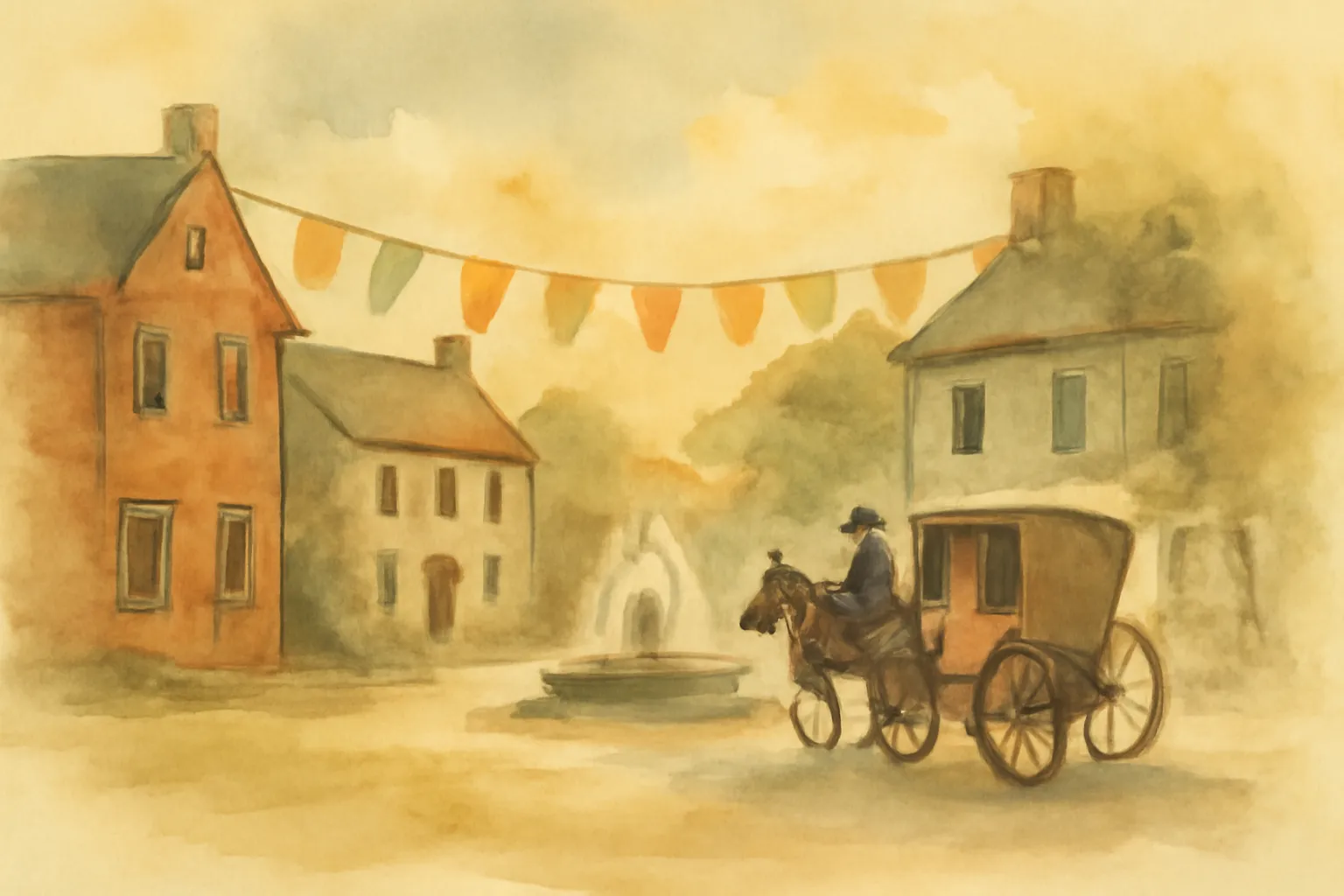
Tinkletown serves as more than just a backdrop; it is a character in its own right, rich with history and personality. The village is celebrated for its role in the American Revolution, with its residents proudly cherishing their heritage. This historical significance adds depth to the narrative, creating a sense of pride that permeates the townsfolk's everyday lives. For example, the tale of how their ancestors valiantly fought against British forces during the revolution transforms Tinkletown into a living monument. This pride is crucial as it shapes the community's dynamics and influences the characters' interactions. Anderson Crow embodies this spirit, having dedicated nearly three decades to serving the town in multiple capacities—marshal, fire chief, and street commissioner. It is within this vividly depicted setting that the story unfolds, illustrating how small-town dynamics complicate even the simplest situations, ultimately adding layers of meaning to the interactions among its residents.
2.Anderson Crow: The Reluctant Hero

Anderson Crow is a multifaceted character whose various roles within the community define his life and sense of self. His imposing presence and unwavering commitment to Tinkletown earn him the profound respect of its citizens. However, as the story progresses, Crow's self-assured nature is challenged by unforeseen circumstances. His initial encounter with a mysterious stranger selling a horse at an absurdly low price sets off a chain of events that tests his detective instincts. This narrative thread introduces a deeper exploration of Crow's character as he grapples with the implications of his authority and the responsibilities that come with it. When he unexpectedly becomes a guardian to Rosalie Gray, the child left on his doorstep, Crow's identity is further complicated. The reader witnesses his transformation from a local hero to a man wrestling with personal responsibility, illustrating the theme that true heroism often lies not in grand achievements but in embracing the unexpected challenges life throws our way.
3.The Arrival of Rosalie Gray: A Catalyst for Change

The arrival of Rosalie Gray, a child unexpectedly left on Anderson Crow's doorstep, introduces a significant turning point in the narrative. Initially perceived as a burden, Rosalie quickly evolves into a source of joy and purpose for both Anderson and his wife, Eva. This dynamic shift highlights the profound impact that unexpected events can have on our lives. The couple's decision to care for Rosalie reflects their innate kindness and willingness to embrace the unforeseen, ultimately leading to personal growth. As Rosalie develops from a mysterious infant into a charming young girl, she captures the hearts of the townsfolk, strengthening the community's bond. Her presence not only brings the Crows closer together but also challenges Anderson to confront his own fears and insecurities. The relationship that develops between Rosalie and the Crows emphasizes the novel's central theme: that family can be created through love and compassion, rather than through mere blood ties, suggesting that our connections with others can shape our identities in profound ways.
4.Mystery and Intrigue: The Detective's Journey

McCutcheon intricately weaves a rich tapestry of mystery and intrigue throughout the narrative, making Anderson Crow's detective instincts a focal point. The initial plot involving the mysterious stranger who sells Crow a horse at a suspiciously low price raises immediate red flags. As the story progresses, Crow finds himself embroiled in a series of peculiar events, including the bizarre occurrence of multiple babies being left at his doorstep. Each incident is accompanied by desperate mothers, creating a whirlwind of confusion and humor that enriches the narrative. These elements not only add layers of intrigue but also serve as a vehicle for character development, as Crow's detective work forces him to confront his own perceptions of morality, family, and duty. The interplay between Crow's bumbling attempts to solve the mystery and the eccentricities of Tinkletown creates a captivating rhythm, ensuring that readers remain engaged and entertained while exploring deeper themes of identity and belonging.
5.The Transformative Power of Love

At its core, 'The Daughter of Anderson Crow' is a poignant exploration of love in its various forms. The evolving relationship between Anderson and Eva Crow emphasizes the importance of partnership and mutual support in facing life's challenges. As they navigate the complexities of parenthood with Rosalie, their bond deepens, showcasing how love can flourish in unexpected circumstances. Similarly, Rosalie's interactions with the young men of Tinkletown reveal the innocence and excitement of young love. The rivalry among suitors vying for her attention adds a layer of playfulness to the narrative, illustrating how love can inspire both joy and jealousy. Through these relationships, McCutcheon explores the transformative power of love, suggesting that genuine connections can lead to personal growth and fulfillment. The novel invites readers to reflect on how love shapes our identities and influences our choices, ultimately reminding us that our capacity to love is one of the most defining aspects of our humanity.
6.Community and Collective Effort
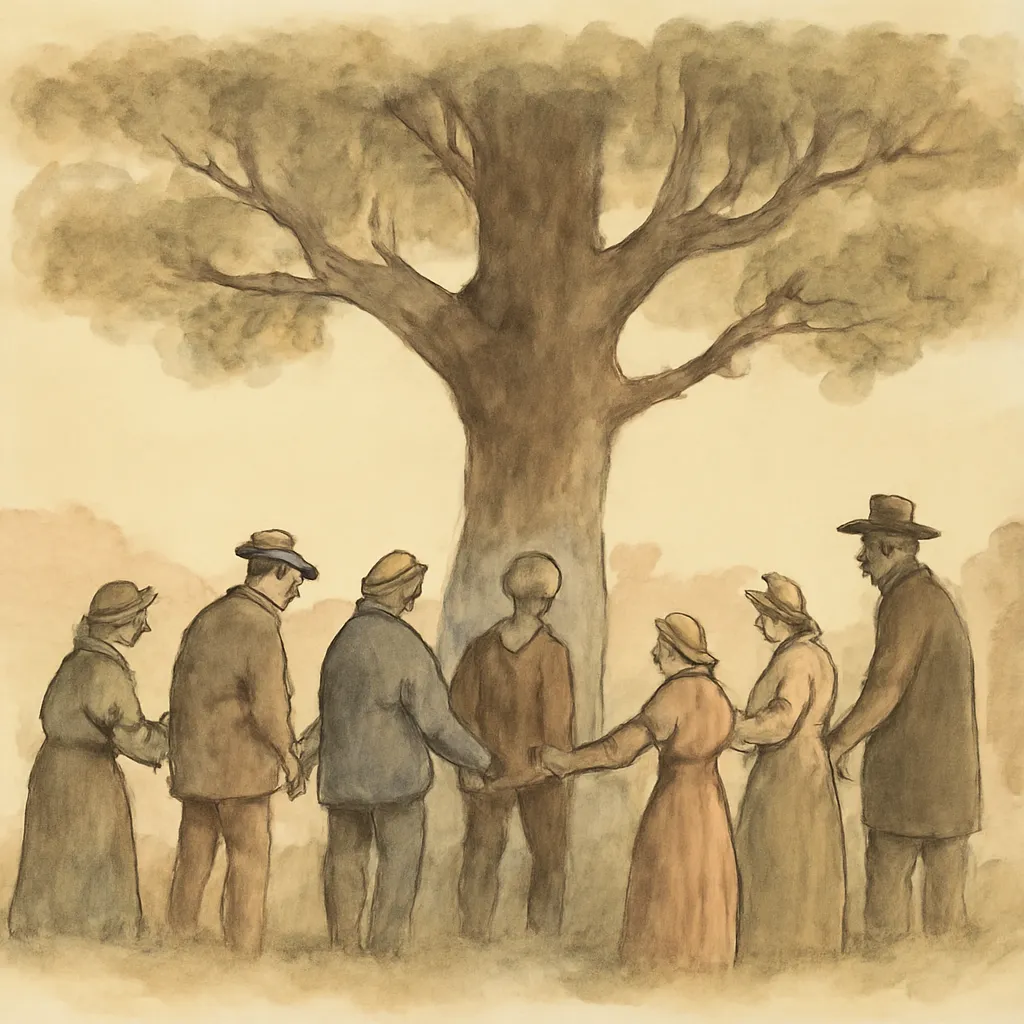
The sense of community in Tinkletown plays a vital role in shaping the narrative, highlighting the importance of collective support and camaraderie. The townsfolk rally around Anderson Crow as he grapples with the challenges of guardianship and detective work, offering their assistance in various ways. This communal spirit is particularly evident during the search for Rosalie, where the entire town comes together to support Crow's efforts. The cooperative nature of Tinkletown's residents underscores the idea that individuals thrive when they are part of a supportive community. McCutcheon illustrates how a close-knit community can provide strength and resilience in the face of adversity, demonstrating that true belonging is found in the connections we share with others. The bonds formed among the residents add depth to the story, reminding readers that collaboration and mutual respect are essential for overcoming challenges.
7.Identity and Self-Discovery
As the narrative unfolds, themes of identity and self-discovery emerge prominently, particularly through Anderson Crow's character arc. Initially defined by his roles within the community, Crow's journey forces him to confront his own desires and aspirations. The responsibility of caring for Rosalie challenges him to reevaluate his priorities and ultimately leads him to discover a deeper sense of purpose. This journey of self-discovery is mirrored in Rosalie's growth as she learns about her own identity and place within Tinkletown. The novel suggests that understanding oneself is an ongoing process shaped by experiences, relationships, and the love we give and receive. Through the experiences of both Crow and Rosalie, McCutcheon conveys that true identity is not static; rather, it is a dynamic interplay of personal growth and external influences that shape who we are.
8.The Role of Humor in the Narrative
Humor is a defining element of 'The Daughter of Anderson Crow,' providing levity amidst the chaos of small-town life. McCutcheon expertly injects comedic moments into the narrative, particularly through Anderson Crow's clumsy detective antics and the absurdity of the situations he faces. His interactions with the townsfolk—who often misinterpret his intentions—create a comedic flair that lightens the mood of more serious themes. Instances of misunderstanding and miscommunication among characters serve to highlight the quirks of human nature, reminding readers that life is often unpredictable and humorous. The humorous elements within the narrative serve as a reminder that even in the face of serious challenges, laughter can be a powerful coping mechanism. McCutcheon's ability to balance humor with deeper themes ensures that readers remain engaged and entertained while reflecting on the complexities of relationships and identity.
9.The Resolution: A Satisfying Conclusion

The climax of 'The Daughter of Anderson Crow' culminates in a thrilling resolution that ties together the various plot threads. As Anderson Crow embarks on a quest to uncover the truth behind Rosalie's past and the mysterious stranger, the stakes rise, leading to a series of unexpected revelations. The pursuit of justice becomes intertwined with Crow's personal growth, as he learns to embrace his vulnerabilities and rely on the support of those around him. This journey toward resolution not only brings closure to the mystery but also reinforces the novel's central themes of love, family, and community. McCutcheon crafts a satisfying conclusion, leaving readers with a sense of hope and fulfillment, while ultimately reminding us that every challenge can lead to new beginnings. The resolution underscores the idea that personal growth and community support are essential in overcoming obstacles, creating a narrative that resonates long after the final page.