1.A Personal Chronicle of Historical Events
Pepys' diary is not merely a record of personal thoughts; it serves as a crucial historical document that captures the essence of life during the Restoration period in England. The entries detail significant events such as the coronation of Charles II, the outbreak of the Great Plague, and the devastating Great Fire of London. For example, Pepys vividly describes the chaos in London as the plague spreads, providing a firsthand account of the fear and uncertainty that gripped the city. He notes the impact on daily life, including the shutdown of theaters and the mass exodus of people fleeing the city. His observations on the government's response and the social dynamics at play offer invaluable insights into the societal challenges of the time. By intertwining his personal life with these monumental events, Pepys creates a narrative that is both intimate and expansive, allowing readers to understand the interconnectedness of individual and collective experiences.
2.The Complexity of Human Relationships
One of the most compelling aspects of Pepys' diary is his exploration of relationships. Whether detailing his love for his wife, Elizabeth, or his infatuations with other women, Pepys reveals the intricacies of love, desire, and jealousy. His candid reflections on these emotions resonate with readers, as they reflect the universal struggles of intimacy and fidelity. For instance, Pepys' encounters with the actress Nell Gwyn illustrate the tension between public admiration and private longing. He writes about his feelings of guilt when he strays, juxtaposed with the thrill of his secret liaisons. This exploration of relationships is not limited to romantic entanglements; Pepys also discusses friendships, rivalries, and professional relationships, providing a nuanced view of human connection in a time of social upheaval. Pepys' honest and often humorous accounts invite readers to reflect on their own experiences with love and friendship, emphasizing that such emotions are timeless and transcendent.
3.A Window into Everyday Life
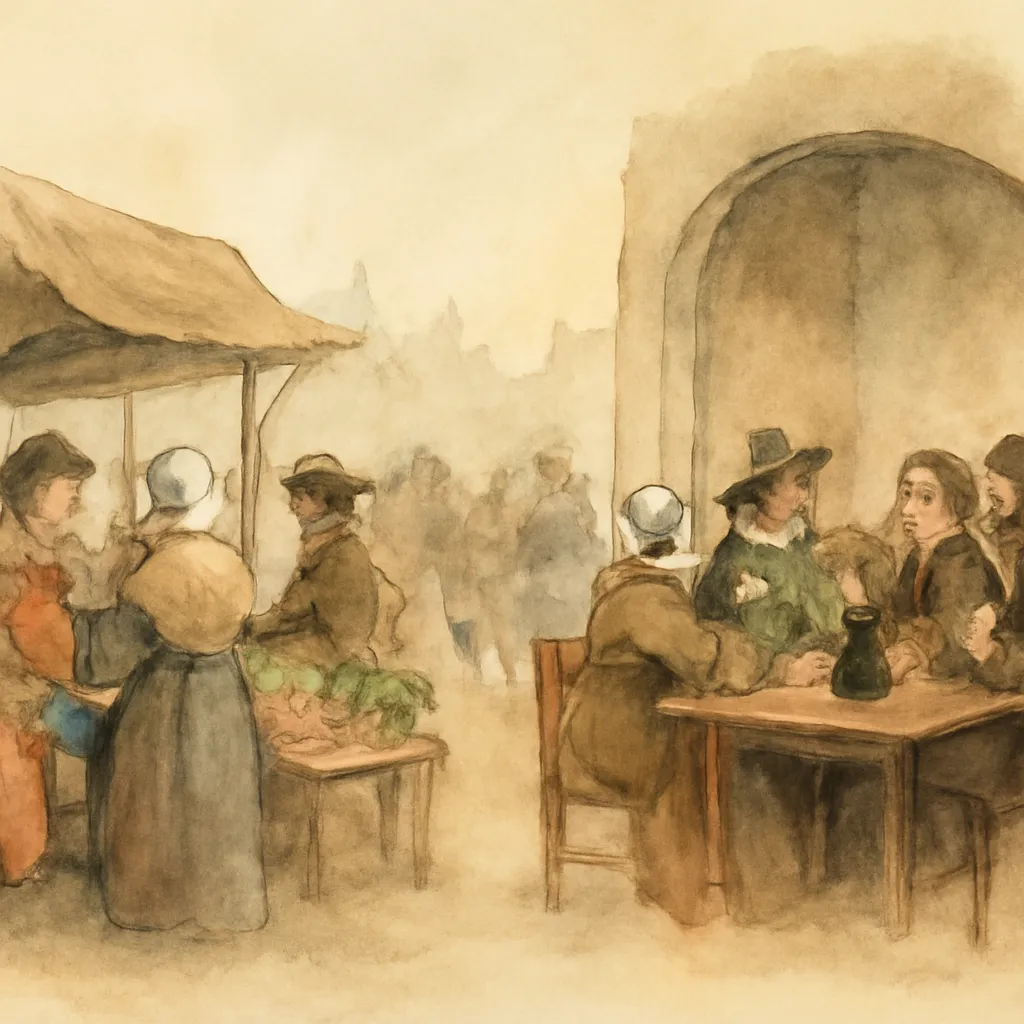
Beyond the grand historical narratives, Pepys' diary offers a detailed account of daily life in 17th century London. His descriptions of mundane activities—such as attending the theater, dining with friends, or managing his household—bring to life the texture of everyday existence. Pepys meticulously documents his meals, clothing, and even his personal grooming habits, painting a vivid picture of his lifestyle. For instance, his entries about attending the theater reveal not only his tastes in entertainment but also the cultural milieu of the time, showcasing the popularity of drama and music in Restoration England. He often comments on the quality of performances, the actors, and the social dynamics within the audience. This focus on the everyday allows readers to appreciate the richness of historical life beyond major events, highlighting the routines and rituals that shape human experience. Pepys’ attention to detail enhances our understanding of how personal lives intersect with broader societal trends.
4.Reflections on Professional Life
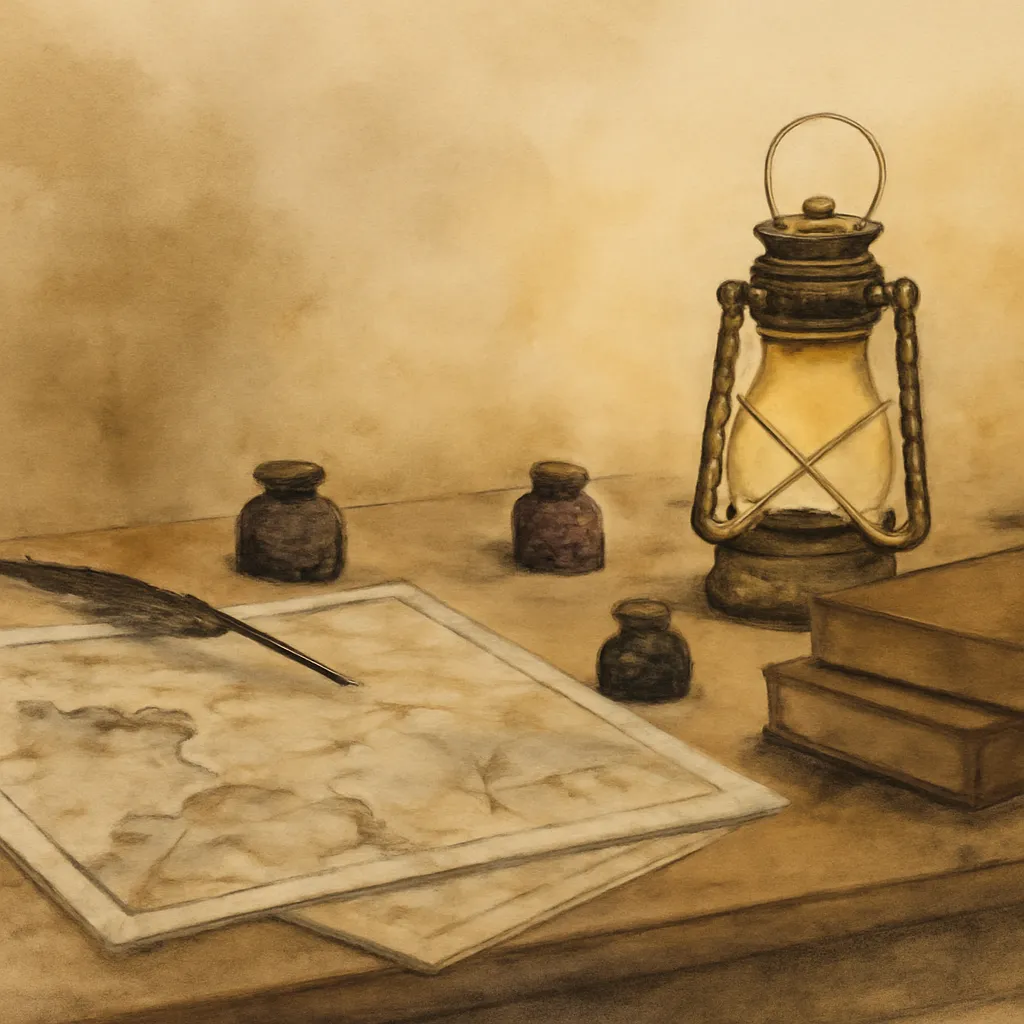
Pepys’ role as a naval administrator provides another layer of insight into the workings of government and the military during a pivotal time in English history. His detailed accounts of his work at the Navy Office reveal the complexities of naval administration, including issues of funding, shipbuilding, and international relations. For example, Pepys discusses the challenges he faces in managing ship repairs and the urgency of preparing the navy for potential conflicts, particularly with the Dutch. His entries illuminate the political maneuvering involved in securing funds for naval projects and the pressures to maintain England's maritime dominance. The diary captures his ambition and dedication to the royal service, showcasing both his contributions and the obstacles he encounters in a highly competitive environment. Pepys' candidness about the political machinations and personal rivalries within the Navy Office offers a fascinating glimpse into the interplay between personal ambition and public service, reflecting the often tumultuous nature of governmental operations.
5.The Impact of Catastrophe
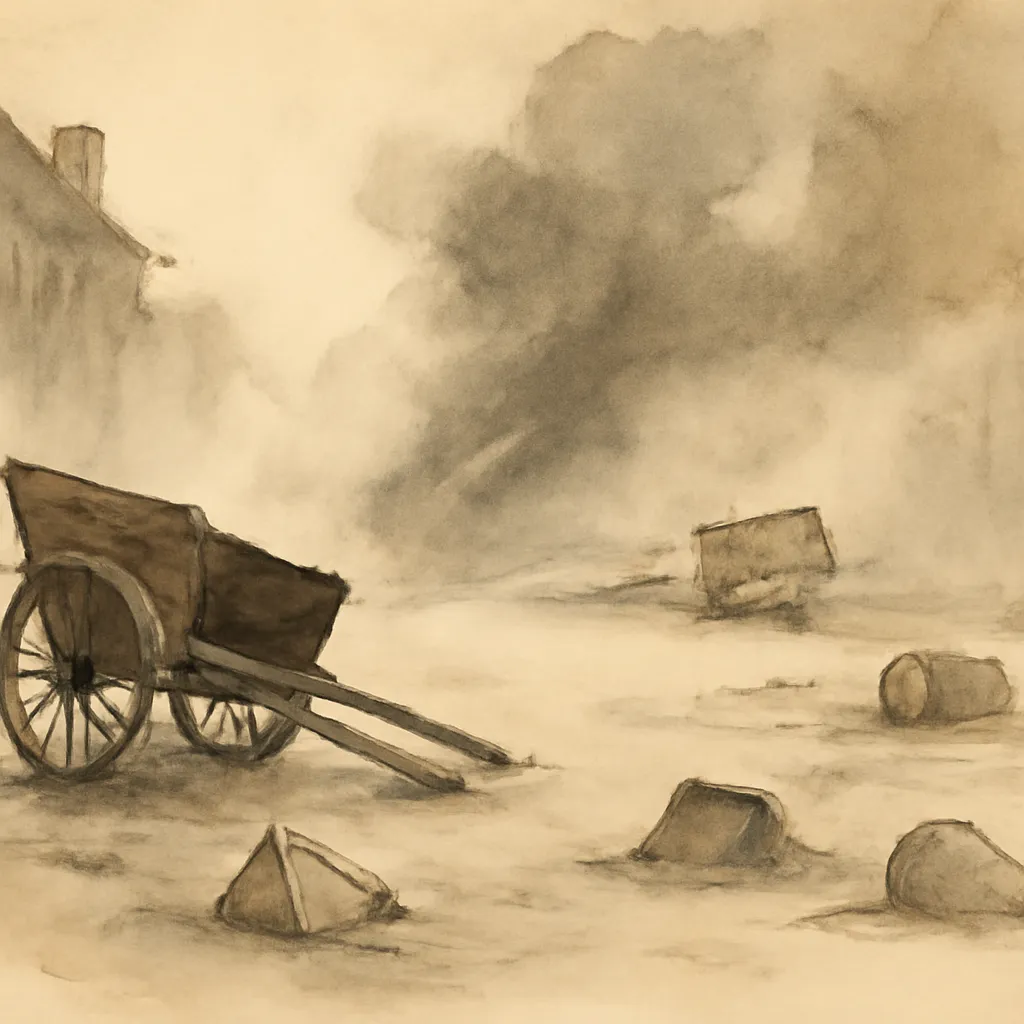
The Great Plague and the Great Fire of London are two catastrophic events that profoundly shape Pepys' diary. His entries during the plague reveal the widespread panic and despair that enveloped the city, as he records the rising death toll and the measures taken to contain the outbreak. For instance, Pepys meticulously details his observations of the plague's progression, noting the closing of businesses, the isolation of affected families, and the somber atmosphere that descends upon London. His reflections on the plague highlight the fragility of life and the unpredictability of fate, as he recounts visits to friends and family, often confronting the stark reality of loss. Similarly, his descriptions of the Great Fire in 1666 capture the chaos and destruction as the flames engulf the city, forcing Pepys to flee and witness the devastation firsthand. He records the fear of losing everything, the resilience of the community, and the eventual rebuilding efforts. These catastrophic events serve as a backdrop for Pepys' personal growth, prompting him to reflect on mortality and the resilience of the human spirit in the face of adversity. Through his vivid accounts, readers gain a deeper understanding of how such disasters impact individuals and communities.
6.A Study in Vanity and Self-Reflection
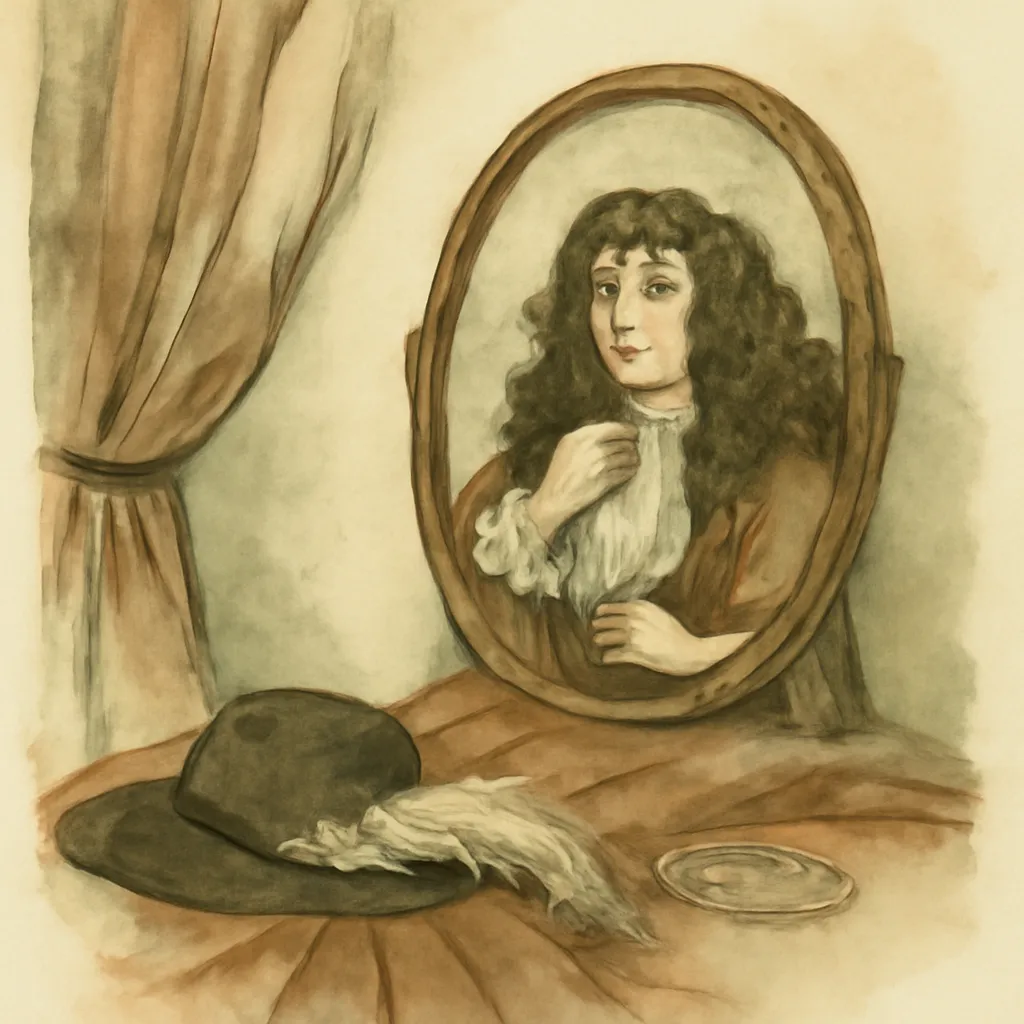
Pepys' diary is also a candid exploration of vanity and self-perception. He often reflects on his ambitions, desires for social status, and the ways in which he presents himself to others. His entries reveal a man acutely aware of his image and reputation, as he navigates the complexities of social standing in Restoration London. Pepys frequently notes his efforts to dress well and impress his peers, underscoring the importance of appearance in his social interactions. He documents specific outfits and accessories, reflecting a keen consciousness of fashion trends of the time. This preoccupation leads to moments of introspection, where Pepys grapples with his shortcomings and aspirations. For example, he ruminates on his infidelities and how they impact his marriage, revealing a vulnerability that enhances his relatability. Such reflections allow readers to engage with the theme of identity and the societal pressures that shape personal narratives, making Pepys a relatable figure despite the historical distance. His struggles with vanity and self-critique resonate with contemporary questions of self-image and authenticity.
7.The Role of Women in Pepys' Life
Women play a significant role in Pepys' diary, both as subjects of his affection and as integral figures in his social and professional life. His relationships with women, such as his wife Elizabeth and various mistresses, reveal the complexities of gender dynamics in 17th century England. Pepys' candid descriptions of his romantic pursuits juxtapose societal expectations of fidelity and the realities of desire. He writes about his feelings for Elizabeth, often depicting her as a source of comfort, yet also expressing frustrations about their marriage. Moreover, his interactions with women extend beyond personal relationships; he notes the influence of women in the theater, politics, and society at large. For instance, his admiration for actresses like Nell Gwyn highlights the emerging visibility and agency of women in public life. Pepys' observations provide a nuanced view of women's roles, challenging contemporary notions of gender and power by illustrating how women navigated their social environments. Through his eyes, readers can examine the cultural perceptions of women and the ways they influenced Pepys' life.
8.The Intersection of Science and Daily Life
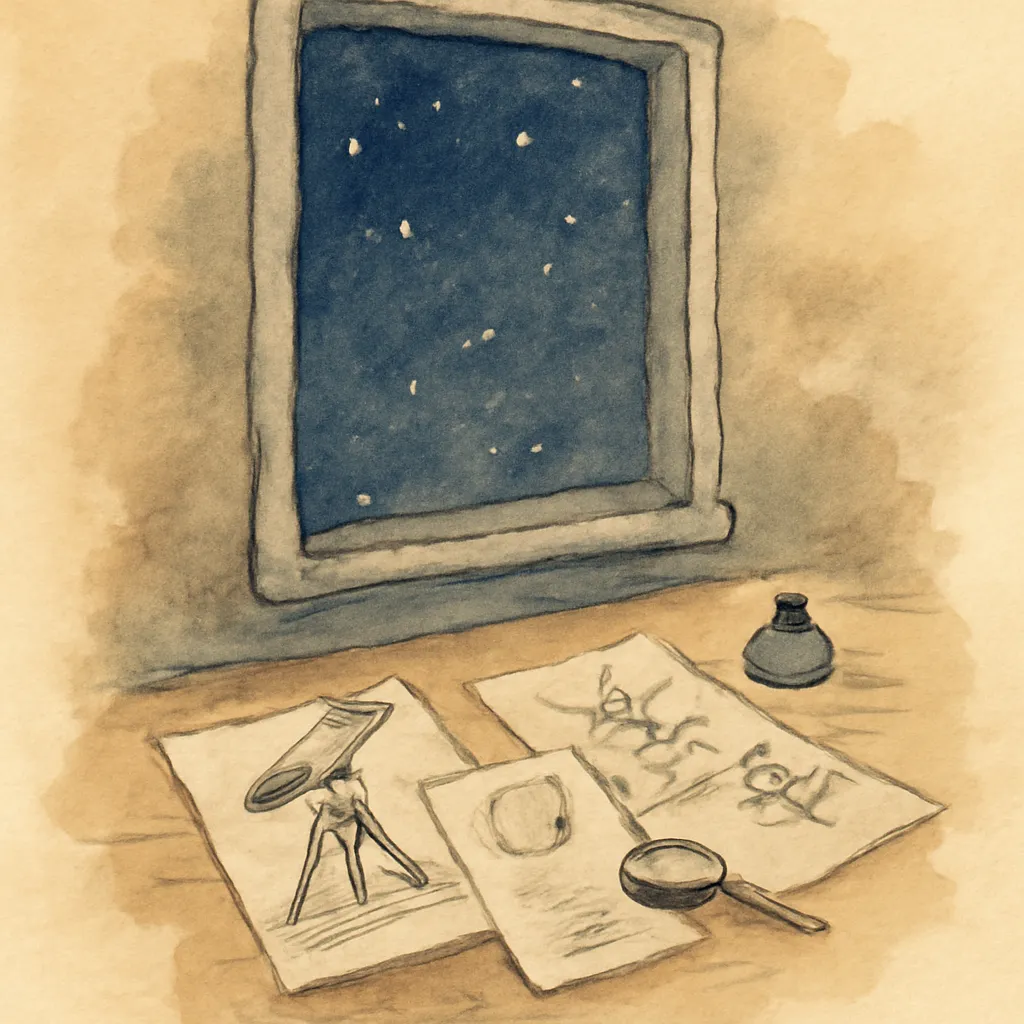
Pepys' diary reflects a keen interest in the scientific advancements and technological innovations of his time. His entries reveal a fascination with various fields, including medicine, chemistry, and engineering. For instance, Pepys writes about the processes involved in assaying metals, demonstrating a practical understanding of chemistry and its applications in commerce. He details the methods used to determine the purity of gold and silver, showcasing the scientific curiosity of the era. Pepys’ meticulous descriptions of these processes illustrate how closely intertwined scientific inquiry was with daily life and economic practices. His curiosity about scientific developments is evident in his detailed accounts of naval technology and shipbuilding techniques, where he integrates practical knowledge with his administrative duties. This intersection of science and daily life illustrates how intellectual pursuits were woven into the fabric of everyday activities, showcasing the evolving relationship between knowledge and practical application during the Restoration period. Pepys' engagement with science positions him as a forward-thinking individual who embraced the possibilities of his time, offering readers insight into the Enlightenment's early stirrings in England.
9.A Legacy of Personal Honesty

One of the most remarkable aspects of Pepys' diary is his unwavering commitment to personal honesty. He candidly shares his thoughts, fears, and desires, revealing a depth of vulnerability that resonates with readers. This unfiltered approach to self-examination allows for a genuine connection between Pepys and his audience, as he grapples with moral dilemmas and personal failings. His reflections on infidelity, ambition, and the pursuit of happiness showcase the complexities of the human experience. For example, Pepys documents his feelings of guilt over his extramarital affairs and the toll they take on his marriage, providing a raw and candid look at the struggles of fidelity and commitment. By documenting both his successes and shortcomings, Pepys creates a rich tapestry of life that encourages readers to reflect on their own journeys of self-discovery. This legacy of honesty remains a powerful aspect of the diary, inviting readers to embrace their own truths and recognize the shared nature of human emotions and experiences.