1.Crossroads of Civilizations
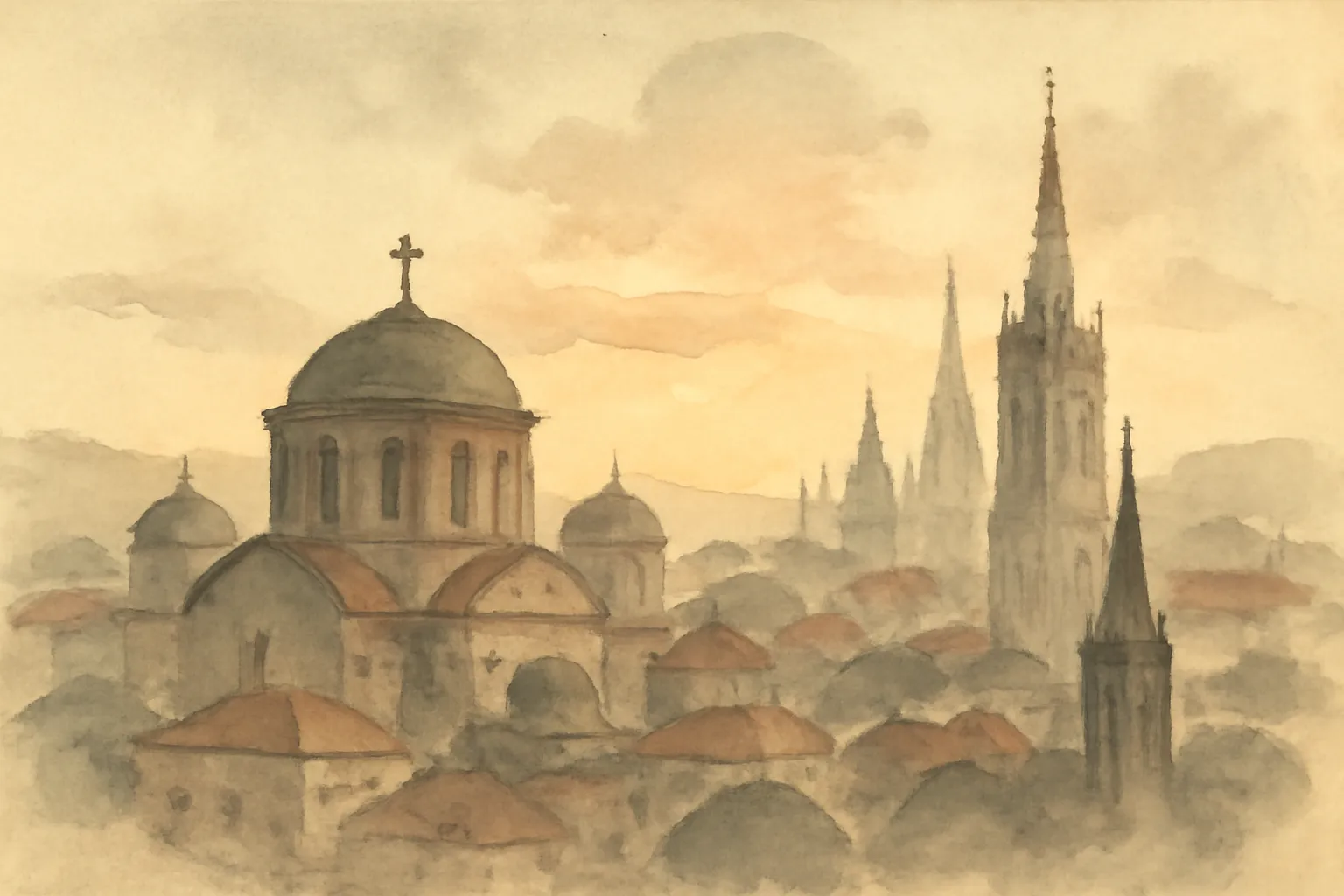
Curta emphasizes Southeastern Europe’s unique position as a meeting point for diverse cultures, religions, and political powers. Rather than being a passive recipient of influence, the region actively negotiated its identity amid pressures from Byzantium, Latin Christendom, and migrating peoples. This perspective challenges the traditional view of the Balkans as merely a periphery, instead highlighting its central role in shaping medieval Europe’s dynamics.
2.Archaeology Meets History
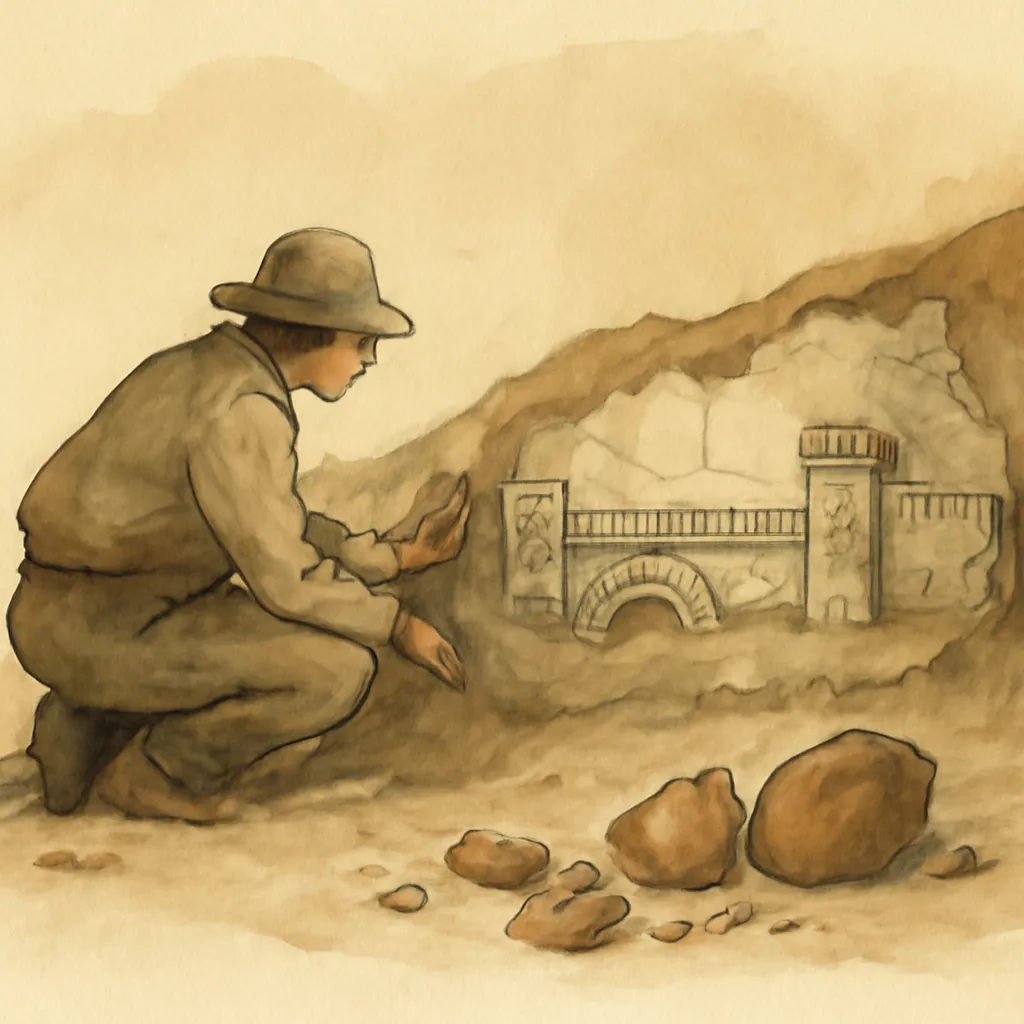
A hallmark of Curta’s approach is his integration of archaeological evidence with textual sources. By examining material culture—such as fortifications, religious buildings, and everyday objects—he reconstructs social and economic life that written records alone cannot capture. This method reveals patterns of settlement, trade, and power that illuminate how societies adapted to shifting political landscapes.
3.Formation of Medieval States
The book traces the gradual emergence of medieval polities in the region, showing how local leaders leveraged both external alliances and internal resources to consolidate power. Curta explores the fluidity of borders, the role of dynastic marriages, and the importance of military and religious legitimacy in state-building. This process was neither linear nor uniform, reflecting the region’s diversity and volatility.
4.Conversion and Christianization
Curta examines the complex and often contested process of Christianization, highlighting its political as well as spiritual dimensions. Conversion was not simply imposed from above; it involved negotiation, adaptation, and resistance at local levels. The interplay between Orthodox and Latin Christianities created a religious mosaic with lasting cultural consequences, shaping identities and alliances for centuries.
5.Monasticism and Cultural Exchange
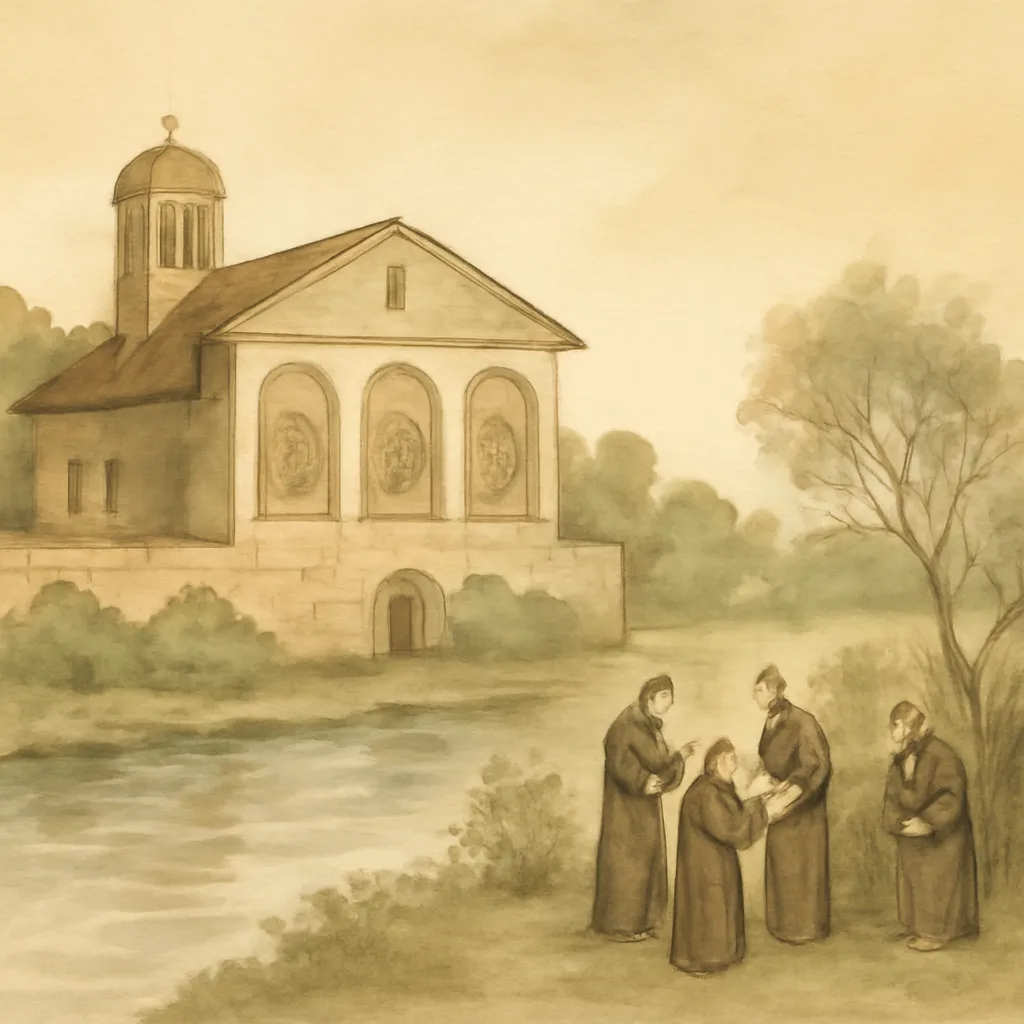
The spread of monasticism, inspired by both Western and Byzantine models, played a crucial role in the region’s cultural transformation. Monasteries became centers of learning, literacy, and artistic production, facilitating the exchange of ideas across linguistic and religious boundaries. Curta shows how these institutions contributed to the creation of new cultural and political networks.
6.Material Culture and Power
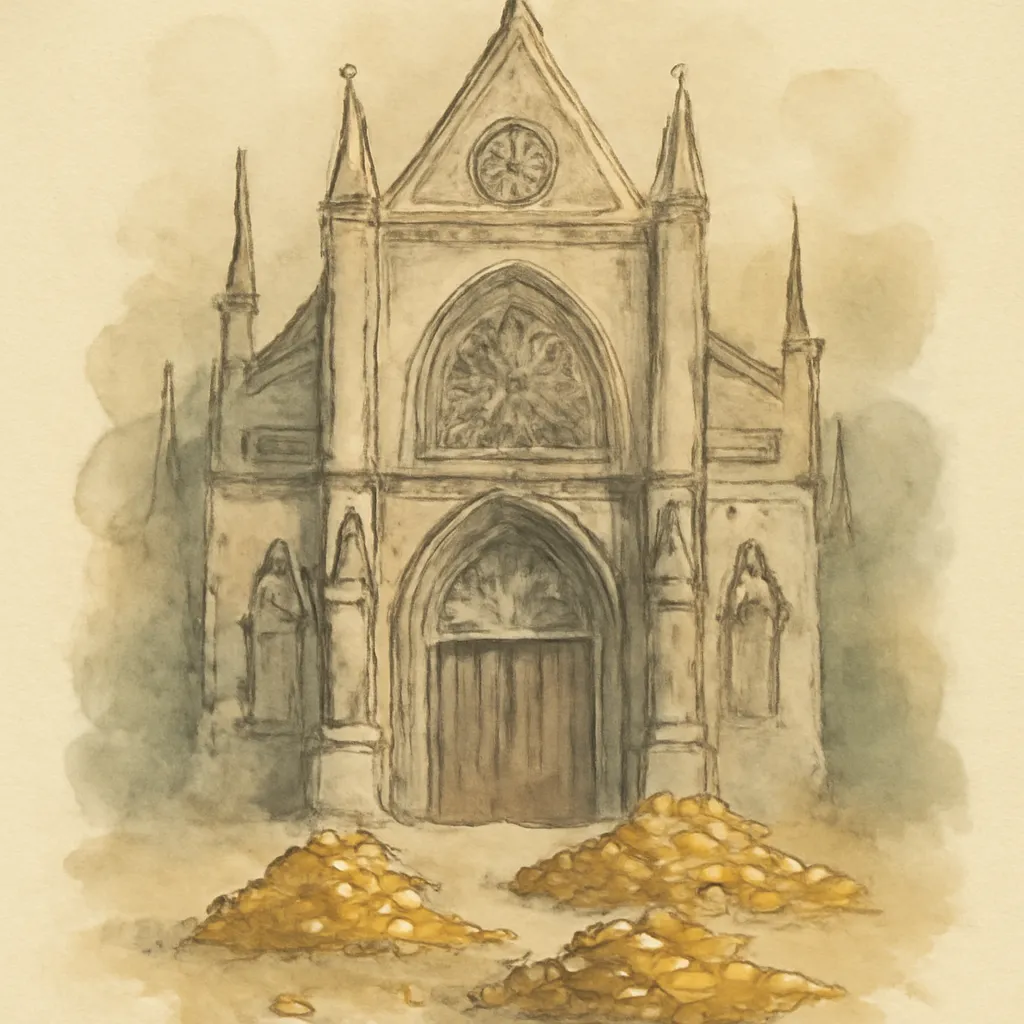
By analyzing architecture, art, and everyday objects, Curta demonstrates how material culture was used to express and legitimize authority. From monumental churches to coinage and clothing, the display of wealth and piety signaled political ambitions and social hierarchies. These artifacts provide insight into how rulers and communities projected their identities and negotiated their place in the medieval world.