1.Satire of Power and Authority
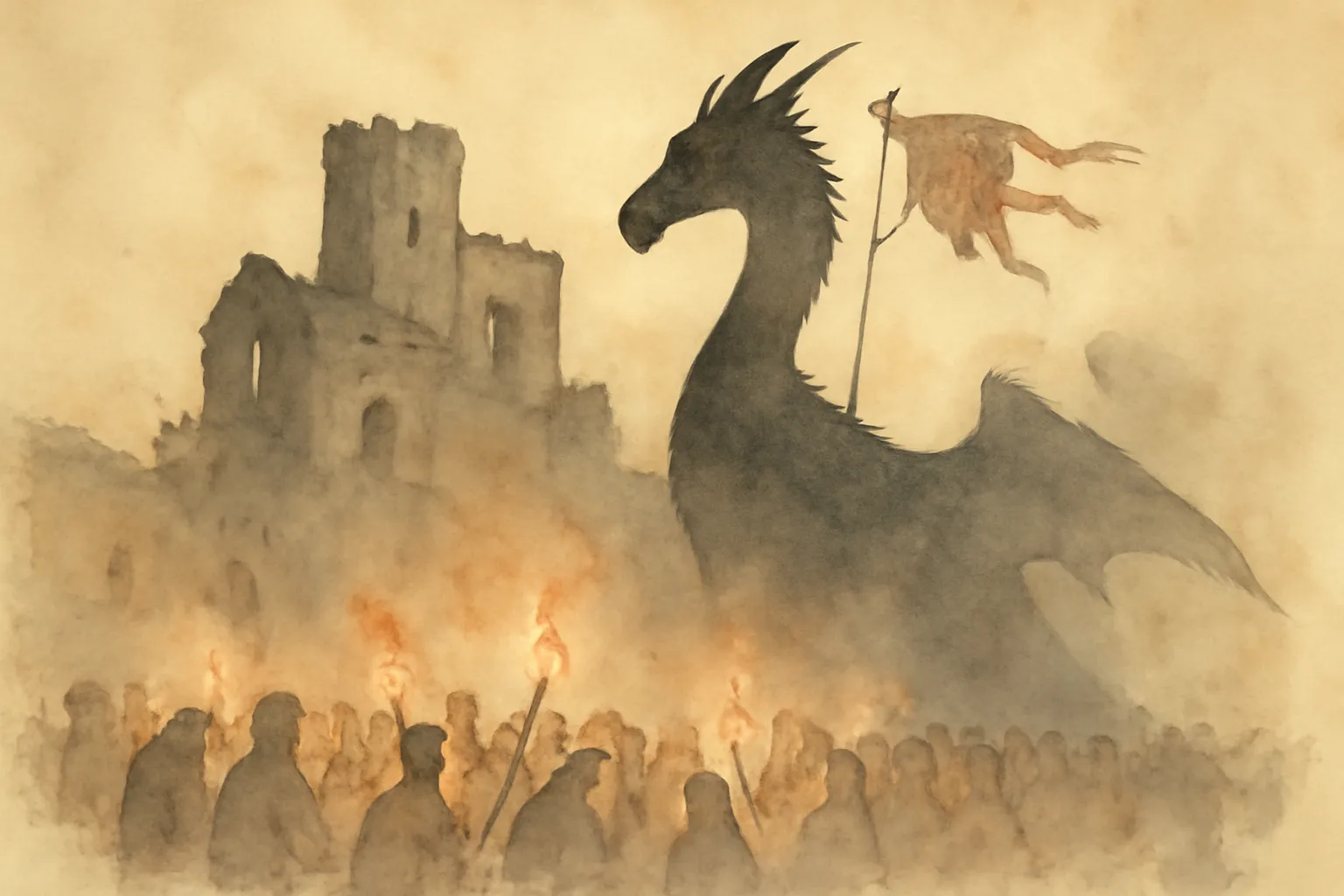
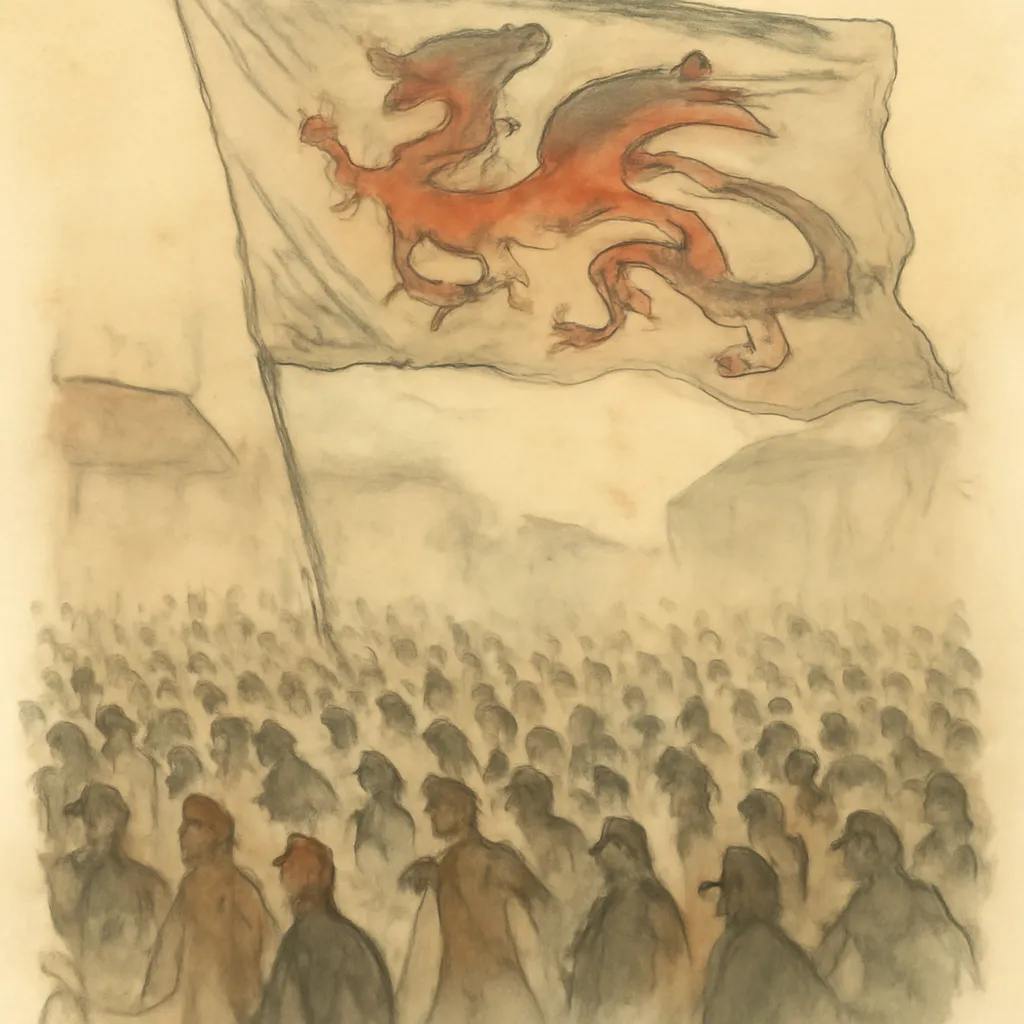
Pratchett lampoons the structures of authority in Ankh-Morpork, exposing how easily power can be manipulated. The city’s leaders are self-serving, the Watch is ineffectual, and the populace is easily swayed by spectacle. By crowning a dragon as king, the book highlights the absurdity of political legitimacy and the dangers of charismatic leadership. Pratchett uses humor to probe serious questions about who gets to rule and why people accept it.
2.The Rise of Unlikely Heroes
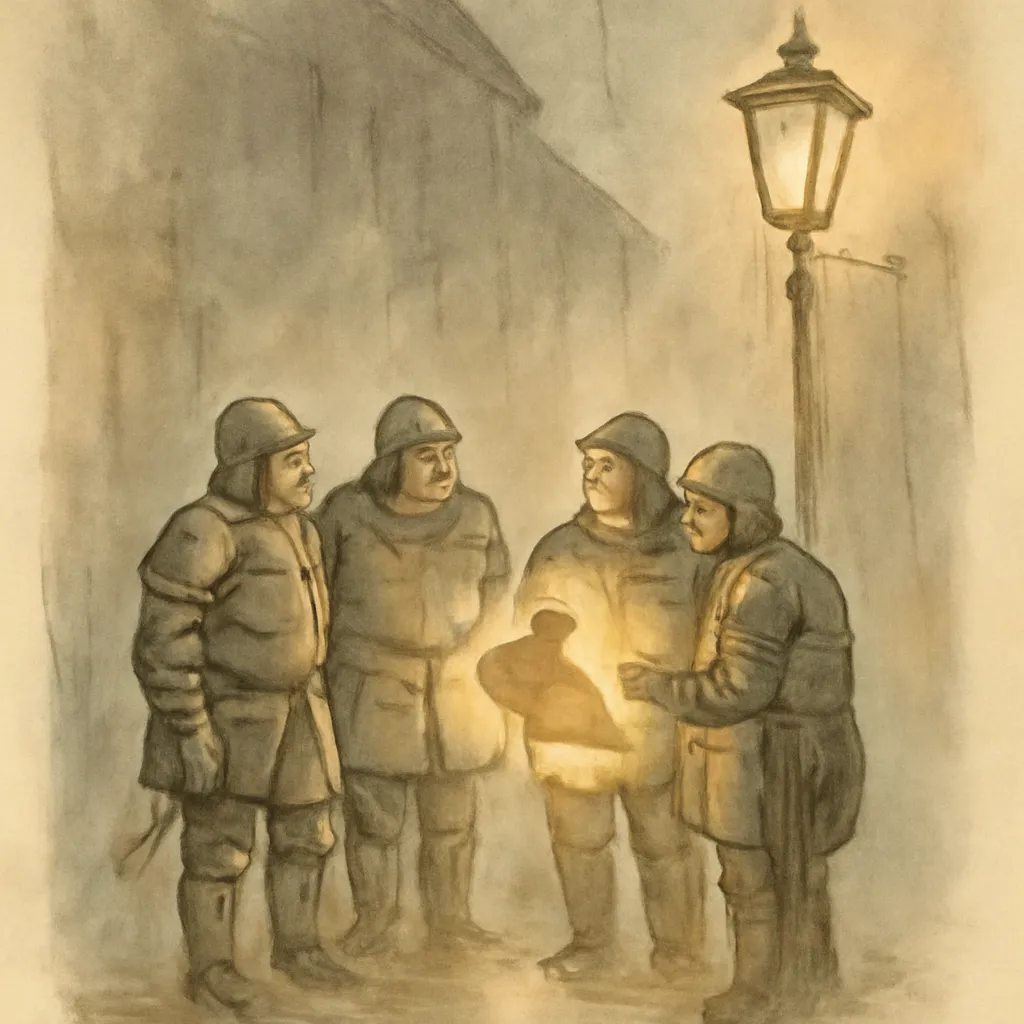
The City Watch—comprised of Captain Vimes, Sergeant Colon, Corporal Nobbs, and newcomer Carrot—are misfits and underdogs, dismissed by society and themselves. Their journey from apathetic bystanders to active defenders of the city serves as a commentary on the potential for ordinary people to enact change. Carrot’s earnestness and Vimes’s reluctant integrity contrast with the city’s cynicism, suggesting that heroism often arises from unexpected places.
3.Satirical Deconstruction of Fantasy Tropes
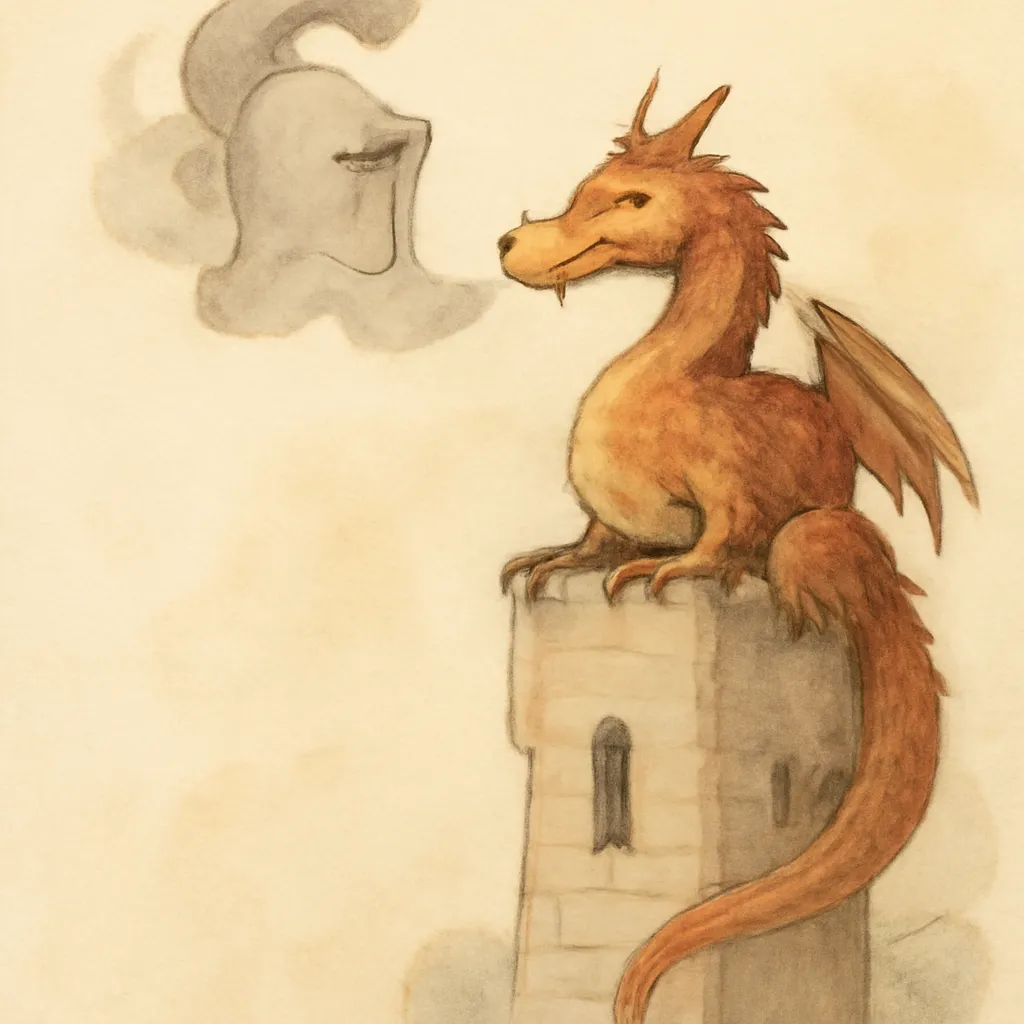
Guards! Guards! gleefully subverts classic fantasy conventions. Dragons are not noble beasts but dangerous, unpredictable forces; secret societies are bumbling rather than sinister; and the ‘chosen one’ is an honest, literal-minded young man raised by dwarfs. Pratchett’s parody both honors and pokes fun at the genre, inviting readers to question the clichés and moral binaries of traditional fantasy.
4.Mob Mentality and the Power of Belief
The novel explores how collective belief can shape reality, especially in a magical world like Discworld. The city’s willingness to accept a dragon as king, despite the danger, reflects how crowds can be swept up by spectacle and fear. Pratchett examines how myths, rumors, and shared delusions can override common sense, with both comic and unsettling results.
5.The Value of Integrity and Conscience
At its heart, the book is about characters wrestling with their own sense of right and wrong. Captain Vimes’s internal struggle—torn between cynicism and duty—mirrors the city’s moral ambiguity. Pratchett suggests that integrity is not about grand gestures but small, persistent choices to do what’s right, even when it seems futile.
6.Satire as Social Critique
Beyond its fantasy trappings, Guards! Guards! is a biting commentary on real-world politics, bureaucracy, and human nature. Pratchett’s humor is a tool for exposing hypocrisy, corruption, and the absurdities of social systems. The book invites readers to laugh, but also to think critically about the world around them.