1.Duality of Worlds: Anarres and Urras
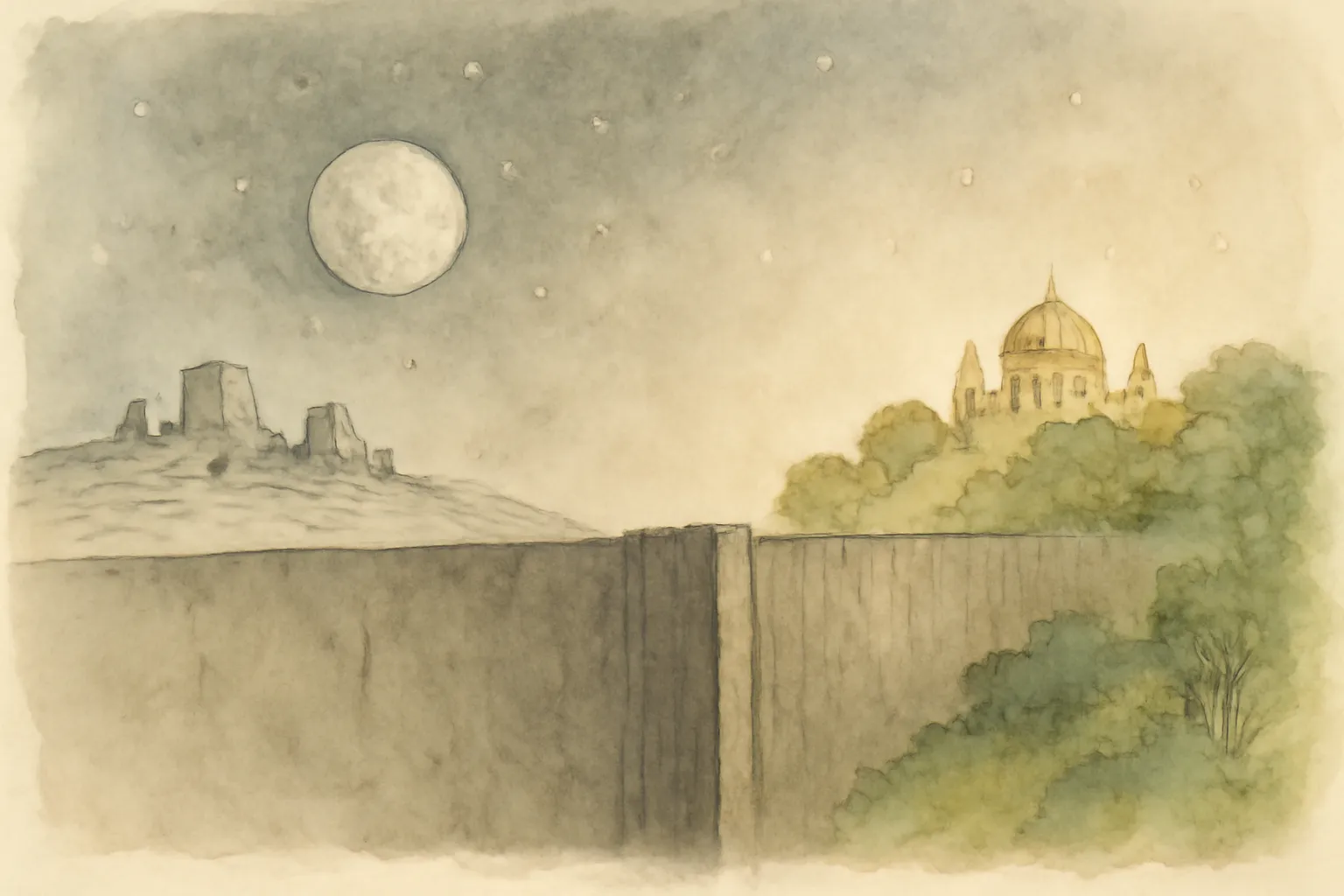
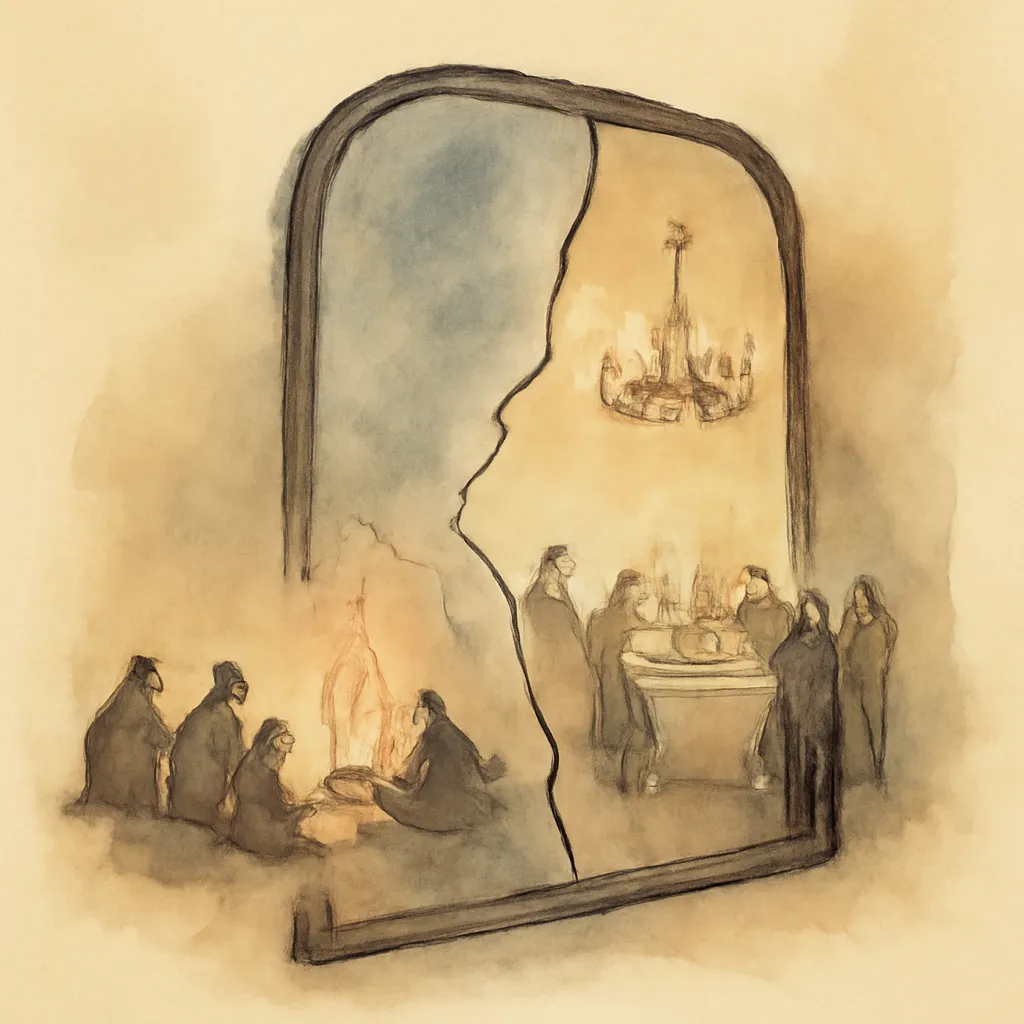
Le Guin constructs two contrasting societies: Anarres, an anarchist, collectivist moon, and Urras, a capitalist, hierarchical planet. Through Shevek’s eyes, readers experience the strengths and flaws of both. Anarres promises freedom from authority but can be stiflingly conformist, while Urras dazzles with abundance yet is deeply unequal. The juxtaposition challenges the reader to see that no system is perfect; each contains seeds of both liberation and oppression.
2.Freedom vs. Structure
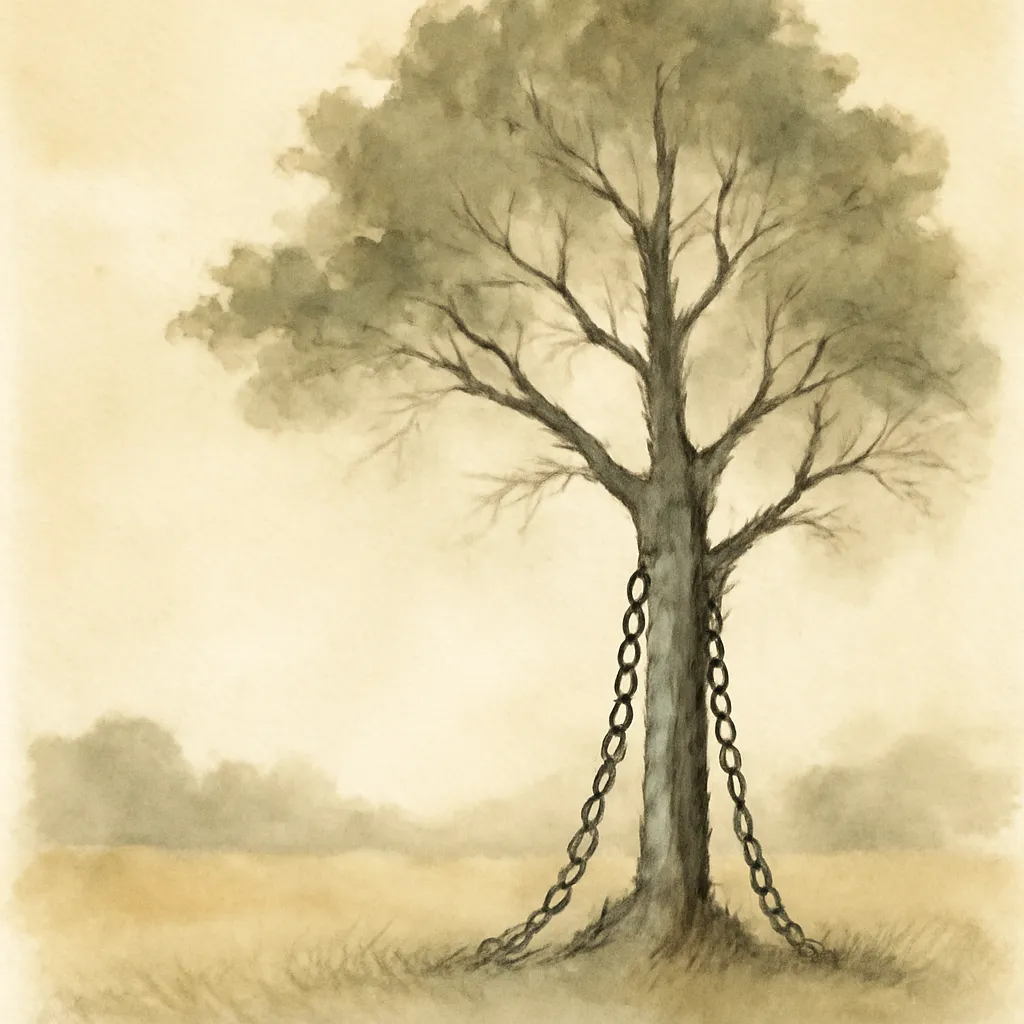
A core tension in the novel is the struggle between individual freedom and the needs of the collective. Anarres was founded to escape coercion, but over time, social norms and peer pressure become their own form of control. Shevek’s journey shows that true freedom isn’t just the absence of rulers—it requires constant vigilance against new forms of conformity and complacency.
3.The Nature of Revolution
Le Guin explores how revolutions can ossify into dogma. The anarchist society on Anarres, born from rebellion, risks becoming rigid and self-protective. Shevek’s scientific work and his willingness to challenge taboos become acts of rebellion, suggesting that real change is ongoing, uncomfortable, and often comes from questioning what is taken for granted—even in utopia.
4.Communication and Isolation
The wall separating Anarres from Urras is both literal and symbolic. Le Guin uses Shevek’s struggle to share his scientific discoveries as a metaphor for the barriers—political, cultural, psychological—that prevent understanding between individuals and societies. The novel asks: what do we lose when we shut ourselves off from others, and what risks must we take to connect?
5.The Ethics of Science and Knowledge
Shevek’s physics research symbolizes the universal desire to understand and connect. But his dilemma—whether to share his work with a world that might misuse it—raises questions about the responsibilities of scientists and the ownership of knowledge. Le Guin suggests that knowledge, like freedom, should not be hoarded or weaponized, but shared for the common good.
6.The Human Cost of Idealism
Shevek’s personal sacrifices—leaving his family, facing alienation—highlight the emotional toll of pursuing ideals. The novel doesn’t romanticize the life of a revolutionary; instead, it acknowledges loneliness, doubt, and the pain of being misunderstood. Yet, it also affirms the necessity of such struggles for any meaningful progress.