Anarchism · Anarquismo · Ciencia-ficción
The Dispossessed by Ursula K. Le Guin — Summary, Key Ideas & Quotes
1974352 pages✦ 3-min Big ideas★ 4.4 (35)
Rate it
Shevek, a brilliant physicist, decides to take action. He will seek answers, question the unquestionable, and attempt to tear down the walls of hatred that have isolated his planet of anarchists from the rest of the civilized universe. To do this dangerous task will mean giving up his family and possibly his life. Shevek must make the unprecedented journey to the planet, Anarres, to challenge the complex structures of life and living, and ignite the fires of change.
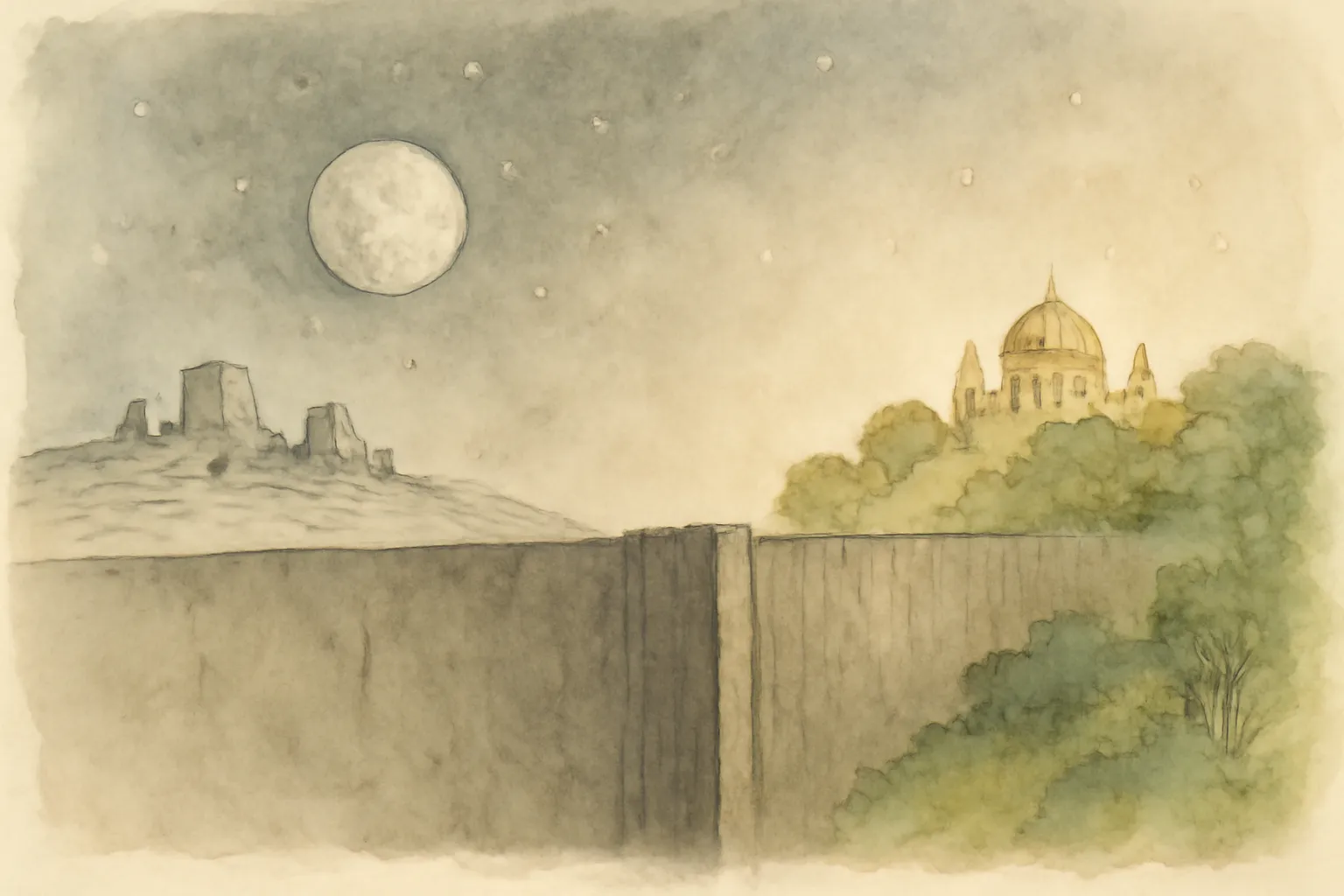
Le Guin constructs two contrasting societies: Anarres, an anarchist, collectivist moon, and Urras, a capitalist, hierarchical planet. Through Shevek’s eyes, readers experience the strengths and flaws of both. Anarres promises freedom from authority but can be stiflingly conformist, while Urras dazzles with abundance yet is deeply unequal. The juxtaposition challenges the reader to see that no system is perfect; each contains seeds of both liberation and oppression.
A core tension in the novel is the struggle between individual freedom and the needs of the collective. Anarres was founded to escape coercion, but over time, social norms and peer pressure become their own form of control. Shevek’s journey shows that true freedom isn’t just the absence of rulers—it requires constant vigilance against new forms of conformity and complacency.
“You cannot buy the revolution. You cannot make the revolution. You can only be the revolution.”
“To make a thief, make an owner; to create crime, create laws.”
“Change is freedom, change is life.”