Ciencia-ficción · Hugo Award Winner · human nature
The Left Hand of Darkness by Ursula K. Le Guin — Summary, Key Ideas & Quotes
1969304 pages✦ 3-min Big ideas★ 4.2 (53)
Rate it
[Comment by Kim Stanley Robinson, on The Guardian's website] Left Hand of Darkness by Ursula K Le Guin (1969) > One of my favorite novels is The Left Hand of Darkness, by Ursula K Le Guin. For more than 40 years I've been recommending this book to people who want to try science fiction for the first time, and it still serves very well for that. One of the things I like about it is how clearly it demonstrates that science fiction can have not only the usual virtues and pleasures of the novel, but also the startling and transformative power of the thought experiment. > In this case, the thought experiment is quickly revealed: "The king was pregnant," the book tells us early on, and after that we learn more and more about this planet named Winter, stuck in an ice age, where the humans are most of the time neither male nor female, but with the potential to become either. The man from Earth investigating this situation has a lot to learn, and so do we; and we learn it in the course of a thrilling adventure story, including a great "crossing of the ice". Le Guin's language is clear and clean, and has within it both the anthropological mindset of her father Alfred Kroeber, and the poetry of stories as magical things that her mother Theodora Kroeber found in native American tales. This worldly wisdom applied to the romance of other planets, and to human nature at its deepest, is Le Guin's particular gift to us, and something science fiction will always be proud of. Try it and see – you will never think about people in quite the same way again.
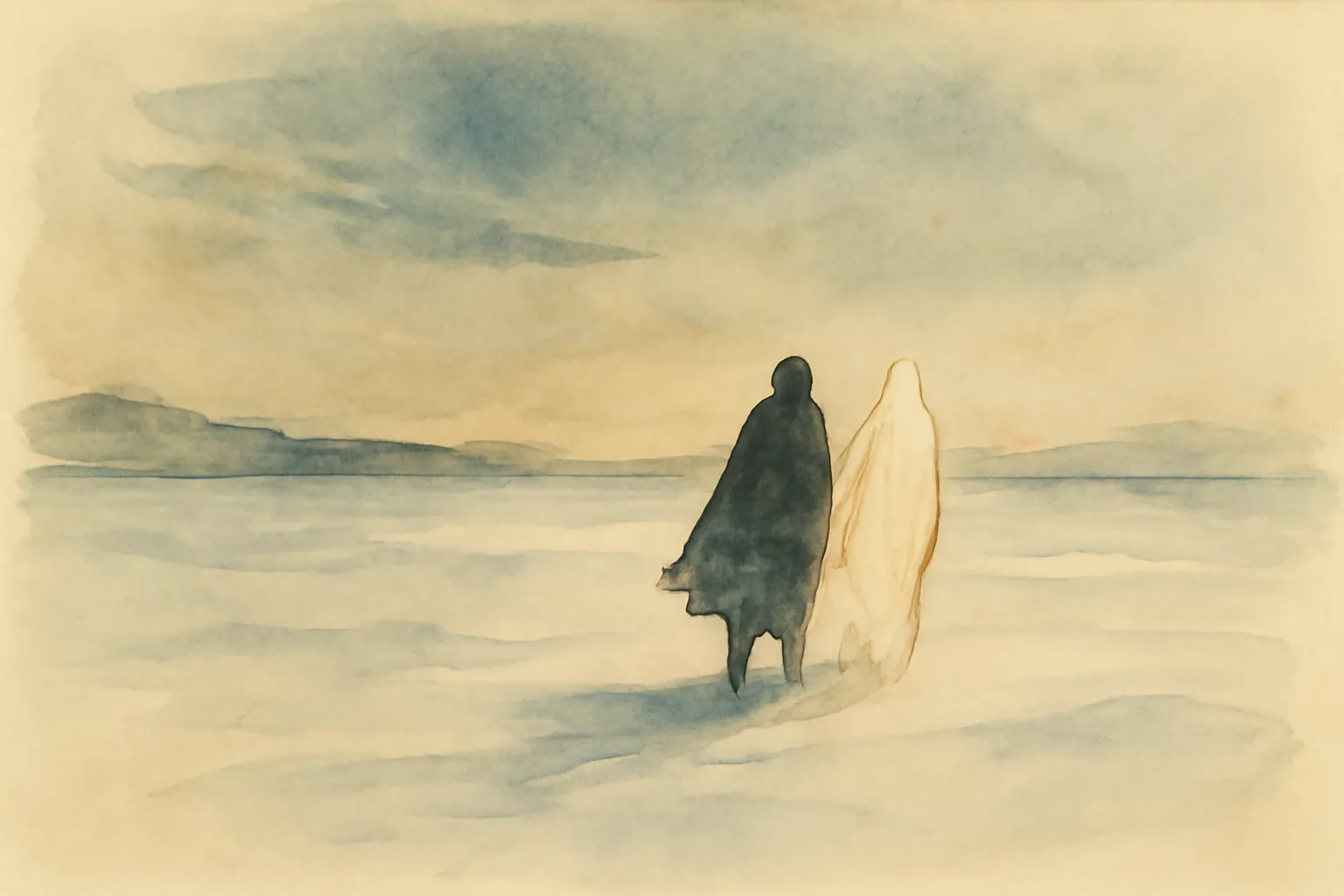
Le Guin’s central thought experiment imagines a society where people are ambisexual, becoming male or female only during brief periods. This radical reimagining exposes how much of human behavior and culture is shaped by gender roles. The absence of fixed gender on Gethen (the planet Winter) forces both the protagonist and the reader to confront ingrained biases, revealing how deeply gender influences power, relationships, and even language. The book suggests that many social conflicts and hierarchies are not inevitable, but constructed.
Through the eyes of Genly Ai, an envoy from the Ekumen, Le Guin explores the difficulties of truly understanding an alien culture. Miscommunication and misinterpretation are constant obstacles, highlighting the limits of empathy and the dangers of projecting one’s own norms onto others. The narrative demonstrates that even with the best intentions, cultural assumptions can blind us to the realities of others’ experiences.
“Light is the left hand of darkness and darkness the right hand of light.”
“The king was pregnant.”
“To learn which questions are unanswerable, and not to answer them: this skill is most needful in times of stress and darkness.”