1.Gender as a Social Construct
Le Guin’s central thought experiment imagines a society where people are ambisexual, becoming male or female only during brief periods. This radical reimagining exposes how much of human behavior and culture is shaped by gender roles. The absence of fixed gender on Gethen (the planet Winter) forces both the protagonist and the reader to confront ingrained biases, revealing how deeply gender influences power, relationships, and even language. The book suggests that many social conflicts and hierarchies are not inevitable, but constructed.
2.The Limits of Understanding and Communication
Through the eyes of Genly Ai, an envoy from the Ekumen, Le Guin explores the difficulties of truly understanding an alien culture. Miscommunication and misinterpretation are constant obstacles, highlighting the limits of empathy and the dangers of projecting one’s own norms onto others. The narrative demonstrates that even with the best intentions, cultural assumptions can blind us to the realities of others’ experiences.
3.Duality and Unity
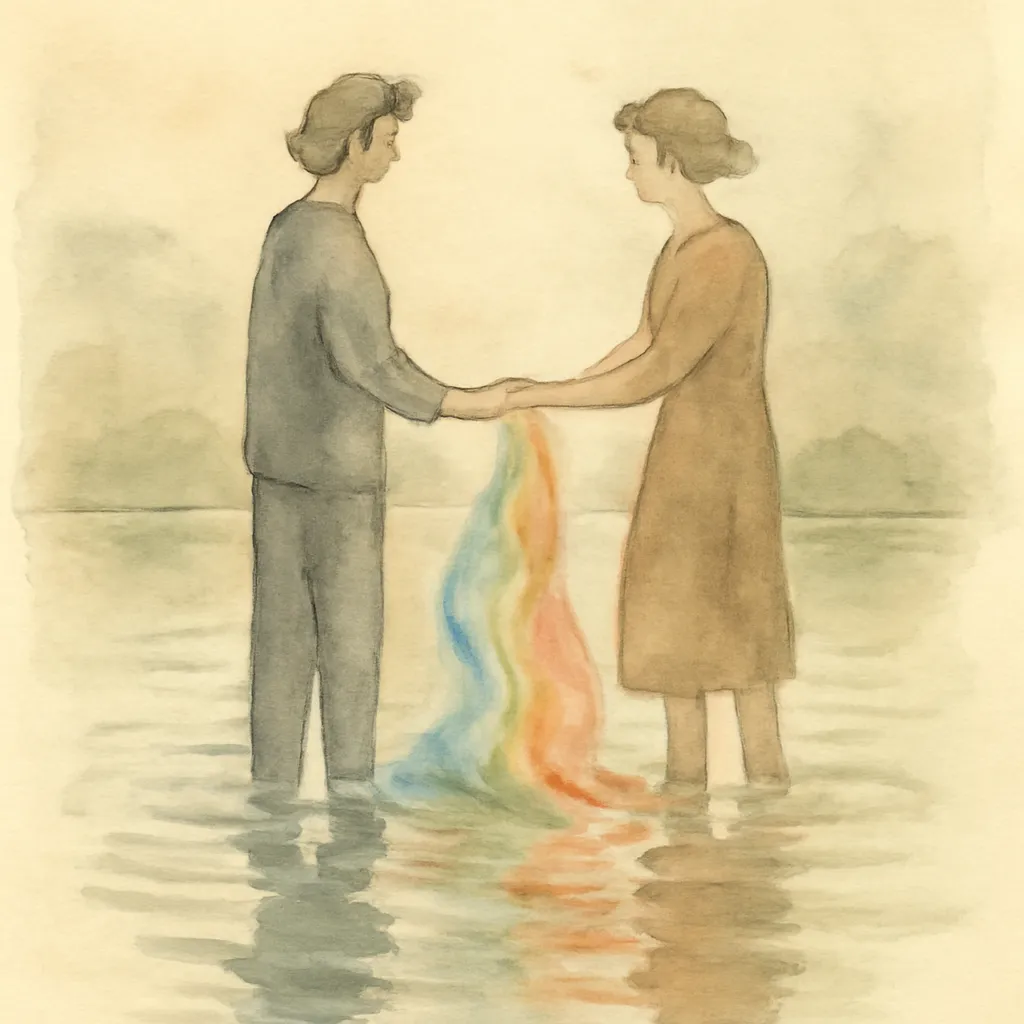
The novel’s recurring motif—light and darkness, male and female, self and other—underscores the theme of duality. Yet Le Guin ultimately argues for the necessity of unity and balance. The Gethenians’ biology embodies this principle, and the story’s emotional arc, especially the bond between Genly and Estraven, illustrates how connection is possible across profound differences. The title itself suggests that opposites are not enemies, but complements.
4.Alienation and Belonging
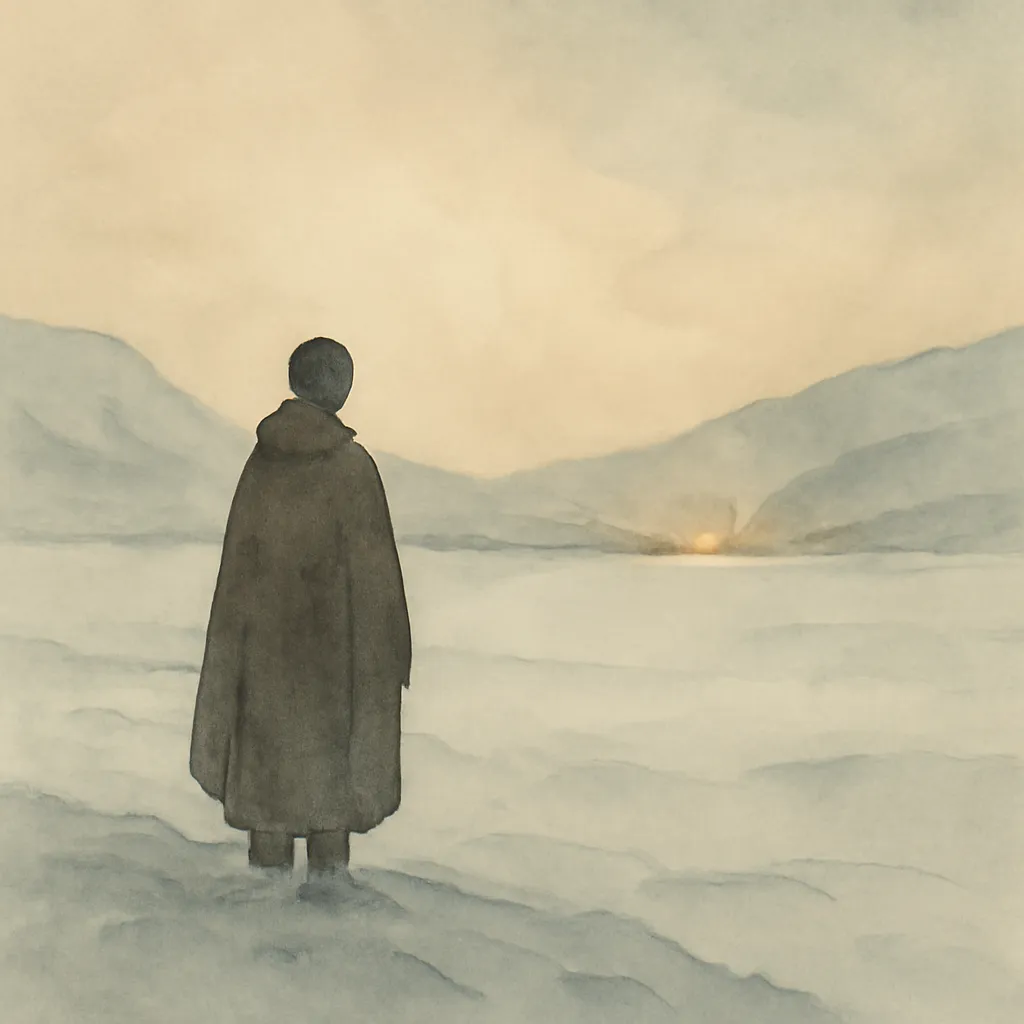
Genly Ai’s status as an outsider is central to the narrative. His struggle to adapt and be accepted on Gethen mirrors the universal human experience of alienation. The story explores the pain and growth that come from being different, and how genuine understanding and trust can only develop through vulnerability and shared hardship.
5.The Power and Limits of Politics
Set against the backdrop of political intrigue and shifting alliances, the novel scrutinizes the ways power is wielded and resisted. Le Guin shows how political systems are shaped by cultural assumptions, and how individuals can both challenge and be trapped by them. The personal becomes political, as Genly and Estraven’s journey is both a literal and symbolic crossing of boundaries.
6.Survival and Transformation
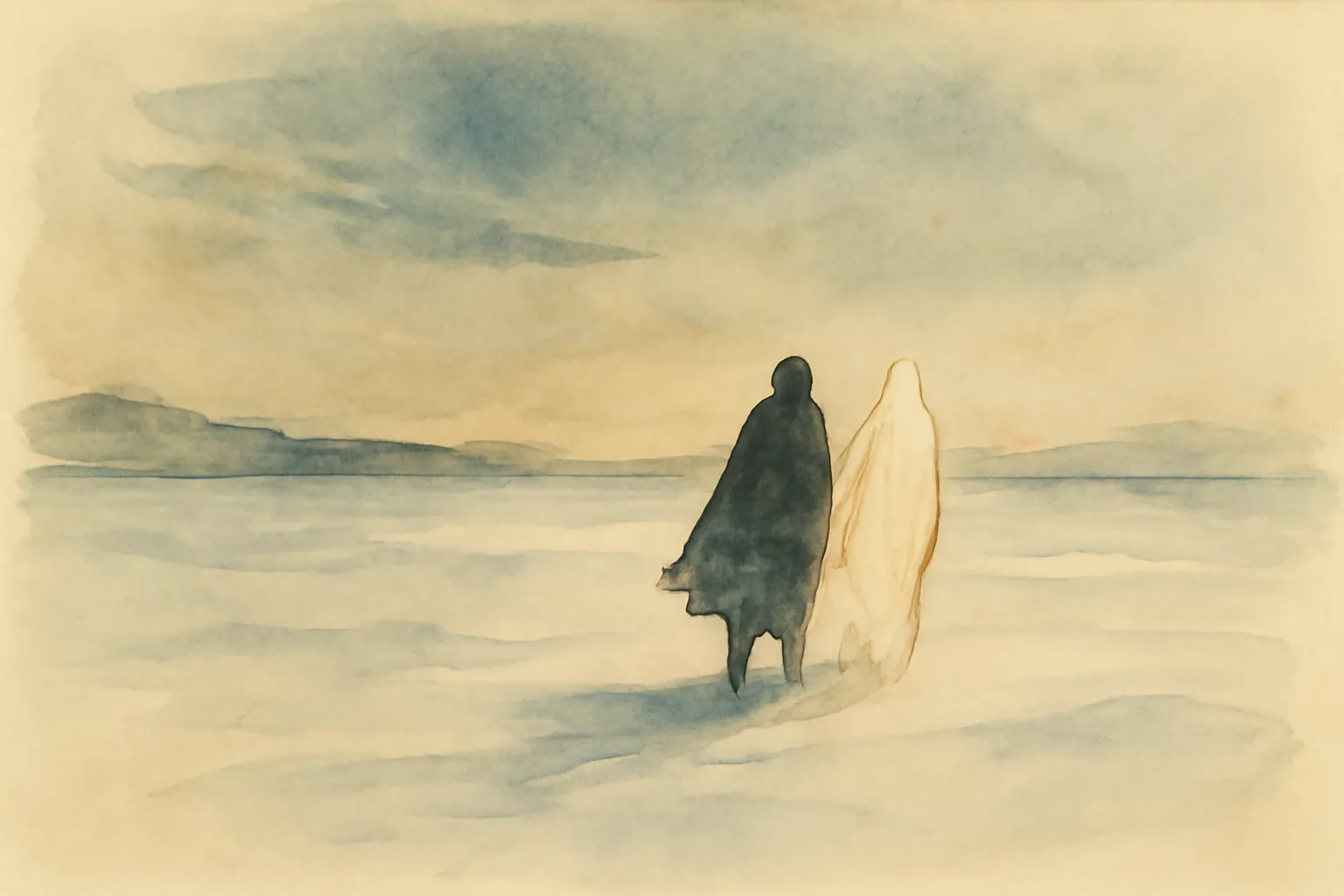
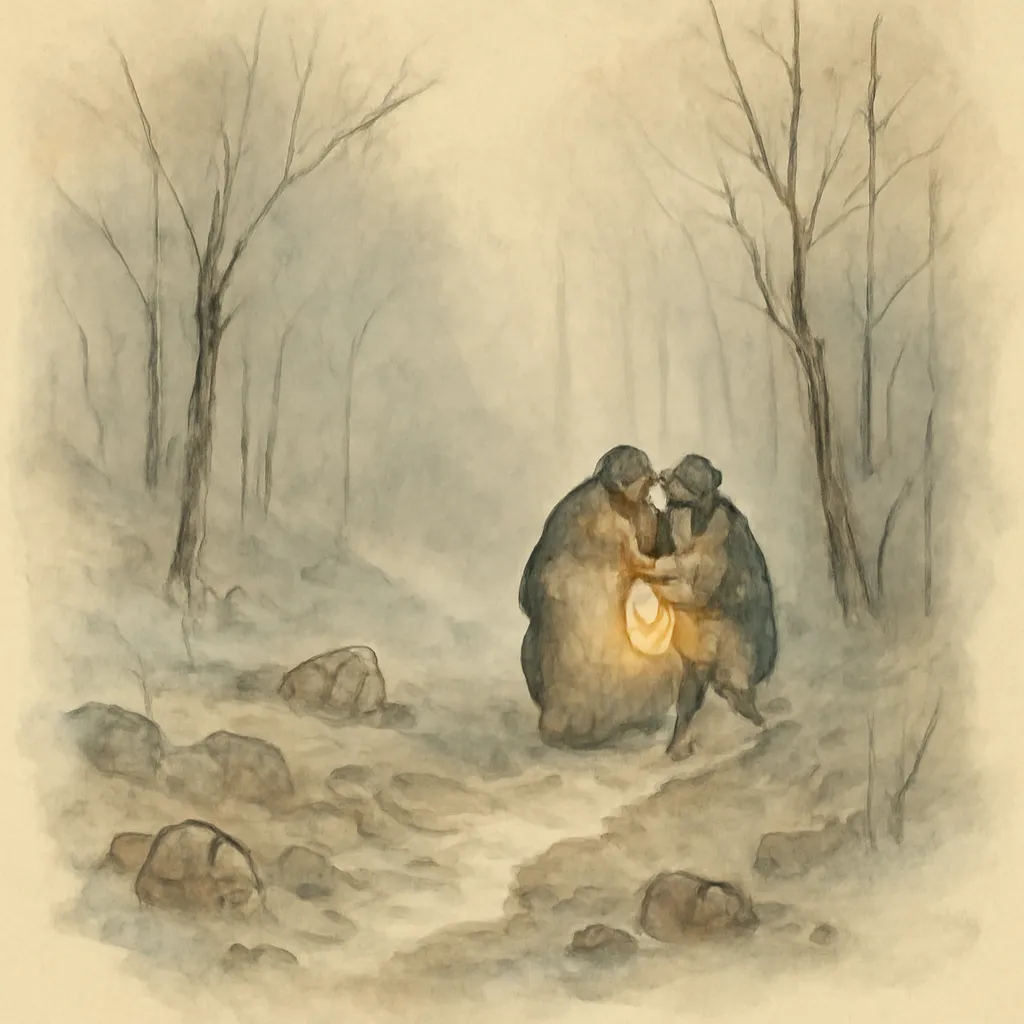
The harrowing journey across the ice is more than an adventure—it’s a crucible that transforms both characters. Survival requires adaptability, trust, and the willingness to let go of old prejudices. This ordeal becomes a metaphor for the possibility of change, both personal and societal, when people are willing to confront the unknown together.