
Magic · Novela fantástica estadounidense · Magic in fiction
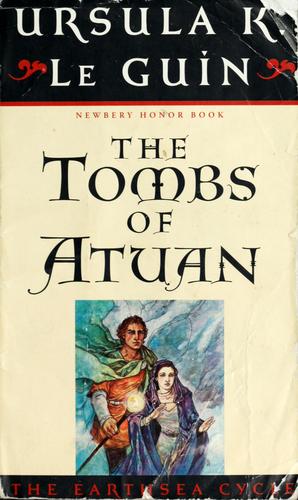
The Tombs of Atuan by Ursula K. Le Guin — Summary, Key Ideas & Quotes
1971173 pages✦ 3-min Big ideas★ 3.9 (58)
Rate it
Arha's isolated existence as high priestess in the tombs of Atuan is jarred by a thief who seeks a special treasure.
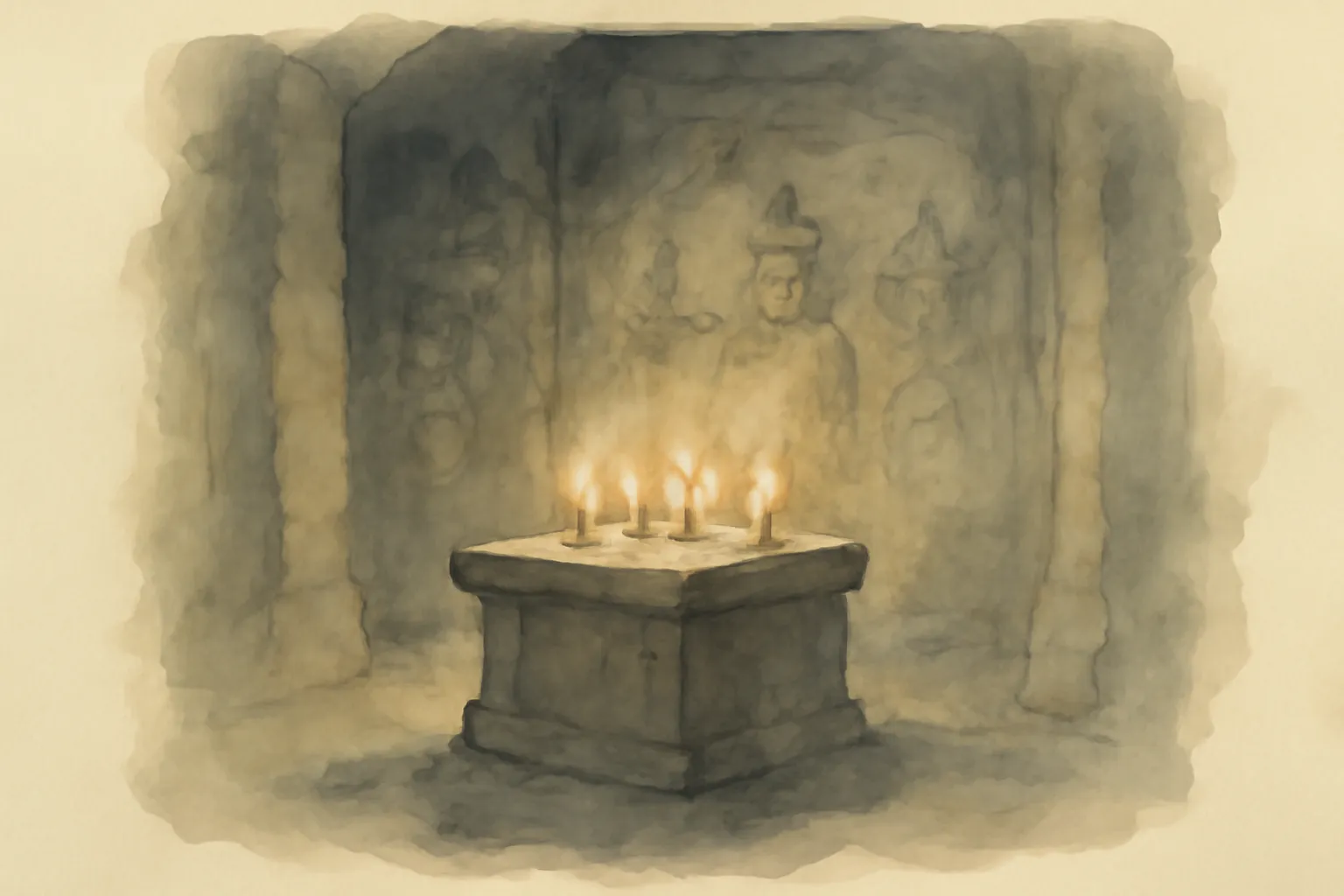
At the heart of the novel is Tenar, renamed Arha, whose sense of self is shaped—and nearly erased—by the rituals and isolation of her role as high priestess. Le Guin explores how identity can be imposed by external forces, yet also how it can be reclaimed. Tenar's journey is about unlearning what she has been told to be, and daring to imagine a self beyond the boundaries set for her.
The Tombs themselves are a labyrinthine metaphor for the confining nature of institutional power. Arha is both a wielder and a victim of this power: revered, yet imprisoned by tradition and fear. The book examines how systems of control perpetuate themselves, and how individuals can become complicit in their own subjugation.
“To light a candle is to cast a shadow.”
“You must not be afraid of the dark.”


