1.The Construction of Identity
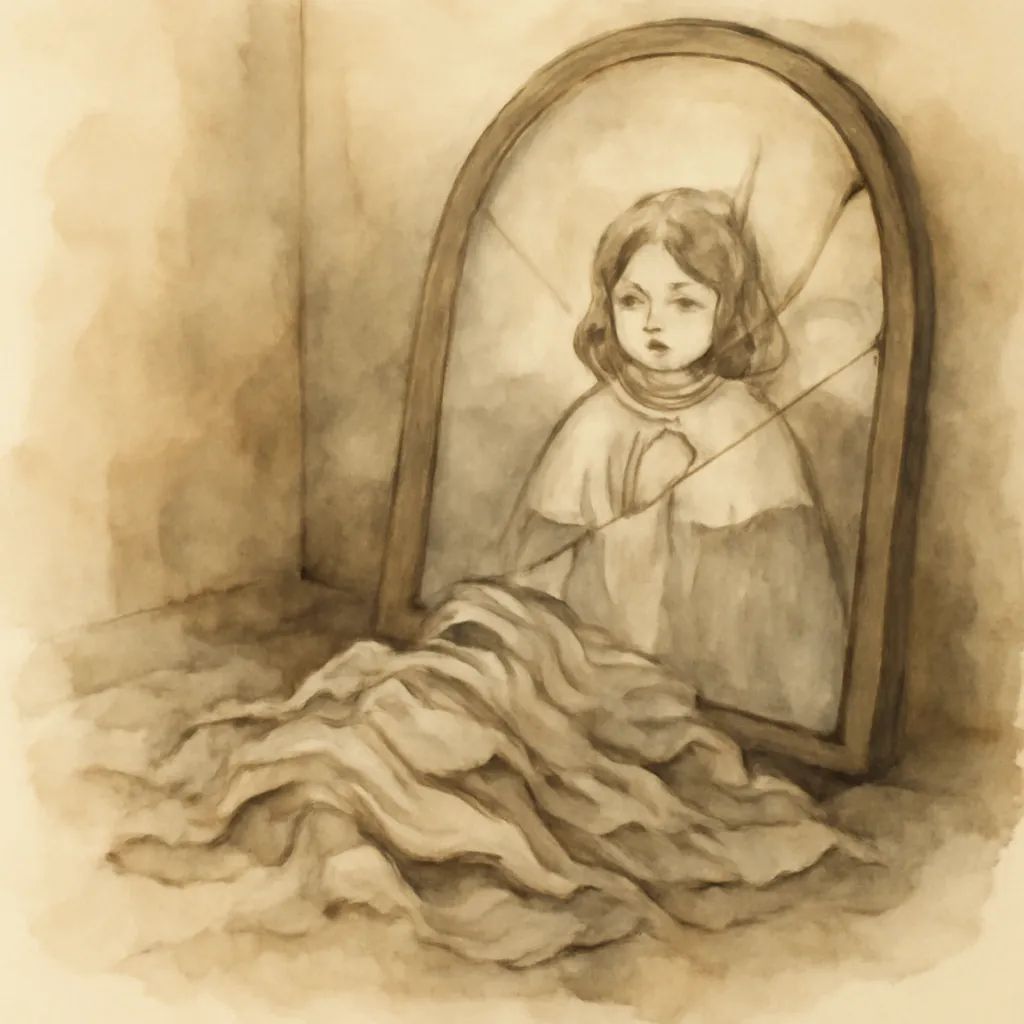
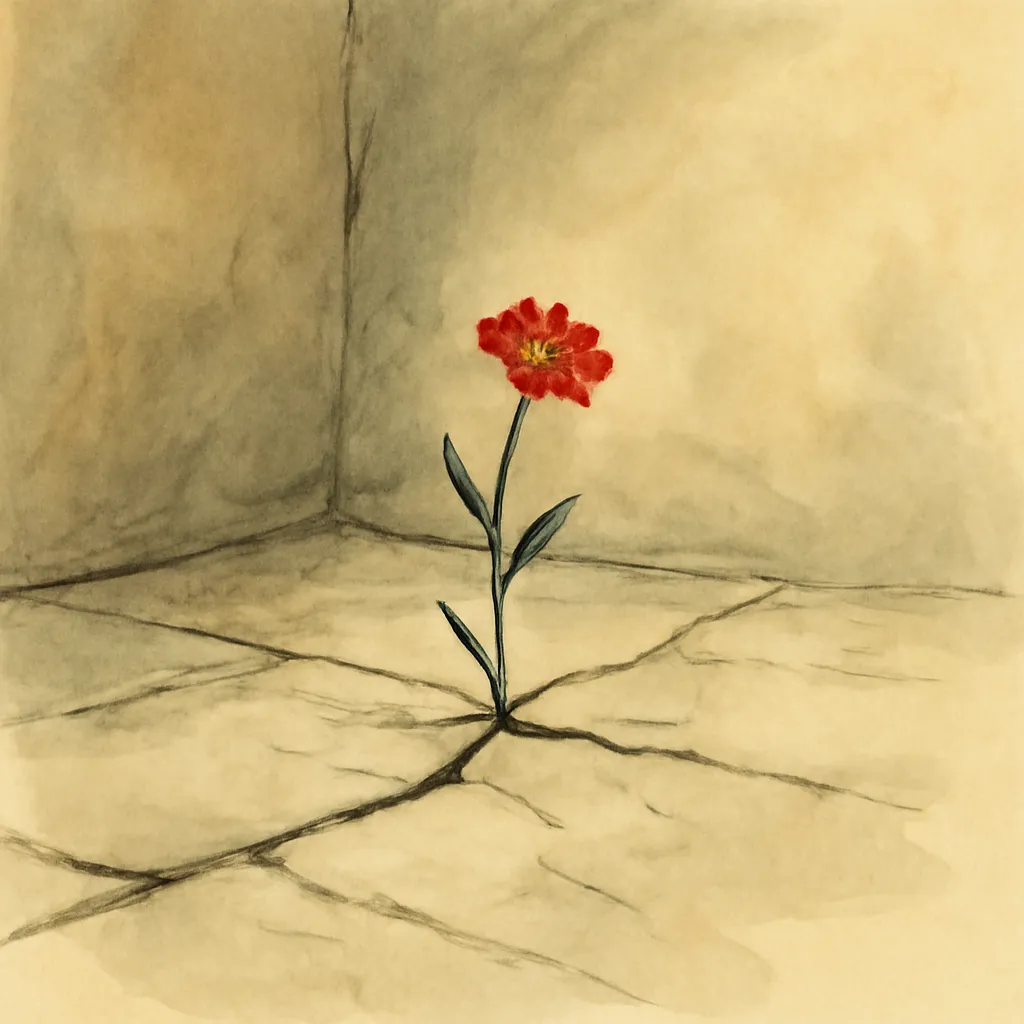
At the heart of the novel is Tenar, renamed Arha, whose sense of self is shaped—and nearly erased—by the rituals and isolation of her role as high priestess. Le Guin explores how identity can be imposed by external forces, yet also how it can be reclaimed. Tenar's journey is about unlearning what she has been told to be, and daring to imagine a self beyond the boundaries set for her.
2.Oppression and the Allure of Power
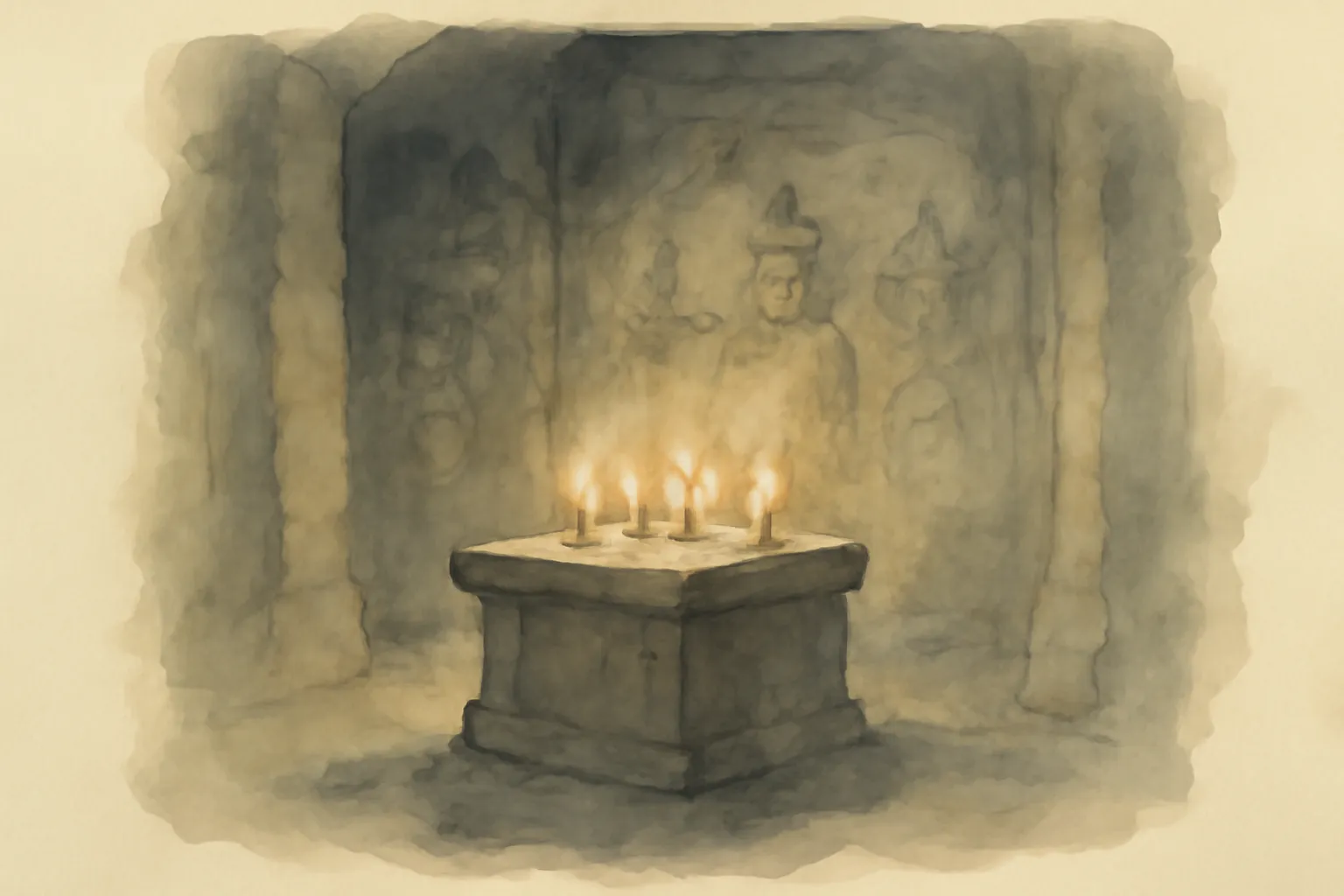
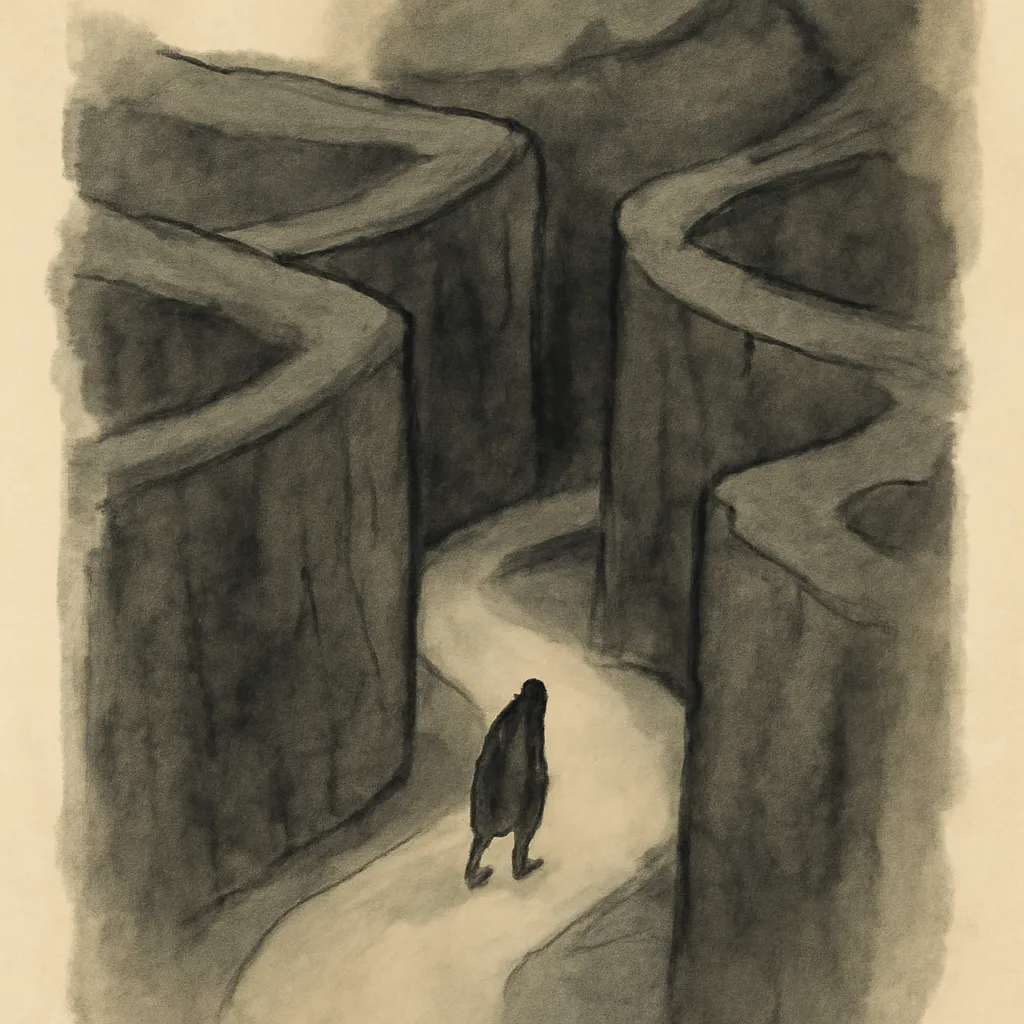
The Tombs themselves are a labyrinthine metaphor for the confining nature of institutional power. Arha is both a wielder and a victim of this power: revered, yet imprisoned by tradition and fear. The book examines how systems of control perpetuate themselves, and how individuals can become complicit in their own subjugation.
3.Faith, Doubt, and the Unknown
Le Guin presents the faith of the Kargish lands as both deeply meaningful and deeply limiting. The rituals of the Nameless Ones offer comfort and certainty, but also demand unquestioning obedience. When Ged, the 'thief,' enters the Tombs, he brings with him the possibility of doubt and change, challenging Arha to question what she has always accepted.
4.The Power of Choice
A central theme is the transformative power of choice. Tenar's decision to help Ged, rather than destroy him, is a radical act of agency. Le Guin suggests that true freedom comes not from external rescue, but from the courage to choose one's own path, even in the face of fear and uncertainty.
5.Darkness, Light, and Transformation
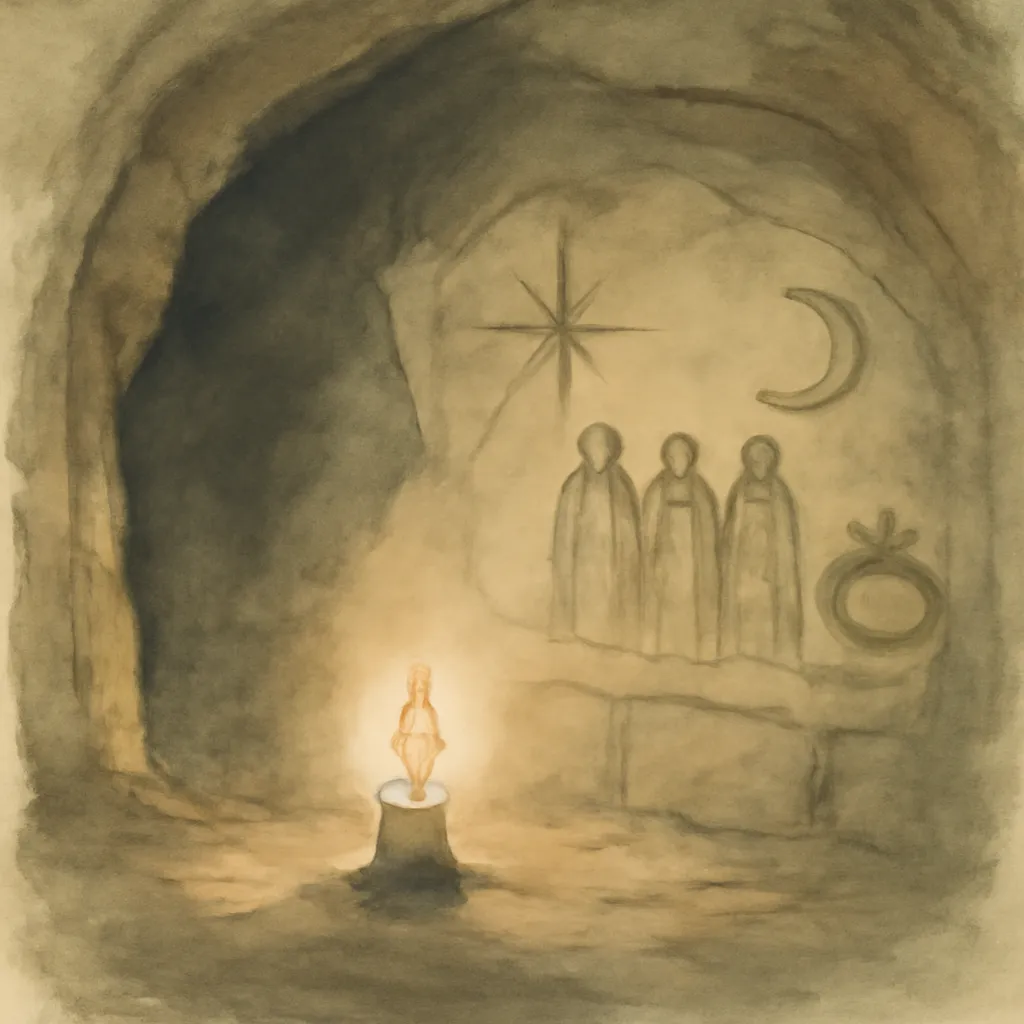
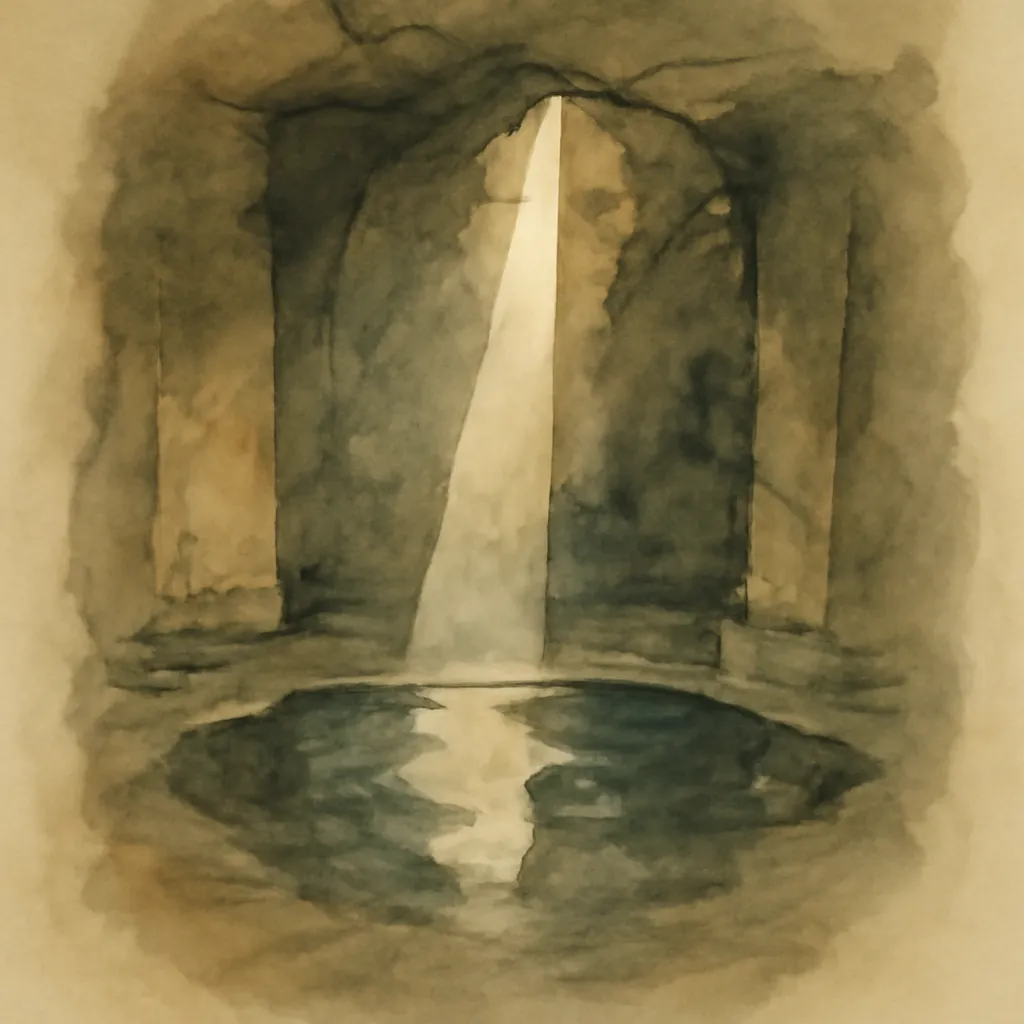
The imagery of darkness and light is woven throughout the novel, both literally in the underground labyrinth and metaphorically in Tenar's journey. The darkness is not simply evil, but a space of potential and mystery. Le Guin uses this motif to suggest that transformation often requires a descent into the unknown before emergence into a new self.
6.Feminist Reimagining of Fantasy
Unlike many fantasies of its era, The Tombs of Atuan centers a female protagonist and interrogates the roles assigned to women in patriarchal societies. Le Guin gives Tenar complexity and agency, offering a subtle but powerful critique of gendered power structures in both fantasy literature and the real world.