1.The Tragic Fall of Owen Saxham
Owen Saxham, the protagonist, begins as a talented doctor with a promising career. His initial success in the medical field showcases his intelligence and ambition. However, as the pressures of colonial life mount and personal demons begin to surface, Saxham’s struggle with alcoholism leads to a gradual decline, highlighting the theme of addiction's corrosive nature. Dehan intricately develops Saxham's internal conflict through his relationships, particularly with Mildred, who represents both the possibility of love and the life he could have led. As Saxham succumbs to his addiction, he loses not only his medical practice but also his dignity, self-worth, and the respect of his peers. This narrative invites readers to reflect on how societal pressures and personal failures can lead to one's downfall and raises critical questions about the nature of ambition, success, and the human capacity to recover from deep-seated issues.
2.Colonial South Africa as a Harsh Backdrop
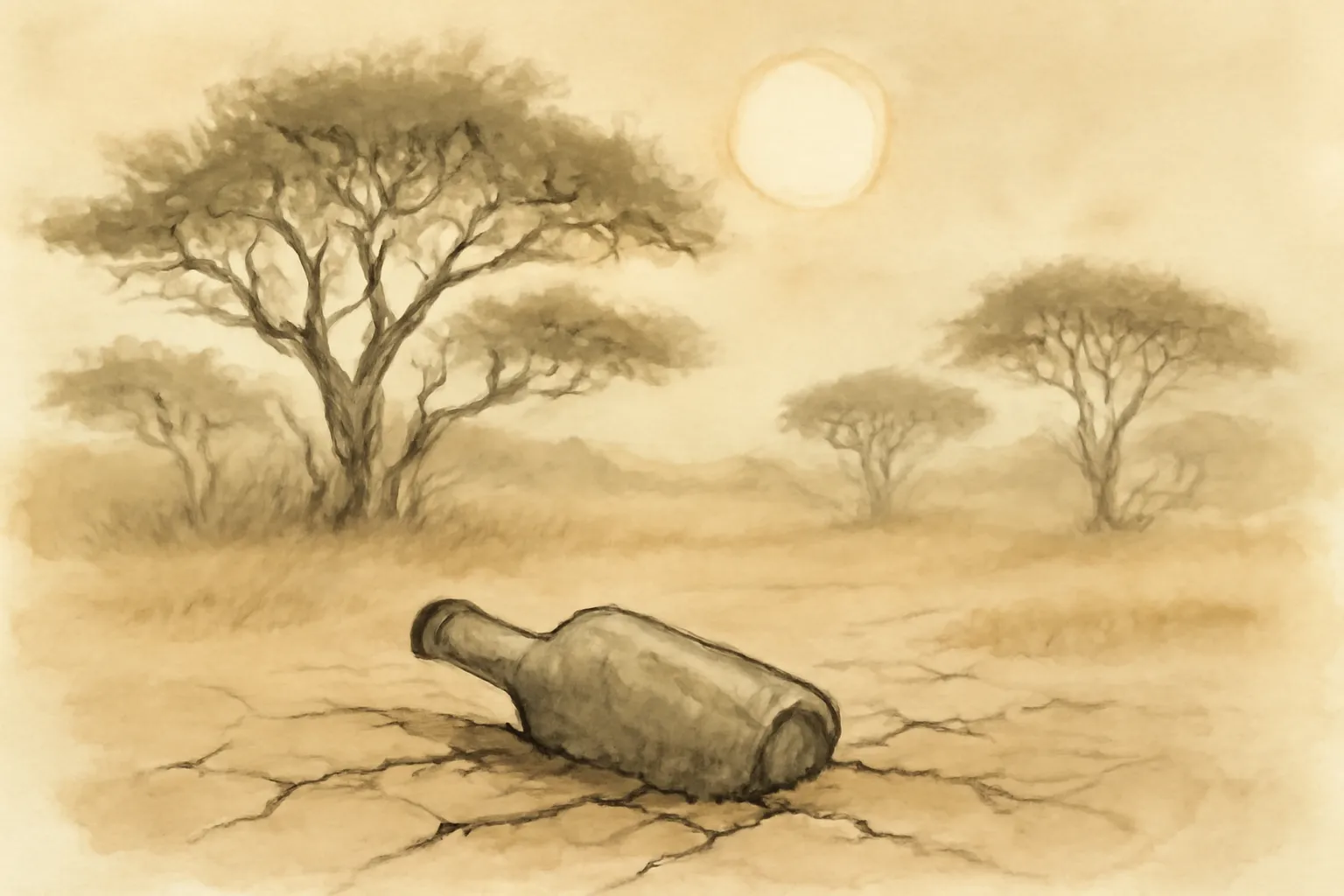
The setting of colonial South Africa is not merely a backdrop but a crucial element that shapes the narrative and characters of 'The Dop Doctor.' Dehan meticulously describes the landscape, from the vast, open veld to the oppressive heat, creating an atmosphere that mirrors Saxham's internal turmoil. The social dynamics of the time, including racial tensions and the impact of colonialism, serve as a constant reminder of the historical context influencing the characters’ lives. This harsh environment underscores the struggles of individuals trying to navigate their existence amidst chaos and uncertainty. As Saxham grapples with his demons, the relentless nature of the South African landscape serves to amplify his feelings of isolation and despair. Dehan illustrates how the physical challenges of the environment can reflect the emotional and psychological battles fought by the characters, making the setting an integral component of the story.
3.The Role of Women in a Male-Dominated Society

Dehan's portrayal of female characters adds significant depth to the narrative, revealing the limited roles available to women in colonial society. Mildred, Saxham's love interest, embodies the struggles faced by women who seek autonomy and agency in a world that often confines them to subservient roles. Her relationship with Saxham is fraught with complexities, reflecting the societal expectations placed upon women of the era. Mildred's unwavering support for Saxham highlights her strength, but it also casts her in a sacrificial light, as she navigates her feelings while grappling with the limitations society imposes on her. Additionally, Bough's wife serves as a poignant example of female oppression, underscoring the harsh realities faced by women married to men who wield power over them. Through these characters, Dehan critiques the patriarchal structures that limit women's freedom and agency, inviting readers to consider the broader implications of gender inequality in the historical context of the narrative.
4.The Dop Doctor as a Symbol of Despair
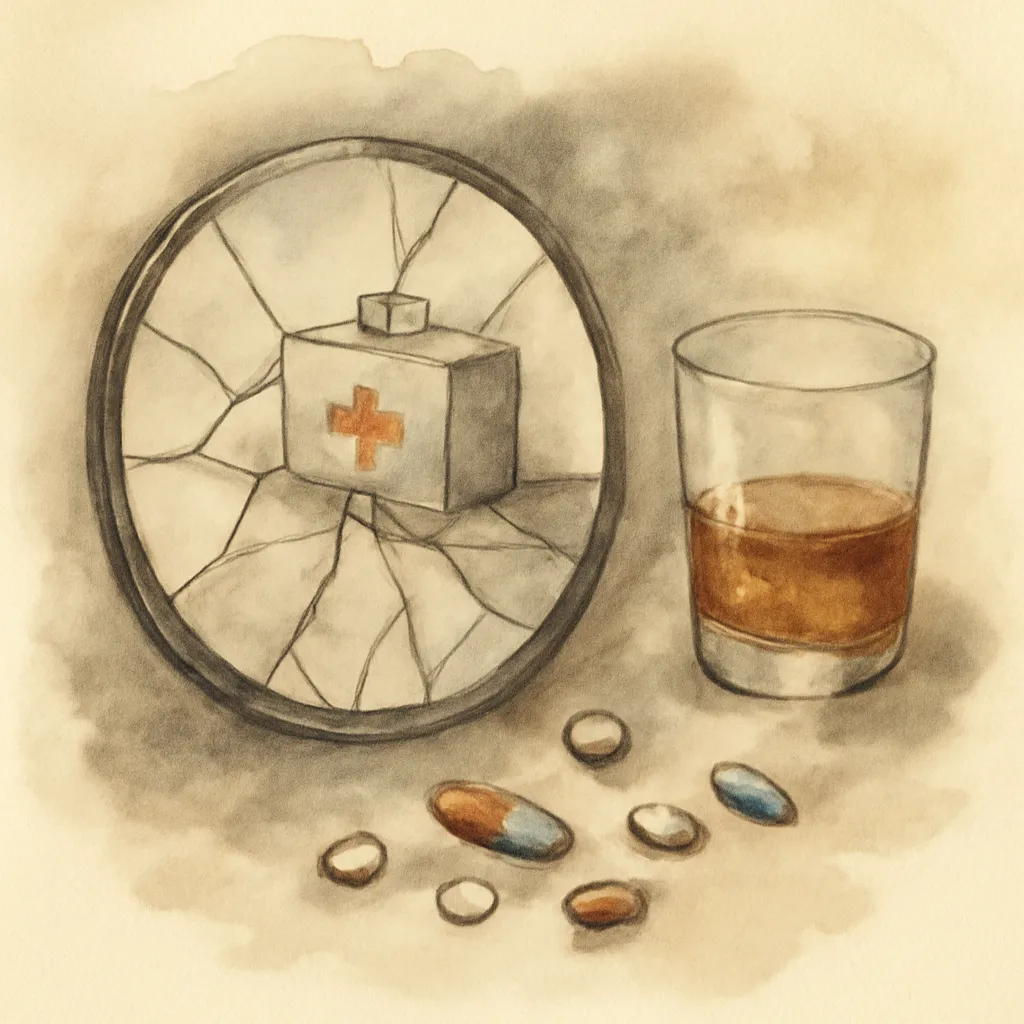
The title character, the 'Dop Doctor,' represents the duality of the medical profession as both a healing vocation and a source of destruction. Saxham's descent into alcoholism parallels the moral decay of the society around him, where the pursuit of pleasure often overshadows ethical responsibilities. The term 'dop' refers to cheap, intoxicating liquor, symbolizing the easy escape found in substance abuse. Dehan uses this character to explore the complexities of addiction, illustrating how the very profession meant to heal can also lead to self-destruction. The Dop Doctor becomes a cautionary figure, reminding readers of the fine line between healing and harming. This symbolism extends to Saxham's own journey, as his choices reflect a deep-seated desire to escape from the painful realities of his life. The juxtaposition of his medical knowledge against his personal failures creates a powerful narrative that critiques the moral ambiguities present within the profession.
5.Friendship and Betrayal
The bonds of friendship in 'The Dop Doctor' are tested against the backdrop of betrayal and self-interest. Saxham’s relationships with his peers reveal the competitive nature of the medical profession, where ambition often trumps loyalty. The friendship between Saxham and Bough demonstrates how addiction can fracture even the strongest ties, as Bough’s opportunism ultimately leads to Saxham’s downfall. This betrayal is evident when Bough takes advantage of Saxham's vulnerability, showcasing how individuals can exploit the weaknesses of those they claim to care for. Dehan paints a poignant picture of how personal relationships become entangled in the web of ambition and deceit, forcing characters to confront their values and priorities. This theme resonates deeply, reflecting the universal struggles of trust and betrayal in human connections, and emphasizes the fragility of loyalty in a world driven by self-interest.
6.The Illusion of Redemption
Throughout the novel, the theme of redemption looms large as Saxham grapples with his addiction and the consequences of his actions. Despite moments of clarity and the desire to reclaim his life, he finds himself trapped in a cycle of self-destruction. Dehan explores the notion that redemption is often an illusion, particularly in a world where societal expectations and personal failures intertwine. The characters’ attempts at redemption are often thwarted by their past choices, highlighting the complexities of forgiveness and the human capacity for change. For Saxham, every attempt to break free from his addiction is met with setbacks, revealing the harsh reality that redemption may require more than just a desire for change—it often demands a profound transformation that is difficult to achieve. The narrative suggests that true redemption may be elusive, leaving readers to ponder the nature of forgiveness and the possibility of healing.
7.The Power of Memory and Regret

Memory plays a significant role in shaping the characters’ identities and choices throughout 'The Dop Doctor.' Saxham’s recollections of his past serve as both a source of pain and a reminder of what he has lost. Dehan intricately weaves moments of nostalgia into the narrative, illustrating how memory can haunt individuals and influence their present decisions. The regret that Saxham experiences is palpable, as he reflects on the love and opportunities he has squandered due to his addiction. This theme of memory and regret serves to deepen the reader's understanding of Saxham as a character, revealing the internal struggles that accompany his downward spiral. The interplay between memory and regret not only shapes Saxham's actions but also resonates with readers, prompting them to consider the impact of their own memories and regrets on their lives. Dehan’s exploration of this theme underscores the complexity of the human experience, illuminating how history and personal choices can shape one's present and future.
8.The Search for Meaning in a Chaotic World

As Saxham navigates his tumultuous existence, the search for meaning becomes a central theme in 'The Dop Doctor.' Dehan presents a world fraught with chaos and uncertainty, where characters grapple with their identities and purpose amidst the turmoil of colonial life. Saxham's journey reflects the universal quest for understanding and significance, as he seeks to reconcile his ambitions with the harsh realities of his life. Through his struggles, Dehan invites readers to reflect on their own searches for meaning, highlighting the resilience of the human spirit in the face of despair. The narrative suggests that meaning can be found even in the darkest of circumstances, urging readers to confront their own challenges with courage and determination. This philosophical inquiry into the nature of existence not only enriches the narrative but also adds a layer of depth that resonates with audiences, prompting contemplation about their own lives and the search for purpose.
9.The Impact of Colonialism on Personal Identity
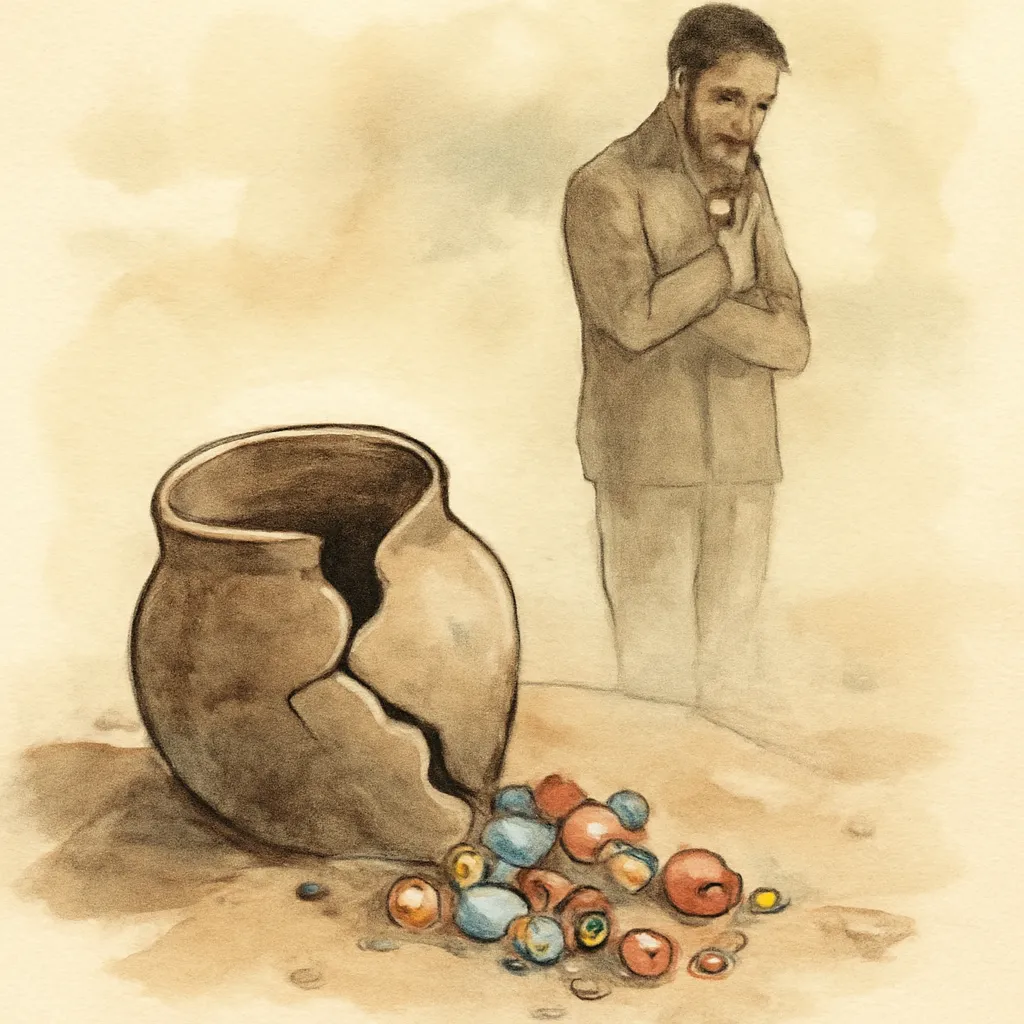
Dehan’s exploration of colonialism extends beyond the societal landscape, delving into its effects on personal identity. Characters are often caught between their cultural heritage and the pressures of colonial rule, leading to internal conflicts that shape their choices. Saxham, as a British expatriate in a foreign land, grapples with feelings of alienation and the complexities of belonging. His identity is influenced by the expectations placed upon him as a medical professional and as a colonial subject, complicating his relationships and ambitions. Dehan illustrates how colonialism can fracture identities, forcing individuals to navigate the nuances of belonging and alienation. This theme resonates throughout the narrative, as characters struggle to define themselves within the confines of a society steeped in hierarchy and cultural tension. Through this exploration, Dehan invites readers to consider the broader implications of colonialism on personal and collective identities, emphasizing the lasting impact of historical forces on contemporary lives.
10.The Fragility of Human Connection
In 'The Dop Doctor,' Dehan poignantly illustrates the fragility of human connections amidst the chaos of addiction and societal pressures. Relationships are portrayed as both a source of strength and a potential source of despair, reflecting the complexities of human nature. Saxham's interactions with Mildred, Bough, and others reveal the delicate balance between love and betrayal, highlighting how deeply intertwined human connections can be. The narrative suggests that while relationships can provide solace and support, they can also be undermined by personal demons and external circumstances. Dehan skillfully captures the nuances of these interactions, showcasing the emotional turmoil that accompanies the search for genuine connection. This theme resonates with readers, emphasizing the importance of understanding and empathy in navigating the complexities of human relationships and the impact that personal struggles can have on those we hold dear.