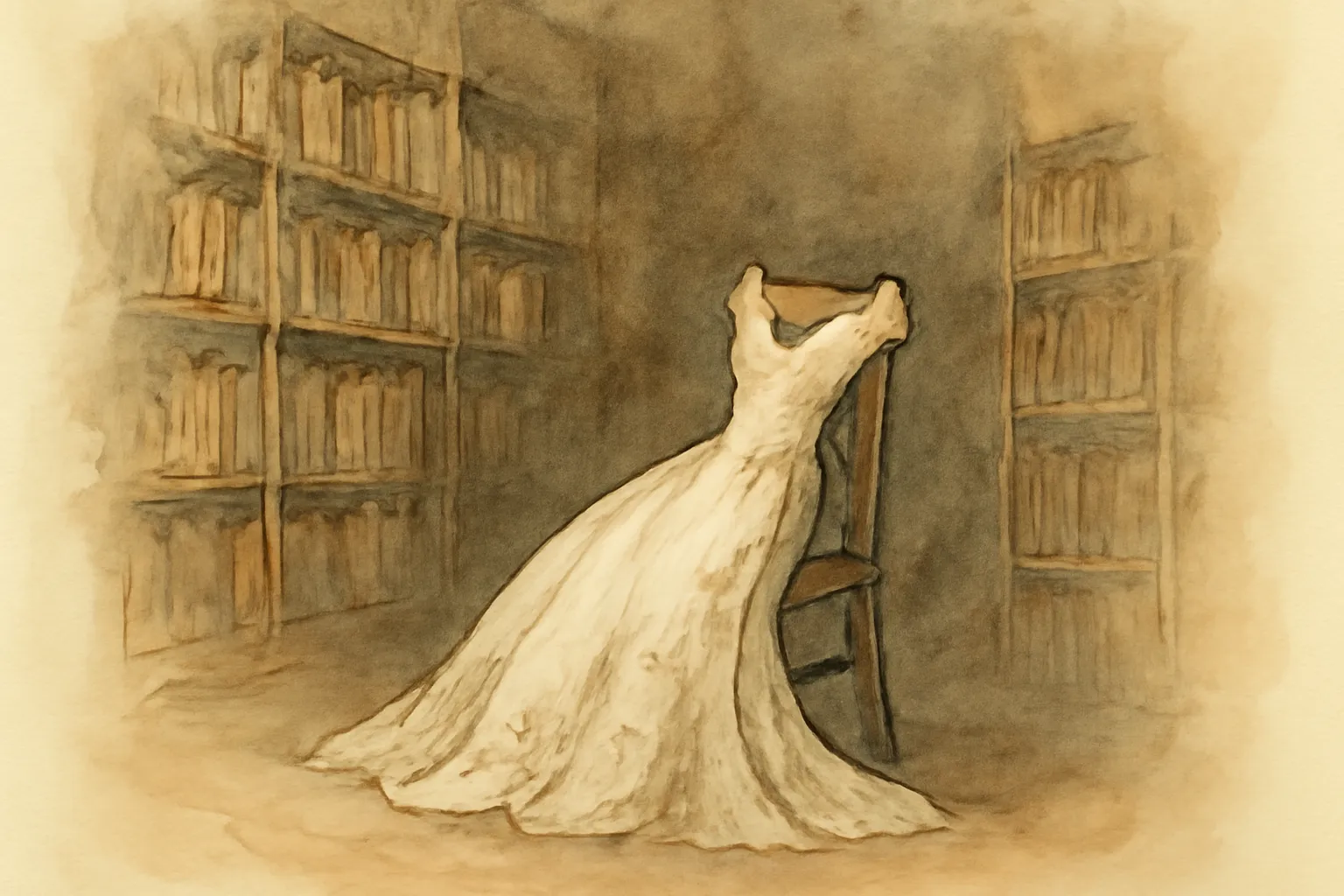
1.Marriage of Convenience, Emotional Stakes
At its core, The Duchess Deal revitalizes the marriage-of-convenience trope. The Duke of Ashbury, scarred by war and emotionally isolated, proposes a pragmatic union to Emma, a resourceful seamstress. Their agreement is transactional—he needs an heir, she needs security—but Dare quickly complicates the arrangement with growing emotional intimacy. The novel explores how necessity can open the door to vulnerability, and how love can emerge even when neither party expects it.
2.Beauty, Scars, and Self-Worth
Physical and emotional scars shape both main characters. Ashbury’s facial and bodily injuries have left him convinced he is monstrous and unlovable, while Emma has been dismissed and disregarded by society. The novel interrogates what makes someone worthy of love, challenging both characters—and readers—to see past surface appearances. This theme resonates throughout, as both must learn to accept themselves and each other, flaws and all.
3.Wit and Banter as Emotional Armor
Dare’s signature humor shines in the sparkling dialogue between Ashbury and Emma. Their verbal sparring serves as both a defense mechanism and a means of forging intimacy. The banter is not just comic relief; it’s a way for the characters to test boundaries, assert independence, and gradually reveal their vulnerabilities. This interplay keeps the tone lively even as deeper issues are explored.
4.Power, Agency, and Gender Roles
Set in Regency England, the novel plays with the era’s social hierarchies and gender expectations. Emma, though economically vulnerable, repeatedly asserts her agency—negotiating terms, standing up to the duke, and making choices for her own happiness. The story subverts traditional power dynamics, showing that emotional strength and resilience can be as important as social status or wealth.
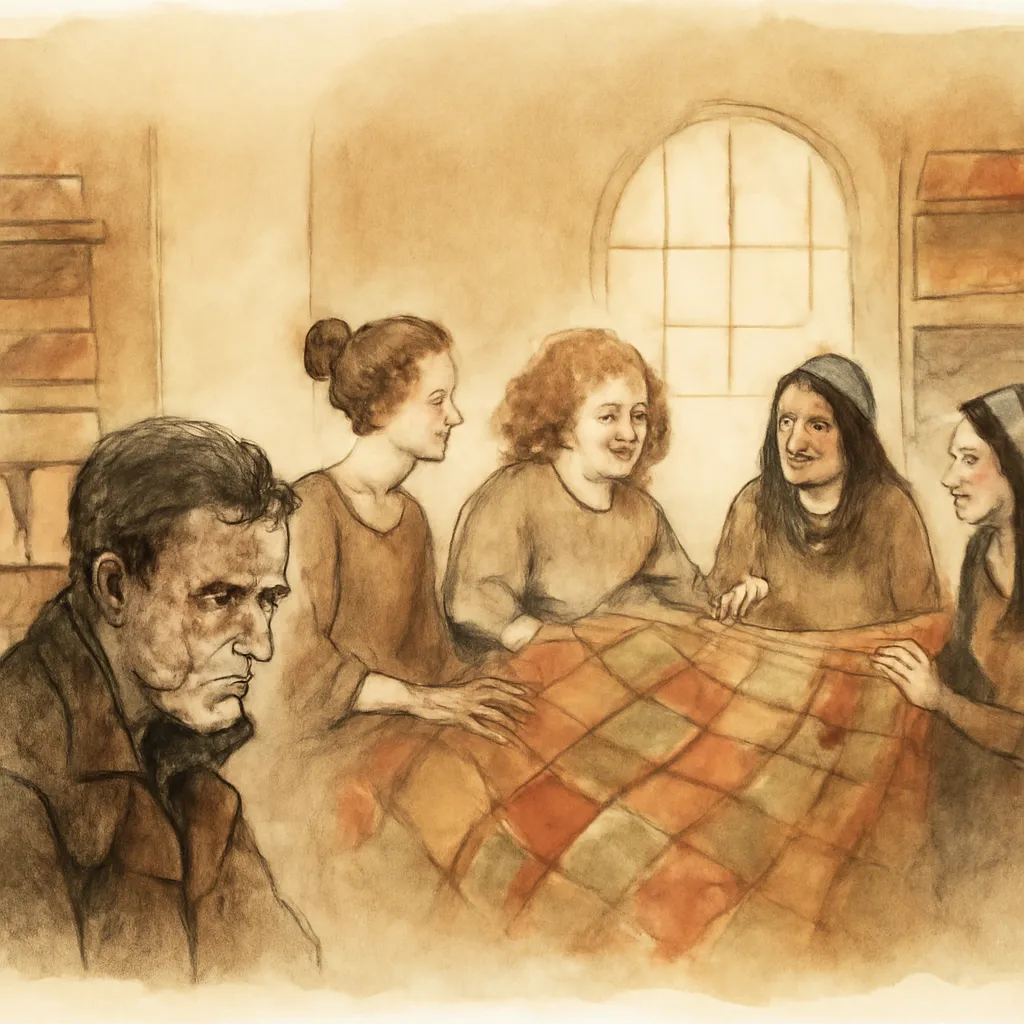
5.Found Family and Friendship
Beyond romance, the book highlights the importance of chosen family. Emma forms close bonds with other women, creating a support network that contrasts with Ashbury’s isolation. These friendships provide warmth, humor, and solidarity, reinforcing the idea that love and belonging can be found in many forms.
6.Healing Through Love
Ultimately, The Duchess Deal is about healing. Both Ashbury and Emma carry wounds—physical, emotional, and social—that only begin to mend through mutual acceptance and affection. The novel suggests that true love is not about perfection, but about embracing imperfection and helping each other become whole.