
Fiction, Romance, Historical · Man-woman relationships, fiction · Aristocracy (Social class), fiction
The Duchess Deal by Tessa Dare — Summary, Key Ideas & Quotes
2017384 pages✦ 3-min Big ideas★ 3.3 (3)
Rate it
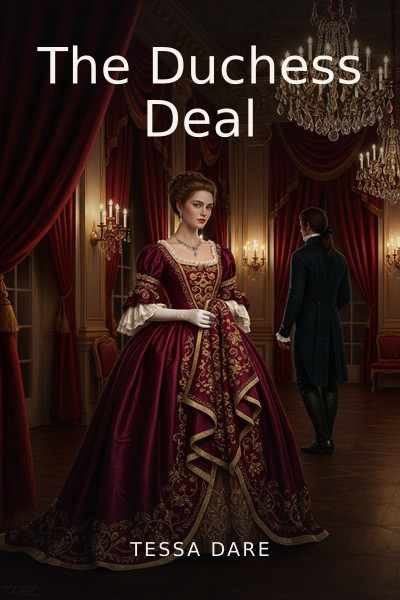
The Duke of Ashbury needs a wife. Emma Gladstone, a vicar's daughter turned seamstress, will do. They both have terms for the marriage, but will they be able to stop from falling in love?
At its core, The Duchess Deal revitalizes the marriage-of-convenience trope. The Duke of Ashbury, scarred by war and emotionally isolated, proposes a pragmatic union to Emma, a resourceful seamstress. Their agreement is transactional—he needs an heir, she needs security—but Dare quickly complicates the arrangement with growing emotional intimacy. The novel explores how necessity can open the door to vulnerability, and how love can emerge even when neither party expects it.
Physical and emotional scars shape both main characters. Ashbury’s facial and bodily injuries have left him convinced he is monstrous and unlovable, while Emma has been dismissed and disregarded by society. The novel interrogates what makes someone worthy of love, challenging both characters—and readers—to see past surface appearances. This theme resonates throughout, as both must learn to accept themselves and each other, flaws and all.
“I am catastrophically in love with you.”
“You are not a monster. You are a man—a man with a heart, a mind, and a soul.”